Handguns that sound good on paper only
Spec sheets sell a lot of handguns. Capacity numbers, trigger weights, unloaded ounces, slide cuts, coatings. On paper, some pistols look like they’ve solved every problem at once. In the hand and on the range, reality tends to push back.
A handgun that only works on paper usually isn’t unsafe or unusable. It’s just compromised in ways the numbers don’t show. Ergonomics that fight you. Recoil impulses that wear you out. Reliability quirks that appear once the round count climbs. These are pistols that read well in reviews but lose their shine when you actually spend time shooting them.
Taurus G3
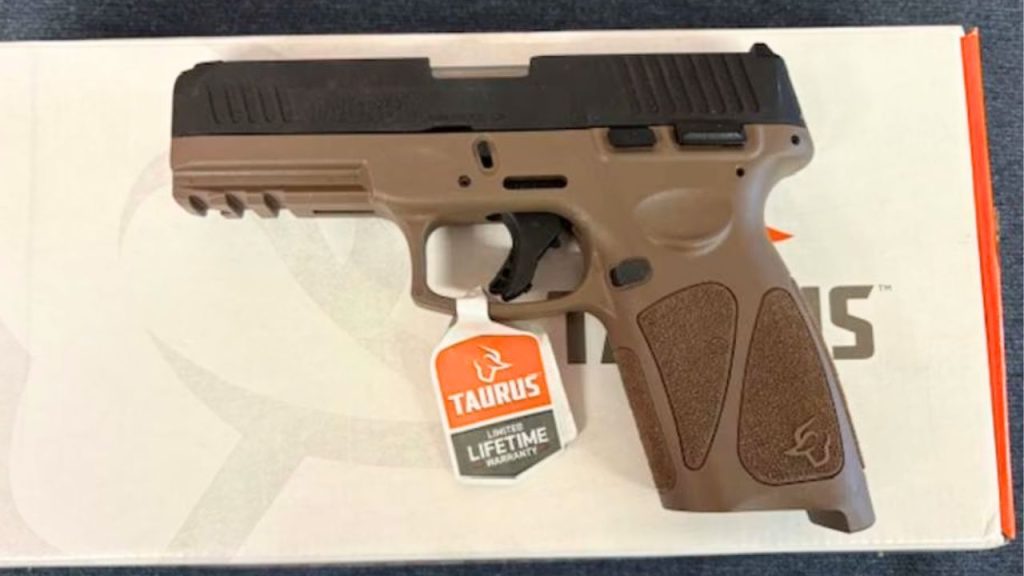
The Taurus G3 checks a lot of boxes on paper. Good capacity, decent trigger specs, modern features, and an aggressive price. It looks like a smart buy when you compare numbers.
In use, the rough edges show. Trigger feel varies from gun to gun, reset isn’t consistent, and recoil impulse feels harsher than expected. Long sessions highlight fatigue and control issues. Reliability can be fine, but confidence builds slowly. The G3 isn’t broken, it just doesn’t deliver the experience the spec sheet promises once you start shooting it regularly.
Springfield Armory XD-S
On paper, the XD-S sounds ideal. Slim profile, serious caliber options, and a safety-forward design that appeals to cautious buyers. The dimensions look perfect for carry.
The problem is shootability. Recoil is sharp, grip texture encourages over-gripping, and the grip safety adds tension under stress. After a few magazines, fatigue sets in and accuracy drops. Everything works, but nothing feels relaxed. The numbers suggest balance. The experience feels demanding. It looks better in comparison charts than it does during extended range time.
Kel-Tec PF-9
The PF-9 looks great on paper if weight is your priority. Thin, light, and chambered in 9mm, it checks the carry box easily.
Shooting it tells a different story. Recoil is abrupt, the grip offers little forgiveness, and the long trigger pull wears your finger quickly. Control takes constant effort. The pistol does what it claims, but it demands more than most shooters expect. Specs don’t account for how tiring it becomes once you try to run more than a few magazines through it.
Walther CCP
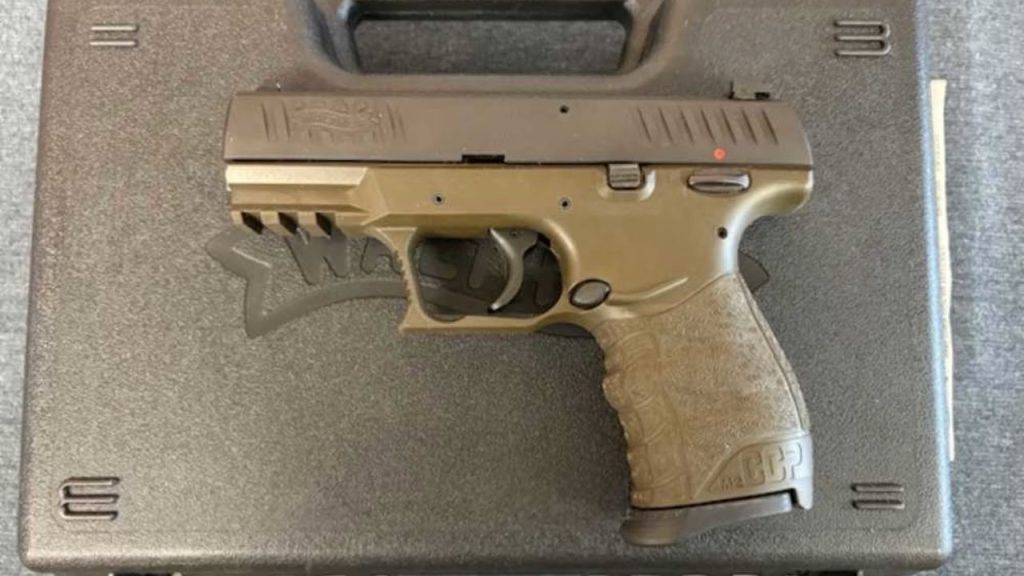
The CCP sounds clever on paper. Reduced recoil through gas-delayed operation and easy slide manipulation appeal to many shooters.
In practice, complexity works against it. The system is sensitive to ammunition and maintenance. Heat buildup affects performance, and cleaning is more involved than expected. Reliability complaints didn’t come from nowhere. When everything is right, it shoots softly. When it isn’t, frustration follows. The idea reads well. Execution never fully matched it.
Remington R51
The R51 looked promising on release. Unique action, classic lineage, and modern updates suggested a smart revival.
Reality was rough. Feeding issues, awkward ergonomics, and inconsistent reliability surfaced quickly. Later revisions improved some problems, but early impressions stuck. On paper, the design made sense. In shooters’ hands, it felt unfinished. It’s a classic example of how clever engineering doesn’t guarantee a usable handgun without thorough real-world validation.
SIG Sauer P365 SAS
The P365 SAS reads like a carry breakthrough. Flush controls, snag-free design, and a unique sighting system sound perfect for concealed use.
Actual shooting tells another story. The bullseye sight struggles in low light and during rapid fire. Precision suffers, especially at distance. While the concept reduces snags, it also removes feedback shooters rely on. On paper, it solves problems. On the range, it creates new ones that specs don’t mention.
Beretta Nano
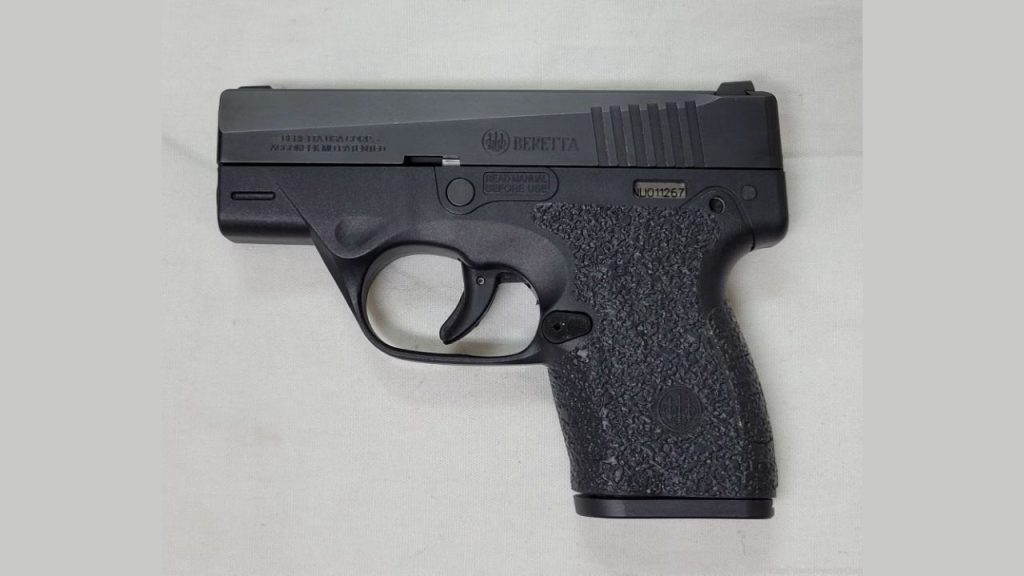
The Nano looks clean and modern in spec comparisons. Smooth exterior, modular internals, and respectable capacity suggest a thoughtful design.
The shooting experience feels detached. Long trigger pull, minimal grip texture, and snappy recoil make consistent accuracy harder than expected. The lack of external controls looks good on paper but reduces feedback during use. It carries easily, but shooting it well takes more effort than the numbers imply.
Desert Eagle
On paper, the Desert Eagle is impressive. Massive power, gas operation, and heavyweight construction suggest controllability and authority.
In reality, it’s exhausting. Grip size doesn’t fit many hands, recoil impulse is disruptive, and reliability depends heavily on ammunition. It’s more demanding than practical. The specs sound dominant. The shooting experience feels specialized and unforgiving. It’s a pistol that reads like a solution but behaves like a novelty once the trigger starts getting pulled.
Hi-Point C9
The C9 looks functional on paper. Simple blowback design, affordable price, and decent accuracy claims make it tempting.
Weight, ergonomics, and trigger quality quickly override the spec sheet. Recoil impulse is harsh despite mass, and handling feels awkward. It works, but shooting it well takes patience. The numbers suggest value. The experience feels like compromise stacked on compromise.
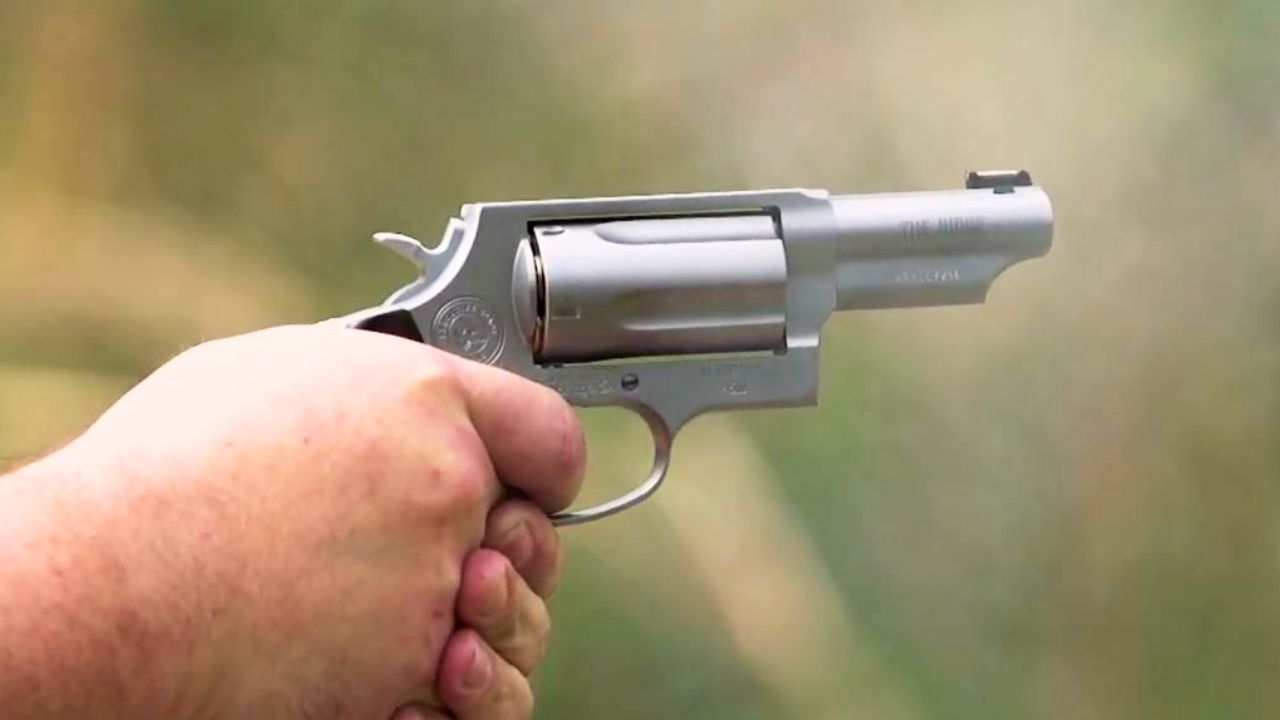
Taurus Judge
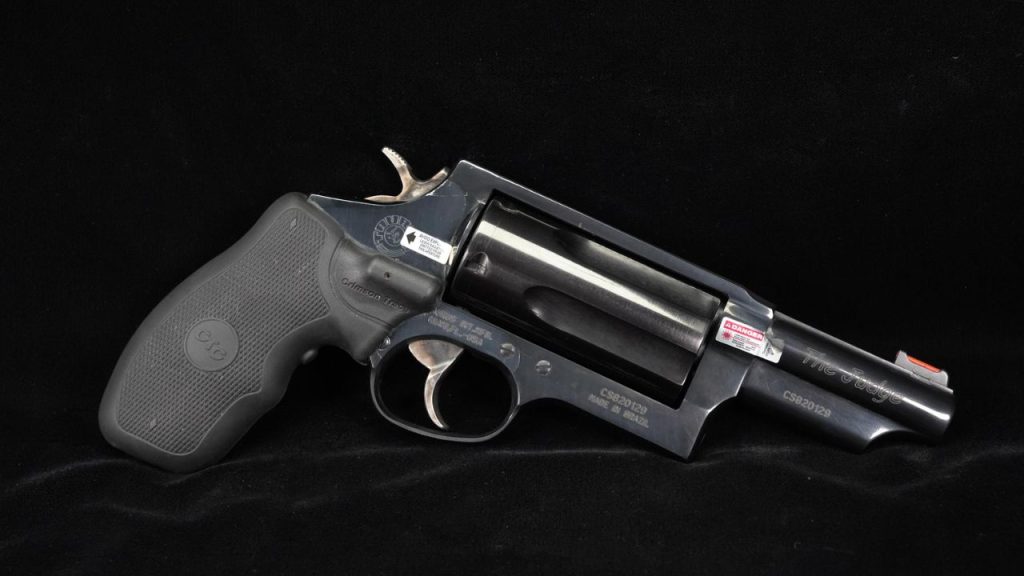
The Judge sounds versatile on paper. Multi-chamber capability and intimidation factor attract attention quickly.
In use, balance and recoil become problems. Accuracy is limited, trigger pulls are heavy, and follow-up shots are slow. It does several things adequately but nothing particularly well. Specs suggest flexibility. Shooting reveals awkwardness. It’s a handgun that benefits more from imagination than repetition.
Handguns that only work on paper usually fail quietly. Not through catastrophic issues, but through friction, fatigue, and lost confidence. Specs tell you what a gun can do. Time behind the trigger tells you whether you actually want to do it.

Leo’s been tracking game and tuning gear since he could stand upright. He’s sharp, driven, and knows how to keep things running when conditions turn.