Calibers that are forgiving for most shooters
Some cartridges work with you instead of against you. They don’t punish small mistakes, don’t demand perfect form, and don’t turn every range session into a chore. Over years of shooting, you start to notice which calibers let people settle in, build confidence, and keep shots where they belong. These are the rounds that help shooters focus on fundamentals instead of fighting recoil, noise, or unpredictable performance.
Forgiving calibers aren’t weak, outdated, or limited. They’re practical, well-balanced, and widely proven. Whether you’re hunting, training, or spending a long afternoon at the range, these cartridges tend to make shooting feel steadier and more predictable. Here are the calibers that give most shooters a little breathing room.
.308 Winchester
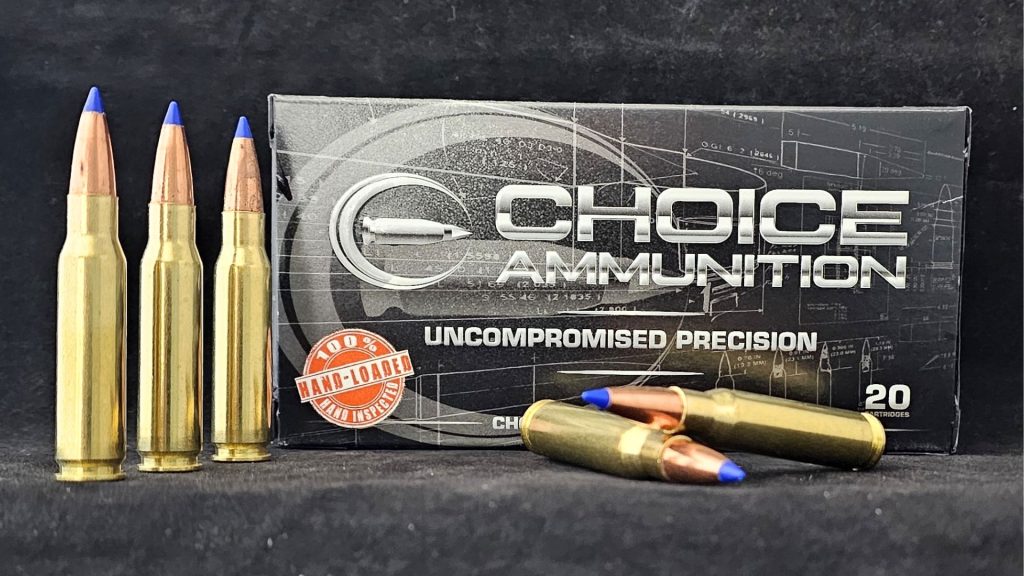
The .308 Winchester carries authority without overwhelming most shooters. Recoil is noticeable but controlled, and the push feels steady rather than sharp. That helps shooters maintain form instead of bracing or rushing shots.
Accuracy is another reason it remains approachable. The cartridge performs well across a wide range of rifles and bullet weights. Minor errors don’t get amplified as quickly as with lighter or faster rounds. Whether hunting or shooting steel, the .308 tends to reward patience and consistency.
.22 Long Rifle
The .22 LR teaches more shooters than any other cartridge for a reason. Recoil is minimal, noise stays manageable, and the report doesn’t rattle your teeth. That lets you focus on sight alignment, trigger control, and follow-through without bracing for impact. When mistakes happen, they’re easy to diagnose instead of masked by recoil.
You can shoot it for hours without fatigue, which matters more than people admit. Accuracy comes from repetition, and the .22 allows plenty of it. Whether you’re plinking steel or punching paper, it encourages relaxed shooting and steady improvement.
.223 Remington
The .223 Remington offers a comfortable balance of speed, recoil, and accuracy. Most shooters find it easy to stay on target through the shot, which helps with spotting impacts and correcting errors. The recoil impulse stays light enough that flinching doesn’t creep in quickly.
It’s also forgiving across rifle weights and barrel lengths. Whether you’re shooting prone or off a bench, the cartridge behaves predictably. Wind matters at distance, but inside typical ranges it gives consistent results. That makes it a solid option for practice, varmint work, and general range time.
.243 Winchester
The .243 Winchester has long been a favorite for shooters who want mild recoil without sacrificing performance. It shoots flat, stays easy on the shoulder, and rewards good fundamentals with tight groups. Most people can shoot it well without adjusting their stance or grip much.
For hunting, it allows accurate shot placement without punishment. That confidence carries over to the range, where longer sessions don’t wear you down. The cartridge tends to behave consistently across factory loads, which helps shooters avoid chasing zero or guessing why groups open up.
6.5 Creedmoor
The 6.5 Creedmoor earned its reputation by being approachable. Recoil remains manageable, even in lighter rifles, and the cartridge tracks well through the scope. That makes it easier to spot hits and misses without breaking position.
Its forgiving nature shows up when conditions aren’t perfect. Wind drift stays reasonable, and velocity spreads are often tight. Shooters don’t need match-level skills to see good results. For those learning distance shooting, the cartridge gives feedback instead of frustration, which keeps progress moving forward.
.30-30 Winchester
The .30-30 Winchester stays friendly because it doesn’t try to be something else. Recoil remains moderate, and velocities stay reasonable. That keeps follow-up shots calm and predictable, especially in lever-action rifles.
Its performance window matches real-world distances, which helps shooters stay confident. You’re not guessing about drop or holdovers at common ranges. The cartridge encourages deliberate shooting, and that steadiness shows on target. For many people, it feels familiar and controllable, even after long breaks from shooting.
7mm-08 Remington
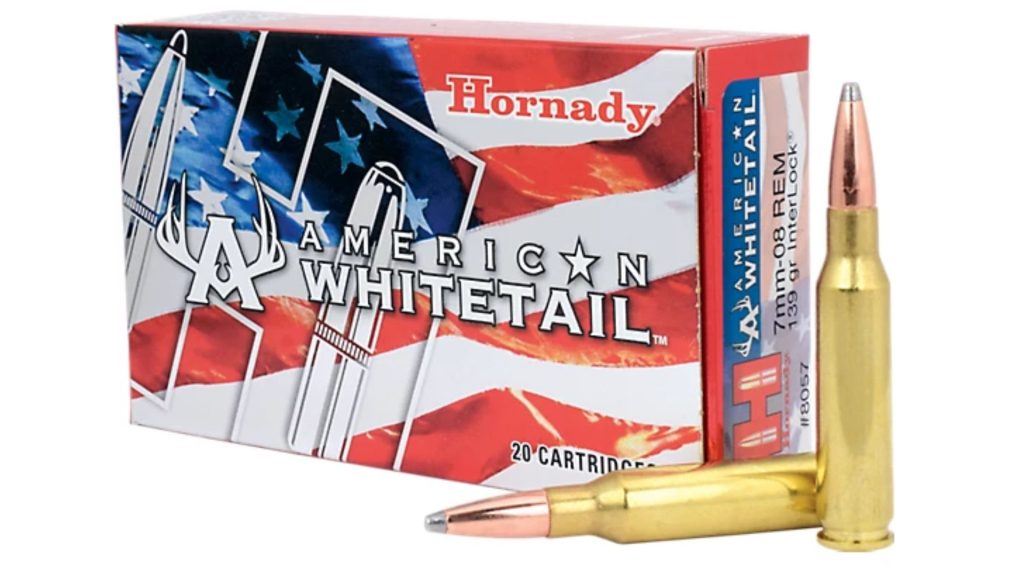
The 7mm-08 Remington offers efficient performance without excess recoil. It shoots smoothly, and many shooters find it easier to shoot well than larger hunting cartridges. The recoil impulse stays mild enough that form doesn’t break down.
Accuracy tends to come naturally with this cartridge. It handles wind better than many expect, and trajectories remain predictable. Shooters often notice fewer flyers and steadier groups. That consistency builds confidence, especially when transitioning between range time and hunting scenarios.
.270 Winchester
The .270 Winchester has helped generations of shooters because it balances speed and shootability. Recoil stays manageable, especially in standard-weight rifles, and the cartridge delivers clean trajectories at practical distances.
Most shooters find it forgiving when fundamentals are solid but not perfect. Small errors don’t immediately ruin a shot. It also maintains consistency across different bullet weights. That reliability helps shooters stay focused on execution rather than constantly adjusting for surprises.
9mm Luger
The 9mm Luger works because it’s controllable. Recoil remains manageable in most pistols, allowing quicker follow-up shots and better control. That matters for both training and defensive practice.
The cartridge also pairs well with a wide range of handgun sizes. Shooters can find a grip and weight that fits them without fighting the round itself. Accuracy stays accessible, and the feedback through the trigger feels predictable. Those traits help shooters build rhythm instead of tension.
.38 Special
The .38 Special remains approachable, especially in revolvers. Recoil stays soft with standard loads, and the shooting experience feels steady. That allows shooters to focus on trigger control, which matters with double-action revolvers.
Its forgiving nature shows during longer sessions. Fatigue builds slowly, and accuracy stays consistent. The cartridge also provides clear feedback without punishment. For many shooters, it’s an excellent way to refine fundamentals without distractions from recoil or noise.
.45 ACP
The .45 ACP surprises people with how manageable it feels. The recoil is slower and more of a push than a snap, which many shooters find easier to control. That characteristic helps keep sights aligned through the shot.
Accuracy comes from consistency rather than speed. Shooters who maintain a steady grip often see reliable results. While the cartridge isn’t light, it doesn’t demand perfection to perform well. That balance makes it forgiving for shooters who value control over velocity.
12 Gauge (Reduced Recoil Loads)
With reduced recoil loads, the 12 gauge becomes far more approachable. The softened impulse helps shooters maintain proper mount and follow-through without bracing. That changes the entire shooting experience.
These loads allow practice without excessive fatigue, especially during long sessions. Pattern consistency remains solid, and confidence builds quickly. Shooters can focus on technique rather than anticipating recoil. When used appropriately, reduced recoil shells make the platform far more forgiving than its reputation suggests.

Asher was raised in the woods and on the water, and it shows. He’s logged more hours behind a rifle and under a heavy pack than most men twice his age.