Knots anglers trust too much
You’ve been tying knots since you first picked up a rod, and you know that a good one can make or break your day on the water. But some knots get more credit than they deserve. Anglers swear by them out of habit, overlooking weaknesses that show up when it counts—like in heavy current or with slick line. We’re talking about those reliable standbys that fail under pressure, slip with certain materials, or just aren’t as strong as the hype suggests. I’ve lost my share of fish to these, and I’ve learned the hard way. Stick around, and we’ll go through a few that you might be leaning on too heavily. Time to rethink your go-tos and tighten up your game.
The Improved Clinch Knot
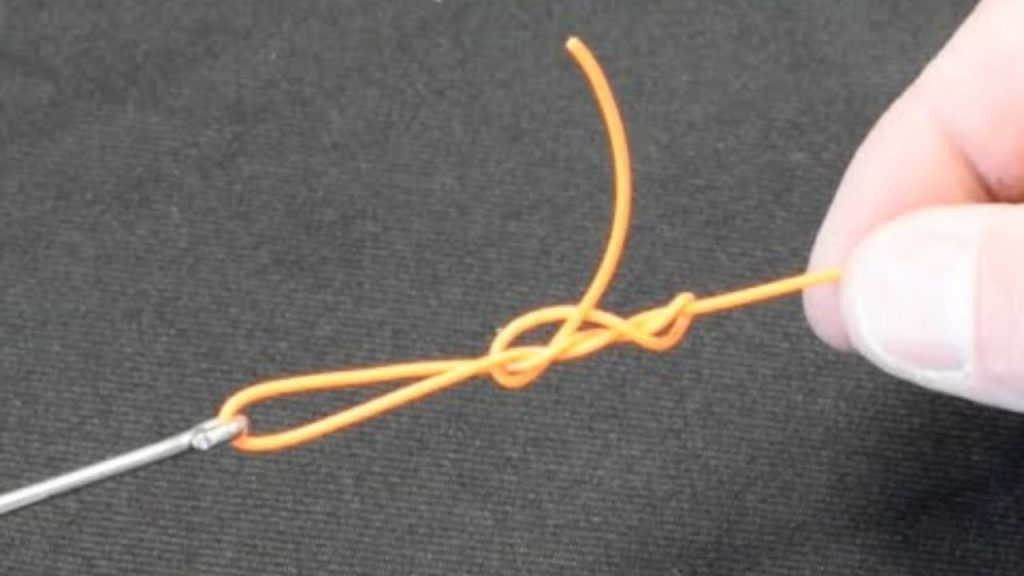
You probably reach for the improved clinch when tying on a hook or lure because it’s quick and you’ve done it a thousand times. It holds up okay in calm water with mono, but push it with braid or fluorocarbon, and it can slip right out. I’ve seen it happen on big bass—they hit hard, and suddenly your line’s waving free.
That extra tuck is supposed to make it stronger than the basic clinch, but in tests with heavier pound-test, it doesn’t always outperform simpler options. You end up retying mid-fight, wasting time. Next time you’re rigging, try something else for those slippery lines. It’ll save you frustration when the bite’s on.
The Palomar Knot
The Palomar seems foolproof—you double the line, loop it through, and pull tight. It’s great for beginners and works well with most hooks. But with small eyes or thick line, that bulky knot can snag weeds or weaken under repeated casts. I’ve pulled in snags that snapped right at the Palomar because it bunched up.
Strength-wise, it’s solid in lab tests, but out there with wind knots or abrasion, it loses grip faster than you’d think. You trust it for big game, yet it fails on swivels sometimes. Give it a pass on finesse setups and opt for a knot that lays flatter. Your hookup ratio will thank you.
The Uni Knot
You slide the uni on for joining lines or attaching leaders because it’s versatile and easy to remember. It cinches down smooth, holding in various conditions. But with super-slick braid, it can pull through if not seated right, especially after a long fight. I’ve had it unravel on salmon runs where the current tugs hard.
It’s not the best for heavy shock loads either—think tarpon jumping. You might cinch it extra tight, but that risks cutting the line. In saltwater, corrosion weakens it quicker too. Consider alternatives for those high-stakes trips. It’ll keep you from cursing lost trophies.
The Blood Knot
For connecting similar lines, the blood knot feels secure with its interlocking wraps. You tie it streamside without much fuss, and it passes through guides okay. But mismatch diameters, and it bulks up or slips. I’ve lost leaders on trout streams because the knot didn’t hold when a big one bolted.
It’s prone to failure if you don’t trim tags close, catching on rings. In tests, it drops strength with fluorocarbon joins. You rely on it for fly lines, yet wind can twist it loose. Skip it for uneven lines and use a double uni instead. Your setup stays intact longer.
The Surgeon’s Knot
Quick loops make the surgeon’s a favorite for tying droppers or extending tippet. You do it wet-handed in low light, no problem. But with mono over 20-pound, it can bunch and weaken. I’ve snapped it on catfish rigs where pressure builds slow but steady.
It’s not ideal for braid either—slips under tension. You think it’s unbreakable for loops, but abrasion frays it fast. In brackish water, it degrades quicker. Reserve it for light freshwater work and choose stronger options elsewhere. You’ll avoid those mid-battle surprises.
The Albright Knot
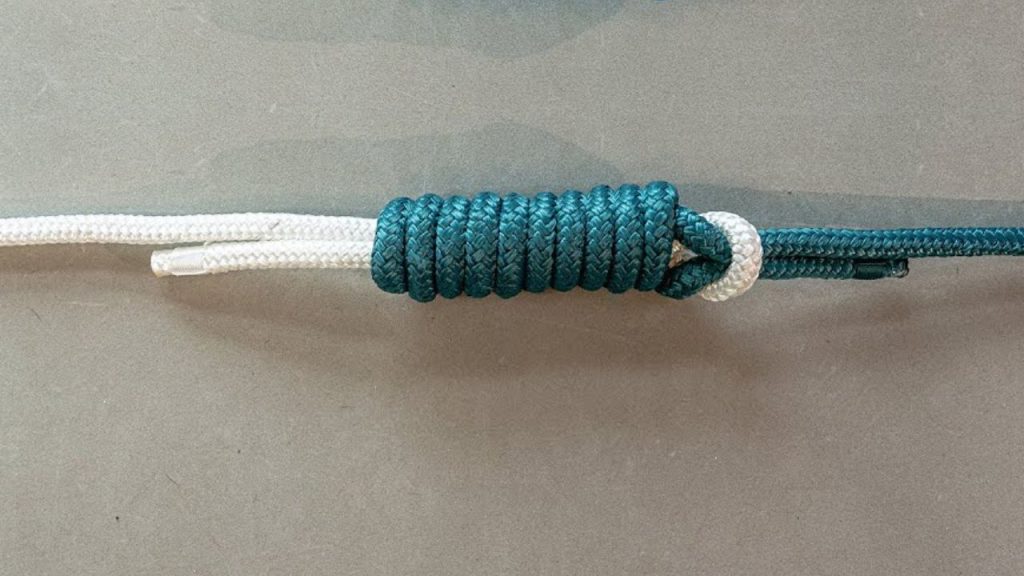
You use the Albright for joining backing to fly line or heavy mono to braid. It slides through guides and holds under load. But cinch it wrong, and it kinks, losing half its strength. I’ve had it fail on bonefish flats with that sudden run.
It’s bulky too, catching on rod tips during casts. With gel-spun lines, it doesn’t grip as well. You trust it for big reels, yet repeated use wears it down. Wet it thoroughly when tying, or better, learn the FG for slick stuff. Your connections stay solid.
The Nail Knot
For attaching leaders to fly lines, the nail knot seems snug with its tight wraps. You improvise with a straw if no nail’s around. But it can cut into thin lines over time, especially with vibration from casting. I’ve replaced rigs after it sliced through on windy days.
It’s not the easiest to untie either, wasting time. In cold water, your fingers fumble it. You lean on it for precision work, but alternatives like loop-to-loop are cleaner. Give it a rest on heavier setups. Your fly presentation improves without the hassle.
The Arbor Knot
Tying spool to reel, the arbor knot is basic and grips the core tight. You wrap it simple, no frills. But with modern braided backing, it can slip if not doubled. I’ve spooled off line mid-fight because it loosened under drag.
It’s fine for light spinning, but heavy offshore? Not so much. You overlook how it digs in, damaging arbor plastic. In salt, it corrodes faster. Use it sparingly and add tape for security. You’ll keep your backing where it belongs.
The Trilene Knot
Similar to the clinch, the Trilene wraps twice through the eye for extra hold. You tie it fast for lures. But with big swimbaits, it can pull out on heavy strikes. I’ve missed strikes on pike because it didn’t seat right.
Fluorocarbon makes it trickier—slippery and prone to burn. You think it’s upgraded, but tests show average strength. In weeds, it snags more. Switch to a San Diego for those applications. Your terminal tackle stays put.
The Snell Knot
For hooks without eyes, the snell aligns straight for better hooksets. You wrap it down the shank clean. But with offset points, it twists. I’ve had it fail on circle hooks during trolling.
It’s time-consuming too, not great for quick changes. You trust it for bait rigs, yet mono frays it. In current, it weakens. Use eyed hooks more and save the snell for specifics. You’ll hook up consistently.
The Bimini Twist
/YouTube
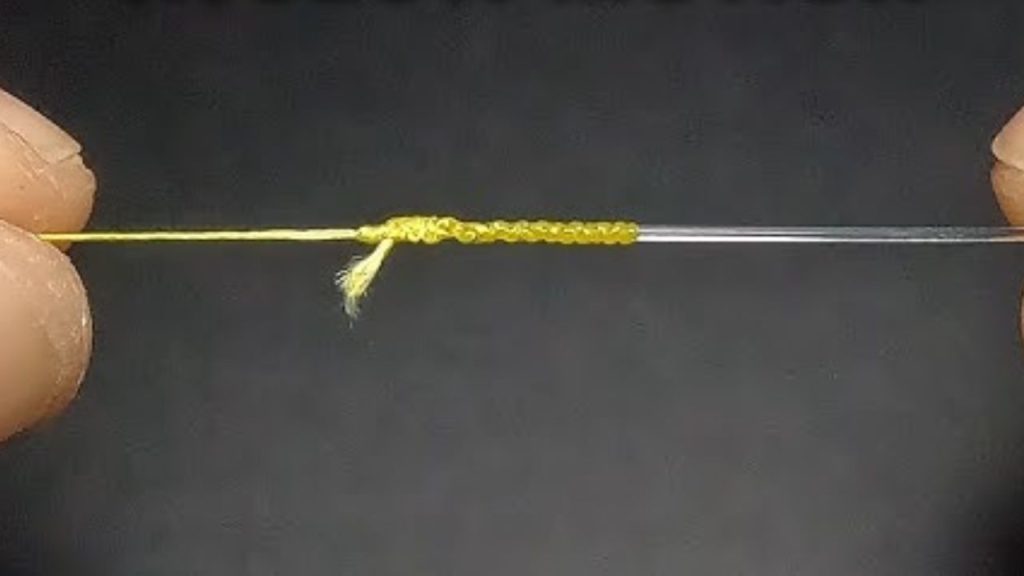
Creating a loop for big game, the Bimini builds strength with multiple twists. You practice it at home. But offshore with swells, it’s hard to get even. I’ve lost rigs when twists unevenly loaded.
It’s overkill for most freshwater. You rely on it for shock, but braid alternatives exist. Wet hands slip during tying. Limit it to true heavy-duty needs. Your leaders endure better.
The Dropper Loop
For multi-hook rigs, the dropper loop spaces baits perfect. You form it midline easy. But with thin line, it kinks and breaks. I’ve tangled setups on bottom rigs from weak loops.
Current pulls it apart sometimes. You use it for perch, yet bigger fish snap it. In salt, it corrodes quick. Tie surgeons for droppers instead. Your bait stays presented.
The Perfection Loop
End loops for leaders, the perfection is non-slip and strong. You tie it once learned. But with stiff wire, it doesn’t cinch. I’ve replaced fly loops after it opened on strikes.
It’s bulky in small sizes. You think it’s ideal, but tests vary. For quick connects, it’s fine, but check often. Opt for figure-eight in some cases. Your system holds up.

Asher was raised in the woods and on the water, and it shows. He’s logged more hours behind a rifle and under a heavy pack than most men twice his age.