Calibers that don’t waste energy or meat
When you hunt for the freezer, efficiency matters more than paper ballistics. You want a round that gets through the vitals, exits clean, and leaves you with shoulders and backstraps worth wrapping. Too much speed or bullet weight can turn good meat into bloodshot trim. Too little punch risks long tracks and poor hits. The sweet spot is a cartridge you can place well, one that penetrates without tearing things up beyond the wound channel. Over the years, hunters who shoot a lot of animals tend to settle on rounds that behave predictably in real animals, not test media. These are calibers that do their work, leave tidy exits, and respect the meat you worked hard to earn.
.22 LR
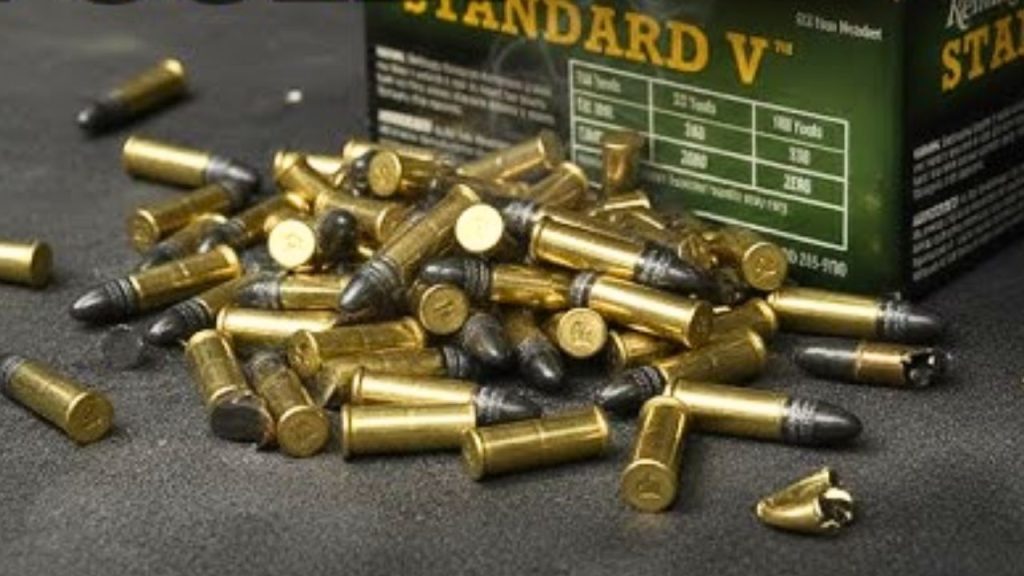
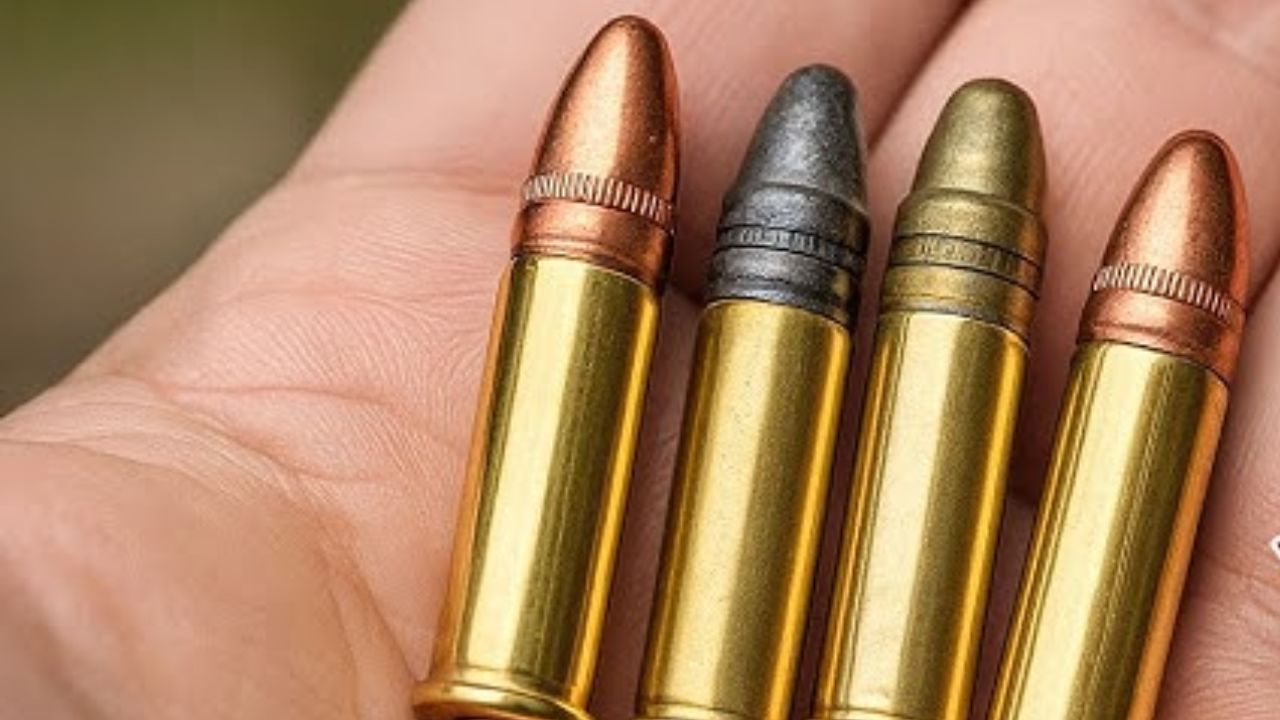
For small game, nothing wastes less meat than the .22 LR when you do your part. On squirrels and rabbits, careful head shots or upper-shoulder hits anchor animals without turning the front half into soup. Velocity stays low enough that you avoid explosive damage, especially with standard-velocity loads.
You also get quiet reports, light recoil, and cheap practice, which means better shooting under real conditions. The .22 LR rewards patience and discipline. You wait for the right angle, squeeze clean, and pick up an animal that needs little more than a rinse before it hits the skillet.
.223 Remington
The .223 has earned its place as a meat-friendly deer round in states where it’s legal. With controlled-expansion bullets and reasonable ranges, it pokes clean holes through lungs without wrecking shoulders. Shot placement matters, but that’s true of any cartridge that respects meat.
Because recoil is mild, you stay steady and spot your hit. That leads to fast follow-ups and fewer lost animals. Keep your shots inside its comfort zone, skip lightweight varmint bullets, and the .223 will surprise you with how little trimming you do at the skinning pole.
.243 Winchester
The .243 has fed families for decades for one reason: it kills clean without excess damage. On deer and pronghorn, a good bullet through the ribs leaves tidy entrance and exit wounds and very little bloodshot meat.
You get flat enough trajectory for open country without chasing speed for its own sake. Recoil stays light, so you shoot it well even from awkward field positions. For hunters who want one rifle that works for coyotes, deer, and everything in between, the .243 keeps waste to a minimum.
6.5 Creedmoor
The 6.5 Creedmoor shines when penetration matters more than shock. Long, heavy-for-caliber bullets slip through lungs and keep going, which usually means an exit and an easy trail. Meat loss stays limited when you avoid heavy bone.
It also lets you stretch distance without pushing velocity to extremes. That controlled pace reduces violent tissue damage. If you hunt mixed terrain and want predictable performance from close woods shots to longer fields, the 6.5 Creedmoor delivers steady results without paying a meat penalty.
.25-06 Remington
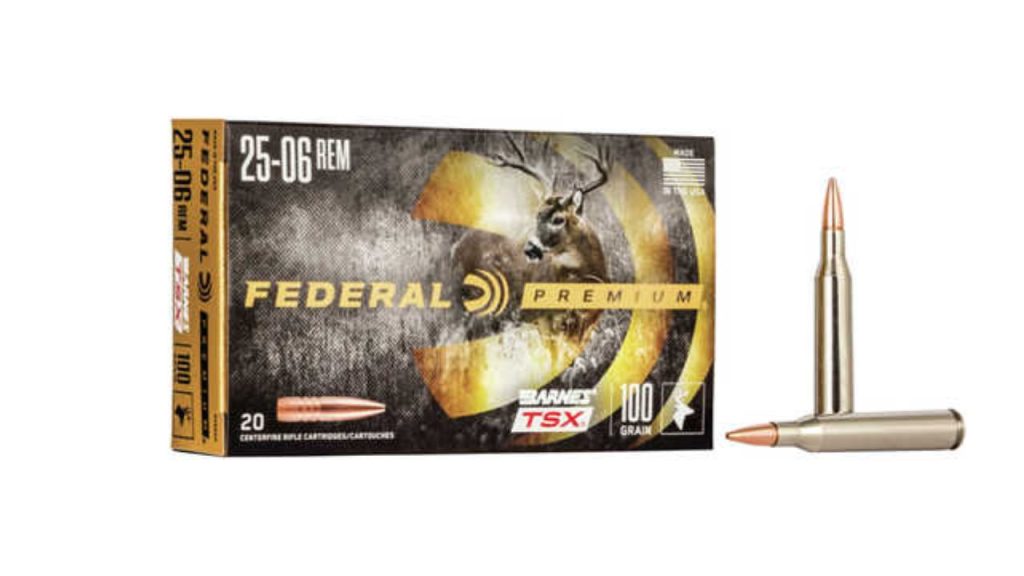
The .25-06 often gets overlooked, but it’s one of the cleanest killers around when paired with the right bullet. It hits harder than the .243 yet still avoids the heavy recoil and blast of larger rounds. On deer-sized game, it opens reliably and exits without shredding shoulders.
You benefit from a flat path and enough energy to handle longer shots with confidence. Keep your impacts off heavy bone and you’ll notice how little trimming you do. It’s a practical choice for hunters who value efficiency over noise.
.270 Winchester
The .270 has been filling tags for nearly a century, and it does so without turning animals into hamburger. With traditional soft points or modern bonded bullets, it punches through vitals and keeps moving.
Recoil stays manageable, which means better hits under pressure. The cartridge carries well across open country, but it behaves politely at closer ranges too. Hunters who learn to slip shots behind the shoulder quickly understand why the .270 built its reputation on clean kills and respectable meat recovery.
7mm-08 Remington
Built on the .308 case, the 7mm-08 brings balance to the table. It throws efficient bullets at moderate speeds, which helps limit bloodshot meat while still delivering decisive penetration.
In the field, that balance shows up as quick collapses and short tracks. You don’t need magnum velocities to do real work on deer and elk-sized animals. For hunters who like mild recoil and consistent terminal behavior, the 7mm-08 keeps things tidy from the ribcage outward.
.30-30 Winchester
Inside normal woods ranges, few cartridges are as respectful of meat as the .30-30. Traditional bullet weights and moderate speeds mean you get expansion without explosive damage.
Most shots happen inside 150 yards, where the .30-30 does exactly what you expect. Lung shots leave clean channels, and shoulder hits rarely destroy more than they need to. It’s a cartridge that rewards close-range hunting skills and careful angles, which often leads to full freezers and minimal waste.
.308 Winchester
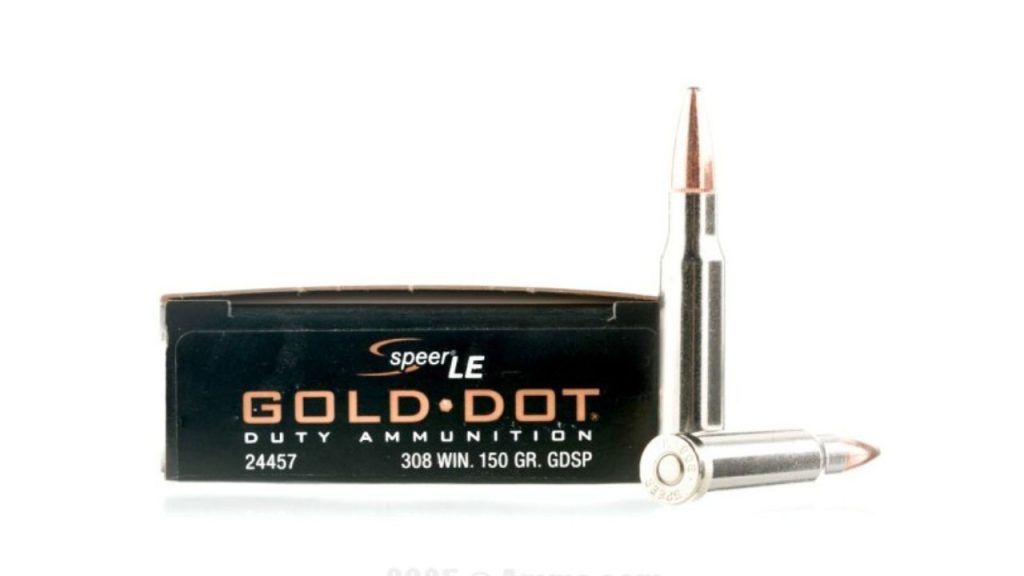
The .308 gets a lot done without excess drama. With proper bullet selection, it penetrates deeply and exits cleanly, especially on broadside shots. You can tailor loads to your hunting style, from lighter bullets to heavier controlled-expansion options.
Recoil is manageable in most rifles, which helps you stay accurate when it counts. Hunters who keep their shots off heavy bone often comment on how little meat they lose. The .308’s predictability is its real strength in the field.
.350 Legend
The .350 Legend was designed with straight-wall rules in mind, but it also happens to be gentle on meat. Its velocities stay modest, so tissue damage stays localized. On whitetails, it punches big holes without violent splash.
You get reliable penetration and easy blood trails, especially at woods ranges. Because recoil is light, you shoot it well from tree stands and blinds. For hunters in restricted states who still care about clean carcasses, the .350 Legend checks the right boxes.
.45-70 Government
At first glance, the .45-70 looks like a meat destroyer, but reality says otherwise. With traditional loads, it moves heavy bullets at controlled speeds. That means deep penetration and surprisingly limited bloodshot damage.
Inside typical ranges, it drops animals fast without turning shoulders into stew. Shot placement remains key, but the cartridge’s behavior is predictable and honest. Hunters who use it on deer and elk often remark on how clean the wound channels look once the hide comes off.
.257 Roberts
The .257 Roberts is an old-school favorite for hunters who value efficiency. It carries enough speed to open bullets reliably while avoiding the excessive shock that ruins meat. On deer and antelope, it slips through ribs and leaves neat exits.
Recoil stays mild, making accurate shooting second nature. That leads to better angles and fewer rushed shots. For those who appreciate cartridges that do their job quietly and effectively, the .257 Roberts proves that good design never goes out of style.

Leo’s been tracking game and tuning gear since he could stand upright. He’s sharp, driven, and knows how to keep things running when conditions turn.