Knives that wear out far too fast
If you’ve carried a knife long enough, you stop caring how sharp it feels on day one. What matters is how it holds together after real work. Breaking down boxes, trimming cordage, dressing game, riding in a pocket through sweat and grit. Some knives look right and feel right but start giving up early. Edges soften, locks loosen, coatings wear thin, and before long you’re compensating for the tool instead of relying on it. None of these knives are useless. They just tend to age faster than they should when used regularly. If you’ve owned a few of them, this list may feel uncomfortably familiar.
Gerber Paraframe Mini
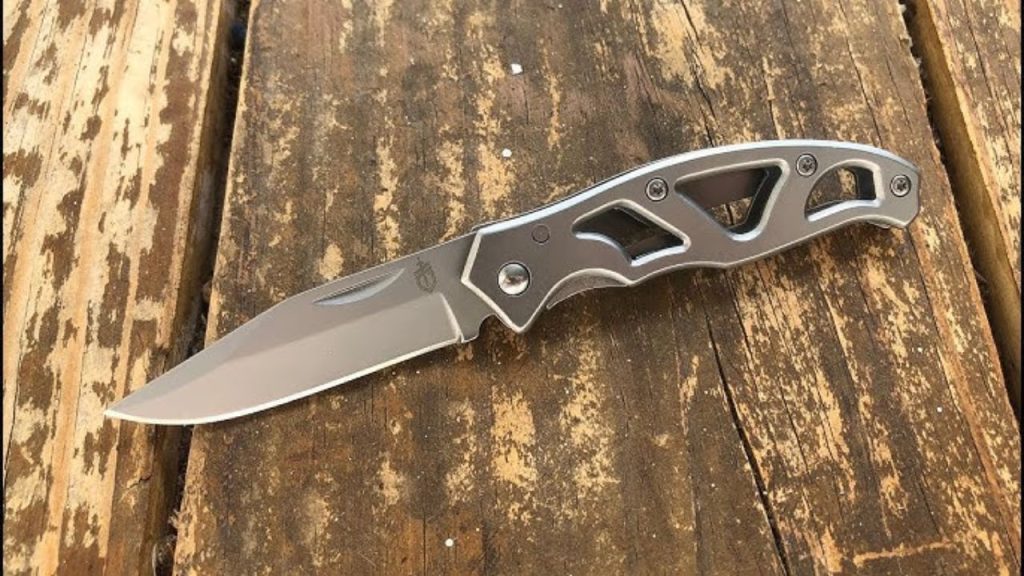
The Gerber Paraframe Mini is light, inexpensive, and easy to find. That’s why so many people end up carrying one. Early on, it does basic cutting chores fine, especially for light office or household use. The problem is longevity. The blade steel loses edge quickly on cardboard and rope, and frequent sharpening wears it down faster than expected.
The open-frame handle also works against it. Lint, grit, and moisture build up fast, accelerating pivot wear. After steady pocket time, blade play becomes common. Nothing catastrophic happens. It just stops feeling solid long before you’d expect from a daily tool.
Morakniv Companion (carbon steel)
The Morakniv Companion in carbon steel cuts incredibly well when new. Out of the box, it bites deep and clean, especially on wood and game. That keen edge is the draw. The tradeoff is how quickly it demands attention. Carbon steel dulls faster than many users expect when processing meat or working wet material.
Rust is the bigger issue. If you don’t stay on top of drying and oiling, surface corrosion starts quickly. Over time, repeated sharpening thins the edge profile. The knife still works, but the effortless cutting that sold you on it fades sooner than it should for a field blade.
Old Timer 152OT
The Old Timer 152OT carries a lot of nostalgia, and that’s part of the appeal. It feels like a classic hunting knife and handles light game work just fine early on. The issue shows up after seasons of use. The steel takes an edge easily, but it doesn’t hold it long, especially when hitting joints or tougher hide.
Handle materials also wear faster than expected. Pins loosen, and the stacked handle can develop subtle movement over time. It’s still usable, but confidence drops. You start babying it, which defeats the purpose of carrying a working knife into the field.
Kershaw Leek
The Kershaw Leek is slim, sharp, and popular for a reason. It slices well and disappears in your pocket. That narrow blade geometry is also its weak point. The tip is delicate, and even careful users eventually snap or bend it during routine tasks.
Edge retention is only average, meaning frequent sharpening is part of ownership. Over time, the assisted opening mechanism can feel tired, and the frame lock loses crisp engagement. It doesn’t fail suddenly. It just slowly loses the tight, precise feel that made it enjoyable to carry in the first place.
SOG Flash II
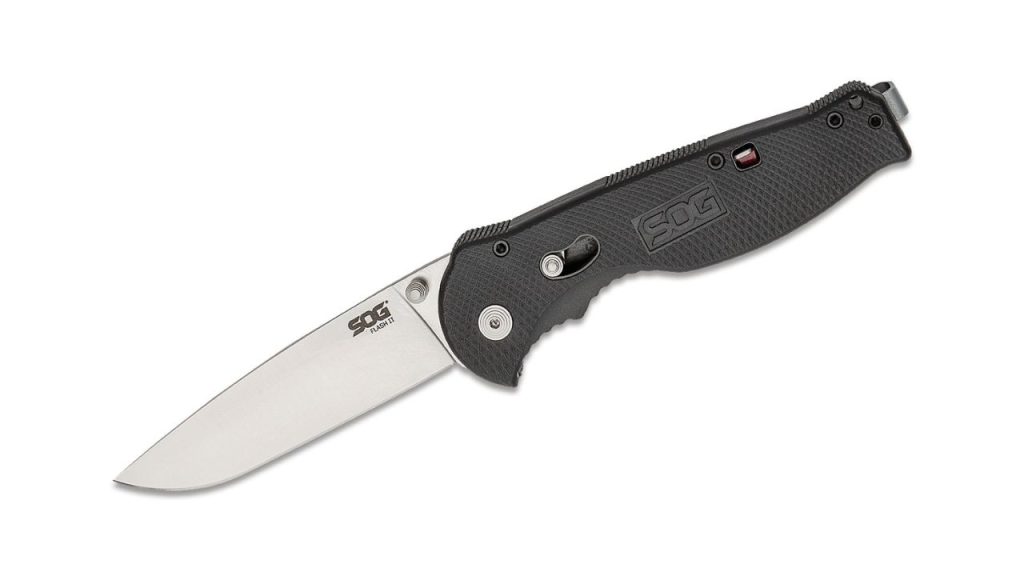
The SOG Flash II feels fast and aggressive when new. The assisted opening snaps hard, and the blade shape handles light utility well. Long-term use exposes softer steel that rolls instead of wearing evenly. You’ll notice edge degradation quickly on fibrous material.
The handle construction also shows wear. Flex develops, especially during harder cuts, and the lock mechanism loses confidence with time. Dirt intrusion doesn’t help. After extended use, it still opens fast, but it no longer feels like a knife you want to push when the cut really matters.
Schrade SCHF36 Frontier
The Schrade SCHF36 Frontier looks like a tough, budget-friendly survival blade. It’s heavy, thick, and reassuring at first glance. Under steady use, the coating wears rapidly, exposing steel that can spot-rust if neglected. Edge retention is modest, meaning frequent sharpening is unavoidable.
The handle is comfortable but tends to loosen over time, especially after batoning or repeated heavy cuts. It keeps working, but the confidence erodes. What started as a budget tank slowly turns into a blade you second-guess, especially when you’re far from the truck.
Buck 110 (recent production)
The Buck 110 has earned its reputation, but some newer production examples show wear sooner than expected. The blade still sharpens well, but edge holding isn’t what many longtime users remember. Frequent touch-ups become normal during hunting season.
Weight contributes to wear too. Carried daily, the knife puts stress on pivots and lock surfaces. Over time, you may notice a softer lockup feel. It’s still serviceable, but the sense of overbuilt durability that defined older examples isn’t always there after years of regular use.
CRKT M16-14SFG
The CRKT M16-14SFG feels sturdy and purposeful at first. The blade shape handles utility cuts well, and the lock inspires confidence early on. Extended use reveals average steel performance that dulls faster than the knife’s size suggests.
The secondary safety system can also wear, adding complexity without long-term benefit. Pocket grit accelerates pivot wear, and the action becomes rough. It remains functional, but you start noticing resistance and play sooner than expected. For a knife that looks hard-use ready, it ages quicker than its appearance suggests.
Cold Steel Recon 1 (CTS-XHP)

The Cold Steel Recon 1 in CTS-XHP steel starts strong. Edge retention is good early, and the lock feels bombproof. Over time, the harder steel can chip rather than wear evenly, especially if you cut dirty or abrasive material.
Sharpening becomes more involved, and repeated corrections slowly alter the edge geometry. Handle texture also smooths with use, reducing grip confidence. The knife still performs, but maintaining that original feel takes more effort than many users expect after years of steady carry.
Ontario RAT II
The Ontario RAT II punches above its price when new. It cuts well, feels balanced, and carries easily. Long-term use exposes the limits of its steel. Edge retention drops quickly during repetitive cutting tasks, leading to constant sharpening.
Handle scales and hardware also show wear early. Screws loosen, and the action loses smoothness as grit builds up. None of this makes it unusable, but it shortens the knife’s comfortable lifespan. You’ll likely replace it not because it failed, but because it stopped feeling dependable.
Smith & Wesson SWA Survival
The Smith & Wesson SWA Survival looks rugged and tactical, but real-world use tells a different story. The steel dulls quickly, and edge stability is poor when cutting tougher material. Chips and rolls appear sooner than expected.
Handle construction and balance also work against it. Extended use reveals hot spots and loosening components. Coatings wear fast, and corrosion follows if ignored. It’s a knife that looks ready for abuse but ages rapidly under ordinary outdoor tasks, leaving you wishing you’d chosen something simpler and sturdier.
Tac-Force assisted folders
Tac-Force assisted knives, sold under the Tac-Force name, are everywhere for a reason. They’re cheap and flashy, and they open fast. The steel is usually soft, losing its edge after minimal use. Frequent sharpening quickly shortens blade life.
Assisted mechanisms wear quickly, springs weaken, and locks develop play. Handles loosen, coatings flake, and reliability drops fast. These knives don’t break dramatically. They just wear out in every direction at once. After a short time, you stop trusting them for anything beyond the lightest tasks.

Leo’s been tracking game and tuning gear since he could stand upright. He’s sharp, driven, and knows how to keep things running when conditions turn.