What new gun owners often misunderstand about ammo
New gun owners tend to obsess over the firearm and treat ammunition like an afterthought, but the cartridge is doing the real work. When people misunderstand ammo, they end up with malfunctions, poor accuracy, or in the worst cases, dangerous failures that could have been avoided. I want to walk through the most common blind spots I see so you can buy, store, and shoot the right rounds with the same care you put into choosing the gun itself.
Ammo is not one-size-fits-all, and it is not all created equal. From confusing caliber labels to myths about “stopping power” and silencers, there are patterns in the mistakes new shooters make. Once you understand how cartridges are labeled, how bullet design changes performance, and how to spot bad rounds before they hurt you, you are a lot closer to being the kind of gun owner other people feel safe around.
Safety starts with understanding your ammo, not just your gun
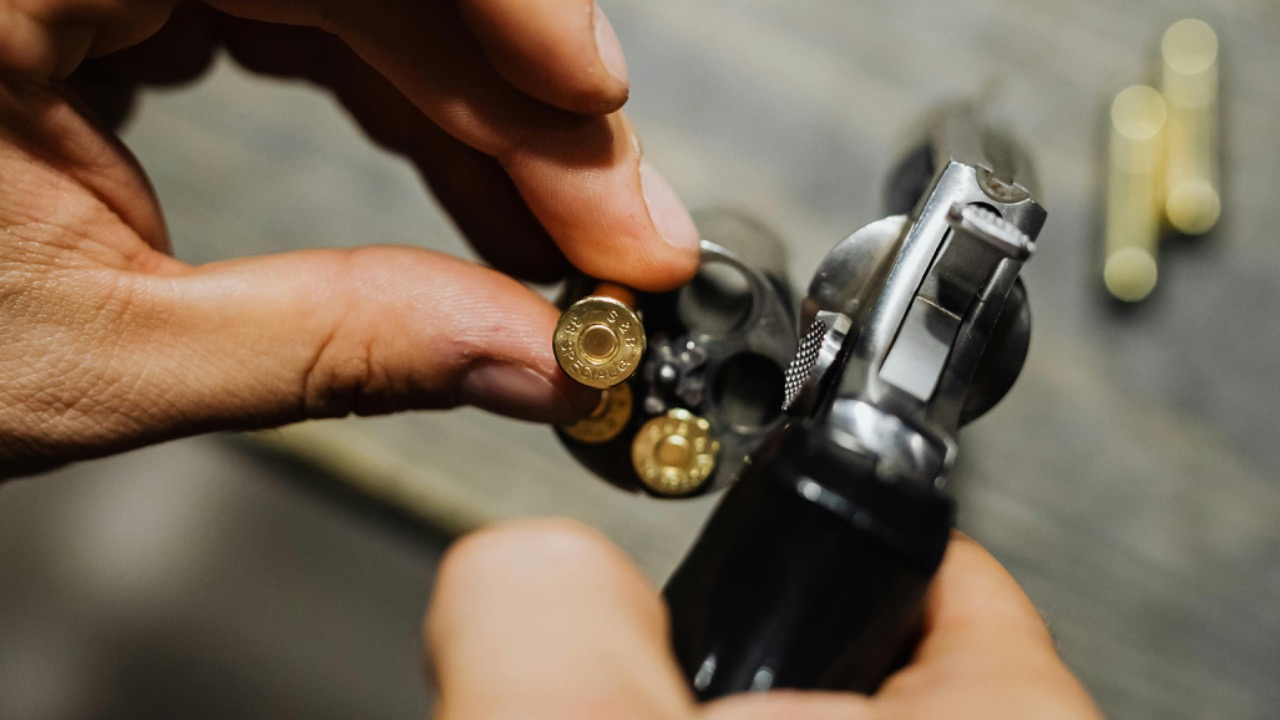
Most first-time buyers hear plenty about the four rules of gun safety, then walk out of the shop with a box of cartridges they barely glance at. That gap matters. If you do not understand what is in the chamber, you can follow every safety rule and still end up with a blown case, a stuck bullet, or a round that behaves very differently than you expect. In my experience, the most responsible shooters are the ones who treat ammunition as part of the safety system, not a consumable accessory.
Basic safety habits like keeping the muzzle in a safe direction and keeping your finger off the trigger are non‑negotiable, but they are only the starting point. New owners also need to know how different ammunition types affect recoil, penetration, and reliability so they do not load something their gun cannot handle or that they cannot control. Training resources that stress “Don’t Get Complacent” on safety make the point that learning the four rules is only the beginning, and that includes understanding how your ammo choice interacts with your firearm and your skill level, especially when you are working with Things Every New Gun Owner Should Know.
“If it fits, it shoots” is a dangerous myth
One of the worst habits I see is people assuming that if a round seems to chamber, it must be safe to fire. That is not how this works. Chambers are cut to specific dimensions and pressure standards, and cartridges that look similar on the bench can behave very differently at ignition. Treating ammo like interchangeable batteries is how people end up with cracked slides, bulged barrels, or worse.
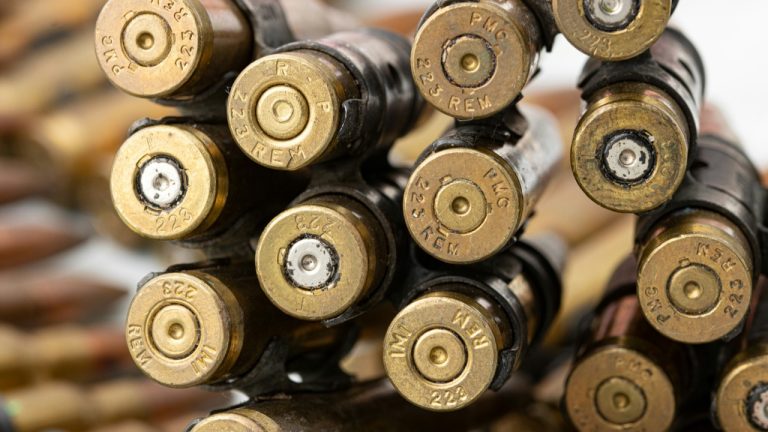
There are plenty of examples where cartridges share a name or dimensions but are not truly interchangeable. A good case is the relationship between 5.56 NATO and commercial .223, where manufacturers explain that, Yes, despite external dimensions being identical, 5.56 NATO ammunition is a higher pressure round than commercial . 223, and that matters for which direction you can safely cross over. Shotguns add another layer, since a 3 inch chamber can usually handle 2 3/4 inch shells but not the other way around, and some manuals spell out that a gun marked for 3 inch shells can also run 2 1/2 inch or 2‑1/2 inch shells, which is why new shooters are urged to read the barrel markings and the owner’s manual before they trust that a shell “that seems to fit” is actually safe in that gun, as explained in guidance on 5 Important Things New Gun Owners Should Know About Ammo.
Caliber labels are more confusing than they look
Caliber markings can be downright misleading, especially when the numbers look the same. New handgun owners often assume “9mm is 9mm” and do not realize that several different cartridges share that label. That confusion is not harmless. For example, . 380 ACP and 9mm Luger are both 9 millimeter class rounds, but they are not interchangeable, and trying to force one into a gun chambered for the other can damage the firearm or leave a bullet stuck in the bore.
Even the industry acknowledges how tangled the naming can get. One common comparison is between 9mm Luger and . 380 ACP, where . 380 ACP (9x17mm, also known as 9mm Browning) is shorter and lower pressure than 9x19mm, which is the standard 9mm Luger used in most service pistols. On the rifle side, resources that walk through “often misunderstood common cartridge terms” point out that Many times, information on interchangeable cartridges can be found in the owner’s manual, and that those manuals are written around SAAMI (Sporting Arms and Ammunition Manufacturer’s Institute) specs, which is why I tell new shooters to match the headstamp on the brass to the exact chamber marking on the barrel and to lean on guides that explain 5 Often Misunderstood Common Cartridge Terms.
Bullet design changes everything, especially for defense
Another big misunderstanding is the idea that all bullets of the same caliber behave the same way on impact. They do not. Full metal jacket rounds are built to feed smoothly and penetrate deeply, which is great for training and some hunting situations but can be a liability in a crowded environment. Hollow points and other expanding designs are engineered to slow down and dump energy in the target, which is why they are usually recommended for personal protection.
When you compare FMJ and JHP side by side, the tradeoffs are clear. FMJ bullets are cheaper and excellent for practice, but they tend to overpenetrate, while JHP bullets are designed to expand, increase stopping power, and reduce the risk of a round exiting the target and hitting something you did not intend, which is why defensive ammo guides emphasize the pros and cons of FMJ vs JHP. Holster and carry experts make the same point from another angle, explaining that in contrast, self-defense ammo often features jacketed hollow point (JHP) bullets designed for maximum stopping power while minimizing overpenetration and reducing potential harm to innocent bystanders, which is why they steer concealed carriers toward purpose built hunting vs self-defense ammo instead of generic range fodder.
“Personal defense” ammo is not just marketing fluff
Plenty of new owners look at the price tag on premium defensive loads and assume it is a gimmick. I hear the same line over and over: “A bullet is a bullet, right?” In reality, the engineering that goes into reliable expansion, consistent penetration, and clean feeding in compact pistols costs money. If you are carrying a handgun to protect your life, it makes sense to feed it ammunition that was built and tested for that job.
Shops that specialize in carry gear often see the confusion firsthand. They point out that if You are relatively new to guns you may be confused by the endless types of ammunition and brands to choose from, and that defensive loads are built with specific powders, primers, and bullet designs that make them more consistent in short barrels and through clothing, which is why they argue that personal defense ammo is worth it and then break down what is special about it for people who are overwhelmed by the options, as explained in guides that answer whether Personal Defense Ammo Is Worth It. I tell new shooters to buy a couple of boxes of their chosen defensive load, run at least one through their carry gun to confirm reliability, and then keep the rest for carry while using cheaper FMJ for most practice.
Ammo myths spread faster than real ballistics
Gun culture is full of half remembered stories and movie logic, and ammo myths are some of the hardest to kill. I have heard people claim that “silencers” make gunfire whisper quiet, that certain calibers will “knock a man off his feet,” or that a particular round is “armor piercing” because it has a colored tip. These stories make for good campfire talk, but they do not match what we know from physics and real world shootings.
Some of these misconceptions are harmless, but others affect how people vote, what they buy, and how they train. Detailed myth busting work has pointed out that some of these misconceptions are deeply ingrained in the public imagination and that they can distort policy debates and personal decisions unless we keep public debates grounded in reality, especially around topics like Myth 1: “Silencers” and other hot button issues, which is why it is worth reading through the Most Common Myths and Misconceptions About Firearms and Ammo. When you strip away the myths and look at real data, you end up making calmer, more informed choices about caliber, barrel length, and whether you really need that threaded muzzle.
Bad ammo and squib loads are more serious than most people think
New shooters tend to blame every malfunction on the gun or on themselves, but ammunition problems are more common than many realize. Light powder charges, contaminated primers, or damaged cases can all create dangerous conditions. The most serious of these is the squib load, where a bullet leaves the case but does not have enough energy to exit the barrel, leaving an obstruction that can turn the next shot into a pipe bomb.
Ammo specialists warn that Both gun misfires and squibs can be highly dangerous for end users, and that a squib load may retain enough energy to push a bullet partway down the barrel but not out, which can likely lead to a catastrophic weapon failure if another round is fired behind it, which is why they stress careful inspection and immediate stoppage when something feels or sounds off, as laid out in guidance on ammunition problems. Glossaries aimed at new gun owners define a Squib, also called a squib round or squib load, as a dangerous condition in which there is insufficient gunpowder in the cartridge or the powder fails to ignite properly, often due to contamination, a bad primer, or other factors, and they urge shooters to stop immediately if they suspect one, as explained in The Gun Owners Glossary. Even legal analyses of gun malfunctions note that a squib load refers to what can happen when a round gets stuck inside the barrel of the gun, sometimes causing it to explode, and that in some cases the fault may be the manufacturer’s, which is why they walk through how a gun malfunction may not be your fault.
Training with your chosen ammo matters as much as buying it
Buying the right cartridge is only half the job. You also need to know how that specific load recoils, where it hits relative to your sights, and how it behaves when you are tired, cold, or under stress. Too many new owners run a box or two of cheap range ammo, declare themselves “good,” and never test the defensive or hunting load they actually plan to rely on.
Instructors who work with new shooters see this pattern all the time. One of the most common mistakes new gun owners make is believing that by merely learning the basics of gun safety and running a few drills they are ready to defend their life with a gun, which is why some trainers use structured exercises like the Stop-and-Go Drill to force people to think about movement, reloads, and malfunctions under pressure, as described in the Stop-and-Go Drill. Other training schools call out Not Understanding Ammunition Types as a core problem, warning that There are wide varieties of different forms of ammunition for different purposes and that if you do not know what you are loading, you cannot handle it safely, which is why they push students to learn the difference between practice, hunting, and defensive loads before they ever step onto the line, as laid out in their list of Common Mistakes Made by New Gun Owners.
Match your ammo to the real job, not the fantasy
The last big misunderstanding I see is people buying ammo for the scenario in their head instead of the one they are actually likely to face. A suburban homeowner with thin drywall and neighbors on both sides does not need the same load as a rancher dealing with feral hogs in heavy brush. A compact 9mm carried in a waistband has different needs than a 9mm carbine used for range fun or competition.
Even the military thinks carefully about this. When The RFI from the U.S. Army described what it wanted in a Sub Compact Weapon, or SCW, it specified that the gun had to fire 9 x 19 mm, otherwise known as 9mm Luger ammunition, because that cartridge balances controllability, capacity, and effectiveness in a small package, which is why the Army’s Sub Compact Weapon RFI spelled it out so clearly. Civilian trainers echo the same logic when they tell new owners to pick ammo that fits their environment, their gun, and their skill level, and to lean on resources that explain why different loads exist in the first place so they do not end up trying to solve every problem with the same cartridge.

Asher was raised in the woods and on the water, and it shows. He’s logged more hours behind a rifle and under a heavy pack than most men twice his age.