Guns That Fail Under Regular Use
Most firearms will run fine if you baby them. Clean them constantly, feed them perfect ammo, and never push them hard. The problem shows up when you start using a gun the way most people actually do. Regular range trips, hunting seasons, and normal carry expose weaknesses fast. Springs wear early. Parts loosen. Tolerances stop cooperating.
These guns weren’t disasters out of the box, but time has a way of revealing what corners were cut. If you shoot often, you’ve probably seen one of these start strong and slowly come apart. This list isn’t about abuse or neglect. It’s about firearms that struggle when “normal use” becomes consistent use.
Remington R51 (Gen 1)
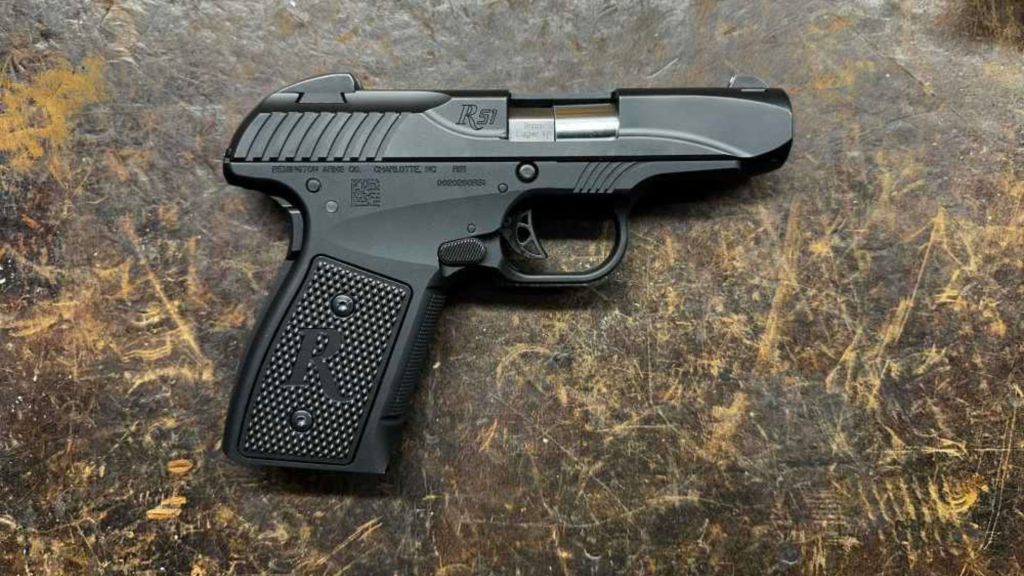
The first-generation Remington R51 looked promising, but regular shooting exposed real mechanical problems. The hesitation-locked system was sensitive to fouling, and many pistols started choking well before high round counts. Failures to feed and return to battery weren’t rare once carbon built up.
Shooters who put steady range time on the R51 noticed parts wear earlier than expected. Recoil springs lost tension quickly, and tolerances stacked against reliability. Even careful maintenance didn’t always fix the issues. Under light use it might limp along, but regular shooting made its shortcomings impossible to ignore.
Kimber Solo
The Kimber Solo arrived with big expectations and tight tolerances. Those tolerances became a liability once the gun saw real use. It was famously picky about ammunition, often requiring specific high-pressure loads to function at all.
Over time, shooters reported increased failures to feed and eject as springs weakened. The compact slide mass didn’t forgive dirt or fouling, and reliability often declined instead of improving with break-in. A few magazines at the range might go fine, but regular shooting sessions showed that the design didn’t age gracefully.
Kel-Tec PMR-30
The PMR-30 offers high capacity and low weight, but extended use reveals why rimfire pistols are tricky. The lightweight construction and polymer-heavy build can flex under heat during longer shooting sessions.
Feed ramp wear, magazine sensitivity, and rimlock issues tend to show up quickly with regular firing. Many shooters find that what works during short outings starts falling apart during sustained use. Keeping it running often becomes a balancing act between ammo selection and cleaning frequency, which gets old fast if you shoot often.
Taurus PT-22
The PT-22 is compact and handy, but frequent shooting exposes durability concerns. The tip-up barrel design simplifies loading, yet internal parts don’t always hold up well under steady use.
Trigger components and springs are common wear points, leading to light strikes or inconsistent ignition. Accuracy can degrade as tolerances loosen, especially in higher round-count guns. While it may function acceptably for occasional use, regular range time tends to accelerate problems rather than smooth them out.
Savage B.MAG
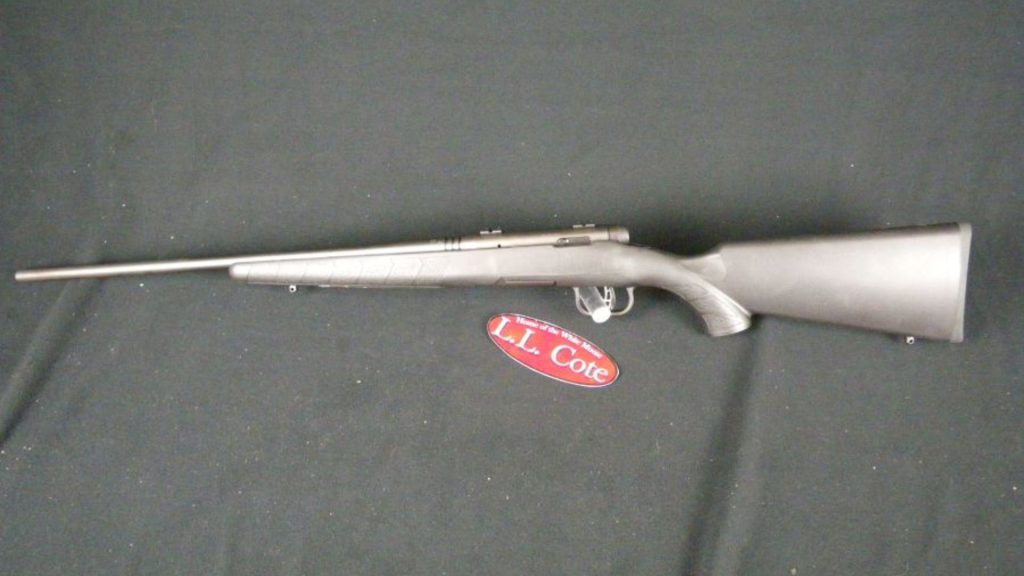
Savage’s B.MAG brought affordable magnum rimfire performance, but many rifles struggled with consistency over time. Early models, in particular, developed feeding issues as magazines wore.
Bolt lift can become rough with use, and accuracy often varies as barrels heat during longer sessions. The lightweight stock doesn’t always maintain bedding integrity under repeated recoil. For shooters who fire a box or two occasionally it may pass, but consistent use tends to expose limitations quickly.
Charter Arms Bulldog
The Bulldog is known for its size-to-caliber ratio, but regular firing stresses the design. Recoil from heavy loads accelerates wear on internal components and lockup surfaces.
Timing issues and end-shake can develop sooner than expected, especially with frequent shooting. Accuracy often suffers as tolerances loosen, and triggers can grow inconsistent. Many owners notice reliability decline rather than stabilize with use, making it a revolver better suited to occasional carry than steady range work.
Mossberg MC2c
The MC2c entered a crowded market, and early production runs revealed durability concerns with extended use. Some shooters reported striker and trigger wear after moderate round counts.
Magazine release components and slide finishes also showed accelerated wear. While many examples run fine initially, sustained training cycles sometimes reveal reliability drops. The pistol often performs best when lightly used, but frequent shooters tend to notice issues sooner than expected.
Rock Island Armory 1911 GI
Rock Island 1911s are affordable and functional, but heavy use can expose soft internal parts. Extractors and sears are common wear points under regular shooting.
As round counts climb, reliability can decline unless parts are upgraded. Tolerances that feel forgiving at first may loosen too much with time. Many shooters find the gun runs acceptably early on, then demands increasing maintenance to stay consistent.
Winchester Wildcat
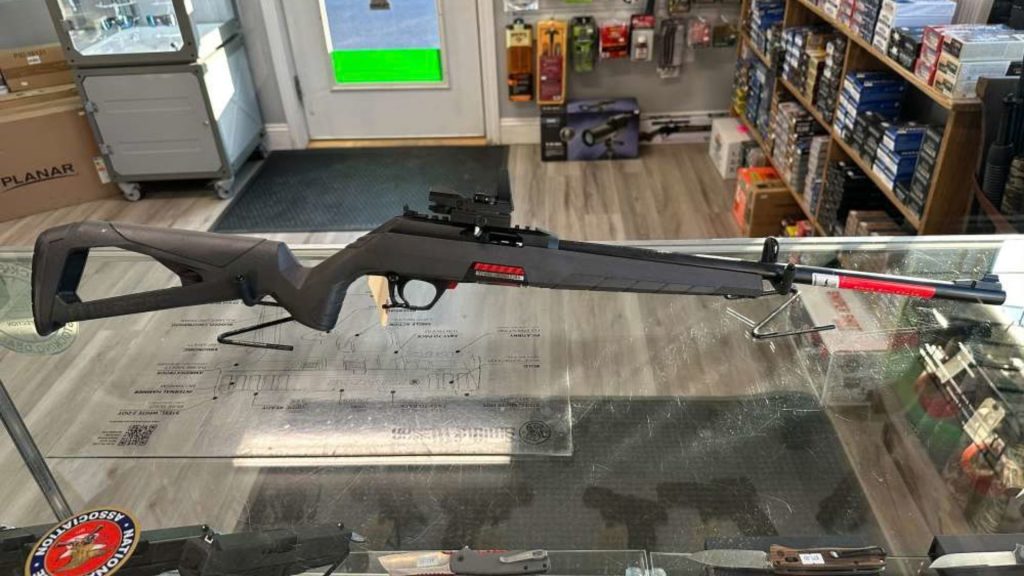
The Wildcat is lightweight and handy, but sustained firing reveals limitations. The polymer receiver and internal components don’t always hold tolerances with heat buildup.
Feeding issues can develop during longer sessions, especially with bulk ammunition. Accuracy may wander as the barrel warms, frustrating shooters who practice regularly. It’s fine for casual plinking, but extended use shows that it wasn’t built for high-volume shooting.
Ruger LCP (Original)
The original LCP was revolutionary for its size, but frequent shooting accelerates wear. The small frame and lightweight slide punish springs and pins over time.
Recoil management degrades as components loosen, and reliability can suffer as the gun ages. Many owners notice increasing malfunctions after steady use. It excels at being carried a lot and shot a little, but regular range time exposes its limits fast.
Henry AR-7 Survival Rifle
The AR-7 fills a niche, but consistent shooting shows where compromises were made. The lightweight construction and simple blowback system don’t love extended firing.
Feed reliability can suffer as magazines wear, and accuracy tends to drop as barrels heat. The takedown system may loosen slightly with use, affecting consistency. It works for emergency roles, but regular range sessions often reveal growing frustrations.
SCCY CPX-2
The CPX-2 is budget-friendly, but sustained use brings mixed results. Heavy trigger pulls contribute to accelerated internal wear over time.
Some shooters experience increased failures to extract or inconsistent ignition after moderate round counts. While SCCY backs their products, frequent shooters often notice performance slipping instead of improving. It can work under light use, but steady training exposes its weaknesses.
Marlin Model 60 (Later Production)
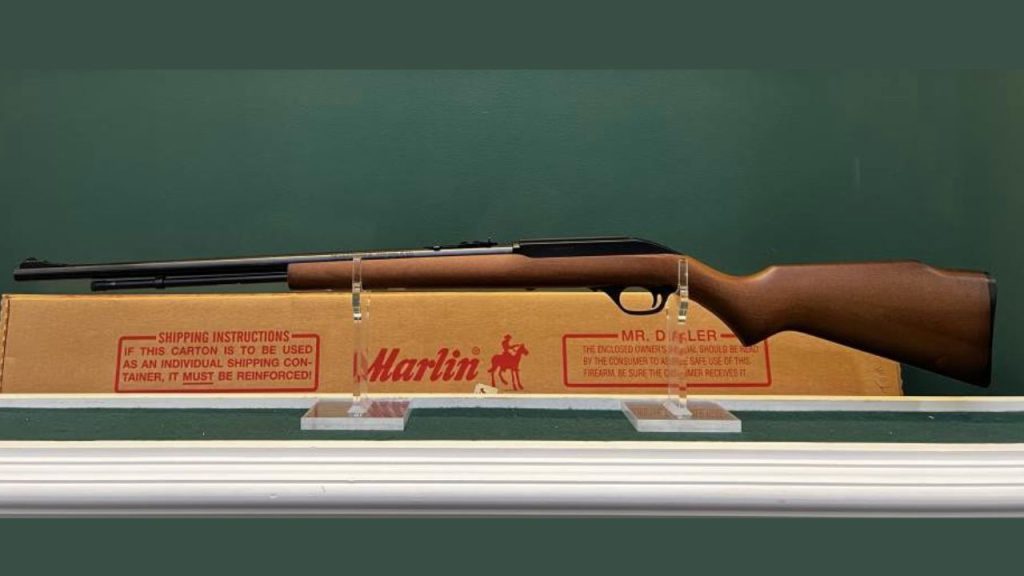
Later-production Model 60 rifles didn’t always match the durability of earlier versions. Regular use revealed feeding and extraction issues tied to magazine tube wear.
As components loosen, reliability can become inconsistent, especially with varied ammo. Accuracy may fluctuate as the action wears. It remains a classic design, but consistent shooting shows that quality varied in later years.
Diamondback DB9
The DB9’s thin profile makes it appealing, but extended shooting reveals its limits. The lightweight slide and stiff recoil system don’t tolerate high round counts well.
Failures to feed and cracked frames have been reported in heavily used examples. The gun often performs best when minimally shot. Regular range use tends to accelerate wear instead of smoothing it out, leaving shooters frustrated.

Leo’s been tracking game and tuning gear since he could stand upright. He’s sharp, driven, and knows how to keep things running when conditions turn.