5 Hunting guns that don’t wear out quickly
Hunters who spend real time in the field learn fast that some rifles keep running season after season while others loosen up, lose zero, or quit when the weather turns ugly. The guns below have hard-earned reputations for shrugging off round counts, rough handling, and bad conditions, while still putting meat in the freezer long after lesser rifles are worn out.
1. Remington Model 700
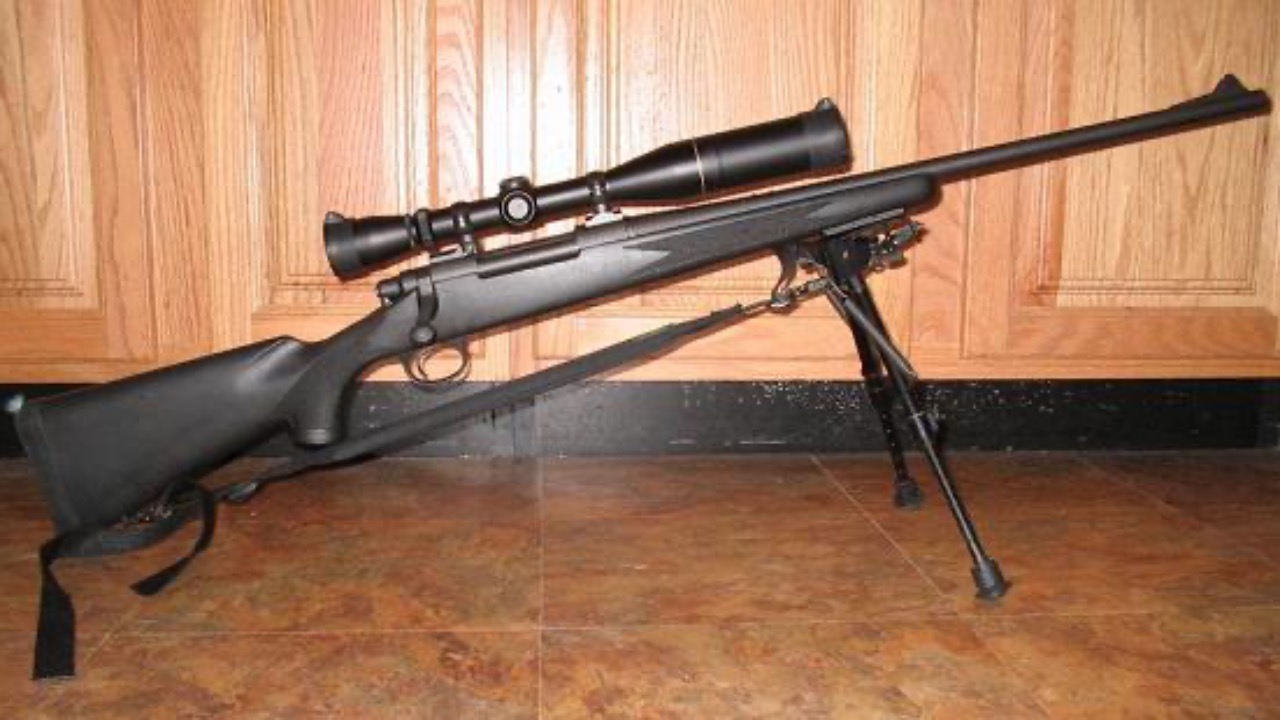
The Remington Model 700 has been around since 1962, and it earned its place in deer camps because it holds up when most rifles would be shot loose. The action’s “three rings of steel” around the cartridge head, described in detail in The Remington Model, lock everything in place and keep pressure where it belongs. A separate review of the Model 700 platform notes that it “has proven itself over decades of hard use without significant barrel or action degradation,” which is exactly what long-term hunters need.
Modern versions keep that durability while adding features that help the rifle age even better. One write-up on a compact hunting variant explains how a cold-hammer-forged, fluted, 20-inch barrel was added to the 700 to cut weight and improve handling without giving up barrel life, naming it a 2020 rifle of the year for that reason. Company specs describe the legendary strength of the 3-rings-of-steel receiver “now paired with a 5R barrel on every 700,” with the factory calling it “Bearing the most popular bolt-action rifle in history” in its own Model 700 overview. A separate profile on The Remington Model 700 points out how the same basic action serves hunters, target shooters, and law enforcement, which tells me the design is built to survive far more abuse than a typical whitetail season dishes out.
2. Winchester Model 70
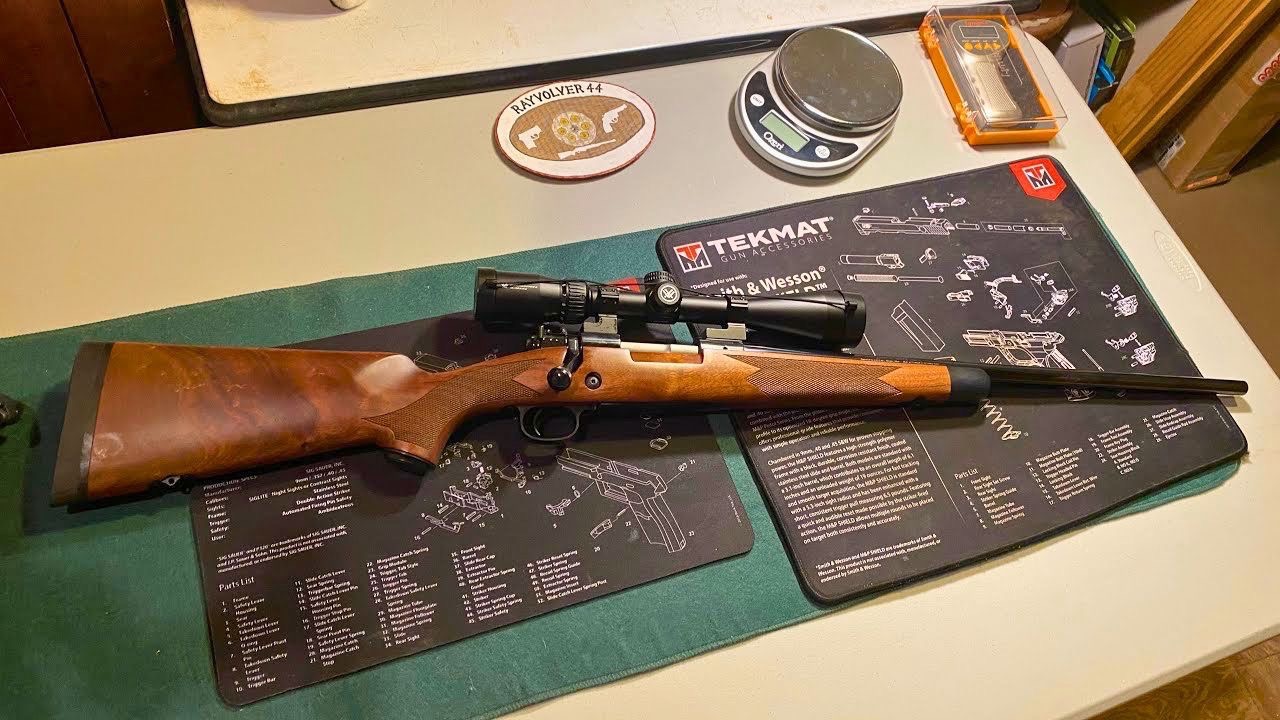
The Winchester Model 70, first produced in 1936, is the rifle many of us grew up hearing about from older hunters. Its controlled-round-feed action, especially in the pre-64 pattern, guides each cartridge from magazine to chamber without letting it rattle around, which cuts down on chipped case rims and feeding damage over time. A hammer-forged barrel helps the bore resist erosion from repeated firing, and field reports describe “legendary toughness, with many examples lasting over 50 years and 10,000+ rounds with minimal maintenance,” which is a serious lifespan for a working hunting rifle.
Comparisons between the Model 70 and newer designs still treat it as the durability benchmark. One head-to-head evaluation of The Ruger M77 Hawkeye and the Winchester Model 70 notes that the Hawkeye “measures up to the legendary pre-64 Winchester Model 70,” which says a lot about how high that bar is. Even owners trading notes on older push-feed versions, like one discussion of a mid-1980s Winchester Model 70, talk about how well they still shoot decades later. For hunters who want a rifle they can hand down, that kind of track record matters more than any new feature.
3. Ruger M77
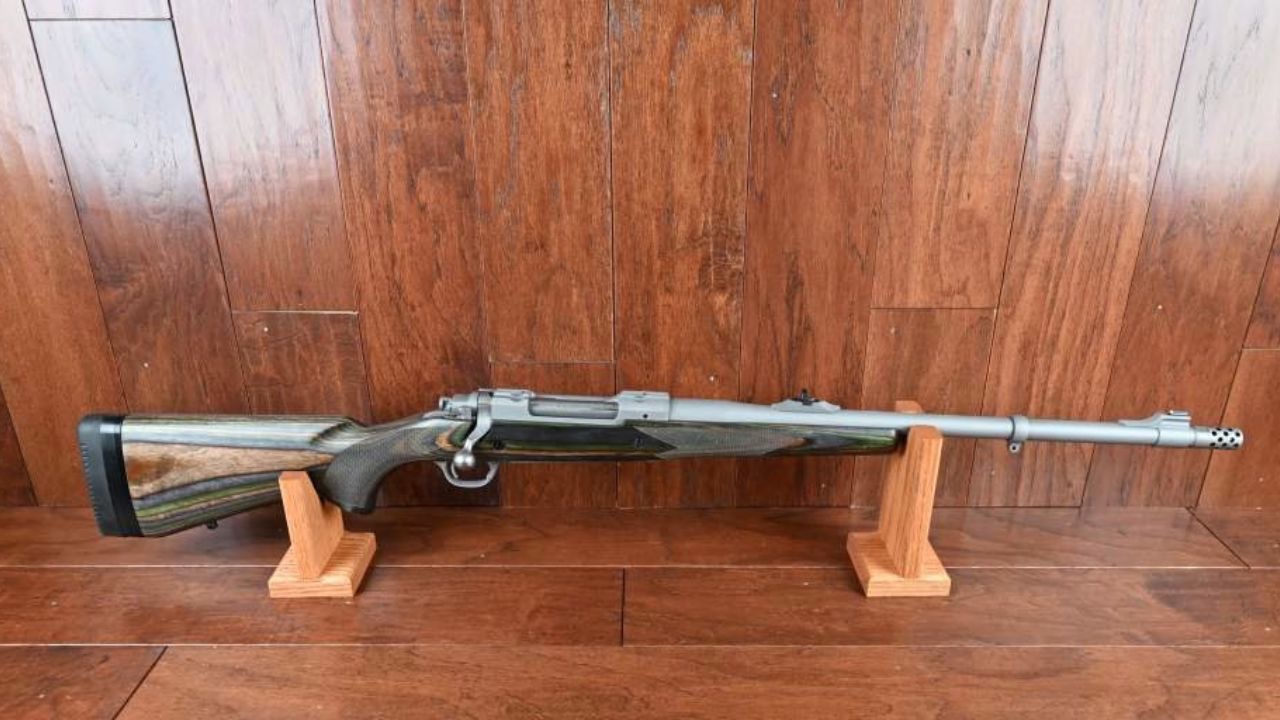
The Ruger M77, introduced in 1968 and refined into the Hawkeye line, was built from the start as a hard-use hunting rifle. Its integral scope mounts are machined into the receiver, so there are fewer screws to loosen and less chance of a base shifting after a rough ride in a truck or scabbard. The cold hammer-forged barrel is designed for longevity, and a detailed field test of the M77 Hawkeye reported that it “exhibits negligible wear after 5,000 rounds of high-velocity hunting loads in varied conditions,” which is a punishing schedule for any big-game rifle.
Durability comparisons often put the M77 Hawkeye right alongside the pre-64 Model 70, which is high praise in any camp. One evaluation flatly states that The Ruger M77 Hawkeye not only measures up to the legendary Winchester Model 70, in some areas it surpasses it, especially in how the action and mounts hold up over time. For hunters who want a rifle they can zero once and trust through years of recoil and weather, that kind of stability means fewer missed opportunities and less money spent chasing shifting impacts.
4. Savage Axis II
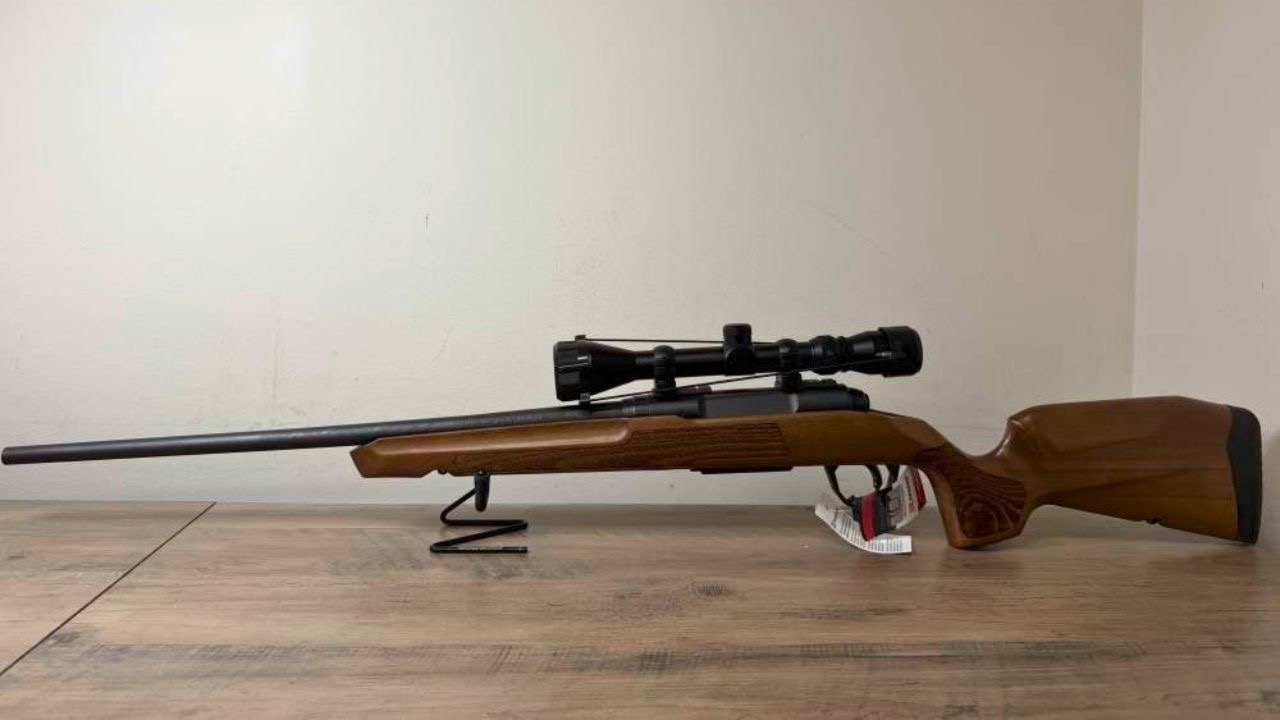
The Savage Axis II is a newer design, introduced in 2012, but it has already built a reputation as a budget rifle that refuses to quit. The carbon steel barrel and updated AccuTrigger system are at the heart of that staying power. An in-depth review notes that the Axis II is a version of the Axis that comes with the much better trigger and improved optics, explaining that “Since, Savage Axis II, Axis, Accutrigger and” related upgrades arrived, accuracy and reliability have stepped up. Another long-term report on the Axis II platform describes “sustained accuracy and function after extensive big-game hunts totaling over 3,000 shots without part replacement,” which is impressive for a rifle in this price bracket.
That kind of round count, paired with real hunting use instead of just bench work, tells me the design is not fragile. The adjustable AccuTrigger lets shooters keep a clean break without resorting to aftermarket parts, which reduces the temptation to tinker and potentially shorten service life. A separate hands-on write-up of the rifle, titled Savage Axis II Review, points out that the improved trigger and better scope package make it easier for new hunters to shoot well without beating up the rifle with constant disassembly. For families or new hunters who want one gun to cover deer, hogs, and coyotes, that durability at a lower cost is a big deal.
5. Tikka T3x
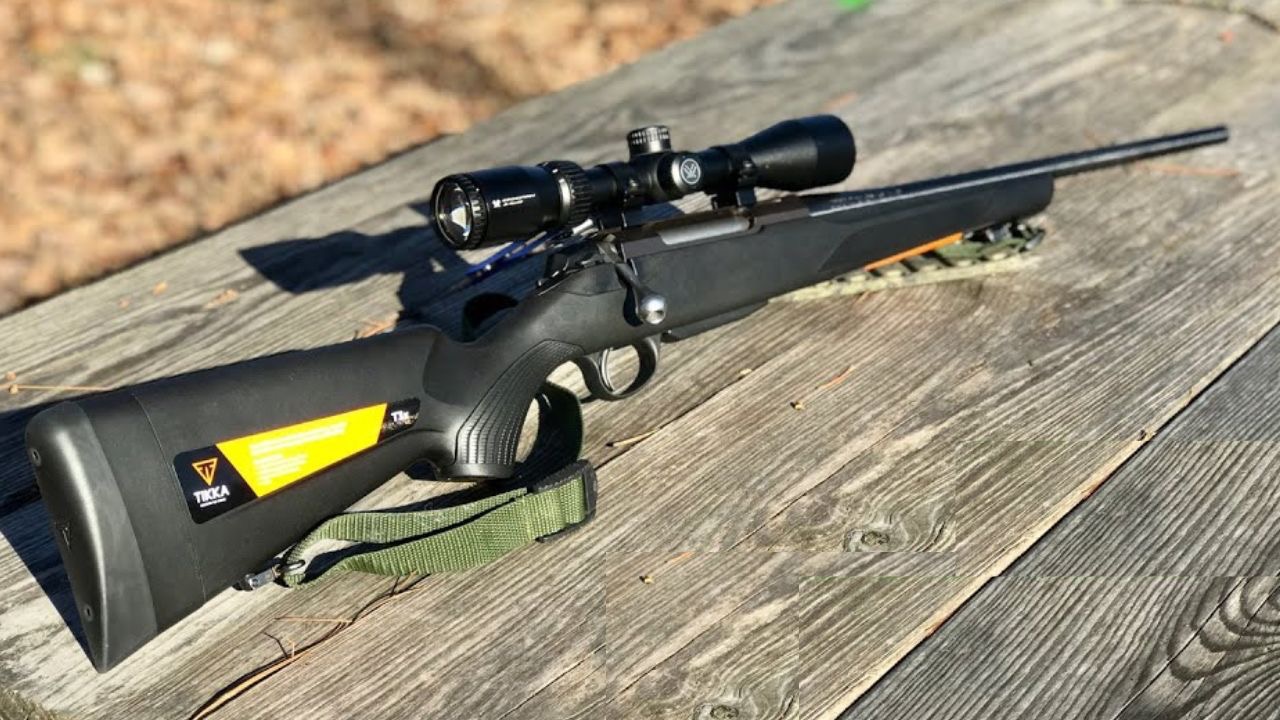
The Tikka T3x, released in 2016 by Sako, has quietly become a favorite among hunters who shoot a lot and expect their rifles to keep tight groups. Its steel receiver and hammer-forged barrel are paired with a modular stock system that lets shooters swap grips and forends without stressing the action. A detailed durability assessment reports that the T3x “maintains sub-MOA precision through 7,000+ rounds, far outlasting competitors in corrosive environments,” which is the kind of data that matters if you hunt in coastal salt air or wet northern timber.
That same assessment highlights how the T3x’s smooth bolt and consistent feeding help parts wear evenly instead of battering lugs and rails. For hunters who practice all summer, then drag a rifle through rain, snow, and mud, knowing a gun can hold sub-MOA accuracy past 7,000 rounds means fewer worries about a wandering zero. It also means the cost of the rifle is spread over a lot more seasons, which is worth considering when you are choosing between a cheaper gun that might loosen up early and a T3x that is built for the long haul.

Asher was raised in the woods and on the water, and it shows. He’s logged more hours behind a rifle and under a heavy pack than most men twice his age.