Rifles That Lose Accuracy Quickly
Every rifle will open up when it gets hot or dirty, but some give up far sooner than they should. You notice it when your first couple shots stack tight, then things start drifting for no clear reason. The scope hasn’t moved. Your fundamentals are solid. The rifle simply can’t hold together once conditions change even a little.
That loss of consistency matters in the field and at the range. When a rifle sheds accuracy fast, it chips away at confidence and forces you to slow down or stop altogether. These are rifles that often shoot well at first, then fade as barrels heat, actions loosen, or tolerances show their limits.
Remington 783
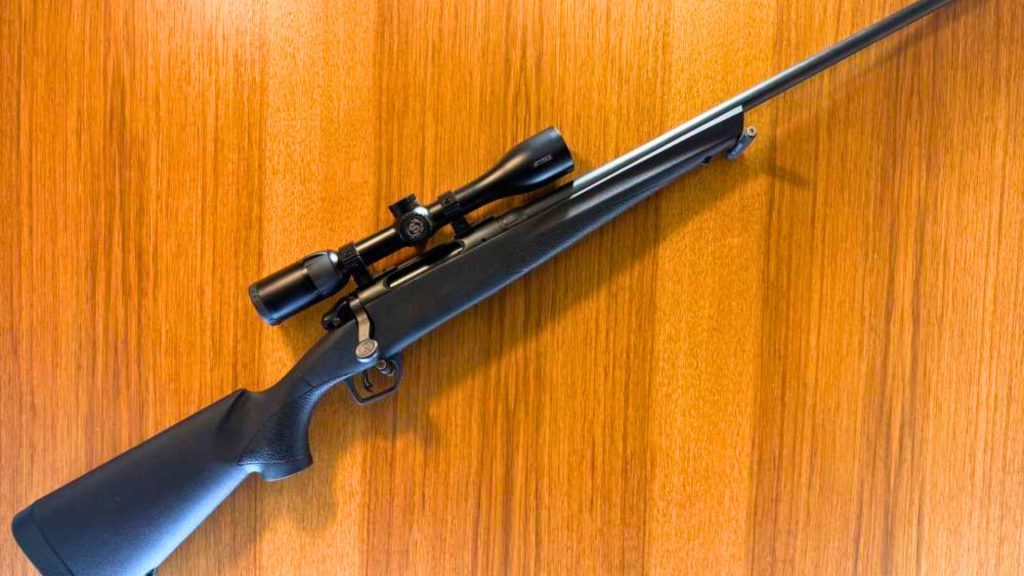
The Remington 783 often surprises shooters with decent first-shot accuracy, but it doesn’t take much shooting for groups to open. The thin factory barrel heats quickly, and once it does, point of impact can wander more than expected. You’ll see it after a short string, especially during zeroing or load testing.
The stock also plays a role. Flex near the forend can introduce pressure as the barrel warms, which doesn’t help consistency. Even with careful shooting, you’re left waiting for the rifle to cool before accuracy settles again. It’s serviceable for slow hunting shots, but extended sessions expose its limits fast.
Savage Axis
The Savage Axis earns attention for affordability, not staying power. Early groups can look promising, but sustained shooting shows how quickly accuracy slips. The lightweight barrel warms up fast, and heat buildup causes noticeable spread after only a few rounds.
The factory stock doesn’t help matters. Flex under recoil and positional changes can shift how the action sits, especially when shooting off rests. You’re often chasing zero during longer range days, even though nothing appears mechanically wrong. It’s a rifle that works best when fired sparingly, because it struggles to hold tight groups once the pace picks up.
Ruger American Ranch
The Ruger American Ranch is handy and compact, but accuracy tends to fade quickly when pushed. Short barrels heat faster, and the lightweight profile doesn’t dissipate that heat well. After a few shots, groups often start stringing vertically.
The bedding system is functional but basic, and combined with the flexible stock, it can lead to inconsistent harmonics. You’ll notice this most when shooting from bags or bipods. It’s fine for quick field shots, but extended practice sessions make it clear the rifle prefers slow, deliberate use rather than volume shooting.
Mossberg Patriot
The Mossberg Patriot can shoot surprisingly well right out of the gate, but it struggles to maintain that precision. Thin barrels warm quickly, and once they do, groups open without much warning. The shift can be subtle at first, then obvious after a few more rounds.
Stock fit and bedding also play a part. Inconsistent contact between the action and stock can exaggerate accuracy loss as the rifle heats. You may find yourself stopping often to let things cool, which breaks rhythm. It’s capable of accuracy, but it doesn’t hold onto it for very long.
Winchester XPR

The Winchester XPR often delivers tight initial groups, which builds confidence fast. That confidence can fade during longer strings, as barrel heat starts to influence point of impact. The lightweight barrel profile doesn’t offer much forgiveness once temperatures rise.
The polymer stock keeps weight down, but it lacks stiffness. As the rifle heats and recoil repeats, consistency suffers. You’ll see shots drift even when fundamentals stay clean. For hunters who fire one or two rounds a season, it works. For anyone practicing regularly, the accuracy drop-off shows up early.
Thompson/Center Compass
The T/C Compass is another rifle that shoots well early, then struggles to maintain that performance. Barrel heating happens quickly, and once it does, groups often spread unpredictably. It’s especially noticeable during sight-in sessions.
The stock contributes to the problem. Flex around the forend and action can change pressure points as temperatures rise. That inconsistency makes it difficult to trust follow-up shots. You’re not imagining things when accuracy falls off—it’s a known limitation. Slow shooting helps, but the rifle doesn’t reward higher round counts.
Howa 1500 Lightweight
The Howa 1500 Lightweight trims ounces where it can, and accuracy pays the price once heat builds. The slim barrel profile warms quickly, and harmonics change noticeably after a few rounds.
While the action itself is solid, the lightweight stock doesn’t provide the stability needed for sustained accuracy. Shooting off bags or prone highlights the issue fast. Groups that started tight begin to stretch without explanation. It’s a good mountain rifle, but one that asks you to respect its limits when it comes to round count.
Browning AB3
The Browning AB3 often feels good behind the trigger and shoots well at first. Problems show up as barrels heat and stocks flex. Accuracy loss isn’t dramatic at first, but it’s consistent enough to notice.
The thin barrel doesn’t handle sustained fire well, and the factory bedding doesn’t help maintain consistency. Even careful shooters see group sizes grow during range sessions. It’s reliable for hunting shots, but it’s not built for extended practice without cooldown periods. The accuracy fade is gradual, but real.
CVA Cascade
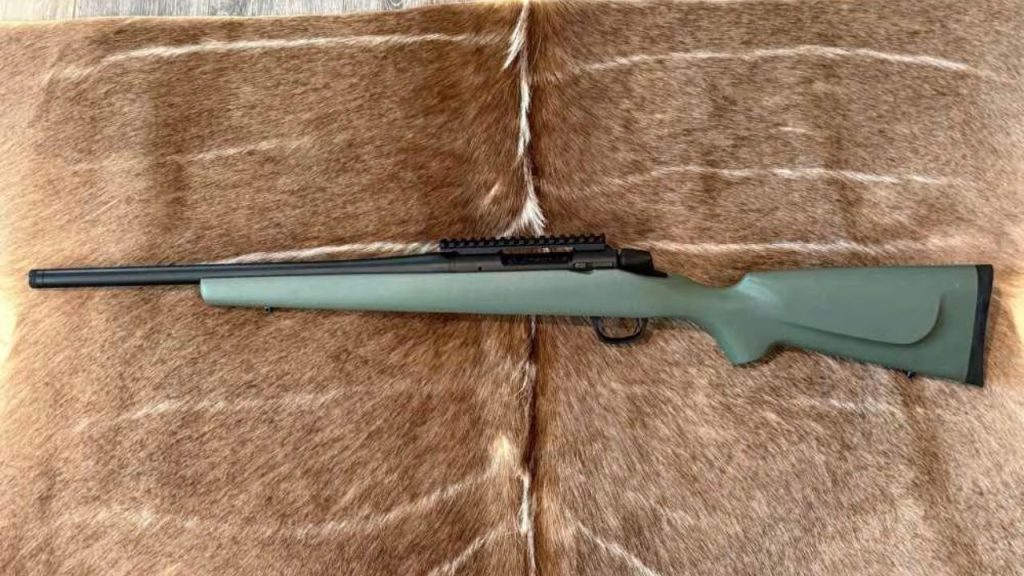
The CVA Cascade gained attention for accuracy out of the box, but it struggles to keep that accuracy during longer strings. The barrel profile heats quickly, and groups often open after a few shots.
The stock is comfortable, but flexibility near the forend can introduce pressure as the barrel warms. That combination leads to shifting point of impact. You may chase adjustments that don’t need to be made. It’s capable of precision, but it demands patience and cooldowns to stay there.
Weatherby Vanguard Synthetic
The Weatherby Vanguard Synthetic can shoot well, but the stock and barrel combination limits how long it holds accuracy. As the barrel heats, consistency drops, especially during extended shooting sessions.
The injection-molded stock lacks rigidity, which affects repeatability once recoil and heat accumulate. Groups slowly grow even when your shooting stays steady. The action is capable, but the supporting components hold it back. It’s dependable for hunting, but range sessions reveal how quickly precision can fade.
Marlin X7
The Marlin X7 earned praise for its trigger, but accuracy retention isn’t its strong suit. Thin barrels heat fast, and groups open noticeably once that happens.
Stock rigidity is also an issue. As temperatures rise, subtle pressure changes affect barrel harmonics. You’ll see stringing appear even with careful shooting. It’s not that the rifle can’t shoot—it’s that it can’t keep shooting accurately without breaks. That limitation becomes obvious during any extended practice.
Savage Model 11 Lightweight Hunter
The Savage Model 11 Lightweight Hunter is easy to carry, but accuracy fades faster than many expect. The barrel profile heats quickly, and once warm, point of impact starts to shift.
The lightweight stock amplifies the issue. Flex and inconsistent bedding introduce variables that show up after only a few shots. It’s excellent for cold-bore accuracy, but it doesn’t reward volume shooting. You learn quickly that this rifle prefers patience and spacing shots out rather than pushing through drills.

Leo’s been tracking game and tuning gear since he could stand upright. He’s sharp, driven, and knows how to keep things running when conditions turn.