Fifteen calibers that perform well past 100 yards
Past 100 yards is where rifle cartridges start to separate themselves. Wind, drop, and retained energy all matter more, and some calibers handle that stretch far better than others. I will walk through fifteen proven performers that stay reliable well beyond 100 yards, explain why they work, and give practical context on how hunters and shooters actually use them once the range opens up.
1. .22 Long Rifle
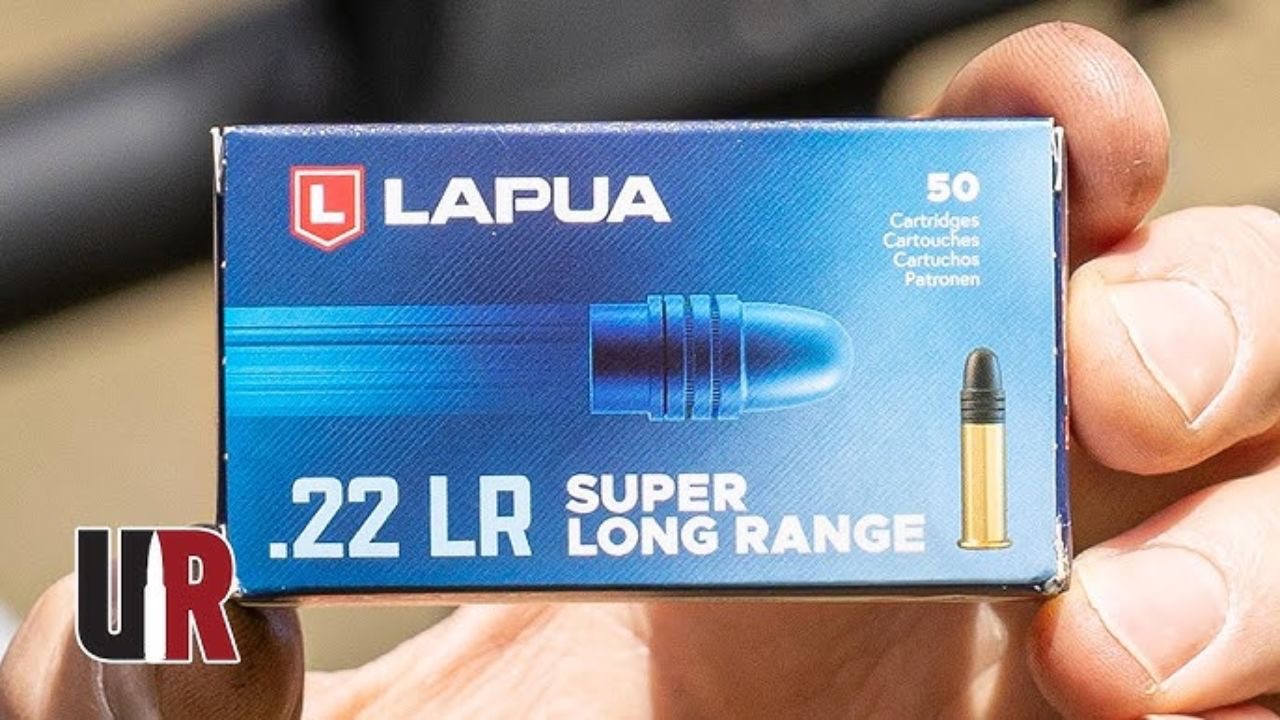
The .22 Long Rifle is not a classic long-range round, but with the right setup it can be surprisingly capable past 100 yards. Standard high-velocity loads leave the muzzle around 1,200 to 1,300 feet per second and go subsonic somewhere between 50 and 100 yards, which means by 150 yards you are dealing with significant drop and wind drift. That forces a shooter to pay attention to fundamentals, read mirage, and track impacts carefully, which is why many precision shooters use .22 LR trainers to practice for centerfire matches.
Out past 100 yards, the .22 LR is mostly a small-game and steel-target tool, not a big-game option. On prairie dogs or ground squirrels, a 40-grain hollowpoint still carries enough punch at 125 to 150 yards if you place it well and understand your trajectory. Rimfire competitions like NRL22 and similar club matches often stretch targets to 200 or even 300 yards, proving that the cartridge can be accurate if the rifle, ammo, and shooter are up to it. The stakes are low cost and low recoil, which let you shoot more and learn faster.
2. .17 HMR
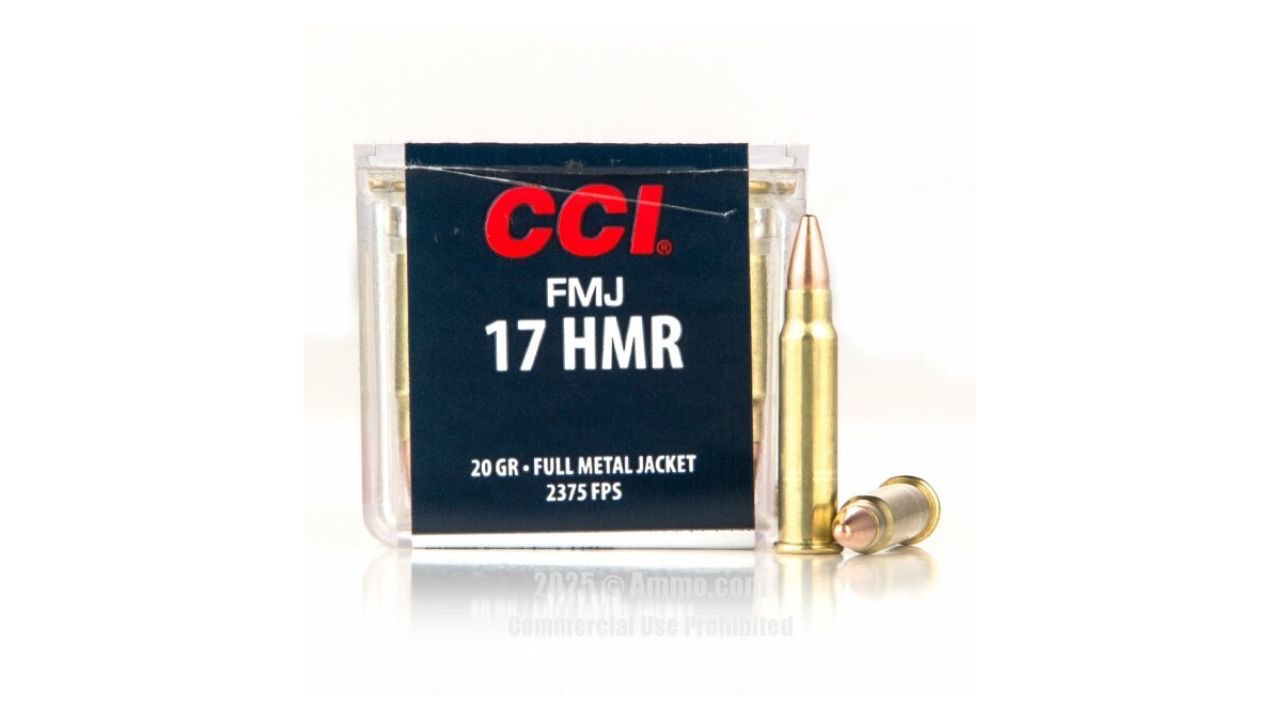
The .17 HMR was built to extend rimfire performance, and it really comes into its own beyond 100 yards. Typical 17-grain V-Max style bullets leave the muzzle around 2,500 feet per second, which is roughly double the speed of standard .22 LR. That higher velocity and sleeker bullet profile flatten the trajectory and cut wind drift, so a 150-yard shot on a prairie dog or crow feels much more manageable. Many varmint hunters treat 150 yards as routine with this round and will confidently stretch to 200 when conditions are calm.
Accuracy is the other reason the .17 HMR earns a place on any list of calibers that work past 100 yards. Quality bolt-action rifles in this chambering often produce sub-MOA groups with factory ammunition, which is impressive for a rimfire. The light bullets do shed energy quickly, so it is a small-game and varmint cartridge only, but that limitation keeps it in its lane. For landowners dealing with pests around barns or hayfields, the combination of low recoil, modest noise, and reliable precision at 150 yards makes the .17 HMR a very practical tool.
3. .22 WMR (.22 Magnum)
The .22 WMR, or .22 Magnum, bridges the gap between traditional rimfire and light centerfire rounds, and it holds its own well past 100 yards. Typical 40-grain loads run around 1,900 to 2,000 feet per second, which gives you a flatter trajectory and more retained energy than .22 LR. At 150 yards, the .22 Magnum still carries enough punch for foxes, raccoons, and similar-sized varmints when bullets are placed in the vitals. Many hunters who patrol farm edges or timbered draws like the way it balances reach and manageable report.
In terms of accuracy, modern .22 WMR rifles and ammunition have improved a lot compared with older setups. It is common to see 1.5 MOA performance with good factory ammo, which is more than adequate for small-game work at 150 yards. The cartridge does not match the .17 HMR for wind resistance, but it hits harder with heavier bullets and performs better on slightly larger critters. For trappers, night hunters, and rural homeowners, the .22 Magnum’s ability to stay effective past 100 yards without jumping to full centerfire recoil is a meaningful advantage.
4. .204 Ruger
The .204 Ruger is a true high-velocity varmint round that shines once you get beyond 100 yards. Typical factory loads push 32- to 40-grain bullets at 3,800 to 4,000 feet per second, which produces a very flat trajectory out to 300 yards and beyond. Those light, fast bullets also carry a relatively high ballistic coefficient for their weight, so they buck the wind better than you might expect. On prairie dog towns, coyote stands, and open fields, that combination lets shooters hold dead-on or with minimal correction at ranges where slower rimfires have already run out of steam.
Recoil is another big selling point for the .204 Ruger. Even in light sporter rifles, the kick is mild enough that many shooters can spot their own impacts through the scope, which speeds up follow-up shots and helps you learn from every trigger press. The cartridge is widely regarded as fur-friendly on coyotes when paired with the right bullet, since the small, fast projectiles often fragment without large exits. For hunters who want a centerfire that performs like a laser past 100 yards but does not beat them up, the .204 Ruger is a very strong option.
5. .223 Remington / 5.56 NATO
The .223 Remington and its 5.56 NATO cousin are among the most common centerfire rifle cartridges in North America, and they are very capable past 100 yards. With 55-grain bullets at roughly 3,200 feet per second, the trajectory stays flat enough that a 200-yard zero only puts you a couple inches high at 100 and a few inches low at 250. Heavier 69- to 77-grain match bullets with higher ballistic coefficients stretch that performance even further, making 400- to 600-yard hits on steel or paper very realistic in the hands of a practiced shooter.
On the hunting side, .223 Remington has become a go-to for coyotes, hogs, and even deer where legal, especially with bonded or monolithic bullets that hold together. The mild recoil helps new shooters build confidence and lets experienced shooters run fast follow-ups. In AR-15 platforms and bolt guns alike, the cartridge’s accuracy potential is well documented, with many rifles capable of sub-MOA groups using quality ammunition. For anyone who wants a versatile round that handles everything from training to predator control and target work beyond 100 yards, .223 is hard to ignore.
6. .22-250 Remington
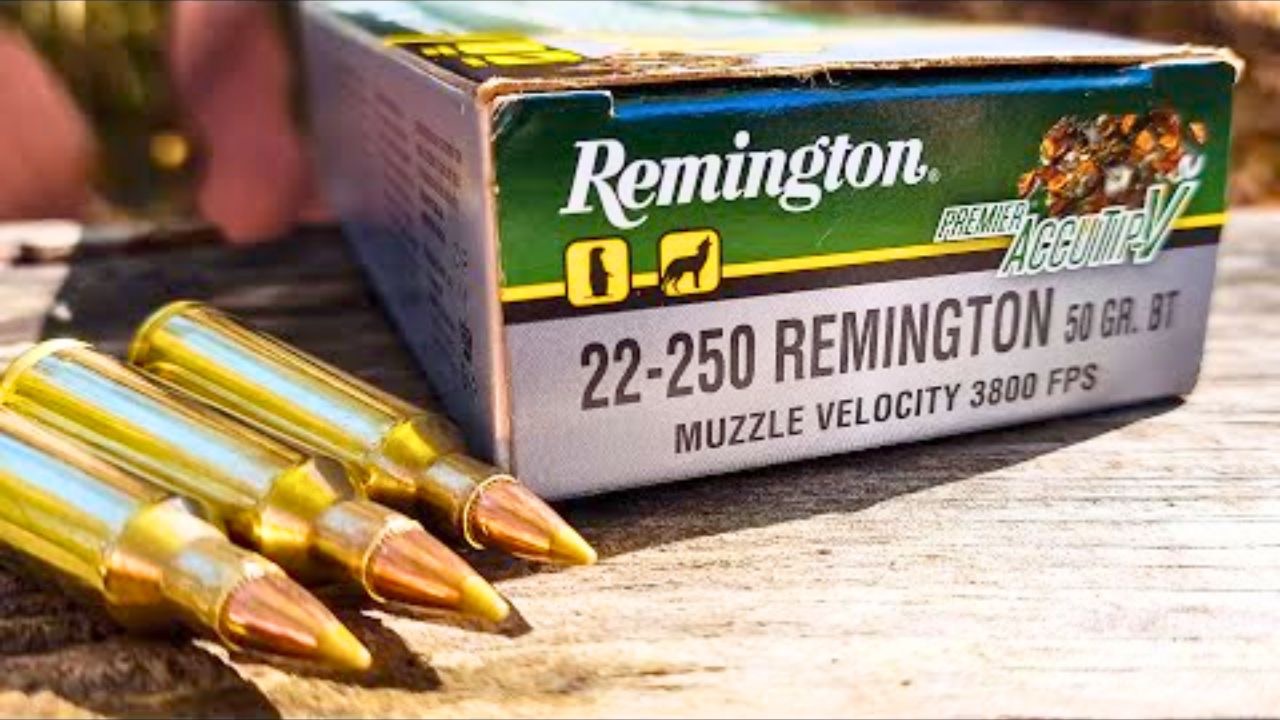
The .22-250 Remington has a long reputation as a flat-shooting varmint hammer, and its strengths really show once you get past 100 yards. Typical 50- to 55-grain bullets leave the muzzle at 3,700 to 3,900 feet per second, which means that with a 200-yard zero, you are barely a couple inches low at 250 and still manageable at 300. That kind of trajectory makes it easier to connect on small targets like prairie dogs or groundhogs when you do not have time to dial turrets or consult a dope card.
Beyond trajectory, the .22-250 carries more energy than lighter .22 centerfires, which matters on coyotes and similar predators at 300 yards and beyond. Many hunters appreciate how decisively it anchors song dogs when paired with controlled-expansion or varmint bullets. The tradeoff is increased barrel wear and louder muzzle blast, but for shooters who prioritize reach and terminal performance, those are acceptable costs. In open country where shots can stretch, the .22-250’s combination of speed, accuracy, and authority makes it a standout performer past 100 yards.
7. .243 Winchester
The .243 Winchester is one of the most versatile light-recoiling centerfire cartridges, and it is extremely capable beyond 100 yards. With 90- to 100-grain hunting bullets at around 2,950 to 3,000 feet per second, it offers a flat trajectory and enough energy for deer-sized game well past 300 yards when shots are placed correctly. Lighter 55- to 75-grain varmint bullets can be pushed even faster, turning the .243 into a dual-purpose rifle that handles both predators and big game with a simple ammo change.
Accuracy is a major reason the .243 has stayed popular for decades. Many factory rifles in this chambering will shoot sub-MOA groups with the right load, and the mild recoil makes it easier for shooters of all sizes to maintain good form. That combination has made it a favorite for youth hunters and experienced marksmen alike. In open fields, cutovers, and western foothills, the .243’s ability to stay flat and hit hard beyond 100 yards gives hunters a lot of confidence when a buck or pronghorn steps out at the far edge of a clearing.
8. 6mm Creedmoor
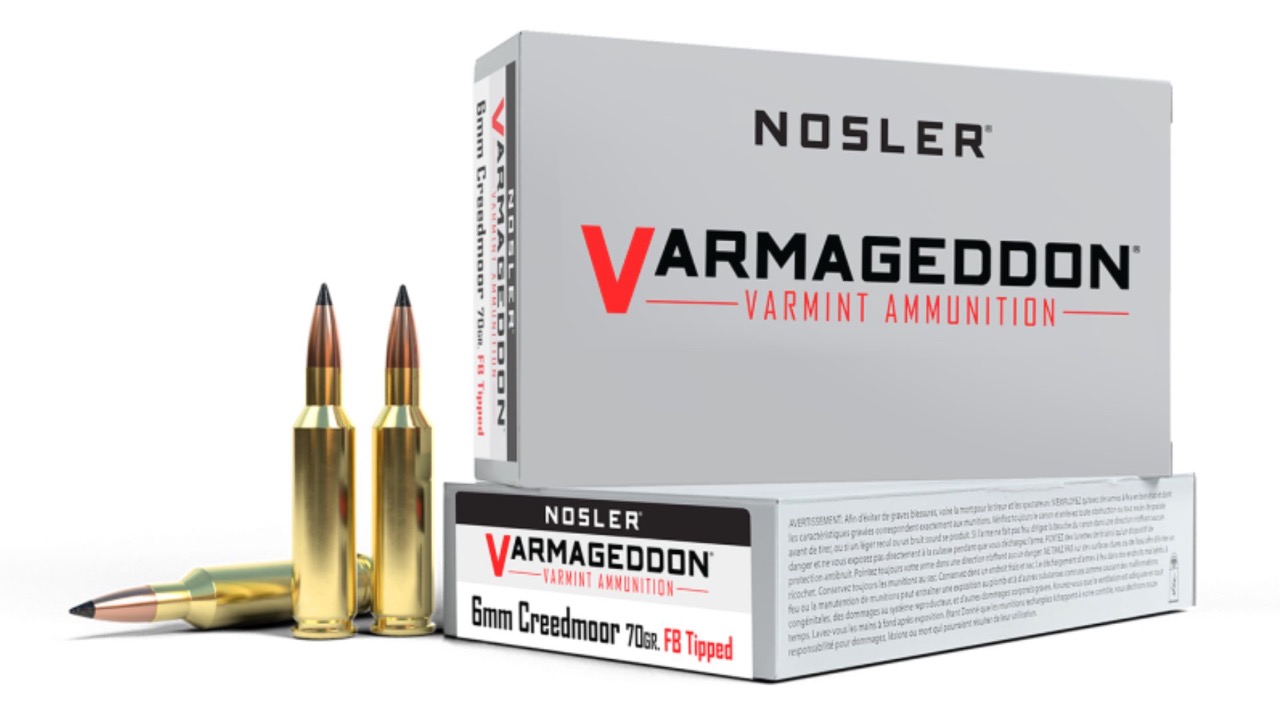
The 6mm Creedmoor was designed with long-range precision in mind, and it performs exceptionally well past 100 yards. It typically launches 105- to 115-grain high-BC bullets at around 2,950 to 3,050 feet per second, which gives it excellent wind resistance and a very manageable trajectory out to 1,000 yards. Competitive shooters have gravitated toward this cartridge because it offers a sweet spot of low recoil, high accuracy, and consistent performance with modern long, sleek bullets that stay stable in flight.
For hunters, the 6mm Creedmoor brings that same precision into the field. On deer and pronghorn, well-constructed bullets in the 95- to 108-grain range deliver reliable penetration and controlled expansion at typical western hunting distances. The light recoil helps shooters spot their own hits and maintain composure on longer shots, which can be a real advantage when you are working off a pack or shooting from a hillside. In practical terms, anyone who wants a modern 6mm that excels beyond 100 yards for both targets and game will find a lot to like here.
9. 6mm ARC
The 6mm ARC (Advanced Rifle Cartridge) was built to stretch the performance of AR-15 platforms, and it does solid work past 100 yards. It fires 103- to 108-grain bullets with high ballistic coefficients at roughly 2,750 to 2,800 feet per second from a 24-inch barrel, which gives it better long-range ballistics than traditional 5.56 NATO in the same rifle footprint. That means less wind drift and more retained energy at 400 to 800 yards, which matters for both practical competition and field shooting.
In hunting roles, the 6mm ARC has proven effective on deer-sized game when paired with controlled-expansion bullets. Its mild recoil and efficient case design make it comfortable to shoot in lightweight rifles, which is appealing for backcountry hunters who count ounces. The cartridge also feeds well from standard AR magazines with only minor capacity changes, so shooters can upgrade performance without switching platforms. For anyone who wants 6mm Creedmoor-like external ballistics in a smaller package that still performs well beyond 100 yards, the 6mm ARC is a compelling choice.
10. 6.5 Grendel
The 6.5 Grendel was one of the first cartridges to show how far you could push long-range performance in an AR-15, and it remains a strong performer beyond 100 yards. It typically sends 120- to 130-grain bullets with good ballistic coefficients at around 2,400 to 2,600 feet per second, which gives it a flatter trajectory and better wind resistance than 5.56 NATO at extended ranges. Out at 400 to 600 yards, the Grendel still carries meaningful energy for steel targets and medium game when bullets are placed correctly.
Hunters appreciate the 6.5 Grendel because it hits above its weight on deer and hogs, especially from compact rifles and carbines. The recoil is mild, similar to or slightly more than .223, which makes it easy to shoot accurately from field positions. In bolt guns and ARs alike, the cartridge has a reputation for solid accuracy with quality ammunition. For shooters who want a cartridge that keeps an AR-15 relevant well past 100 yards for both hunting and target work, the 6.5 Grendel remains a very practical option.
11. 6.5 Creedmoor
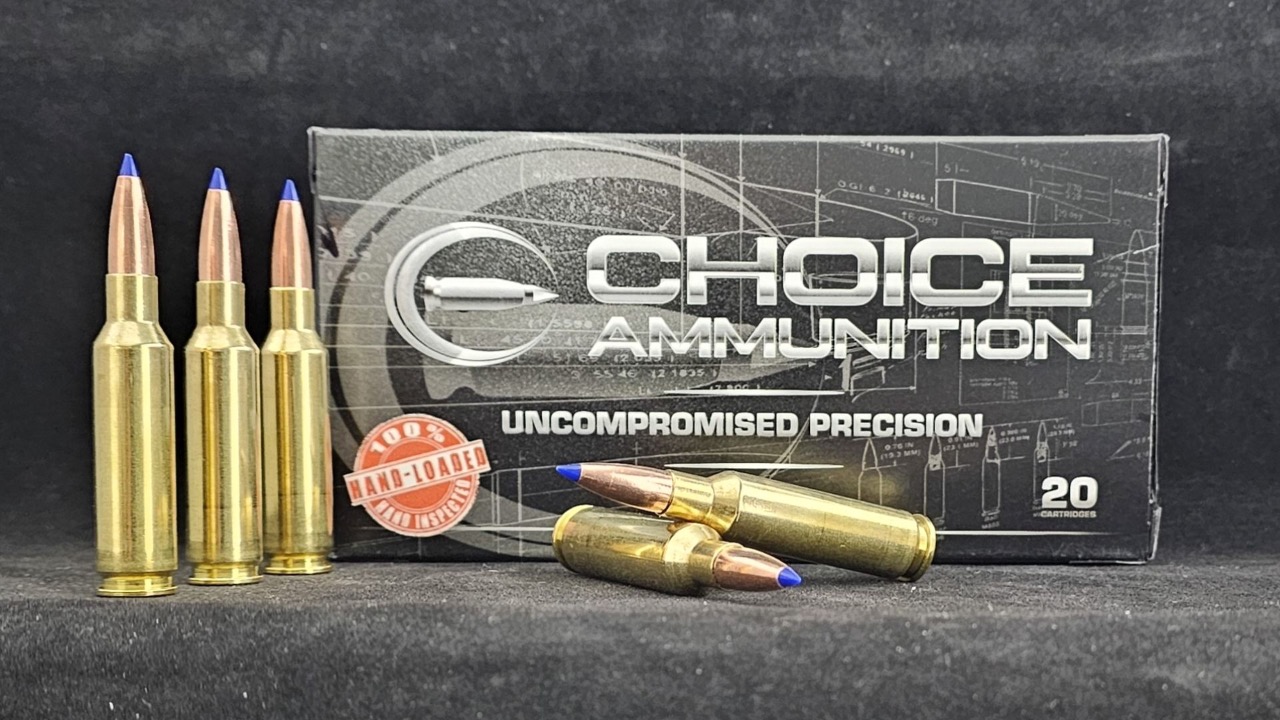
The 6.5 Creedmoor has become almost synonymous with modern long-range shooting, and its performance past 100 yards is the reason why. Standard factory loads push 120- to 143-grain bullets with high ballistic coefficients at 2,700 to 2,800 feet per second, which translates into excellent wind resistance and a forgiving trajectory out to 1,000 yards. That combination has made it a staple in precision rifle competitions, where consistent hits on small targets at extended distances are the whole game.
In the hunting world, the 6.5 Creedmoor has proven itself on deer, antelope, and even elk when paired with well-constructed bullets and used within reasonable distances. The recoil is noticeably lighter than traditional .30-caliber hunting rounds, which helps shooters maintain good form and spot impacts. Many factory rifles chambered in 6.5 Creedmoor deliver sub-MOA accuracy right out of the box, lowering the barrier to entry for new long-range shooters. For anyone looking for a cartridge that stays predictable and effective far beyond 100 yards, it is hard to argue against the Creedmoor’s track record.
12. .260 Remington
The .260 Remington predates the 6.5 Creedmoor and offers very similar ballistics, which means it also performs extremely well past 100 yards. It uses the same 6.5mm bullets, typically in the 120- to 140-grain range, and can push them at comparable velocities from a .308 Winchester-length case. That gives it excellent wind resistance and a flat trajectory suitable for both long-range target shooting and western big-game hunting. Many shooters who adopted the .260 early still rely on it for matches and mountain hunts.
One of the .260 Remington’s strengths is its compatibility with short-action rifles that were originally built around .308 Winchester. Rebarreling or buying a factory .260 gives you a softer-shooting, flatter-shooting option without changing the overall rifle footprint. In the field, it has earned a solid reputation on deer, pronghorn, and elk when paired with appropriate bullets and used within ethical distances. While it may not be as trendy as the 6.5 Creedmoor, its real-world performance beyond 100 yards is every bit as capable.
13. 6.5 PRC
The 6.5 PRC (Precision Rifle Cartridge) takes the 6.5mm concept and adds more horsepower, which pays off once you get well past 100 yards. Typical loads send 140- to 147-grain bullets at 2,900 to 3,000 feet per second, giving you a flatter trajectory and more retained energy than 6.5 Creedmoor. That extra speed helps in the wind and extends the effective range on steel and big game, which is why the cartridge has gained traction among western hunters and long-range shooters who want a bit more reach.
Of course, the added performance comes with more recoil, but it is still manageable in a well-designed rifle with a brake or suppressor. In the field, the 6.5 PRC has become a favorite for elk, mule deer, and mountain hunts where shots can stretch across basins or open ridges. The high-BC bullets it uses hold velocity well, which keeps impacts consistent even as distance grows. For shooters who like the 6.5 Creedmoor’s characteristics but want more authority beyond 400 yards, the 6.5 PRC is a logical step up.
14. 7mm-08 Remington
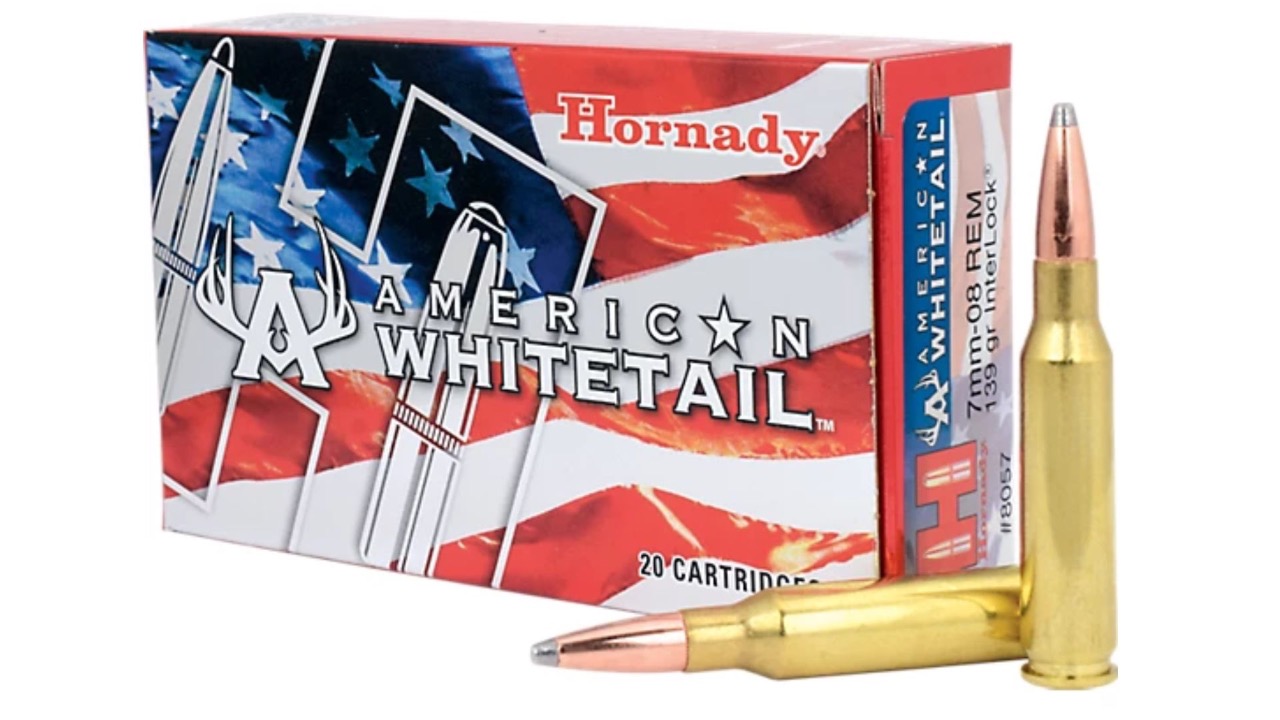
The 7mm-08 Remington is a mild-mannered cartridge that punches above its weight once you get beyond 100 yards. It is essentially a .308 Winchester necked down to 7mm, which allows it to use sleek 120- to 150-grain bullets with good ballistic coefficients at moderate velocities. Typical hunting loads run around 2,800 feet per second with 140-grain bullets, giving you a flat enough trajectory and solid wind performance for shots out to 400 yards and beyond on deer-sized game.
Recoil is one of the 7mm-08’s biggest advantages. It kicks less than .308 Winchester while offering similar or better downrange performance, which makes it a great choice for smaller-framed shooters or anyone who values comfort behind the gun. In the field, it has earned a reputation as a reliable deer and elk cartridge when paired with controlled-expansion bullets. For hunters who want a practical, efficient round that stays effective well past 100 yards without beating them up, the 7mm-08 is hard to overlook.
15. 7mm Remington Magnum
The 7mm Remington Magnum has been a classic long-range hunting cartridge for decades, and its strengths really show once you get beyond 100 yards. It typically pushes 150- to 175-grain bullets at 2,900 to 3,100 feet per second, which gives it a very flat trajectory and excellent wind resistance. Those heavier 7mm bullets carry high ballistic coefficients, so they hold velocity and energy well, making the cartridge a strong choice for open-country hunts where shots can stretch across canyons or wide basins.
On game, the 7mm Rem Mag has a long track record on elk, moose, and large deer when paired with quality bullets and used within ethical distances. The recoil is noticeable but manageable for most shooters in a properly set-up rifle, especially with a brake or suppressor. Many factory rifles in this chambering deliver good accuracy, and handloaders can fine-tune performance even further. For hunters who want a cartridge that hits hard and stays predictable far beyond 100 yards, the 7mm Remington Magnum remains a proven workhorse.

Asher was raised in the woods and on the water, and it shows. He’s logged more hours behind a rifle and under a heavy pack than most men twice his age.