Equipment choices that matter most in late-season hunts
Late-season hunts are some of the toughest. The weather is harsher, daylight is short, and game is smart and cautious. Your equipment choices can make the difference between a successful hunt and hours spent in the cold with little to show. Comfort, durability, and versatility are critical. From rifles and optics to clothing and pack systems, each piece of gear needs to perform under stress. Choosing wisely reduces fatigue, keeps you quiet, and helps you make the shot when the opportunity finally comes. Here are the key equipment choices that matter most when the season is winding down.
Weather-Resistant Outerwear
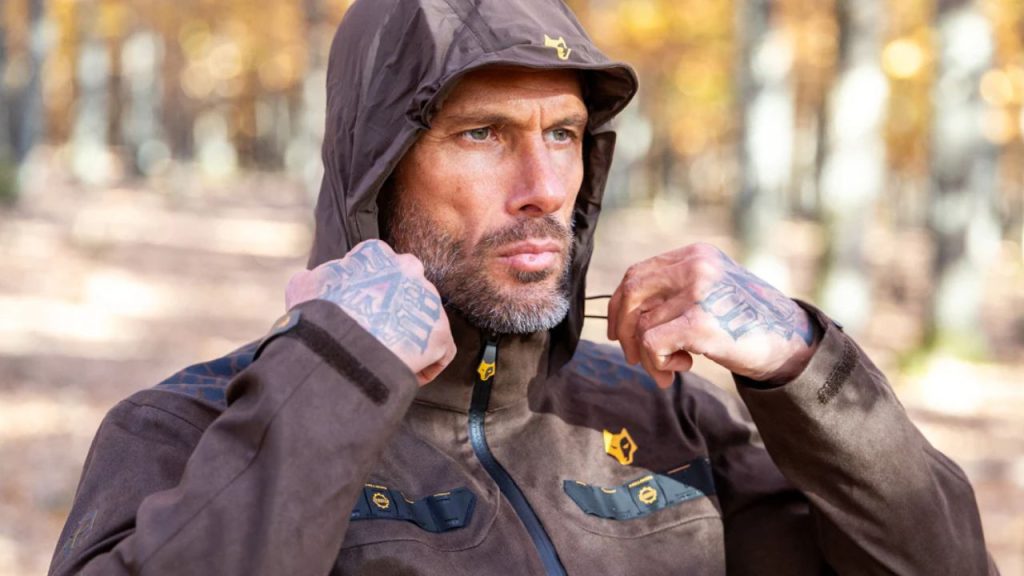
Late-season conditions can change in an instant. Waterproof, breathable jackets and pants keep you dry during snow, sleet, or unexpected rain. Wet clothing chills you quickly, which can sap energy and focus.
Layering is critical. You need insulated layers that maintain warmth without restricting movement, paired with a shell that blocks wind and moisture. Materials like Gore-Tex or similar fabrics perform well in wet, windy conditions. A well-fitted jacket and pants combo can keep you comfortable for hours, allowing you to stay still in a stand or move quietly through deep snow. The right outerwear is more than comfort—it’s about maintaining stamina and sharpness in harsh conditions.
Cold-Weather Gloves
Gloves are more than hand protection—they preserve dexterity in freezing conditions. Thin liners under insulated gloves let you manipulate triggers, bow releases, or calls without exposing skin.
High-quality gloves resist moisture and wind while remaining flexible. Some designs feature removable liners or touch-sensitive fingertips for use with electronic devices or scopes. You’ll notice the difference when trying to make a precise shot after hours in sub-freezing temperatures. Cheap or bulky gloves can reduce accuracy and increase fatigue, turning what should be a controlled, steady hunt into a struggle against the cold. Investing in reliable cold-weather gloves pays off in both performance and comfort.
Insulated Boots
Late-season hunts often mean snow, ice, and wet terrain. Insulated, waterproof boots keep feet warm and dry, preventing frostbite and maintaining mobility.
Traction is equally important—rubber soles with aggressive treads or added spikes prevent slips on ice or compacted snow. Consider a boot with removable liners for drying between hunts. Feet are your foundation in the field; if they’re cold or wet, your entire hunt suffers. Proper boots reduce fatigue and allow you to move quietly, stalk effectively, and stay in the woods longer without compromising safety or comfort.
Binoculars with Wide Field of View
Glass clarity and field of view become crucial as deer and elk push deeper into cover in late season. Binoculars with a wide view let you scan quickly without losing details.
Weather-sealed optics prevent fogging and moisture from interfering with sight lines. Close-focus capability is valuable for spotting movement in brushy areas. In late-season hunts, animals are cautious and the light is often low. Clear, reliable binoculars help you spot subtle movements, identify bucks or bulls efficiently, and plan stalks or stand placement without spooking game. A good pair of binoculars can be the difference between an unnoticed herd and a clean shot opportunity.
Rifles with Reliable Cold-Weather Performance
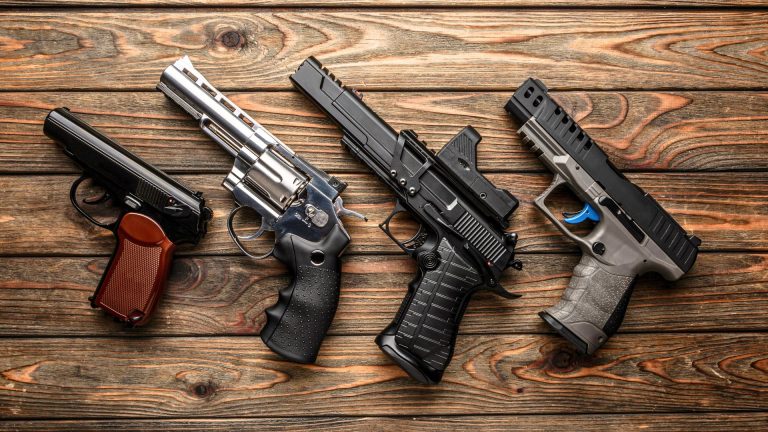
Cold temperatures challenge feeding, cycling, and function on some rifles. Rifles like the Howa 1500 or Tikka T3x are known for smooth operation even in freezing conditions.
Chambered in common hunting calibers and paired with a solid scope, these rifles maintain accuracy and reliability without finicky triggers or jams. Cold weather can make metal contracts, lubricants thicken, and some rifles sluggish—but carefully chosen rifles keep consistent performance. Paired with proper optics and mounts rated for low temperatures, a dependable cold-weather rifle allows you to take the shot without second-guessing your equipment in harsh conditions.
Optics with Low-Light Capability
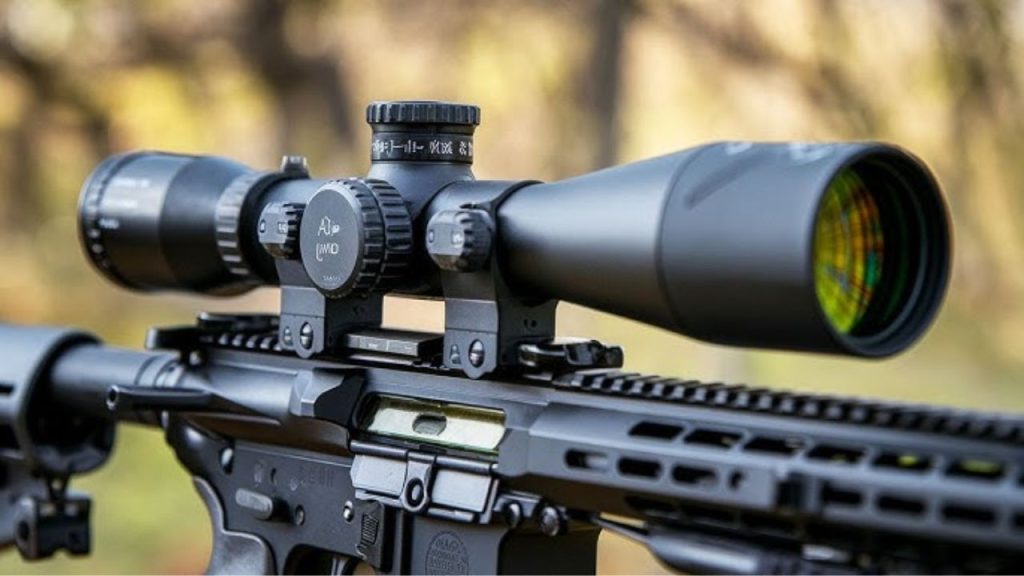
Shorter daylight hours mean you’re often hunting at dawn or dusk. Scopes with fast lenses, large exit pupils, and quality coatings provide brighter images in low-light conditions.
Red-dot or illuminated reticle scopes on rifles or crossbows enhance target acquisition when contrast is low. A scope that struggles in twilight reduces shot confidence and increases the chance of a miss. Late-season hunts demand optics that maximize what little light is available, helping you track movement, judge distance, and stay accurate when animals are most active during fading light.
Backpack with Easy Access
Carrying gear efficiently matters more than ever when snow is deep and wind is cutting. A pack with quick-access compartments for calls, binoculars, or snacks keeps you ready without unpacking everything.
Compression straps and load distribution reduce fatigue over long treks in cold terrain. Water-resistant fabrics and padded straps help comfort during extended hikes. Late-season hunts often require moving quietly and quickly between locations. A well-designed pack allows you to carry all essentials without slowing down or creating unnecessary noise. Organized gear also helps in fast reaction moments when game appears unexpectedly.
Hand Warmers
Chemical or battery-powered hand warmers maintain dexterity during long sits. Cold fingers reduce your ability to manipulate triggers, calls, or gear.
Integrated pockets or glove inserts let you keep heat close to your hands without interfering with movement. Using hand warmers strategically allows you to stay alert and maintain fine motor control for hours in freezing conditions. They’re small, inexpensive, and often overlooked, but during a late-season sit, they prevent minor discomfort from becoming a hunt-ending distraction.
Camouflage Adapted to Bare Terrain
Late-season woods often have less foliage, exposing hunters. Patterns that mimic leafless trees, brown grasses, and light snow patches reduce visibility.
Material also matters—matte fabrics that don’t rustle and allow quiet movement are preferable. Blending with the environment improves your chances of approaching deer, elk, or other game at closer ranges. Even the best scent control fails if you’re highly visible. Adapting camouflage to seasonal conditions keeps you unnoticed, allowing for stalks or ambushes without alerting wary animals.
Sturdy Treestands or Packsaddle Support
If you hunt from a stand, stability and quiet setup are crucial. Late-season winds can exacerbate movement. Treestands with solid platforms and quiet straps help reduce detection.
For ground hunters, supportive packs or frames allow you to navigate snow and uneven terrain while keeping your rifle or bow accessible. Fatigue can reduce shot accuracy, so equipment that supports your body and your gear reduces strain and keeps you ready. Reliable stands or pack support contributes directly to comfort, patience, and ultimately, the success of your hunt.
Reliable Scent Control
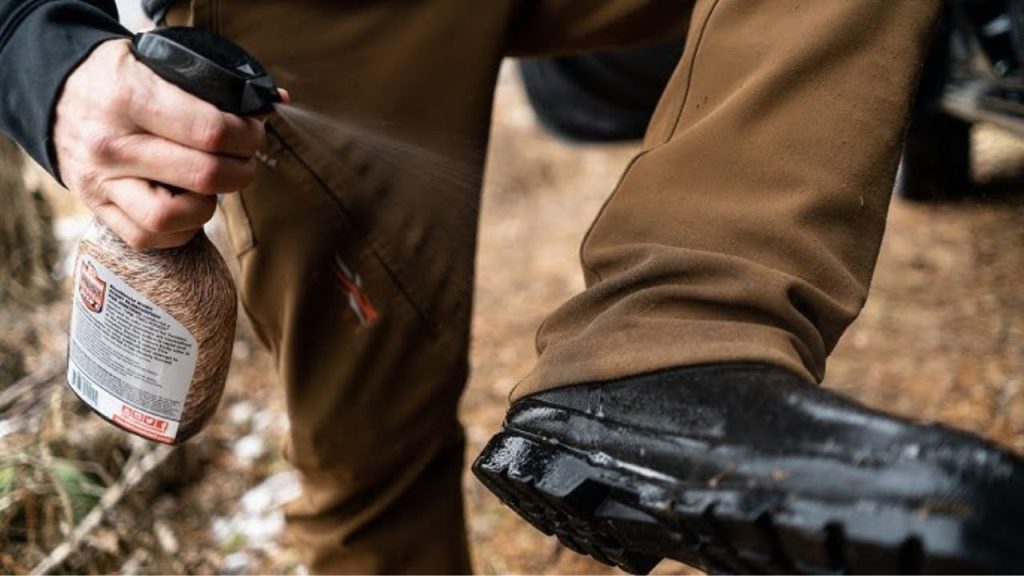
Late-season deer have heightened senses, and scent can carry further in cold, dry air. Clothing treated with odor-reducing technology helps reduce detection.
Sprays, soaps, and storage methods also keep human scent contained. While not a guarantee, maintaining low odor improves the odds of approaching cautious game. Even experienced hunters with good techniques can be thwarted by poor scent control, making it an essential part of late-season preparation.
Portable Rangefinder
Judging distance is harder in snow or low-light conditions. A compact rangefinder helps determine exact shooting distance, especially when terrain and vegetation create optical illusions.
Reliable, durable models with anti-fog coatings function in cold and damp conditions. Accurate range estimation increases confidence and improves shot placement, reducing chances of wounding game. Even seasoned shooters benefit from confirming distances in variable late-season conditions, ensuring ethical shots and better harvest outcomes.
Extra Ammo and Field Tools
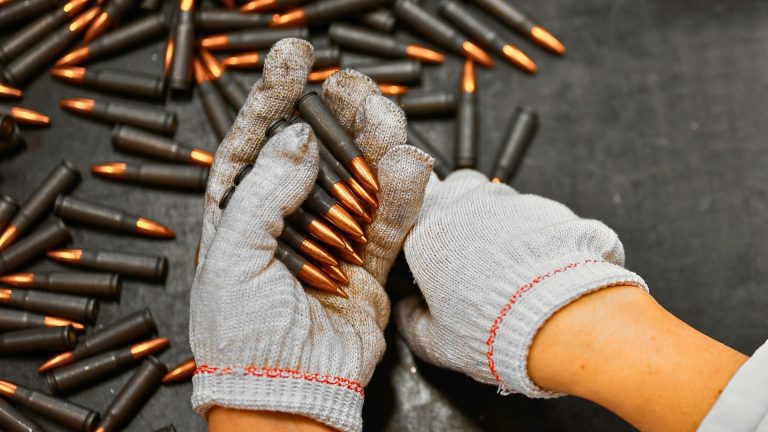
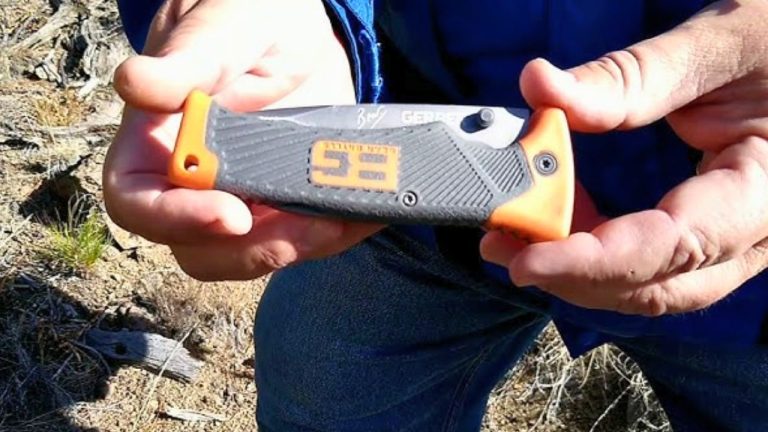
Late-season hunts often require long days with limited resupply. Carrying sufficient ammunition, plus essentials like knives, multitools, or small repair kits, prevents frustration if something breaks or a second opportunity arises.
Snow and mud can make retrieval or adjustment more difficult, so redundancy matters. Experienced hunters know that being prepared for contingencies reduces stress, keeps focus on tracking game, and avoids missed opportunities. Proper planning of consumables and field tools ensures that minor equipment issues don’t turn into hunt-ending problems.
Headlamp or Lightweight Torch
Early sunsets and overcast skies mean you’re often moving in near-dark conditions. Hands-free lighting, like a headlamp, keeps you safe while leaving hands free for weapons and navigation.
LED lights with red settings preserve night vision and minimize alerting game. Whether packing out a harvest or navigating tricky terrain, reliable illumination ensures safety, accuracy, and efficiency. It’s a small tool that makes a big difference during late-season hunts.

Asher was raised in the woods and on the water, and it shows. He’s logged more hours behind a rifle and under a heavy pack than most men twice his age.