Calibers That Hunters Pretend Work Every Season
Every camp has the guy who swears his pet caliber can handle anything that walks. He’ll tell the story the same way every fall, too—never mind the long blood trail or the deer that ran into the next zip code. Some cartridges get defended long past their limits, mostly because hunters are creatures of habit. When a rifle has been in the family or a caliber has filled a few tags, folks can get stubborn about admitting where it struggles.
If you’ve hunted long enough, you’ve probably watched these calibers get talked up around the fire even though everyone knows they ride the line every season.
.22 Magnum
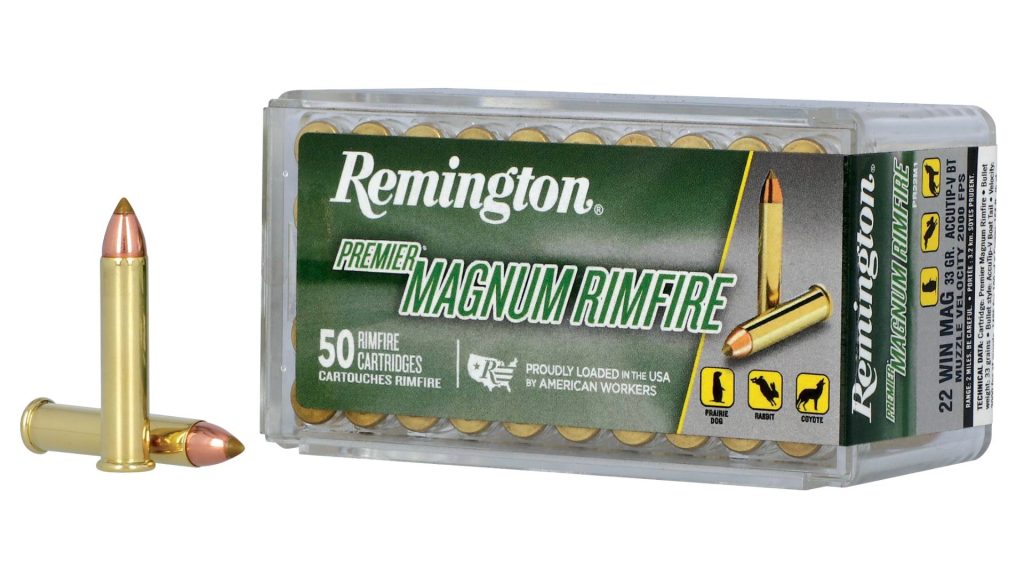
Plenty of small-game hunters love the .22 Mag, and it’s a handy rimfire for varmints. But every year, someone swears it’s “fine” for deer under the right conditions. That usually means a close shot, perfect broadside, and a lot of wishful thinking. The truth is, the cartridge lacks the energy and penetration needed for consistent big-game performance.
The .22 Mag can kill a deer, but killing and killing cleanly are two different things. Hunters who push it into deer season often end up tracking longer than they wanted. The round shines in its lane, but pretending it pulls double duty is a stretch.
.17 HMR
The .17 HMR is one of the most entertaining rimfires ever made. It’s flat, accurate, and great on varmints. But each fall, there’s always that conversation about using it on deer “if you hit them right.” The problem is that this cartridge simply wasn’t designed for big-game penetration, especially once bone enters the equation.
Impact velocity stays high, but bullet construction isn’t meant for shoulder-shot animals weighing over a hundred pounds. Even skilled hunters end up with shallow wounds and long recoveries. It’s a fantastic small-game tool, but the claim that it holds up in deer season falls apart in the field.
.410 Bore Slugs
Some hunters treat .410 slugs like they’re the hidden secret of the woods. They’re light recoiling and easy to carry, so it’s tempting to overestimate them. The issue is range. Even with modern loads, you’re dealing with limited energy and accuracy that fades fast after 50 yards.
A careful hunter might make it work in tight timber, but things go sideways quickly with quartering angles or mediocre shot placement. Many folks who swear by the .410 don’t mention the shots they passed because the range wasn’t right. It’s a tool with a narrow window, and stretching it beyond that window leads to frustration.
.22 Long Rifle
The old .22 LR always gets trotted out by someone who remembers a relative taking a deer with it decades ago. Sure, it can kill a deer, but that doesn’t make it a deer caliber. Penetration is limited, bullet construction is minimal, and margin for error is tiny.
Hunters who cling to it tend to lean on nostalgia rather than performance. Ethical shots require perfect conditions—conditions that rarely line up in the real world. The round is outstanding for what it was built for, but pretending it holds up against big-game demands is one of those traditions that needs to fade.
.25-20 Winchester
The .25-20 has history on its side, and some hunters defend it out of respect for the old lever guns that chamber it. On small predators, it does fine. But when it shows up during deer season, problems start. Muzzle energy is low, and bullet options aren’t ideal for deer-sized animals.
Those who still use it rely on close shots and perfect angles, often inside ranges where you can hear a deer breathing. Even then, pass-throughs are rare and tracking jobs get messy. It’s a fun cartridge for vintage rifles, but it’s not one that belongs in modern big-game rotation.
.32 S&W Long
The .32 S&W Long pops up in conversations among folks who like using old revolvers in the woods. While it has taken deer in the past, it wasn’t designed for it. The cartridge struggles with penetration, especially from short barrels, and bullet expansion is unreliable on game that size.
Hunters who talk up its performance tend to gloss over its shortcomings. Close-range opportunities can make it seem viable, but the cartridge’s limitations show fast once bone or heavier muscle gets involved. It’s more of a novelty than a serious option when the season opens.
.32-20 Winchester
Another classic that refuses to die in conversation, the .32-20 gets defended by hunters who enjoy nostalgia more than ballistics charts. It can take deer under very specific conditions, but it doesn’t do it with authority. Energy drops quickly, and lightweight bullets limit performance beyond short distances.
Many hunters who swear by it don’t hunt in areas with big-bodied deer or challenging terrain. When used on well-fed whitetails in thicker cover, its shortcomings stand out in a hurry. It’s a cartridge with charm, but pretending it handles every season is wishful thinking.
9mm Luger (Out of Carbines)
Every fall, someone tries to convince the group that a 9mm carbine is “all you need” for deer inside 75 yards. While carbines do boost velocity and improve handling, the round still wasn’t designed for medium-game penetration. Bullet performance varies widely, and many defensive loads aren’t built for the job.
Good hunters can make it work in tight cover, but the margin for error stays slim. A shoulder shot or quartering angle can leave a deer running farther than you’d expect. The idea that a 9mm magically transforms in a carbine is one of those hunting-camp myths that lingers without much proof behind it.
.38 Special (Out of Rifles)
Lever-action and single-shot rifles in .38 Special can be fun to shoot, which makes some hunters stretch the caliber into roles it wasn’t meant for. On deer, it lacks the power and penetration needed for consistent results. Expansion is unpredictable, and even from longer barrels, it comes up short on energy.
When used on deer, hunters often need ideal angles and extremely close distances. That’s a narrow setup, and most seasons don’t play out that cleanly. While the nostalgia factor is strong, the round doesn’t offer the kind of performance that deer hunters should rely on.
.380 ACP (Carbines or Pistols)
The .380 ACP always sneaks into hunting conversations thanks to a few stories floating around the internet. But performance on deer is unreliable, even from carbines. Penetration barely meets the threshold for small-game standards, let alone medium-sized animals.
Hunters who defend it tend to lean on rare success stories rather than consistent field performance. Any angle besides broadside can lead to shallow wounds or poor blood trails. It’s a cartridge designed for close-range defense, not deer season, and pretending otherwise doesn’t help anyone in the field.
.30 Carbine
The .30 Carbine has a loyal following, mostly thanks to military history and the M1’s handling. In the deer woods, though, its performance varies. Bullet construction and limited energy make it sensitive to shot placement.
Some hunters swear it works every year, but those stories usually come from close-range encounters or light-framed deer. When conditions aren’t perfect, the caliber shows its limits. It has a role, but hunters often oversell it once the orange vests come out.
.44-40 Winchester
The .44-40 is tied closely to old lever guns, and its nostalgia grants it a longer leash than it deserves. While it can take deer, its velocity and energy sit well below modern expectations. Bullet design is also inconsistent, especially in older loads.
Hunters who lean on it often stick to extremely tight cover and controlled distances. Even then, tracking can get rough if the angle isn’t perfect. It’s earned a place in history, but pretending it performs on the same level as modern deer calibers is a yearly stretch.

Asher was raised in the woods and on the water, and it shows. He’s logged more hours behind a rifle and under a heavy pack than most men twice his age.