How long seasons shape better judgment
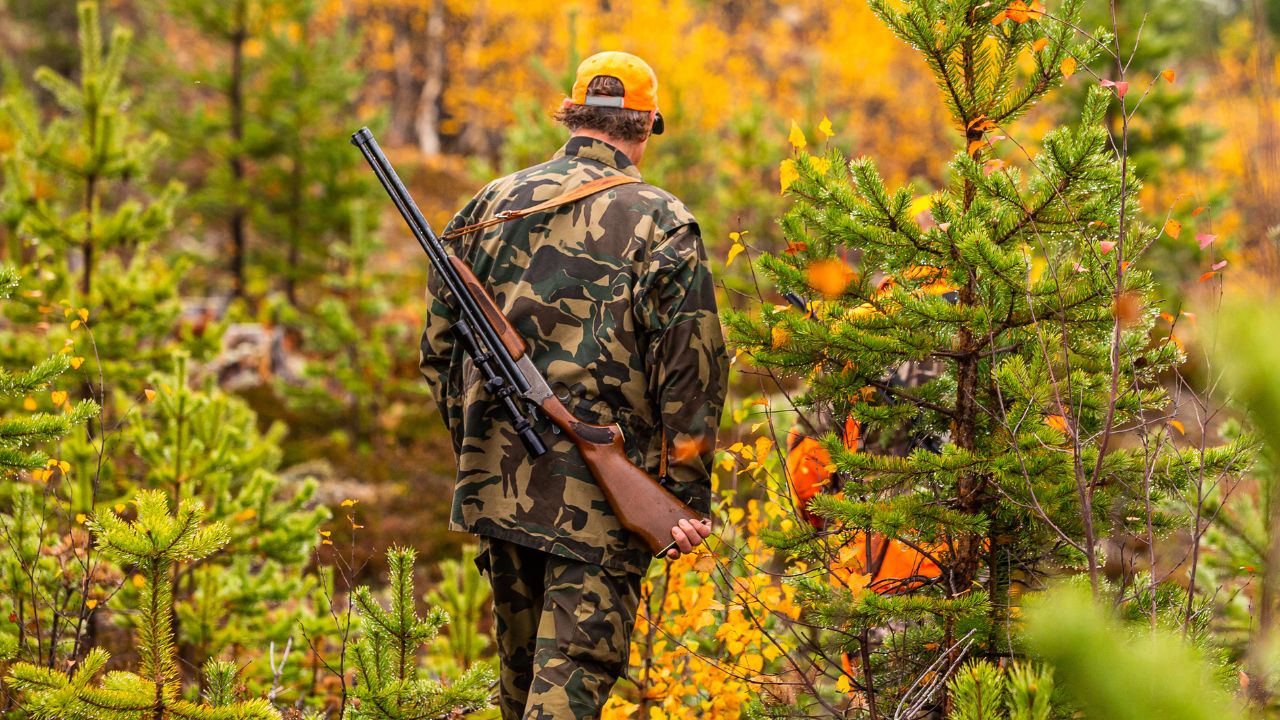
Long seasons do something quick hunts never can. When you’ve got weeks instead of weekends, the pressure lifts. You stop forcing shots, stop rushing setups, and stop trying to make every encounter mean something. Time in the field teaches you patience the hard way. You watch more animals walk, you pass more marginal opportunities, and you learn how small mistakes stack up over days instead of minutes.
Extended seasons reward restraint. They give you room to think, to reassess gear choices, and to recognize patterns instead of chasing luck. After enough long seasons, judgment becomes quieter and steadier. You start hunting with intention instead of urgency, and that changes everything.
You Learn When Not to Shoot
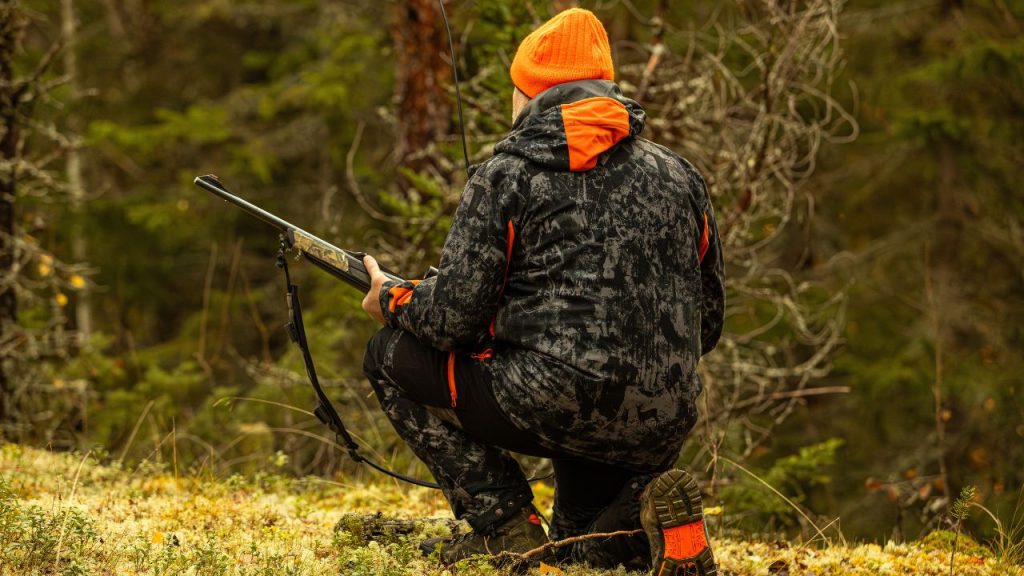
Short seasons push you toward bad decisions. Long seasons do the opposite. When you know tomorrow is still an option, you don’t force a shot through brush or stretch distance beyond what feels right. You let animals move, turn, or disappear without panic. That restraint sharpens judgment faster than any range session.
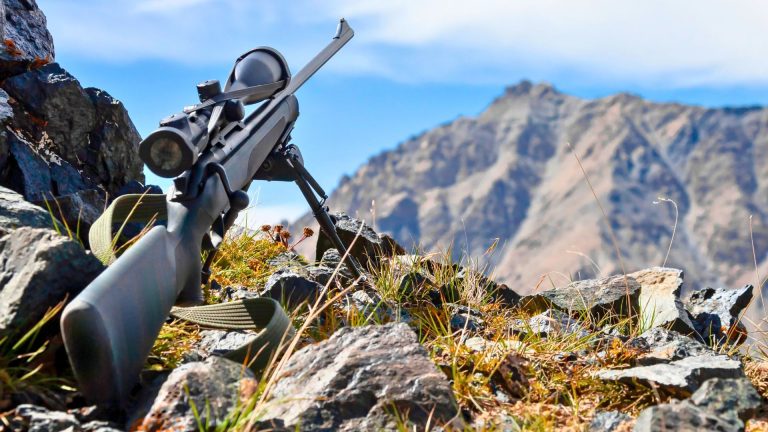
Hunting with rifles like a Savage 99 or a Marlin 336 reinforces that lesson. They’re effective within limits, and long seasons teach you to respect those limits. You learn that a passed shot isn’t a failure. It’s a decision that keeps the hunt honest and your standards intact.
You Stop Blaming the Rifle
More time afield exposes uncomfortable truths. Misses stop feeling like flukes, and patterns start showing up. Long seasons teach you that most problems aren’t mechanical. They’re positional, mental, or rushed. When the same miss shows up twice, you stop blaming the rifle and start fixing yourself.
Spend enough days carrying something like a Winchester 88 or Ruger No.1, and you learn their quirks fast. Long seasons force accountability. You adjust holds, manage recoil better, and tighten fundamentals. Judgment improves when excuses run out, and time has a way of burning those off.
You Get Honest About Distance
Long seasons change how you see yardage. Early on, everything feels far. After weeks in the field, distance becomes familiar, not intimidating. You learn what 150 yards really looks like across timber, cut fields, or broken ground. That familiarity tightens decision-making fast.
Rifles such as the CZ 527 or Howa Mini Action make you think about range instead of ignoring it. You learn where your comfort ends and stop pretending confidence replaces skill. Long seasons reward hunters who know their real limits and stay inside them without second-guessing.
You Choose Better Angles
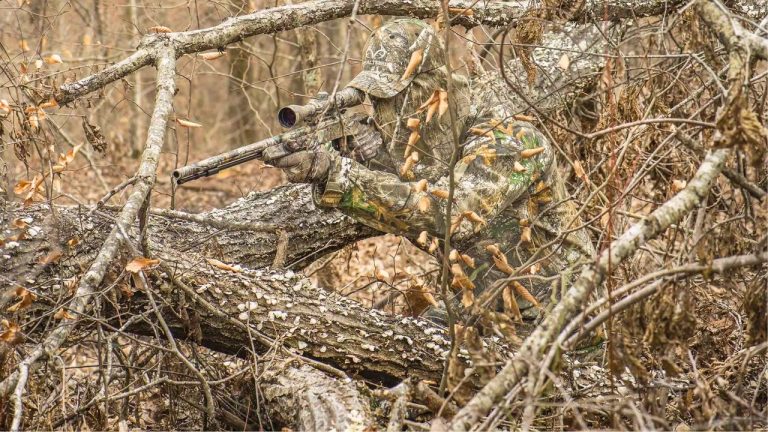
With time on your side, you stop shooting at animals and start shooting lanes. Long seasons teach you how small changes in position turn bad angles into clean ones. You learn to move slower, wait longer, and let terrain work for you.
Carrying something like a Browning BAR Mk II or older Weatherby Vanguard shows you how balance and weight affect shooting positions. Over weeks, judgment improves because you stop forcing shots from poor footing. You learn patience in your feet before patience in your finger, and that sticks.
You Stop Rushing Setups
Long seasons teach you that speed is rarely your friend. You slow down glassing, take extra seconds settling in, and build positions that don’t collapse under pressure. Time removes the urge to hurry and replaces it with confidence built on repetition.
Hunting with rifles like a Ruger No.1 or Savage 99 reinforces that mindset. Single shots and deliberate actions encourage calm setups. Over a long season, judgment improves because rushed shots fade out of your habits. You stop reacting and start planning, even when opportunities appear suddenly.
You Learn to Read Animals Better
Animals behave differently when you watch them over weeks instead of hours. Long seasons teach you patterns, pauses, and tells that short hunts never reveal. You learn when an animal is about to stop, turn, or commit to cover.
That awareness sharpens judgment at the shot. Whether you’re carrying a Marlin 336 or Winchester 88, you start waiting for behavior instead of forcing timing. You stop guessing and start recognizing moments that feel right. Long seasons turn observation into instinct, and instinct improves decisions.
You Respect Conditions More
Weather matters more when you live with it longer. Wind, light, and temperature stop being background noise and start influencing choices. Long seasons teach you when conditions help and when they lie to you.
Spend enough cold mornings behind something like a CZ 527 or Howa Mini, and you learn how wind drift and shaky hands affect outcomes. Judgment improves because you stop pretending conditions don’t matter. You wait them out or adapt instead of hoping for luck, and that patience carries forward.
You Accept Walking Away
Long seasons normalize leaving empty-handed. You walk back to the truck without frustration because tomorrow still exists. That mindset reshapes judgment faster than success ever could.
Hunters carrying rifles like a Ruger No.1 or older Browning BAR learn this quickly. The hunt stops being about filling tags and starts being about decisions you can live with. Walking away becomes part of the process, not a failure. Long seasons teach you that restraint builds confidence you carry for life.
You Trust Yourself More Than the Clock
In the end, long seasons teach you to trust your judgment instead of the calendar. You stop hunting deadlines and start hunting moments that feel right. That confidence comes from time, mistakes, and quiet success.
When you’ve carried the same rifle for weeks—whether it’s a Savage 99, Marlin 336, or Winchester 88—you stop second-guessing every choice. Judgment becomes steady because it’s earned. Long seasons don’t make you luckier. They make you better, and that’s a difference that lasts.

Asher was raised in the woods and on the water, and it shows. He’s logged more hours behind a rifle and under a heavy pack than most men twice his age.