Camo Patterns That Actually Disappear in Hardwood
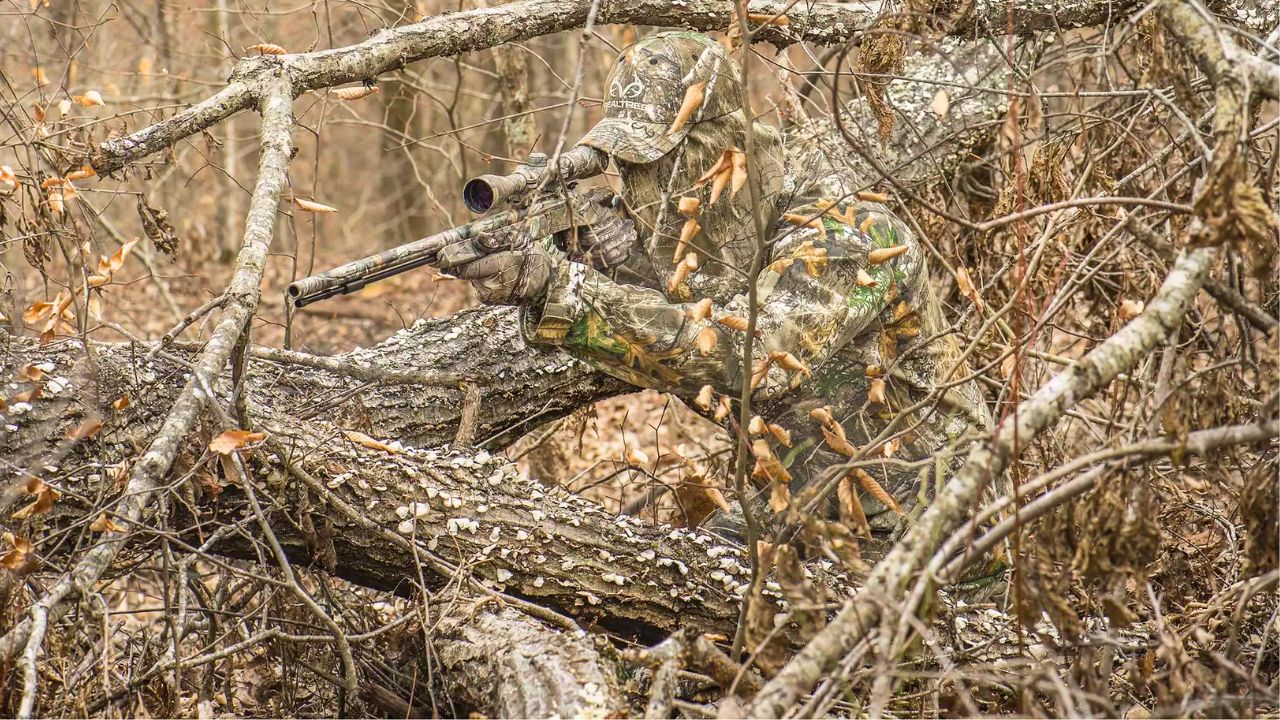
Most camo looks good in the store under bright lights, but hardwood timber tells the truth. The woods aren’t crisp and high contrast like catalog photos—light shifts, shadows move, leaves sift from yellow to gray, and trunks carry layers of texture you can’t fake. Some patterns blur into bark and leaf litter effortlessly, while others glow like a billboard the moment a deer steps into shooting distance. In hardwood, realism matters, but so does breakup and tone.
You want patterns that blend into the slow chaos of oak ridges, hickory flats, and leaf-tangled draws. These are the patterns that keep you hidden when a buck scans the understory looking for danger.
Realtree Edge
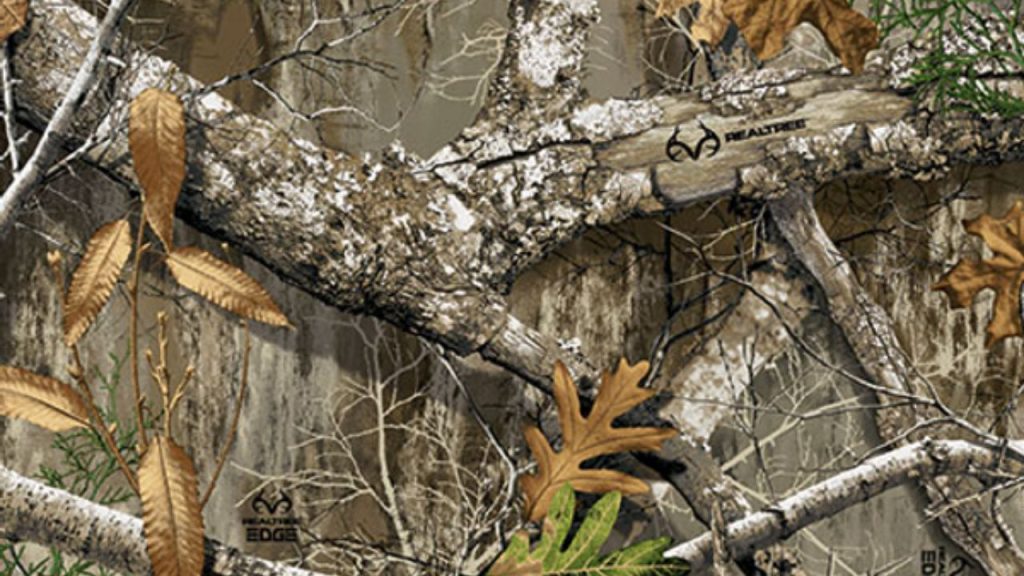
Realtree Edge works in hardwoods because it uses natural leaf and limb detail without going too crisp. At distance, it loses human outline instead of looking like printed fabric. The color palette leans neutral, meaning early season green or late season brown both sit well against bark textures. In low light, Edge doesn’t glow or flatten into a blob, which many bright patterns struggle with.
Hunters who sit tight to oak trunks find this pattern breaks up shoulders, knees, and elbows better than expected. It performs especially well during mid-season when foliage thins and deer rely more on shape detection. Edge isn’t flashy—it blends quietly, and that’s why it works.
Mossy Oak Bottomland
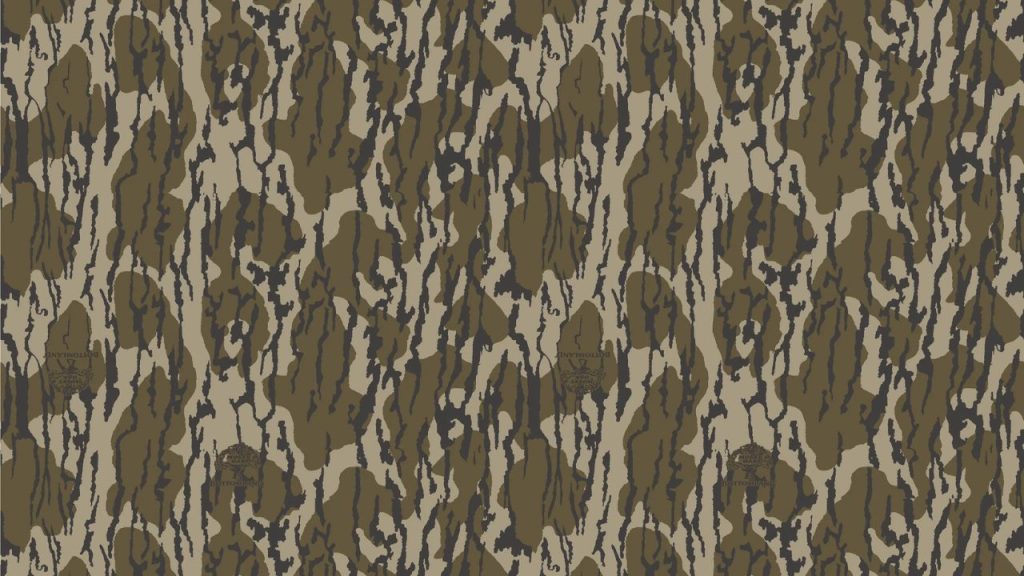
Bottomland might be the most hardwood-friendly camo ever made. It doesn’t rely on photoreal leaves—it uses muted bark-toned shapes that mimic shadow and streaks in timber. In the woods, it looks less like a pattern and more like part of the tree. That low-contrast approach hides movement surprisingly well, especially when you keep still and hug the trunk.
The magic of Bottomland is how long it’s remained relevant. From youth hunts to late muzzleloader season, it disappears in dark timber better than many modern styles. When leaves drop and the woods go gray, Bottomland holds up where green-heavy patterns fail.
Sitka Elevated II
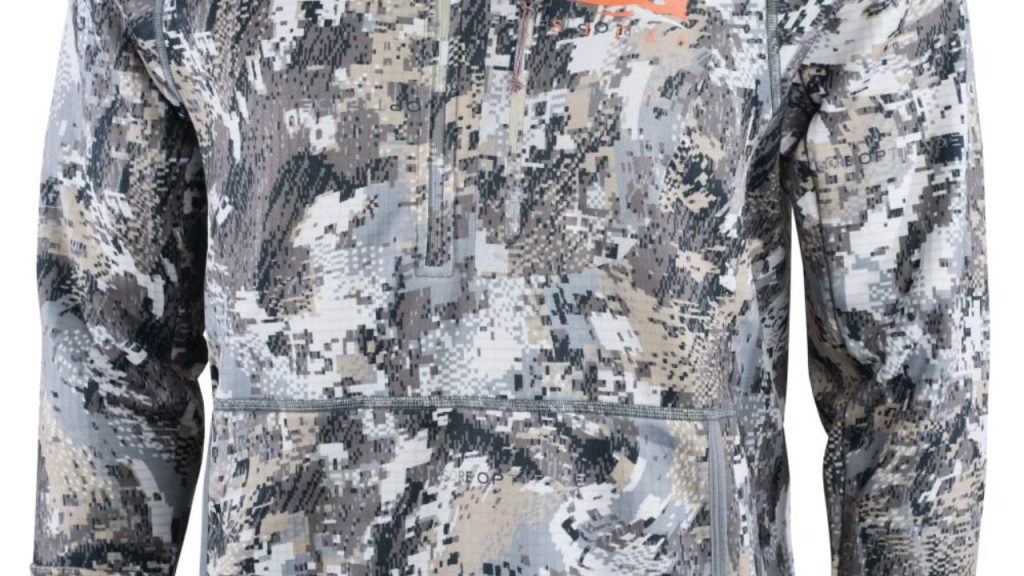
Sitka Elevated II is designed for elevated bow hunting in hardwoods, and it shows. Instead of focusing on realism, it disrupts shape using contrast and asymmetry. The micro and macro breakup keeps deer from recognizing your outline, especially from below. Against bare limbs and sky-filtered light, the pattern dissolves into visual noise rather than a human silhouette.
The grayscale tone with touches of warm brown matches mid-to-late season conditions well. It won’t look like bark up close, but it doesn’t need to—its job is shape deception. If you’ve ever been stared at by a doe waiting for you to blink, Elevated II earns respect fast.
First Lite Specter
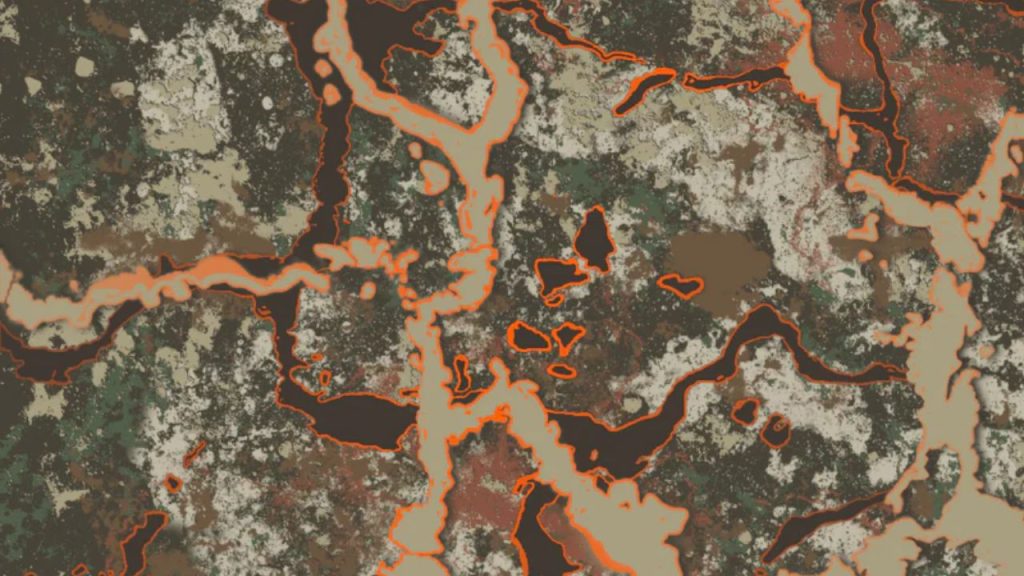
Specter thrives when hardwoods start to thin. It uses chaotic breakup to confuse depth and body lines, and the color range mirrors late-October to December timber. Where leaves fade and branches tangle in backlight, Specter becomes hard to pick apart. Deer scanning ridgelines struggle to find a consistent outline, which buys you time during those tense moments.
The pattern has enough light/dark play to disappear against layered trees. It isn’t overly green, making it a top-tier rut season choice. Specter performs best from a stand or saddle where canopy and trunk texture are your backdrop.
ASAT Camo
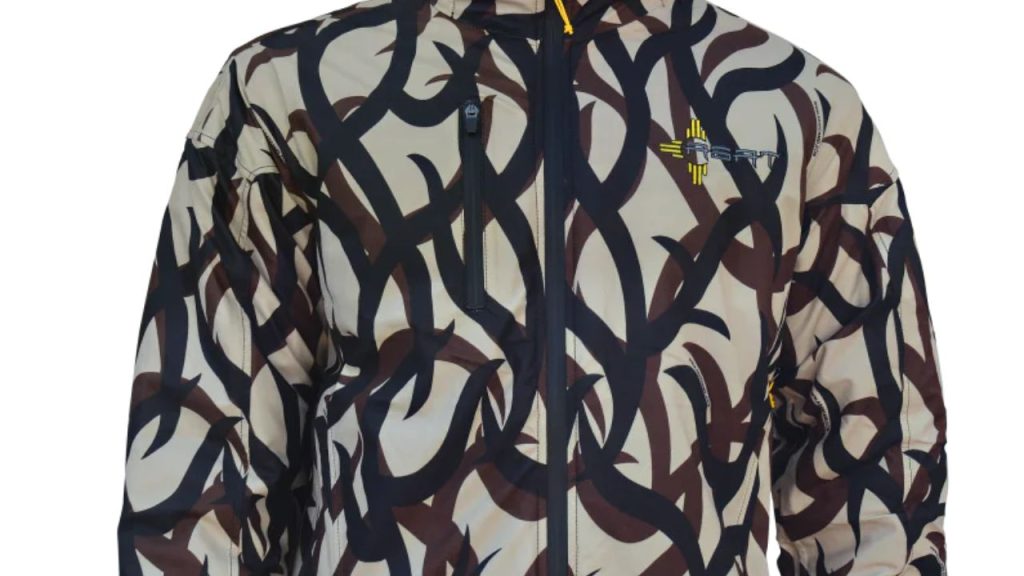
ASAT looks strange on the rack, but in the woods it’s a ghost-maker. The open-pattern style breaks shape aggressively, using large contrasting elements rather than tiny details. Hardwood environments are busy, not pristine, and ASAT takes advantage of that visual clutter. Deer see movement before detail, so eliminating recognizable shape matters more than printing leaves.
ASAT shines in mid to late season when gray and tan dominate. In wings of brush or when tucked among trunks, it dissolves surprisingly well. Hunters who overlook it because it lacks realism often change their tune after a few close encounters.
Predator Fall Gray
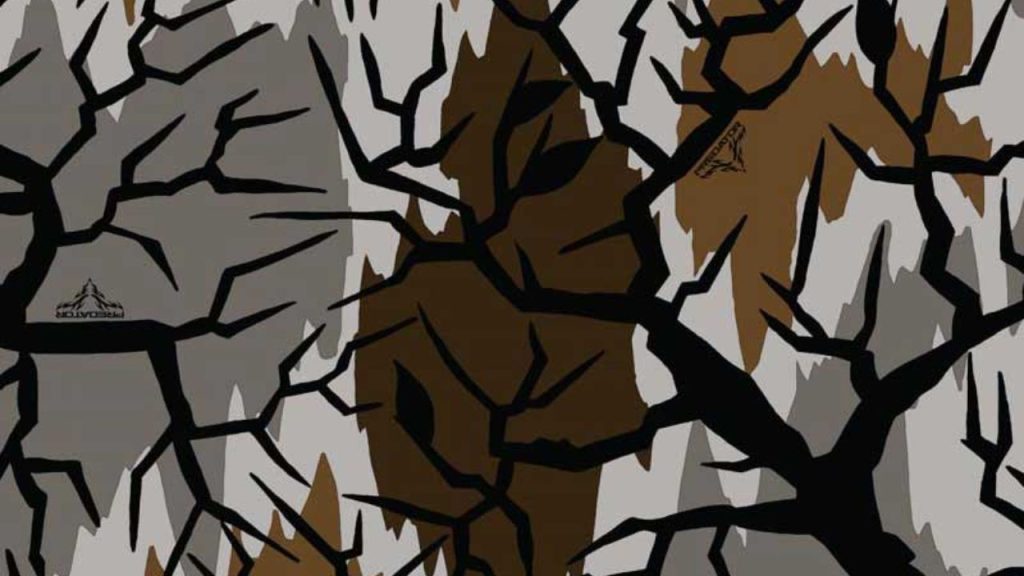
Predator Fall Gray is built for hardwood timber where neutral tones rule. The diagonal breakup disrupts vertical human shape, letting you blend with lean trees and thin branches. In overcast mornings and late-season light, this pattern rarely produces that bright silhouette that pushes deer into alert posture.
It excels when background isn’t leafy—post-rut through winter. The pattern doesn’t hide detail as much as it confuses the eye, which is powerful at 20–40 yards. If you still-hunt or ground hunt, Fall Gray can make you vanish in the patchwork of trunks and shadow.
Realtree Timber
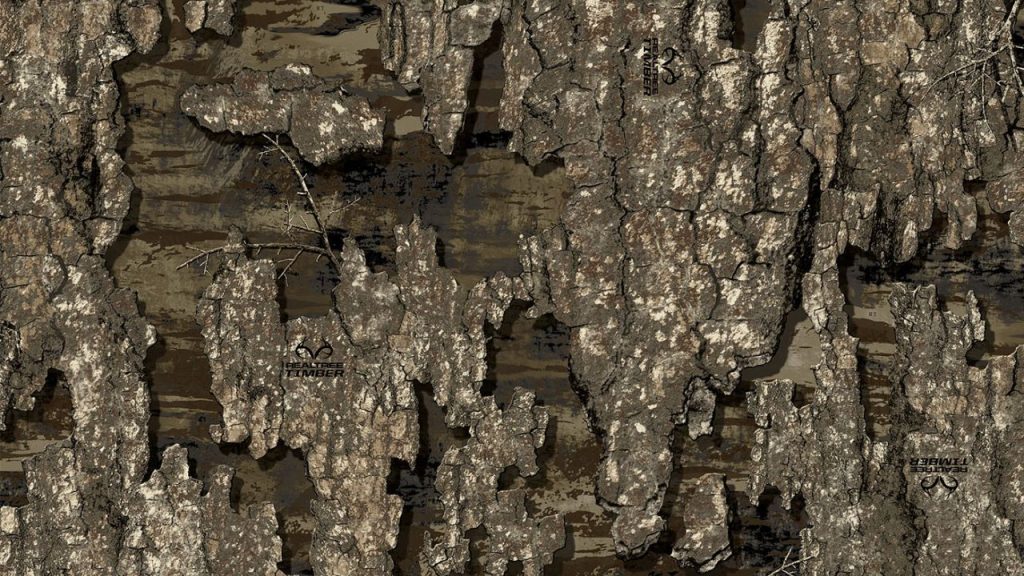
Realtree Timber is the big brother to old-school hardwood blends. It handles steep shadow and low sun without shining, thanks to dark bark tones and layered detail. In leaf-off hardwoods, Timber pairs well with river bottoms, oak flats, and ridge saddles where deer expect danger but still commit to trails.
The realism helps at close range, but the depth is what wins. Deer searching visually struggle to define your shape through Timber’s light-dark balance. Sit still against a hickory and you look like part of it. Hunters who bowhunt tight cover appreciate how forgiving this pattern is during slight movement.
Mossy Oak Original Treestand
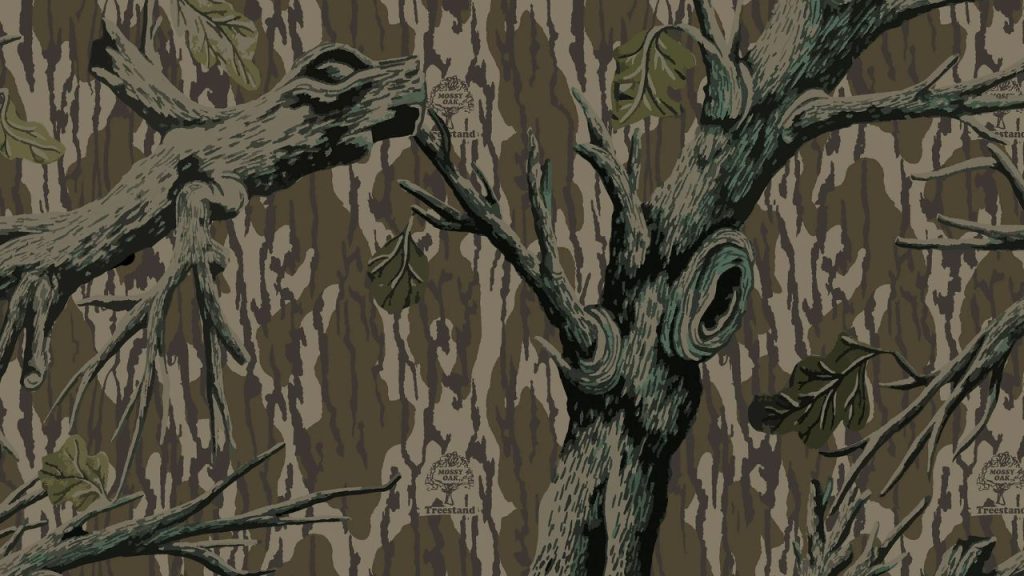
Original Treestand was built for exactly one place—up a tree. Against bark, branch shadow, and filtered light, it works like a charm. It relies on vertical breakup that keeps your torso from looking like a human block. The palette leans white-gray and dark bark tones, perfect for November when mornings frost and leaves thin.
It’s not ideal for ground-level brush, but from a stand it excels. Bucks checking for danger often look low—not up. Treestand takes advantage by letting you melt into the trunk as they pass beneath. Many hunters still swear by it decades later for that reason.
Kuiu Valo
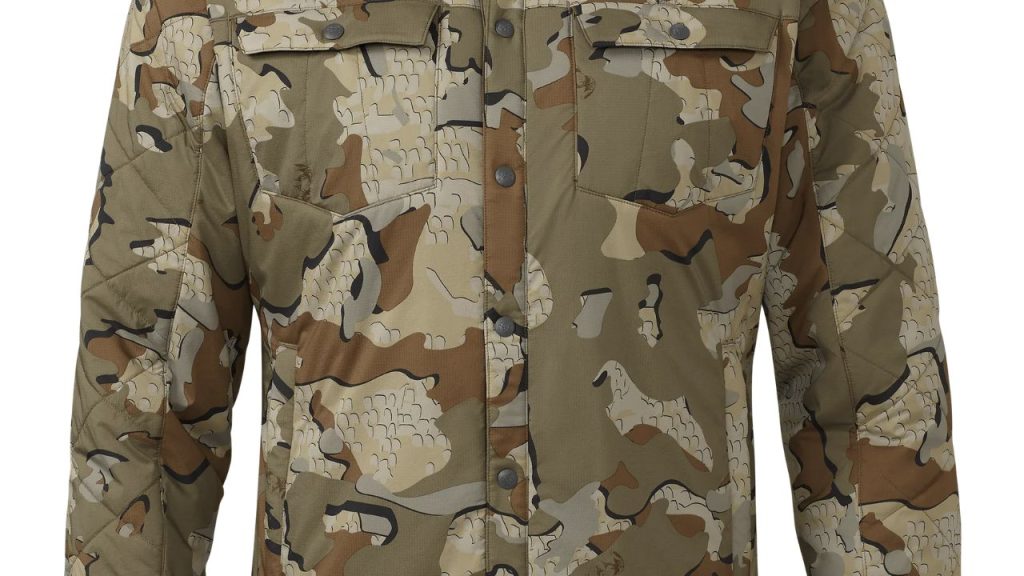
Kuiu Valo is a neutral palette pattern that thrives in hardwood terrain where contrast comes from shadow, not foliage. It isn’t trying to replicate bark—it disrupts outline using soft shapes and earth hues that blend well from early fall through winter. When you tuck into a tree or saddle platform, Valo avoids that harsh silhouette that spooks mature deer.
The pattern shows its strength in mixed-depth environments. At 40 yards, the breakup works better than expected against cluttered backgrounds. If you prefer technical clothing and still want hardwood performance, Valo holds its own with proven patterns.
Huntworth Tarnen
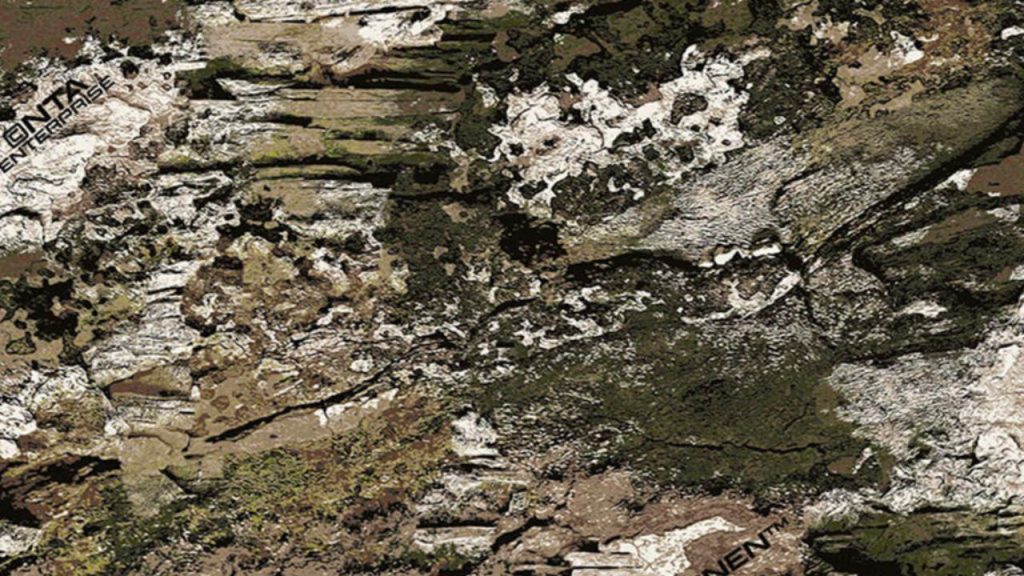
Tarnen isn’t flashy, but it’s practical. The broken geometric shapes scatter your outline in brushy hardwood environments, and the palette fits late-fall timber well. Many hunters note that Tarnen handles distance better than some high-detail camo because it avoids crisp shapes that stand out.
In saddle setups and hang-and-hunt scenarios, Tarnen keeps you blended even when torso and arm movement happen. It won’t make you invisible, but it reduces recognition. That’s the whole game in pressured woods where deer study trees like detectives.
King’s XK7
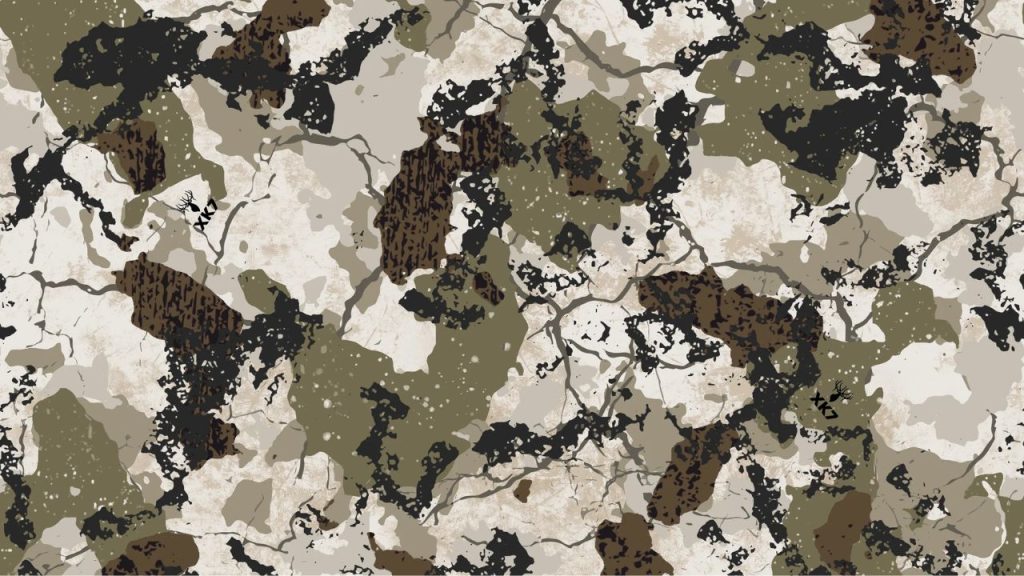
King’s XK7 is a newer pattern that performs surprisingly well in hardwood habitat. The tonal variety helps it fade into mixed shadow environments where ridges break light. Colors include muted tans, browns, and charcoals—ideal for late October through December when leaves dry and backgrounds go dull.
The macro breakup keeps your profile from looking like a solid mass. It handles both tree-stand and ground setups without screaming “new fabric.” XK7 might not carry the reputation of older designs yet, but it holds its own quietly in real timber.
Natural Gear Original
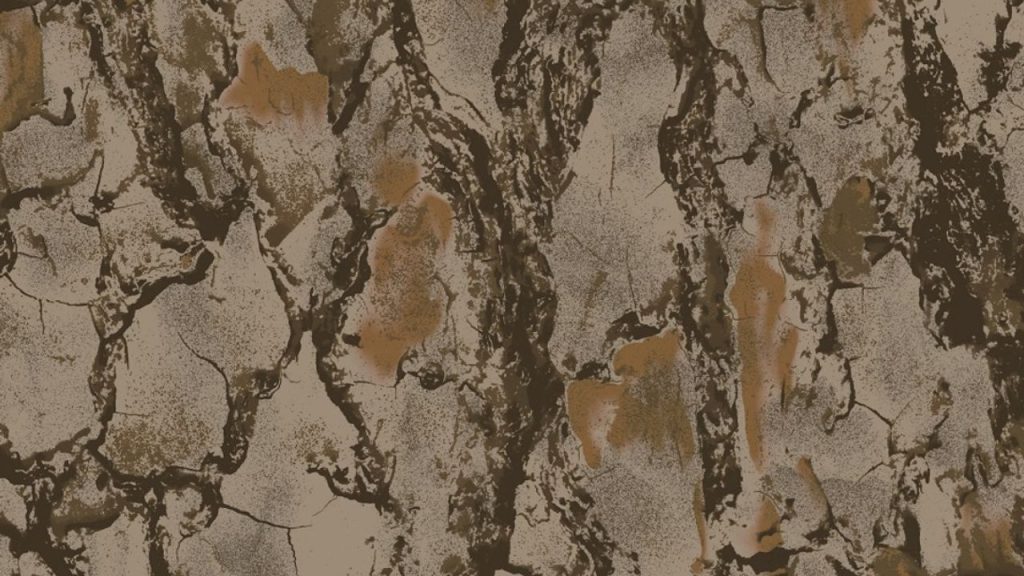
Natural Gear takes a different approach—soft, faded earth tones that match timber environments extremely well. The pattern’s washed-out look mimics natural bark and leaf dullness instead of high-contrast detail. In hardwoods during late season, Natural Gear practically erases you against a trunk.
Movement discipline still matters, but this camo reduces the “blob effect” that gives hunters away. It fits bowhunters who value subtle fading more than photorealism. A mature buck scanning from 60 yards has less to lock onto when Natural Gear is part of the picture.

Leo’s been tracking game and tuning gear since he could stand upright. He’s sharp, driven, and knows how to keep things running when conditions turn.