Tracking wounded game without losing it
racking wounded game is a skill that separates successful hunters from frustrated ones. A clean shot doesn’t guarantee a quick recovery; understanding blood trails, animal behavior, and environmental cues is critical. The goal is to minimize suffering while ensuring a safe, ethical harvest. This requires patience, observation, and smart decision-making at every step. By refining your tracking skills and respecting the terrain and the animal, you increase the chances of recovering your game efficiently and humanely. Here are practical strategies and tips to keep a wounded animal from disappearing into the brush.
Assess the Shot Before You Track
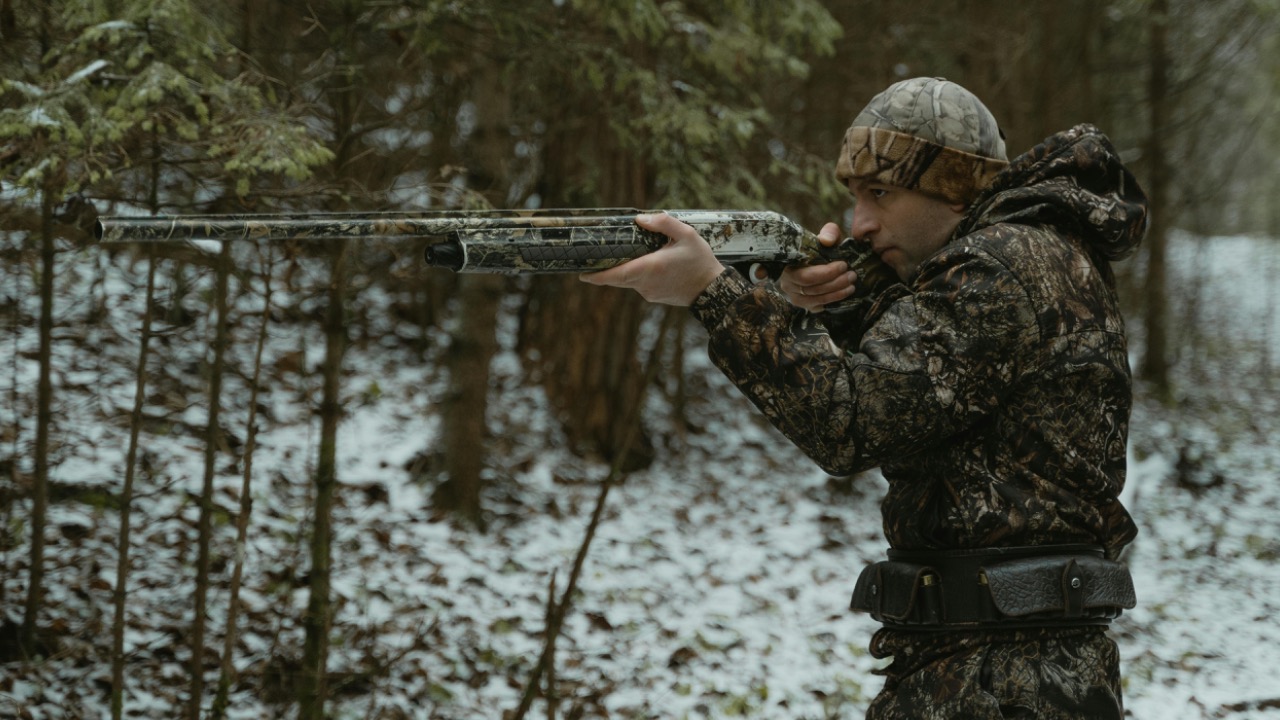
The first step is to evaluate the shot’s quality before moving. Take note of the impact, the animal’s reaction, and the distance. This assessment helps predict the animal’s behavior post-shot.
A badly placed shot may not drop an animal immediately, but a well-placed one usually results in predictable movement. Mark the location mentally or with subtle markers, and resist the urge to rush. Rushing can break the trail and force the animal farther into cover. Staying patient and observant at this stage sets the foundation for a successful track.
Watch the Animal Before Moving
If the animal runs out of sight, pause and observe. Look for movement, dust clouds, or foliage disturbance to track direction.
This brief observation provides clues about the animal’s speed, trajectory, and likely bedding areas. Moving too soon can cause you to lose the trail entirely. Experienced hunters know that a few minutes of observation often saves hours of blind searching. Patience and keen eyes are far more effective than immediate pursuit.
Look for Blood and Hair
Small, subtle signs like specks of blood or tufts of hair indicate direction and injury severity. Don’t rely solely on obvious trails; sometimes, faint indicators are all you get.
Keep your eyes close to the ground and scan systematically. Blood color can tell you if the wound is fresh, while hair or dirt marks indicate the animal’s movement through dense areas. Reading these signs accurately keeps you on the trail and prevents losing the animal in tricky terrain.
Consider the Terrain
Terrain influences how far and fast an animal can travel after a hit. Steep hills, rivers, or dense brush will slow it, while open fields allow quick flight.
Adjust your tracking method accordingly. In rough terrain, look for footprints, broken branches, and subtle signs of passage. In open areas, anticipate the animal’s instinctive path to cover. Understanding how landscape shapes movement keeps you from overshooting and losing the trail.
Pay Attention to Time
Time is critical. The longer a wounded animal moves, the harder it becomes to recover. Starting too soon risks losing the trail; starting too late allows blood to dry and tracks to fade.
Strike a balance. Keep a mental log of when the shot occurred and plan your tracking pace. Efficient, patient movement combined with timely decision-making improves recovery odds. Experienced hunters treat time as a tool, not a pressure point.
Use a Tracking Aid
Tools like tracking sticks, GPS tags, or rangefinders can enhance your ability to follow a trail. Even basic aids like walking sticks can help probe thick brush for subtle signs.
Trackers also use flagging tape or chalk sparingly to mark critical points without disrupting the environment. These aids provide reference points and prevent accidental backtracking. The right tools, used wisely, increase confidence and efficiency in recovering wounded game.
Note Animal Behavior Patterns
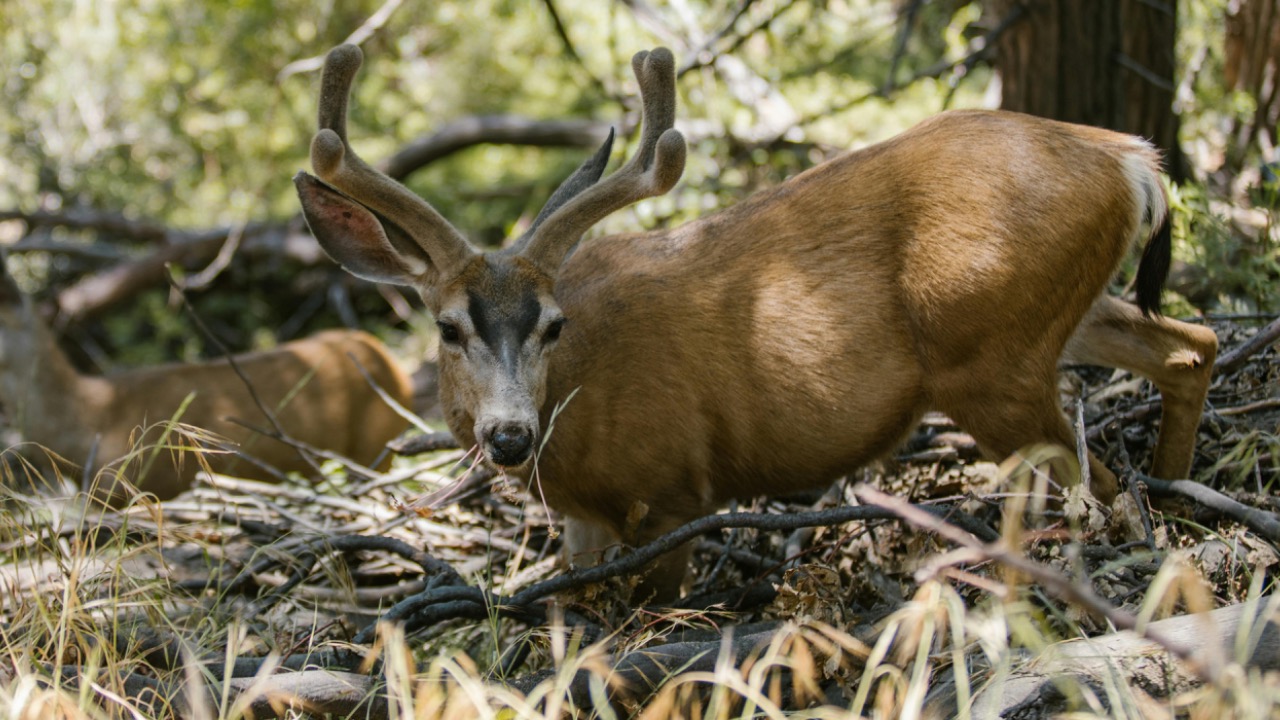
Different species respond to wounds differently. Deer may circle to bed down; elk may run a long distance before stopping. Understanding these instincts allows better predictions.
Knowing species-specific behavior helps anticipate trail changes. If a deer suddenly disappears from sight, you can estimate where it may rest or bed. Experienced hunters combine observation with knowledge to follow animals intelligently rather than blindly.
Keep Your Senses Active
Tracking isn’t just about sight. Listen for movement, animal calls, or snapping branches. Smell can also give clues in certain conditions, like wet grass or disturbed foliage.
A multi-sensory approach ensures you notice subtle indicators that might otherwise be missed. Silence your own distractions and focus on every detail. Combining sight, sound, and scent maximizes your chances of finding the animal quickly.
Avoid Contaminating the Trail
Step carefully and avoid unnecessary contact with the ground. Scent, footprints, and broken vegetation can confuse both you and the animal.
Minimize disturbance by moving quietly and purposefully. Keep your own scent downwind when possible. Maintaining the integrity of the trail preserves natural indicators, allowing a clear, reliable path from shot to recovery.
Track With a Partner
Having a second set of eyes improves observation and safety. One person can watch ahead while the other examines subtle signs on the ground.
Communication is key. Partners can confirm blood trails, predict animal behavior, and cover more ground efficiently. Coordinating movement reduces mistakes and increases the likelihood of a successful recovery without spooking the wounded animal.
Know When to Pause
Sometimes the best move is to stop. If the trail disappears or blood becomes faint, retreating and returning later may be more effective.
Animal movement can be unpredictable, and pressing too hard often breaks the trail entirely. Experienced trackers understand the value of patience and the importance of returning with fresh eyes and energy. Pausing strategically prevents wasted effort and unnecessary frustration.
Learn From Each Tracking Experience
Every tracking effort teaches something about animal behavior, terrain, or your own methods. Keep notes mentally or physically for future hunts.
Reviewing successful and failed tracks helps refine decision-making, speed, and efficiency. Over time, your intuition improves, allowing you to recover wounded game with less frustration and more confidence. Tracking is a skill honed through practice, patience, and observation.

Asher was raised in the woods and on the water, and it shows. He’s logged more hours behind a rifle and under a heavy pack than most men twice his age.