Habits That Actually Fool Mature Deer
Mature deer don’t get old by being dumb. They’ve seen it all—bad setups, sloppy scent control, and lazy hunters doing the same things year after year. But they’re not unkillable.
The hunters who consistently punch tags on mature bucks don’t rely on luck—they rely on habits that tilt the odds in their favor. It’s not magic. It’s discipline, attention to detail, and doing the things most guys aren’t willing to do. These are the habits that actually fool mature deer.
Always Hunt the Wind and Thermals

Killing mature deer starts with wind discipline. Every setup, entry, and exit is chosen based on wind direction and how thermals shift during the hunt.
It’s not enough to have the wind “mostly right.” You need to understand how rising thermals in the morning and falling thermals in the evening change the game. The guys who kill big deer are the ones willing to back out when the wind’s wrong—no matter how good the spot looks.
Use Multiple Entry and Exit Routes

Mature bucks pattern hunters faster than hunters pattern them. If you walk the same trail every time, they figure it out. Successful hunters use different entry and exit routes to stay unpredictable.
Sometimes it means circling farther, taking a creek bed, or slipping through rough terrain. It’s work—but it keeps ground scent from burning trails and bedding areas. Staying off their radar starts before you’re even in the tree.
Hunt the Backside of Pressure

Smart hunters use other people to their advantage. Instead of fighting for easy spots, they hunt the escape routes—those hidden benches, thickets, and secondary trails where pressured bucks slip away from the crowds.
Mature deer don’t always leave an area. They shift into spots nobody’s walking through. If you learn to read how pressure moves deer, you’ll be sitting where everyone else pushes them.
Stay Put Longer Than Everyone Else

Most hunters give up too soon. Mature deer often wait until mid-morning or slip through during midday when pressure drops. If you leave early, you miss those windows.
The guys who kill big deer grind it out. All day sits during the rut. Long, quiet hours when everyone else is back at the truck. Patience kills deer that won’t show up for the guy who’s already gone.
Hunt Tight Without Getting Busted

The best hunters push close to bedding—but not recklessly. They glass, scout, and know exactly how far they can go without tipping deer off. They wait for perfect wind and thermals to slip into kill spots.
It’s a calculated risk. Close enough to catch daylight movement, but far enough not to blow deer out. The margin is razor thin, but that’s where mature bucks slip up.
Hang Stands for Access, Not Just Deer Sign

Big rubs and scrapes are tempting, but they don’t always mean it’s a huntable spot. Smart hunters pick trees based on how they can get in and out without being seen, heard, or smelled.
A perfect funnel is worthless if you blow it up walking in. The stand that fools a mature deer is the one you can reach undetected, even if it means sacrificing a few shot opportunities to stay invisible.
Keep Gear Silent and Scent-Free

Every piece of gear is silenced. No metal-on-metal, no loose buckles, no squeaky straps. Everything gets checked, taped, or swapped until it’s dead quiet.
Same with scent. Clothes are clean, stored right, and handled carefully. You won’t catch these guys gassing up the truck in their hunting jacket or spraying themselves down at the trailhead like it’s a magic trick. They treat scent control like it actually matters—because it does.
Don’t Overhunt a Spot

A good stand gets hunted sparingly. Mature bucks figure out pressure fast. If a stand is hot, a smart hunter waits for perfect conditions—wind, time of year, or weather front—before burning it.
Hammering the same tree for five days straight teaches a buck everything he needs to know. Rotate spots, let stands rest, and don’t burn your best setups chasing action that isn’t ready yet.
Scout More Than You Hunt
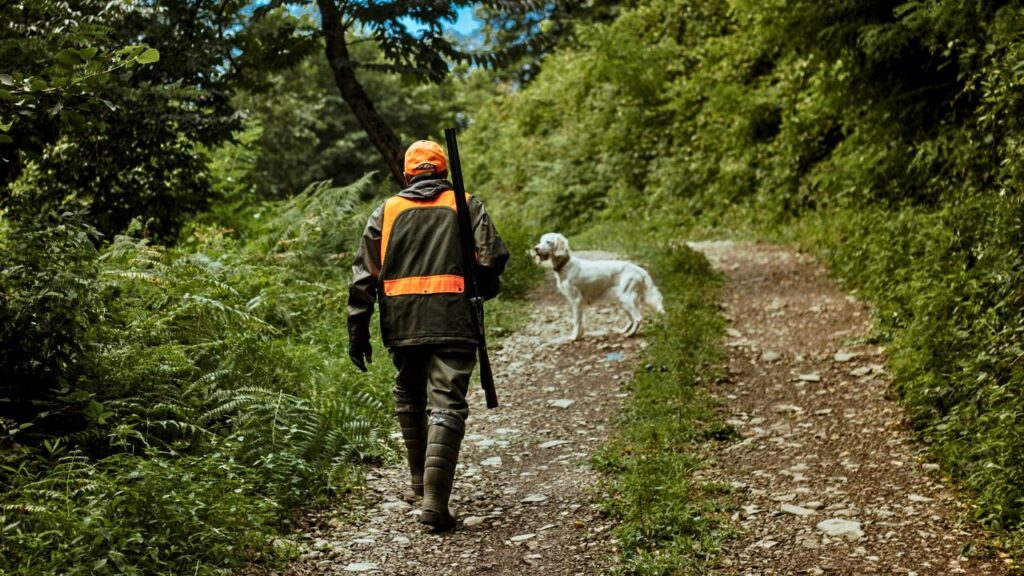
The guys who kill mature deer spend way more time scouting than sitting. They glass summer patterns, hang trail cams carefully, and walk miles in the offseason learning bedding, terrain, and access.
When season opens, they’re not guessing. They’re hunting deer they already know are there, with plans built around movement patterns that have been watched for months—not days.
Know When to Back Out
Sometimes the smartest move is not hunting. If the wind’s wrong, the thermals are sketchy, or the access is blown, disciplined hunters back out. They don’t force hunts.
It’s counterintuitive, but it works. Leaving a buck unpressured until the right day often leads to a clean, daylight opportunity. Mature deer live because most hunters refuse to back off. The guy who can is the one who ends up filling that tag.

Asher was raised in the woods and on the water, and it shows. He’s logged more hours behind a rifle and under a heavy pack than most men twice his age.