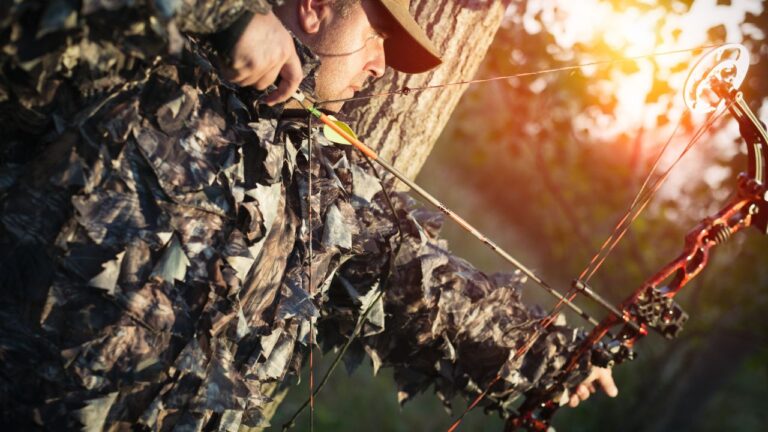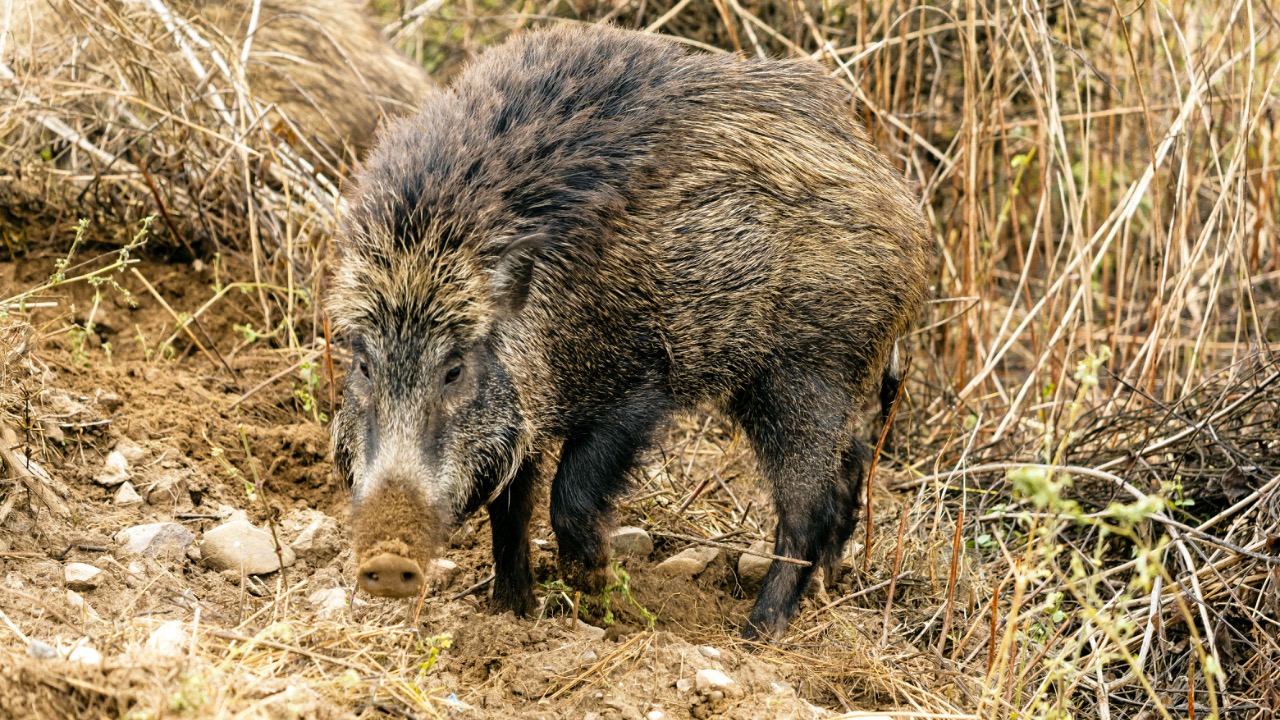
How to hunt hogs on public land successfully
Hunting hogs on public land is a challenge that requires patience, planning, and understanding the animal’s behavior. Unlike private ground, public land is crowded, unpredictable, and full of pressure from other hunters. Hogs are smart, adaptable, and often nocturnal, so success depends on reading the terrain, interpreting signs, and adapting to constantly changing conditions. You’ll need a mix of strategy, observation, and preparation to consistently put meat in the freezer. Here are practical, field-tested approaches that can increase your odds of bagging hogs on public land without relying on overused tactics.
Scout Beyond the Obvious
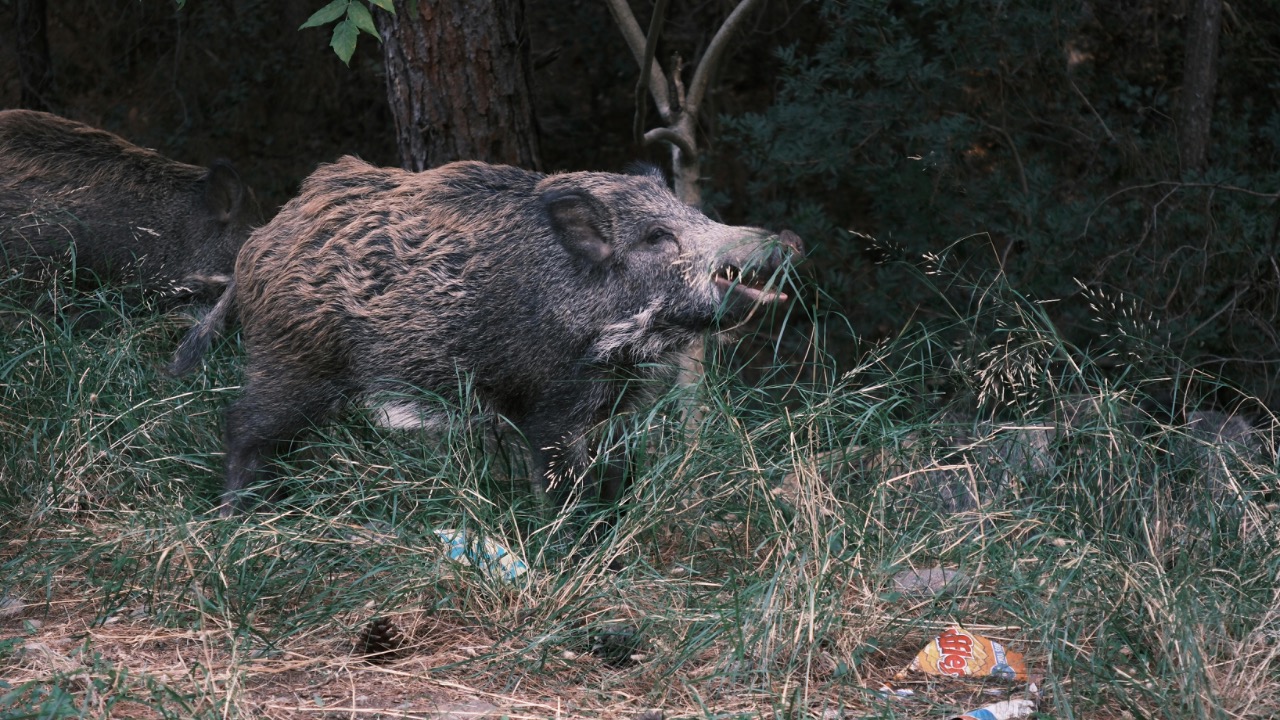
Public lands are filled with hunters, which pushes hogs into less obvious areas. Scouting isn’t about checking the usual trails; it’s about finding overlooked funnels, thick cover, and natural bedding areas where hogs can move unseen.
Look for fresh tracks, rooting signs, and rubs near water sources or dense vegetation. Pay attention to patterns at different times of day. Early mornings and late evenings may reveal pathways that are otherwise empty. Successful hunting here is about reading pressure and adapting to hog movement rather than relying on the usual hotspots that everyone else is watching.
Use Terrain to Your Advantage
Hogs feel safest in thick cover and rugged terrain. Learning the layout of ridges, creek bottoms, and dense thickets can give you an edge. Use natural funnels to predict movement, and position yourself where hogs are forced to pass by.
Understanding how hogs use the landscape helps you anticipate their patterns without spooking them. Even a small slope, ravine, or patch of dense brush can funnel hogs into predictable paths. Instead of waiting in open areas where hogs rarely travel, use the terrain to conceal yourself while minimizing movement and scent exposure.
Hunt During Low-Light Periods
Hogs are most active at dawn and dusk. Public-land pressure often pushes them to be active during these low-light periods to avoid humans. Timing your hunt around these windows improves your chances of encountering hogs when they feel safest.
Use the early morning hours to watch trails and water sources. Evening hunts near feeding areas can yield encounters as hogs move under the cover of darkness. By understanding and respecting their nocturnal tendencies, you increase your chances of seeing hogs while staying out of the paths of other hunters.
Focus on Food Sources
Hogs are motivated by food, and on public land, they are opportunistic feeders. Identify natural mast like acorns, persimmons, and berries, or areas with agricultural crops adjacent to the public land boundary.
Observe which patches hogs frequent during scouting trips. Even small openings with abundant forage attract hogs consistently. Once you locate these spots, you can plan ambush points that use cover effectively, without trying to chase hogs across open ground. Public land hunting requires patience, and following the food is one of the most reliable ways to encounter hogs.
Learn Hog Sign
Rooting, tracks, wallows, and scat are all valuable clues. On pressured public land, fresh sign is more important than old tracks because it shows where hogs are actively feeding and moving.
Developing the ability to read these signs lets you predict movement without relying on bait or feeders, which are often illegal on public property. Pay attention to the size and freshness of tracks and wallows. The more you interpret sign correctly, the better you can position yourself in a high-probability area rather than waiting in low-traffic zones.
Stay Mobile and Adaptable
Hogs on public land often move differently each day due to hunter pressure. A successful hunt isn’t about locking into one stand; it’s about being prepared to move quietly and adjust to patterns.
If you sit too long in a pressured area, you may never see hogs. Use scouting knowledge to plan multiple locations and remain light on your feet. Moving quietly between cover patches or thick corridors increases your chances of intercepting hogs in places where other hunters aren’t expecting them.
Minimize Scent and Noise
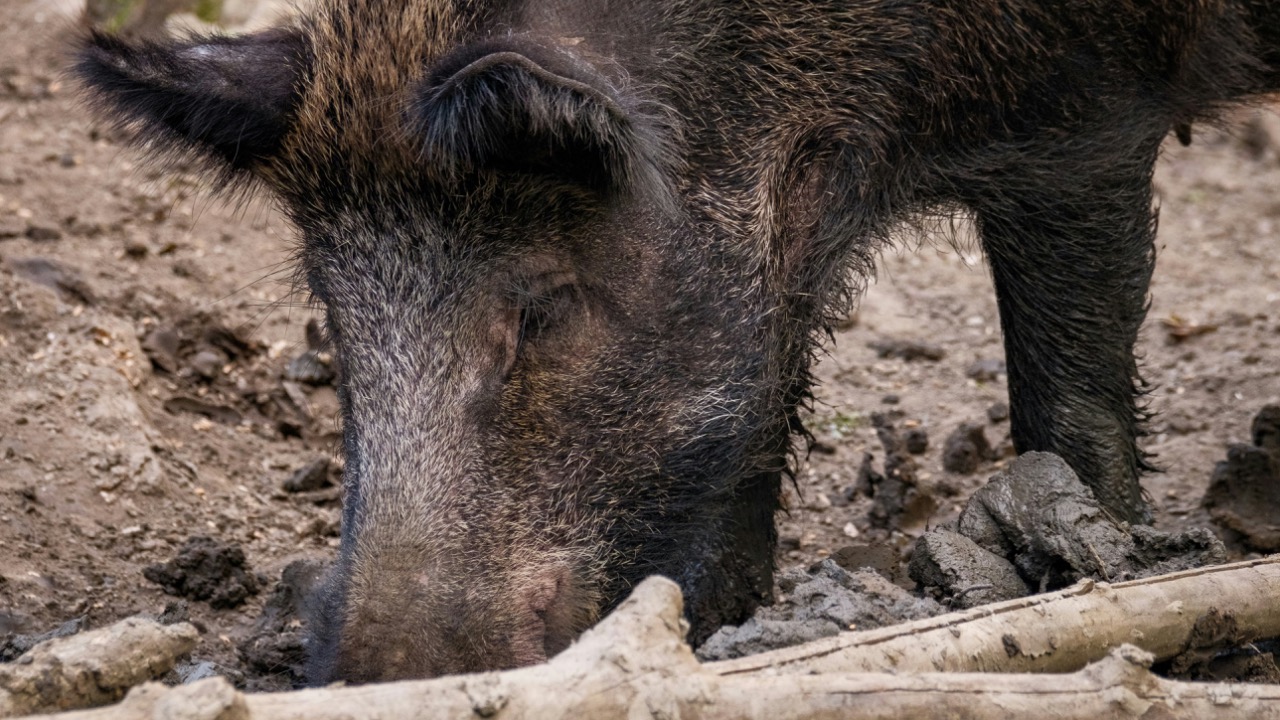
Hogs have keen noses and sharp hearing, especially when other hunters are present. Public-land hogs are wary because they encounter people more often. Use scent control, wind awareness, and slow movement to stay undetected.
Approach trails and bedding areas downwind when possible. Limit unnecessary noise from boots, gear, or conversations. Even skilled shooters can spook hogs instantly if they underestimate these senses. Mastering low-impact movement is critical to encountering hogs that have learned to avoid humans.
Consider Spot-and-Stalk
Stand hunting is not always practical on crowded public land. Spot-and-stalk techniques allow you to use binoculars to locate hogs and then move quietly for a clean shot.
Hogs are often visible in open fields, clearings, or edges of thick cover during feeding times. By using observation first, you can select a favorable approach without entering high-pressure areas unnecessarily. This method requires patience and careful planning, but it often yields better results than waiting in a single stand in heavily hunted zones.
Employ Multiple Weapons Strategically
While rifles and shotguns work, consider using a combination depending on terrain and distance. A compact rifle or pistol may be easier in dense cover, while a scoped rifle excels at open-field shots.
The right choice of weapon reduces movement and increases comfort in tight corridors. Public-land hunting often forces you into situations where quick follow-up shots are necessary. Selecting a firearm suited to the landscape and your approach method ensures you can make ethical and effective shots, even when hogs appear unexpectedly.
Track Patterns After Rain
Hogs respond to weather, particularly rainfall, which softens the ground and changes forage availability. Fresh tracks are easier to find, and hogs may shift feeding areas post-rain.
Pay attention to mud and fresh rooting spots. These conditions offer more predictable movement and increased visibility of sign. Hunters who use rain patterns to plan hunts often have better success on public land than those who ignore these natural cues. Timing your outings after rain maximizes your ability to intercept hogs where they are feeding and moving.
Hunt During Off-Peak Times
Weekends bring heavy traffic on public land, but weekday hunts usually offer less human pressure. Fewer hunters mean hogs move more naturally and are less cautious.
By targeting midweek or early-morning hunts, you gain access to areas that are otherwise overrun. Less human activity also reduces the chance of spooking hogs before you even get a shot. Even if you can only hunt short periods, timing trips strategically around lower pressure dramatically improves your odds of encountering hogs.

Asher was raised in the woods and on the water, and it shows. He’s logged more hours behind a rifle and under a heavy pack than most men twice his age.