Freshwater vs saltwater gear you actually need
Most anglers do not need two full closets of tackle to fish both lakes and oceans, but they do need to understand where freshwater and saltwater demands truly diverge. The right mix of corrosion resistance, rod power and lure size lets one compact kit cover most situations while still protecting gear from damage. I am going to focus on the handful of places where the environment forces different choices, and where you can safely overlap equipment without sacrificing performance or safety.
Freshwater and saltwater are different jobs, not different hobbies
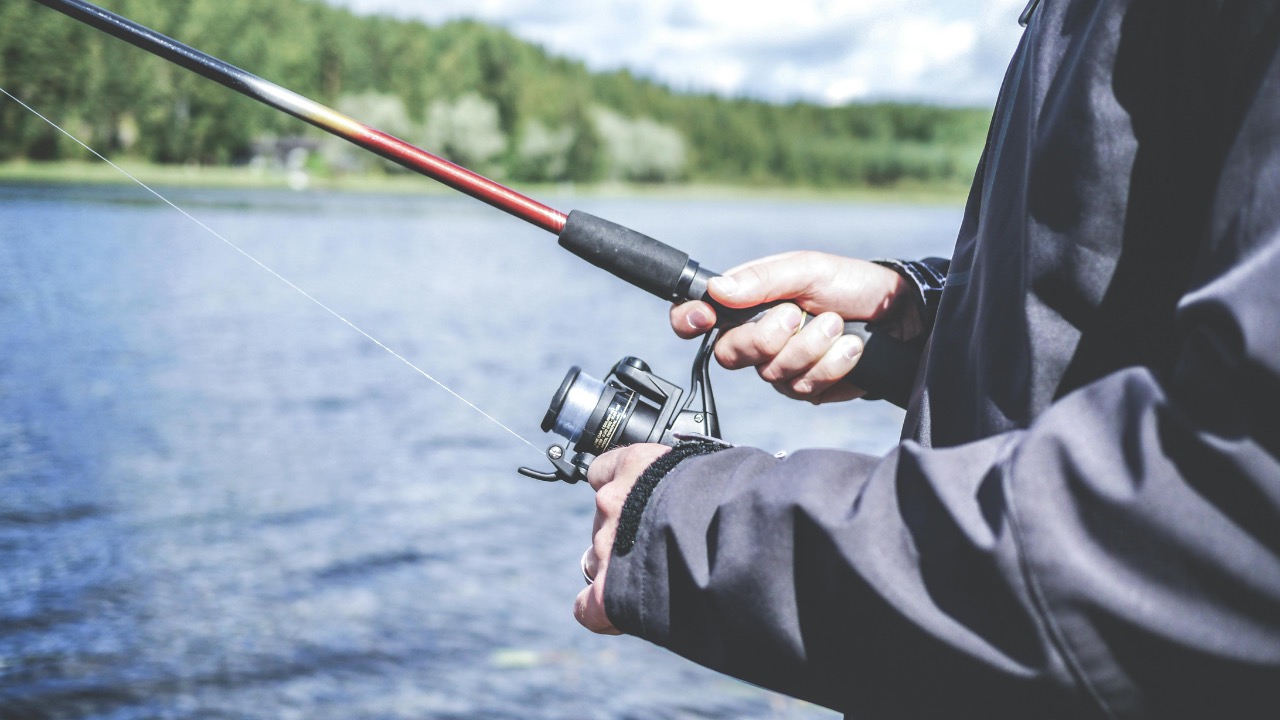
Saltwater and freshwater fishing look similar from the dock, yet the water itself changes almost every gear decision. Saltwater is denser, more buoyant and full of sodium and chloride ions that attack metal, while many freshwater lakes and rivers are gentler on hardware but demand more finesse to fool pressured fish. That is why the biggest factor separating saltwater and freshwater gear is corrosion resistance, not marketing labels or paint schemes.
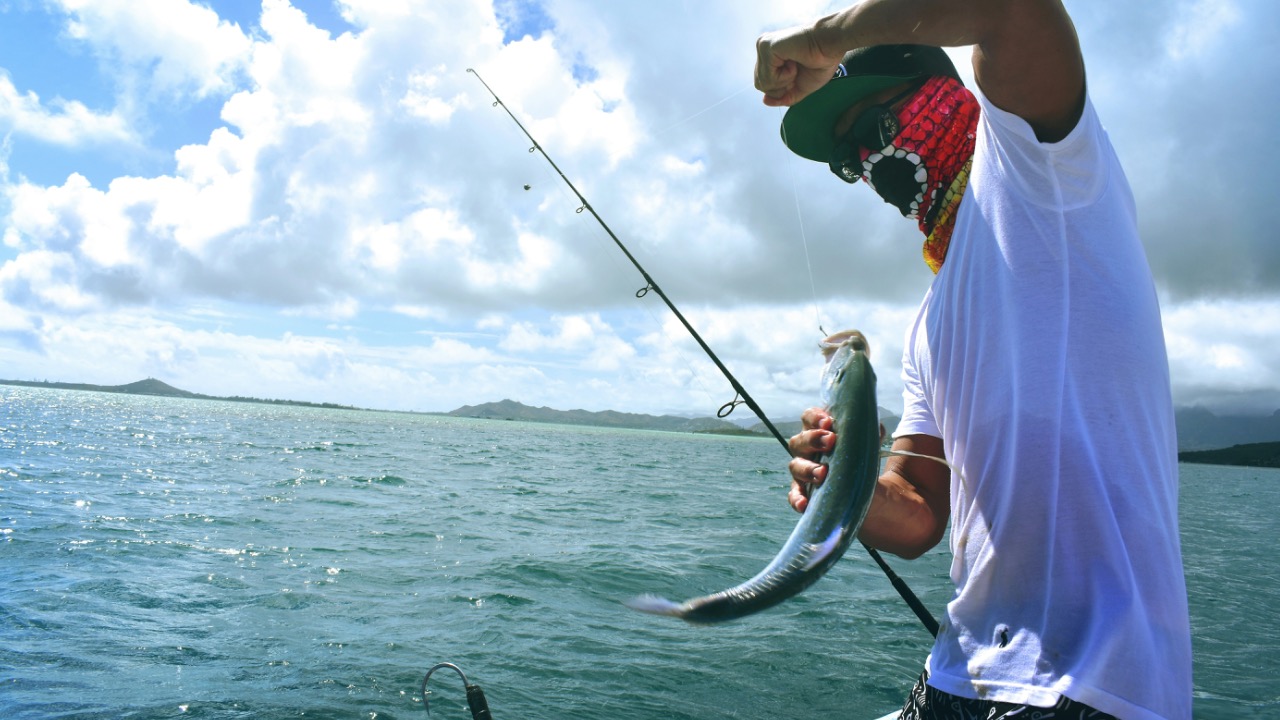
On the water, the contrast shows up in how and where you fish. Coastal anglers often cast into surf, jetties or deep channels where larger, faster species demand heavier tackle and longer runs, while inland trips usually target bass, crappie or trout in smaller, more controlled spaces. One comparison of saltwater and freshwater trips notes that the bigger the catch, the more the fight shifts toward the boat and that some boats are almost exclusively directed toward fishing, a reminder that offshore gear is built around power and space, not subtlety, in a way many freshwater rigs never need to be.
Rods: what truly has to change between lake and ocean
At a basic level, freshwater and saltwater rods are built the same way, with similar blanks and actions, which is why many anglers assume they are interchangeable. The real differences show up in the hardware and power ratings, since freshwater rods often use aluminum oxide guides and reel seats that perform well in lakes and rivers but are not designed to survive constant salt exposure. One detailed breakdown of construction materials notes that saltwater models lean on more corrosion resistant components and heavier actions to handle aggressive fish and larger lures.
Functionally, that means you can often bring a stout inshore saltwater rod into freshwater, but not the other way around. Freshwater and saltwater rods are essentially made the same way, yet guidance on Freshwater and saltwater rods stresses that the right choice still depends on the type of fishing you are doing, from light finesse presentations to heavy jigging. I find the most efficient setup for anglers who fish both is a medium spinning rod rated for 8 to 17 pound line with corrosion resistant guides, paired with a heavier casting rod for surf or big catfish, which covers most crossover situations without buying a full second lineup.
Reels and corrosion: where you cannot cut corners
If there is one place I tell anglers not to compromise, it is the reel. Saltwater has stuff in it that can really eat away at metal, and the sodium and chloride ions accelerate corrosion through chemical reactions that quickly destroy unprotected bearings, gears and drag stacks. One comparison of saltwater and freshwater equipment explains that these ions accelerate corrosion through chemical reactions, which is why sealed housings, anodized aluminum and stainless components are not luxuries in the surf, they are survival gear for your reel.
Freshwater reels, by contrast, can prioritize light weight and smoothness over armor, which is why many bass and trout reels use lighter alloys and open designs that would fail quickly in brine. I recommend that anyone who might fish saltwater even a few times a year invest in at least one sealed spinning reel rated for inshore use, then use it in freshwater as needed, rather than risking a freshwater reel in the ocean. That approach mirrors the logic behind combination accessories that integrate multiple functions in a single rugged unit, such as rod and cup holders that are designed to live on a boat and handle both environments in a single rugged unit.
Lure weight, line and the finesse factor
Once your rod and reel can survive the water, the next real divide is how you present the bait. Freshwater fishing gear tends to be lighter and less robust, with smaller hooks, thinner line and compact lures that match the size of bass, panfish and trout. A closer look at freshwater tactics notes that typical setups rely on modest rods, reels, hooks and bait, and that gear and tackle are scaled to the smaller bodies of water and species involved.
Saltwater fishing, especially from shore or offshore, often flips that script. Bank fishing on the ocean typically requires massive casts with heavier weights to punch through wind and waves, and one comparison points out that this need for distance and power is one thing that really sets saltwater apart from freshwater, where shorter, more precise casts are the norm. The same analysis warns that mishandling big saltwater fish can leave that fish permanently injured, a reminder that heavier line and stronger hooks are not just about landing the catch but also about avoiding drawn out fights that exhaust it, as highlighted in a detailed Bank fishing comparison.
Techniques and environments: how they shape your kit
Where you stand and how you cast should drive what you pack. Freshwater fishing often happens from shorelines, docks or small boats on lakes and rivers, where shorter casts and precise presentations around cover are more important than brute strength. One overview of freshwater tactics notes that gear and tackle tend to be lighter and less expensive, with anglers relying on spinning outfits, small crankbaits, soft plastics and flies, and that Gear and Tackle choices reflect the need for subtlety rather than raw power.
Saltwater fishing takes place in bays, estuaries, surf zones and offshore waters where waves, current and depth demand heavier sinkers, longer rods and more line capacity. One breakdown of the two styles notes that saltwater fishing takes place in larger, more dynamic environments and that anglers often need stronger rods and reels to reel in large saltwater species, which is why even entry level coastal setups look overbuilt compared with typical lake gear. I find that a compact kit for both worlds should include at least one medium spinning combo for lakes and rivers and one heavier outfit that can handle surf or big inshore fish, a balance that aligns with how saltwater fishing takes place in more demanding conditions.
What you can safely share between freshwater and saltwater
Despite the differences, there is more overlap than many tackle catalogs suggest. A medium power spinning rod with corrosion resistant guides, a sealed inshore reel and 15 to 20 pound braided line can handle largemouth bass, pike and inshore redfish with only a change of leader and lure. Guidance on the basics of saltwater and freshwater gear emphasizes that the core blank design and action are similar, and that the biggest factor separating them is corrosion resistance, which means a well chosen inshore setup can double as a heavy freshwater rig if you rinse it thoroughly after each trip, as highlighted in the Understanding the Basics section on Corrosion Resistance.
Some categories, however, should remain environment specific. A detailed explanation of rod selection notes that a rod is the first requirement for any fishing trip and that the rods used in both saltwater and freshwater are different, with some freshwater models simply not suitable for saltwater fishing because their components cannot withstand the harsher environment. That same analysis, in a section titled The Rod, underscores that anglers should avoid taking light freshwater rods into the surf, where a single big fish or a few hours of salt exposure can destroy them. I advise building your kit around one or two saltwater capable workhorses, then adding a truly ultralight freshwater combo only if you regularly chase panfish or trout.
How to build a minimal, versatile kit
For anglers who split time between lakes and coasts, the smartest move is to start with technique, not catalog categories. Freshwater fishing often emphasizes finesse for presentations, especially when using spinning lures, while saltwater setups lean on heavier lures and stronger line to handle current and larger fish. One comparison of equipment stresses that you should emphasize finesse for freshwater presentations and scale up for salt, a principle that lets a single medium spinning combo cover both if you swap leaders and lures according to the species and conditions, as explained in guidance on how to Emphasize Finesse for Freshwater Presentations.
From there, I recommend a simple checklist. First, choose one corrosion resistant spinning reel that can handle braided line and at least 150 yards of 15 to 20 pound test, then pair it with a medium or medium heavy rod rated for both freshwater and inshore species. Second, add a lighter freshwater combo only if you regularly fish small streams or finesse techniques that demand it, keeping in mind that freshwater gear tends to be lighter and less robust, as outlined in a closer look at Here, Gear and Tackle, Freshwater. Finally, round out the kit with a small selection of lures that scale from subtle freshwater plastics to heavier saltwater jigs, so you are carrying one streamlined box instead of two full tackle bags.

Leo’s been tracking game and tuning gear since he could stand upright. He’s sharp, driven, and knows how to keep things running when conditions turn.