Pistols that run well in all conditions
When a pistol is expected to run in all conditions, reliability stops being a marketing slogan and becomes a survival requirement. Whether the threat is a violent encounter, a blizzard, or a weeks‑long power outage, the gun has to fire every time, with minimal fuss and minimal maintenance. I look at handguns that way: as life‑support tools that must keep working when the weather, the environment, and the user are all far from ideal.
The pistols that truly earn that trust share a few traits, from robust internal design to forgiving ergonomics and simple controls. They are not always the newest or flashiest models, but they have track records in cold, heat, dust, and neglect. Understanding what makes them so dependable, and which specific designs have proven it, is the first step toward choosing a sidearm that will not quit when conditions turn ugly.
What “reliability in all conditions” really means
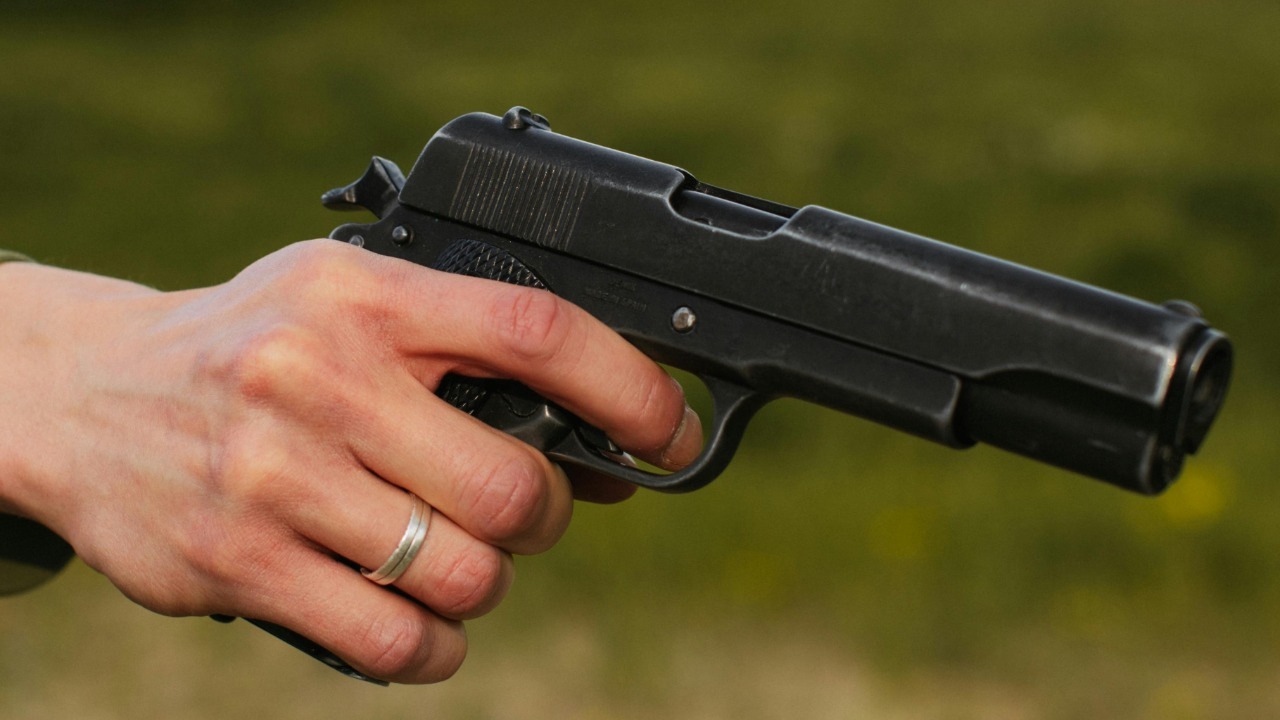
In practical terms, a reliable pistol is one that works every time the trigger is pressed, regardless of rain, dust, temperature swings, or how long it has been riding in a holster. For armed professionals, that standard is explicit: training guidance stresses that Reliability Your handgun must function whenever it is drawn, without a jam or misfire when it is needed most. I apply the same bar to any pistol I would carry for defense, because the bullet that fails to fire is usually the one that matters.
That standard becomes even more unforgiving in a survival or disaster context. Guidance on long guns notes that Reliability The last thing You want in a survival situation is a firearm that does not work, because a malfunctioning weapon might as well be a club. I see handguns through the same lens: they must tolerate dirt, rough handling, and imperfect lubrication without skipping a beat. When I talk about pistols that run well in all conditions, I am talking about designs that meet that harsh, real‑world definition of reliability rather than a clean indoor range standard.
Design features that keep pistols running
Some pistols are simply engineered from the outset to function anywhere, at any time, and under any circumstance. Marketing material for Sig makes that claim explicitly, describing how Sig Pistols are built to perform in varied environments and how They incorporate advanced features to enhance accuracy and reliability, as seen in compact models like the Sig Pistols They P238 Micro‑Compact Rainbow. I read that as a reminder that reliability is not an accident; it is baked into the design through choices about materials, tolerances, and how the gun cycles.
Across platforms, the most dependable pistols tend to share a few mechanical traits. They use proven operating systems with generous clearances that tolerate fouling, they rely on robust recoil springs and extractors, and they avoid overly complex external controls that can snag or freeze in bad weather. When I evaluate a handgun, I look for that same philosophy that appears in the Sig approach: a focus on function first, with durability and simplicity prioritized over cosmetic flourishes.
Cold, mud, and real‑world abuse
Extreme weather is where theoretical reliability gets stress‑tested. In cold climates, lubricants thicken, metal contracts, and gloved hands fumble small controls. Practical guidance on winter carry points out that traditional double‑action semiautomatic pistols from Beretta, Ruger, SIG, and others have long been trusted in harsh conditions, and that one of the standout choices for cold weather use is the Glock, which has earned a reputation for shrugging off low temperatures and snow. That same discussion bluntly warns that You may spend your next winter behind bars if you choose poorly, a stark way of underscoring how much is at stake when a defensive gun fails in the cold, as highlighted in the analysis of Beretta Ruger SIG Glock You and winter carry.
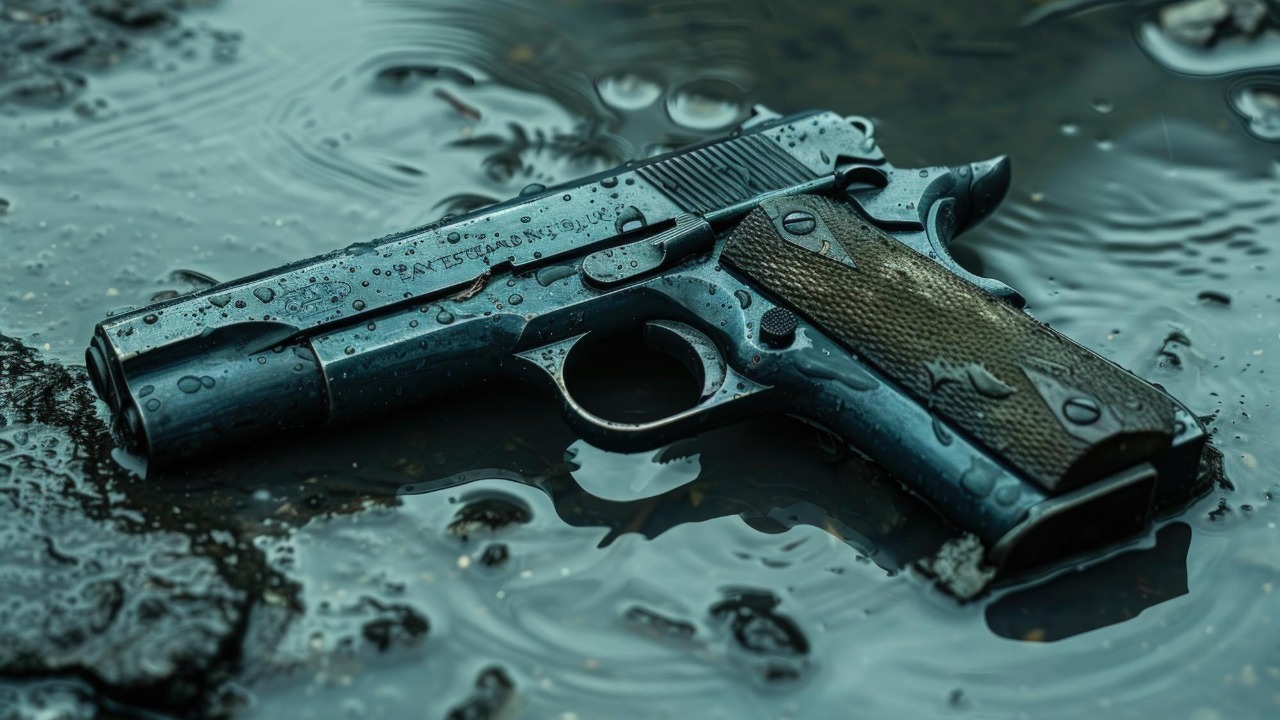
Reliability in mud, dust, and rain is just as critical. A pistol that runs flawlessly on a clean indoor range can choke when grit gets into the action or when it is drawn soaking wet from a rain‑soaked holster. I pay close attention to how a design handles that kind of abuse: generous ejection ports, strong magazine springs, and corrosion‑resistant finishes all help keep the gun cycling when conditions are ugly. The pistols that have earned reputations in military and law‑enforcement service, including those Beretta and SIG double‑action designs and the Glock family, did so by surviving exactly that sort of real‑world punishment.
Glock and the polymer workhorses
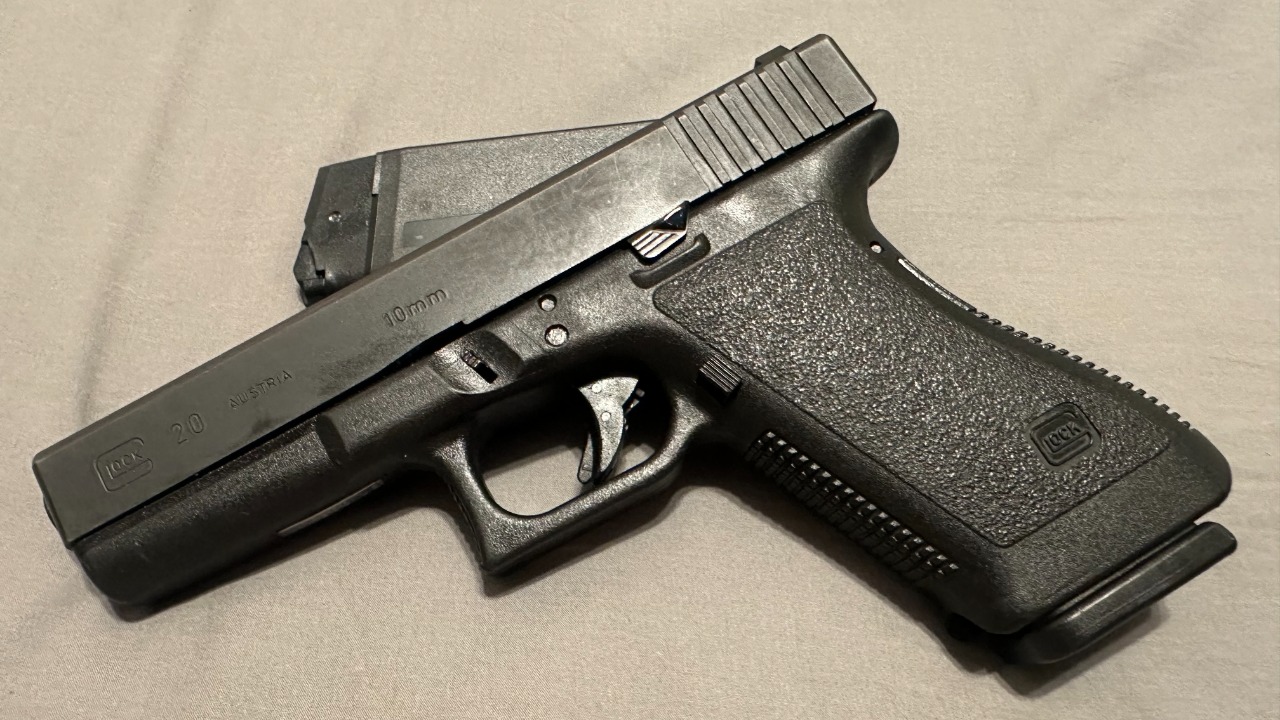
Among modern service pistols, Glock has become almost synonymous with reliability. Evaluations of the most dependable handguns consistently list Glock models like the G17 and G19 near the top, describing how Glock pistols combine simple striker‑fired mechanisms with durable polymer frames and forgiving tolerances that keep them running in adverse conditions. One detailed overview of the most reliable handguns highlights Glock alongside SIG Sauer and Heckler & Koch, and even breaks out sections titled Jul, Jump To, What Makes, Gun Reliable, The Most Reliable Handguns, and Glock to emphasize how central the brand has become in that conversation, as seen in the survey of The Most Reliable Handguns Glock.
The Glock 19 in particular has earned a reputation as a do‑everything sidearm. A focused look at battle belt setups notes that Reliability, Known for its ( The Glock ) unwavering performance, the Glock 19 can endure adverse conditions from extreme temperatures to dirt and moisture, and that this reliability is one of the pillars of its popularity. I see that echoed constantly in training classes and duty holsters, where the Glock 19 is treated as a default choice because it just works, a perception reinforced by the analysis of Reliability Known for The Glock Glock 19 on battle belts.
Metal‑framed classics: Beretta and SIG
Polymer pistols dominate the current market, but metal‑framed designs still set the benchmark for durability in many circles. The Beretta 92FS is a prime example. It beats many pistols to become the US military’s most popular handgun, a status earned through decades of service in varied climates and conditions. That same overview of pistol types notes that the Beretta 92FS functions reliably with a wide range of ammunition and has proven itself in both training and combat, which is why I still regard Beretta as a reference point when judging newer designs, as detailed in the discussion of Nov Beretta and other pistol types.
SIG Sauer’s classic double‑action pistols occupy a similar space. Full‑size models like the P226 and compact variants like the P229 are frequently grouped with Glock and Heckler & Koch in lists of the most reliable handguns, reflecting their long track records in law‑enforcement and military service. When I look at those guns, I see the same priorities that show up in the Beretta 92FS: robust locking systems, generous slide mass, and controls sized for gloved or stressed hands. In harsh environments, that kind of overbuilt engineering often matters more than shaving a few ounces of weight.
Reliability for new shooters and home defense
For someone buying a first handgun, the reliability question looks slightly different but is no less important. A new shooter needs a pistol that is both forgiving to operate and unlikely to malfunction when their grip or stance is less than perfect. One guide to beginner and home‑defense pistols singles out a Glock as very reliable and soft shooting, describing how that combination makes it a great choice for any beginner, and it also highlights the Ruger Mark IV 22/45 22LR as a user‑friendly rimfire option. I pay attention to that kind of advice because it reflects how real people learn, and because a gun that is Very easy to shoot well is more likely to be practiced with, as noted in the overview that praises a Glock’s manageable recoil and the approachable ergonomics of the Dec Very Ruger Mark IV 22/45.
Maintenance is another factor that matters more for new owners than for seasoned enthusiasts. The same guidance on beginner pistols points out that the maintenance requirements of a Glock are relatively light, with a simple field‑strip procedure and few small parts to lose. I see that simplicity as a major reason Glock and similar designs dominate home‑defense recommendations: a pistol that is easy to clean and hard to reassemble incorrectly is far more likely to be kept in working order. For a homeowner who may only shoot a few times a year, that kind of low‑maintenance reliability can be the difference between a gun that works when needed and one that quietly fails in the nightstand.
Choosing a pistol that will not quit
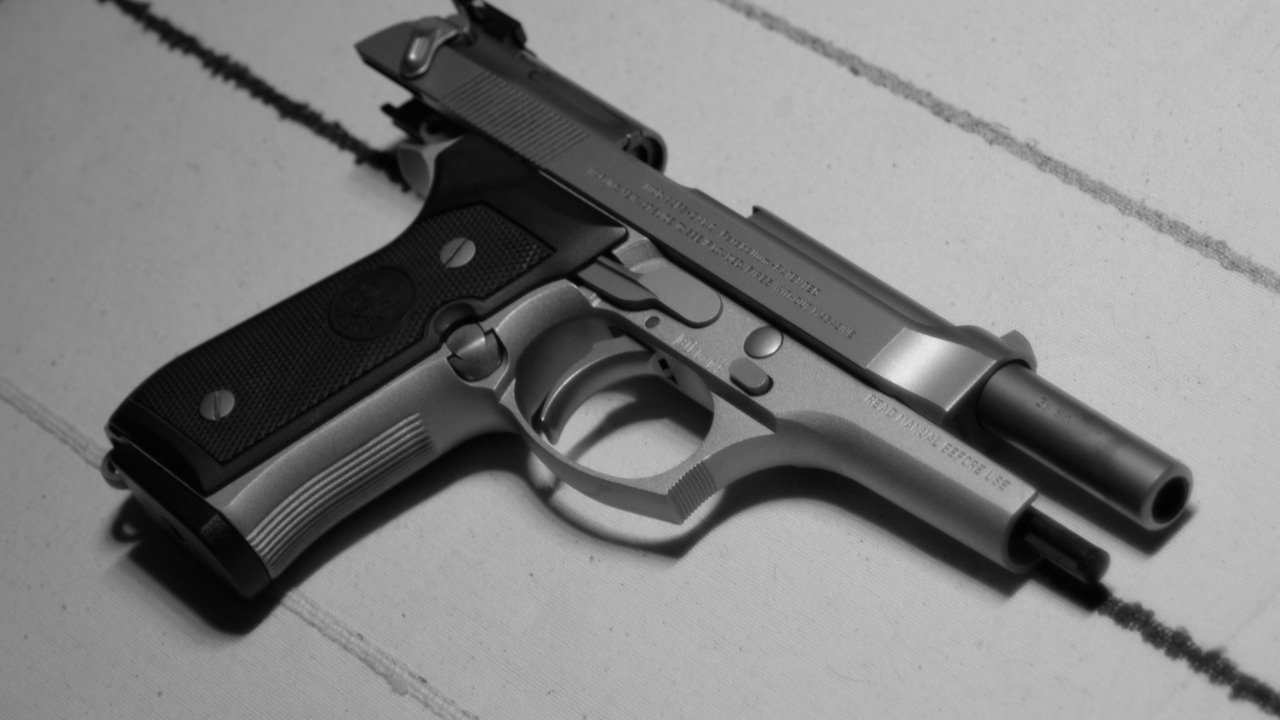
When I weigh all of this reporting and experience together, a pattern emerges. Pistols that run well in all conditions tend to be either proven polymer workhorses like the Glock 17 and Glock 19 or metal‑framed stalwarts like the Beretta 92FS and classic SIG double‑actions, backed by design philosophies that prioritize function over fashion. They are built to handle cold, mud, and neglect, as seen in the winter carry discussions of Beretta, Ruger, SIG, and Glock, and they are validated by the way professionals and trainers keep returning to them in lists of the most reliable handguns.
For an individual buyer, the choice among these platforms comes down to fit, intended use, and how much training and maintenance time is realistic. I always advise starting with a short list of proven designs, then testing how each feels in the hand, how the controls work under stress, and how the gun behaves when dirty or lightly lubricated. The goal is not to chase the latest trend, but to end up with a pistol that, like the best survival rifles and duty sidearms, will keep firing when the environment, the calendar, and the circumstances are all working against You.

Leo’s been tracking game and tuning gear since he could stand upright. He’s sharp, driven, and knows how to keep things running when conditions turn.