Calibers that complicate simple deer hunts
A deer hunt should be straightforward. You know the terrain, the distances are reasonable, and the goal is a clean, controlled shot. Yet some calibers manage to complicate things anyway. They add recoil where it isn’t needed, stretch effective ranges into guesswork, or demand perfect conditions to perform the way their reputation suggests.
These cartridges aren’t ineffective. They’ve all killed deer. The issue is how much extra work they introduce into hunts that don’t require it. When simplicity is an advantage, these calibers tend to get in their own way.
300 Winchester Magnum

The .300 Win Mag turns routine deer hunts into recoil management exercises. In typical whitetail ranges, it offers no real advantage over milder cartridges.
Recoil and blast shorten practice time, and small flinches sneak in unnoticed. You end up fighting the rifle instead of focusing on shot placement, which complicates something that should be simple.
45-70 Government
The .45-70 excels up close, but many deer hunts aren’t strictly close-range. Trajectory drops fast, and range estimation becomes critical earlier than most expect.
Misjudge distance by a little and the margin disappears. For hunts that involve mixed terrain, the cartridge adds unnecessary math and second-guessing.
28 Nosler
The 28 Nosler brings long-range capability into places that don’t need it. Recoil, muzzle blast, and barrel heat add complexity to basic shots.
Most deer are taken well inside the distances where this cartridge shines. You carry the downsides without ever using the upside, which complicates an otherwise clean hunt.
338 Winchester Magnum

The .338 Win Mag introduces heavy recoil and fatigue into hunts where precision matters more than power.
Follow-up shots slow down, and confidence erodes during long days afield. The cartridge performs, but deer hunting rarely demands what it brings to the table.
270 WSM
The .270 WSM promises improvement, but often delivers extra recoil and feeding quirks instead. Ammo availability can complicate logistics mid-season.
You gain little over standard options while adding variables that don’t help fill tags more cleanly.
300 Weatherby Magnum
Velocity sells confidence, but recoil sells problems. The .300 Weatherby turns moderate shots into noisy, punishing experiences.
Many hunters never exploit its range advantage, yet live with the drawbacks every shot. It complicates fundamentals instead of reinforcing them.
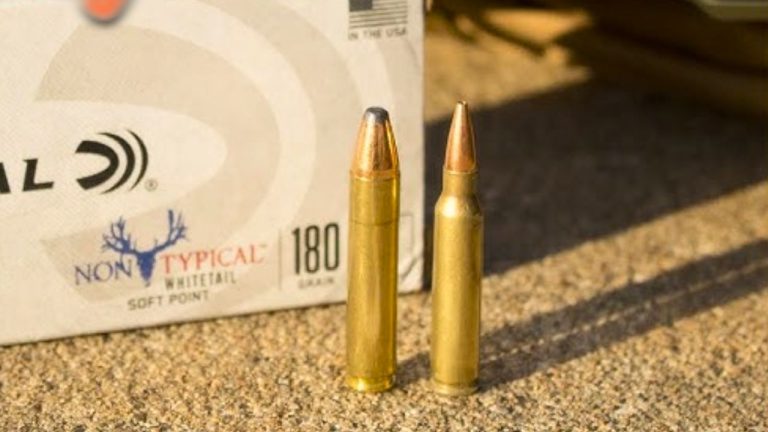
350 Legend

The .350 Legend works where required, but outside that niche it adds limitations. Drop and energy loss narrow ethical shots quickly.
Hunters often overestimate its flexibility, then adjust their hunt around the cartridge instead of the other way around.
224 Valkyrie
The Valkyrie promises efficiency, but wind sensitivity and terminal performance complicate deer-sized targets.
Perfect conditions become necessary for consistent results. When conditions aren’t perfect, outcomes become unpredictable.
25-06 Remington
The .25-06 looks ideal on paper, but light bullets and wind sensitivity demand discipline.
It works when everything lines up. When it doesn’t, results suffer quickly. Deer hunts shouldn’t require that level of precision planning.
6.5 PRC
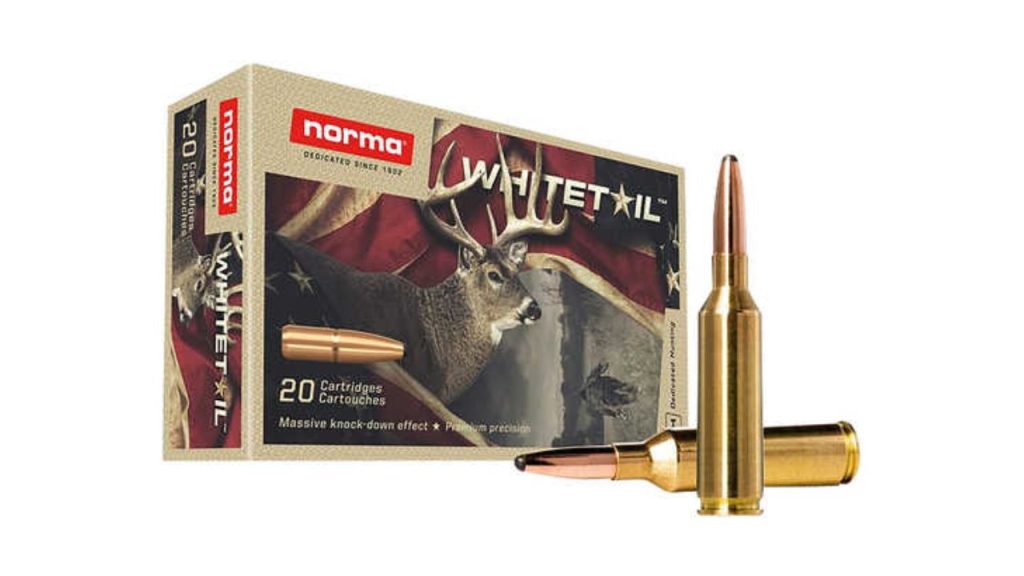
The 6.5 PRC adds recoil and barrel wear to gains most deer hunters won’t use.
It shines at distance, but most whitetail hunts don’t need that reach. The added complexity doesn’t translate into better results.
45 Colt (Rifle)
Out of a rifle, the .45 Colt can work, but trajectory and energy limits complicate range decisions quickly.
It’s effective up close, then falls off sharply. Hunters must constantly manage distance instead of focusing on opportunity.
17 HMR
The .17 HMR gets stretched into roles it wasn’t meant for. Wind drift and shallow penetration leave no room for error.
Deer hunts demand forgiveness. This cartridge offers none, complicating ethics and outcomes alike.

Leo’s been tracking game and tuning gear since he could stand upright. He’s sharp, driven, and knows how to keep things running when conditions turn.