Why shooting ranges are tightening ammo rules in 2026
Across the country, range regulars are walking into familiar facilities and finding unfamiliar rules taped to the check-in counter. Calibers that used to be fine are now restricted, rapid strings are capped, and certain bullet types are flat-out banned. In 2026, those changes are not random; they are the product of safety worries, environmental pressure, new state laws, and a volatile ammo market all colliding at once.
I have spent enough time on both sides of the firing line to know that most shooters are willing to follow clear rules if they understand the “why” behind them. The new wave of ammo policies can feel heavy-handed, but when you trace them back to lead exposure data, armor-penetrating bullets, and shifting liability, a pattern emerges that is worth unpacking before you get turned away at the counter.
Indoor ranges are under the microscope on lead and safety

The biggest driver behind tighter ammo rules is not politics, it is liability tied to lead and basic range safety. Indoor facilities in particular are being pushed to rethink what they allow downrange because of mounting evidence that poorly controlled lead dust and splashback can harm staff and customers, especially in busy urban corridors. One recent poll that looked at Safety and Environmental Concerns around indoor ranges found Environmental agencies focusing hard on lead pollution in densely populated areas, and that kind of attention makes insurers and local zoning boards nervous.
When you combine that scrutiny with the reality that a single negligent discharge or ricochet can shut a facility down, it is no surprise that operators are tightening the screws on what ammo they will accept. Many are moving away from unjacketed lead bullets, limiting magnum loads on older backstops, and insisting on frangible or fully enclosed projectiles for steel work. In my experience, those decisions are less about hassling customers and more about surviving the next inspection or lawsuit in a climate where Nov regulators and neighbors are far less tolerant of noise, dust, and safety complaints than they were a decade ago.
“Green tip” and steel-core ammo are first on the chopping block
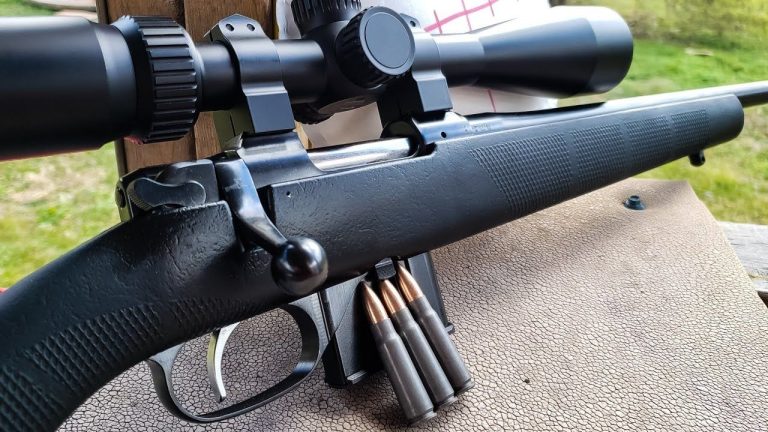
If you have been told to leave your 5.56 “green tip” in the truck, you have run into another major trend. Ranges are increasingly banning steel-core and penetrator-style bullets because they are hard on backstops and can punch through armor and steel targets that were never designed for them. Over the years, testing has shown that these rounds can penetrate steel armor and even chew through poorly rated berms, which is why many facilities now post explicit bans on that category of ammo at the counter and on their websites.
Some states have their own restrictions, but the real pressure is coming from range owners who have watched penetrator bullets crater expensive steel and send fragments back toward the firing line. One technical explainer on why Over the years these bullets have been shown to punch through backstops and steel targets lays out the problem in plain terms, and it matches what I have seen on the range: a few shooters running the wrong ammo can destroy thousands of dollars of equipment in a single afternoon. Faced with that math, most operators would rather deal with a few grumbles at check-in than a blown-out trap and a closed bay.
State laws are reshaping how ranges handle ammo
On top of technical concerns, range policies are being pulled along by a patchwork of new state rules that touch everything from what ammo can be sold to how it is stored. In Illinois, for example, a detailed rundown of Quick Answer style guidance on New Illinois Gun Laws 2026 makes it clear that Illinois is not banning new firearms in 2026, but it is tightening enforcement and compliance, with sharper penalties if you ignore them. Ranges in that state are responding by tightening their own ammo logs, checking FOID and carry credentials more carefully, and in some cases limiting on-site ammo sales to keep their paperwork clean.
Colorado is taking a different tack by changing how ammunition is displayed and accessed in retail settings, which affects ranges that sell ammo over the counter. Under House Bill 1133, ammo sold in Colorado will soon be kept off open shelves and only accessible with the help of a store employee, a rule that forces range pro shops to rethink their floor plans and staffing. When you add in local zoning boards that treat ranges like any other hazardous-use business, it is easy to see why operators are erring on the side of stricter ammo controls instead of risking a citation or license fight.
Court fights and background checks are changing the legal backdrop
Legal battles over ammunition rules are also shaping what range owners feel comfortable allowing. California’s voter-approved background check system for ammo purchases has been chipped away in court, with one recent ruling described as another blow to the state’s gun control framework that has been pared down case by case. That decision, framed around Why the court blocked ammunition background checks, underscores how unstable statewide ammo rules can be.
From a range operator’s perspective, that instability is a problem. When voter initiatives, court rulings, and agency guidance keep shifting, the safest move is often to adopt conservative house rules that will hold up no matter what the legislature or a judge does next. I have talked with managers who now require membership, tighter ID checks, or limits on bulk ammo purchases on-site, not because the law demands it, but because they want a clear, defensible policy if they ever end up explaining their practices to a regulator or a jury.
Price spikes and a clogged market are pushing ranges to ration
Ammo prices and supply are another quiet force behind stricter rules. The broader market is in a strange place: one detailed 2026 outlook notes that the reporting highlights multi year timelines and sustained government demand, and that the system underneath remains tightly balanced even when store shelves look full. That same analysis projects an Ammunition 3–12% increase in pricing, which lines up with what I am seeing on receipts and range fee sheets. When margins are thin and replacement costs are climbing, ranges have a strong incentive to control what gets shot on their property and how fast it gets burned.
At the same time, a separate breakdown of the U.S. ammo industry in crisis argues that the US ammo market right now is clogged with inventory and that it is not just a demand problem, it is a supply misfire and distribution mess. That kind of mismatch means some calibers are stacked deep while others are scarce, and it encourages ranges to standardize on what they can reliably replace. I am seeing more facilities limit obscure or boutique calibers, require you to buy their in-house ammo for rental guns, and discourage mag dumps that chew through stock they might not be able to restock quickly at a sane price.
Manufacturers’ price hikes filter straight into range rules
When manufacturers raise prices, the shock hits ranges almost immediately, and it shows up in policy as much as in sticker tags. One recent announcement from Kinetic Group spelled out that the following adjustments will apply with an Ammunition 3–12% increase, and that Aug guidance told Custome buyers to expect updated price lists before the hikes took effect. For a public range that burns through pallets of handgun and rifle ammo every month, that kind of increase is a serious hit.
To cope, many operators are tightening how they sell and allow ammo on-site. Some are raising minimum purchase quantities to keep per-box prices reasonable, others are banning outside reloads to avoid liability and focus on factory ammo they can mark up, and more than a few are nudging customers toward calibers where they have better wholesale deals. I have also seen ranges quietly adjust their rules on rapid fire and mag capacity, not only for safety, but to slow down consumption of the most expensive SKUs so they are not left holding the bag when the next price sheet lands.
Range culture is shifting: rapid fire, training standards, and etiquette
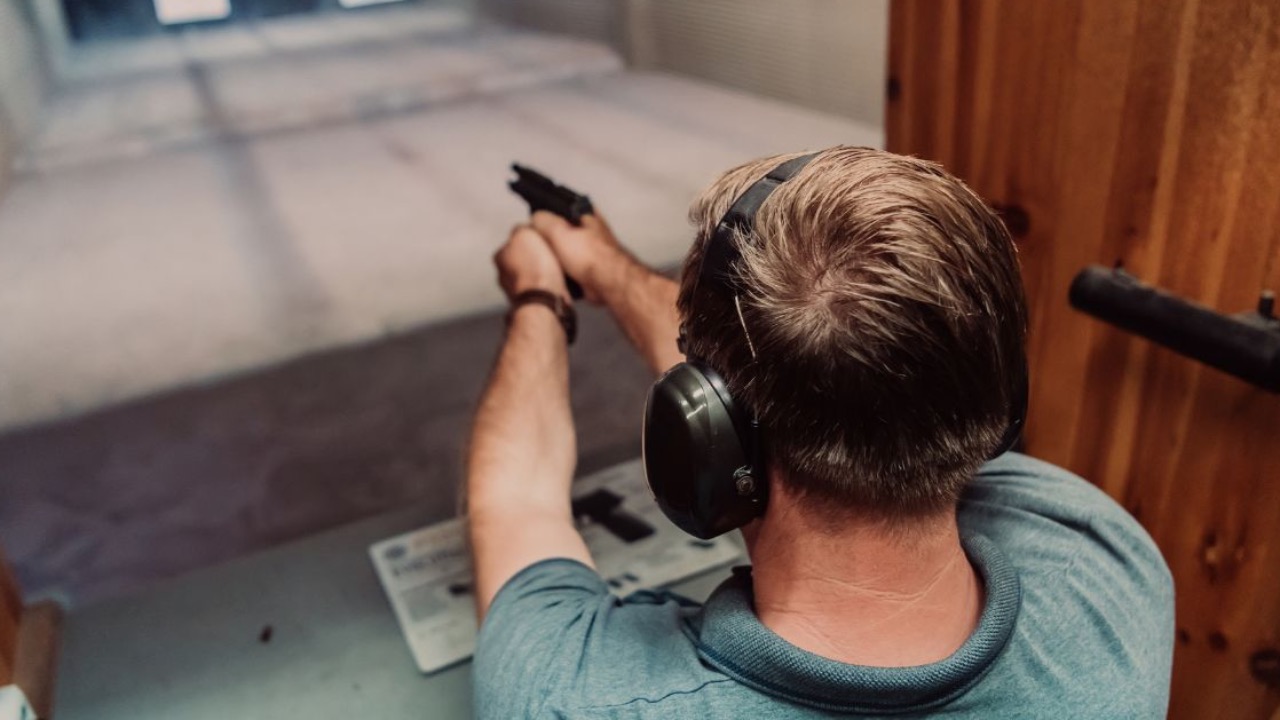
All of these pressures are changing the culture on the firing line itself. One of the most visible flashpoints is rapid fire. Many clubs now limit how fast you can run a string, especially indoors, arguing that it is hard to monitor accuracy and muzzle discipline when shooters are racing through magazines. A candid discussion among shooters noted that Rapid fire is allowed at some clubs as long as the shooter stays on target, but that there is often no one to monitor, so some people push the limits or simply do not care. Range owners see that same behavior and respond with blanket bans or strict cadence rules to keep things predictable.
From my vantage point, the best-run facilities are using this moment to raise the bar on training rather than simply stacking up “no” signs. They are pairing ammo restrictions with clearer safety briefings, better target stands, and more staff on the line so shooters understand why certain loads are banned and what is expected of them when they press the trigger. When a range explains that a particular rule protects the backstop, keeps lead out of the air, or keeps them on the right side of a state law, most serious shooters adapt. In a year when Environmental agencies, state lawmakers, and the ammo industry itself are all tightening the screws, that kind of transparency is the only way to keep the doors open and the firing line busy.

Asher was raised in the woods and on the water, and it shows. He’s logged more hours behind a rifle and under a heavy pack than most men twice his age.