Lessons hunters learn after years in the field
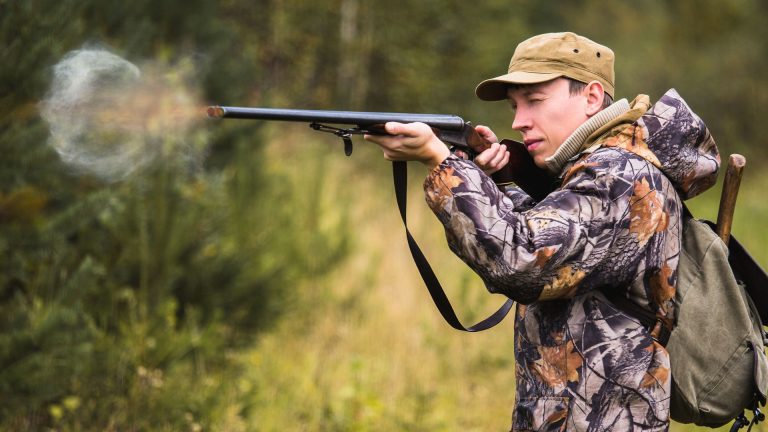
Years of hunting do more than fill a freezer; they quietly rewire how a person approaches work, risk, and responsibility. Season after season, patterns emerge in the stories hunters tell about missed shots, long sits, and hard-earned tags, and those patterns look a lot like a curriculum for life outside the woods. After listening to veteran hunters and instructors, I have come to see the field as a place where discipline, ethics, and perspective are tested in ways that few other pastimes can match.
The lessons are not abstract. They show up in how hunters grind through early alarms, how they handle failure, and how they treat the land and people around them. Over time, the focus shifts from antlers and grip-and-grin photos to something quieter but more durable: a way of paying attention, working hard, and giving back that follows them long after the season closes.
The grind teaches that hard work really does trump everything

One of the first truths that settles in after years in the field is that effort is not optional. Long before a shot is taken, there are maps to study, access to secure, and miles of scouting to cover on foot. Hunters who consistently find mature animals tend to be the ones who accept that Hard Work Trumps Most Everything, and that mindset spills into their careers and relationships. When I talk with seasoned deer hunters, they describe success less as luck and more as the compound interest of early mornings, offseason preparation, and a willingness to walk one ridge farther than the next person.
That ethic is echoed by hunters who frame their entire approach to life around work and persistence. One veteran described his philosophy bluntly as Work, arguing that the harder he pushes, the “luckier” he seems to get. Another reflection from the same community notes that There are only a few areas in life where effort so directly translates into results, and hunting is one of them. Over time, that clarity can be bracing: if you cut corners on practice or scouting, the season will usually show it.
Patience and presence become survival skills, not personality traits
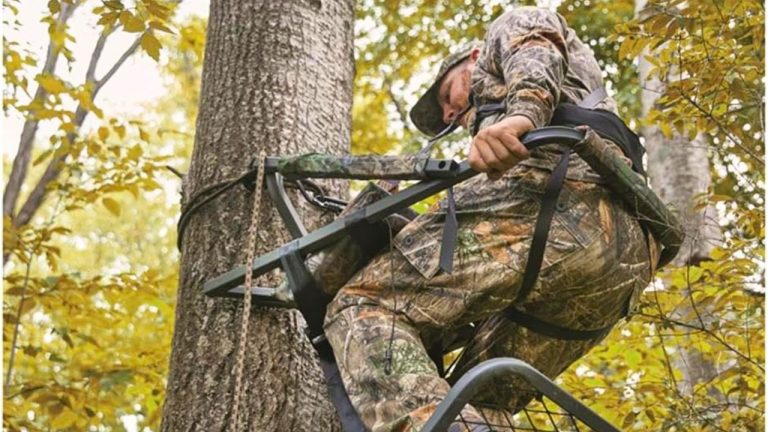
Another lesson that hardens with experience is that impatience costs opportunities. Sitting motionless in a stand or still-hunting through thick timber forces a kind of mental discipline that is rare in a world of constant notifications. Guides who work with new hunters often emphasize Patience as a core skill, not just for getting a shot but for staying safe and making sound decisions when adrenaline spikes. I have watched newcomers learn, sometimes painfully, that rushing a shot or crashing through cover rarely ends well.
That same focus shows up in broader discussions of what people take away from time afield. One breakdown of key takeaways from hunting lists Patience as the first and most obvious lesson, describing it as the art of waiting without giving in to frustration. Another reflection on fieldcraft notes that the best part of these skills is their portability: as one naturalist put it, Jan is a reminder that you do not have to be a hunter to cultivate the same awareness and presence, you just have to go outside and practice paying attention.
Experience shifts what “success” means in the field
Hunters rarely think about it this way at the start, but most of them move through recognizable stages as the years stack up. Early on, the focus is often on simply taking an animal, then on numbers, then on trophies. Over time, that narrow scoreboard tends to loosen. One influential breakdown of these phases notes that After many years in the field, the hunter begins to place the emphasis on the total hunting experience instead of just the kill. The same analysis points out that Being in the outdoors, sharing time with friends, and observing wildlife gradually become as important as punching a tag.
That evolution is not just anecdotal. One long-time instructor wrote that, However, after 35 years of hunting and teaching hundreds of people, the one thing that stands out is how consistently hunters go through several stages during their lifetime. He emphasizes the figure 35 to underline just how long it can take for that shift to fully settle in. By the time someone reaches what some call the “mature” or “method” stage, they are often more interested in how they hunt than in what they bring home.
Ethics and safety become non‑negotiable as stakes grow clearer
With experience, the abstract rules from a classroom turn into habits that feel as essential as buckling a seat belt. Formal training programs are designed to accelerate that process. The The Hunter Ed materials describe how the Course Curriculum All Hunter Ed resources are built to cover firearm handling, wildlife identification, first aid, and more, so that new hunters enter the field with a baseline of knowledge. A separate overview of certification requirements explains that An Overview of Hunters Ed Courses stresses firearm safety and often includes an in‑person field component to complement online lessons, reinforcing that safe gun handling is a lifelong commitment, not a one‑time test.
Ethics evolve alongside safety. One widely shared framework describes how Ethical hunting starts with the Four C’s, a set of principles that spell out Four key traits: Careful, Courteous, Considerate, and capable. The idea is simple but demanding: every decision in the field should reflect care for yourself, respect for landowners, consideration for wildlife, and competence with your equipment. Over time, those expectations become part of a hunter’s identity, shaping how they behave even when no one is watching.
Resilience grows from missed shots and long, empty seasons

For all the grip‑and‑grin photos that circulate online, most hunts end without a filled tag. Learning to keep going in the face of that reality is one of the most durable skills the field teaches. A story shared by one backcountry hunter captures this perfectly: a mentor told him about the He told me of how many times his friends would drive off the mountain just minutes before he would shoot an elk from the very spot they had just abandoned. The lesson, summed up in the phrase “just keep hunting,” is that persistence often pays off right after most people quit.
That same stubbornness shows up in how hunters talk about work ethic and failure. One reflection on life in the field notes that the harder someone pushes, the more “luck” seems to appear, reinforcing the idea that setbacks are not signals to stop but invitations to adjust and try again. Another account of personal growth through hunting points out that Jun is a reminder that if you are someone who is willing to work harder than the next person, you can often overcome natural disadvantages in skill or access. Over years, that mindset can change how a hunter approaches everything from job searches to family crises.
Perspective widens from personal trophies to giving back
As hunters age, many of them describe a quiet shift from chasing their own milestones to helping others reach theirs. One Canadian analysis of hunter development notes that While this particular stage was not identified in the original University of Wisconsin study, what the author calls The Giving Back Stage is clearly visible in the field. In this phase, the priority becomes mentoring new hunters, volunteering for conservation projects, and advocating for access and habitat, often with less concern for personal harvest.
A similar pattern appears in discussions of fair chase and long‑term ethics. One breakdown of the “five stages” of ethical hunting notes that Passing on skills and knowledge becomes a central focus as hunters mature, and that this is also where the need to give back to wildlife and the hunting tradition itself becomes stronger. In practice, that can mean everything from teaching a neighbor’s teenager how to shoot safely to supporting organizations that restore habitat, all rooted in the understanding that the opportunity to hunt is something inherited and, ideally, improved for the next generation.
Hunting reframes how people see food, travel, and culture
Beyond personal growth, long‑time hunters often talk about how the field changes their relationship with food and place. Spending days tracking animals and then processing meat at home tends to make the origin of a meal impossible to ignore. One professional shooter who spends part of his year abroad explained that Hunting is more about the hunt than it is about the harvest, and that he teaches newcomers they do not just go out and take animals. That perspective, shaped by exposure to European traditions that emphasize ceremony and respect, often leads hunters to think more critically about how they consume meat and how they talk about animals with nonhunters.
Those cultural lessons loop back into how hunters move through their own landscapes. One reflection on fieldcraft from a naturalist organization notes that Lessons from a hunter can help anyone, including people who never pick up a rifle, see the world the way nature intended, with more attention to tracks, sounds, and seasonal shifts. Over time, that way of seeing can turn a routine walk into a kind of informal survey of the land, where every broken twig or distant call is a data point. For many hunters, that heightened awareness becomes one of the most valuable things they carry out of the woods, long after the last tag is filled.

Leo’s been tracking game and tuning gear since he could stand upright. He’s sharp, driven, and knows how to keep things running when conditions turn.