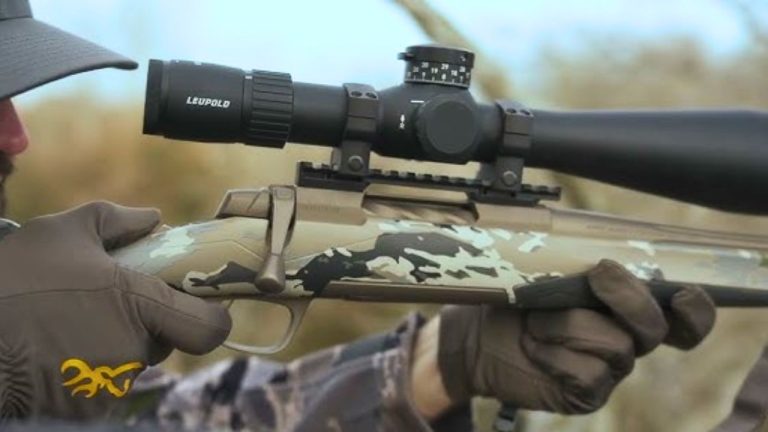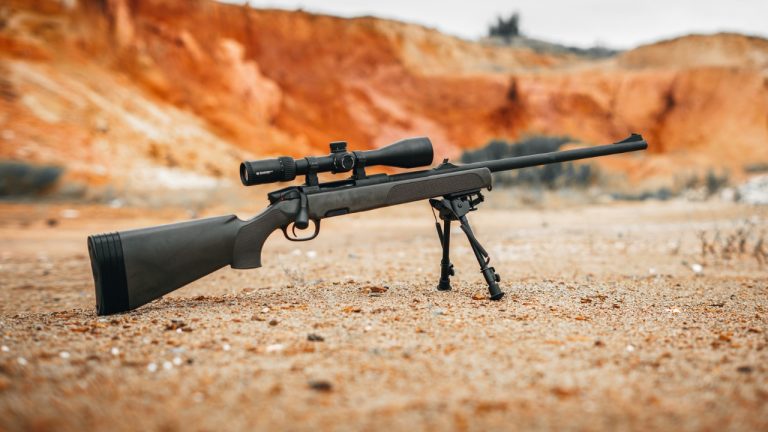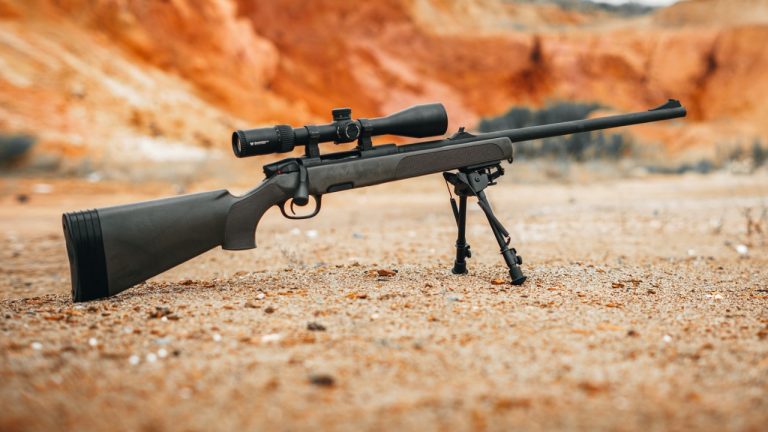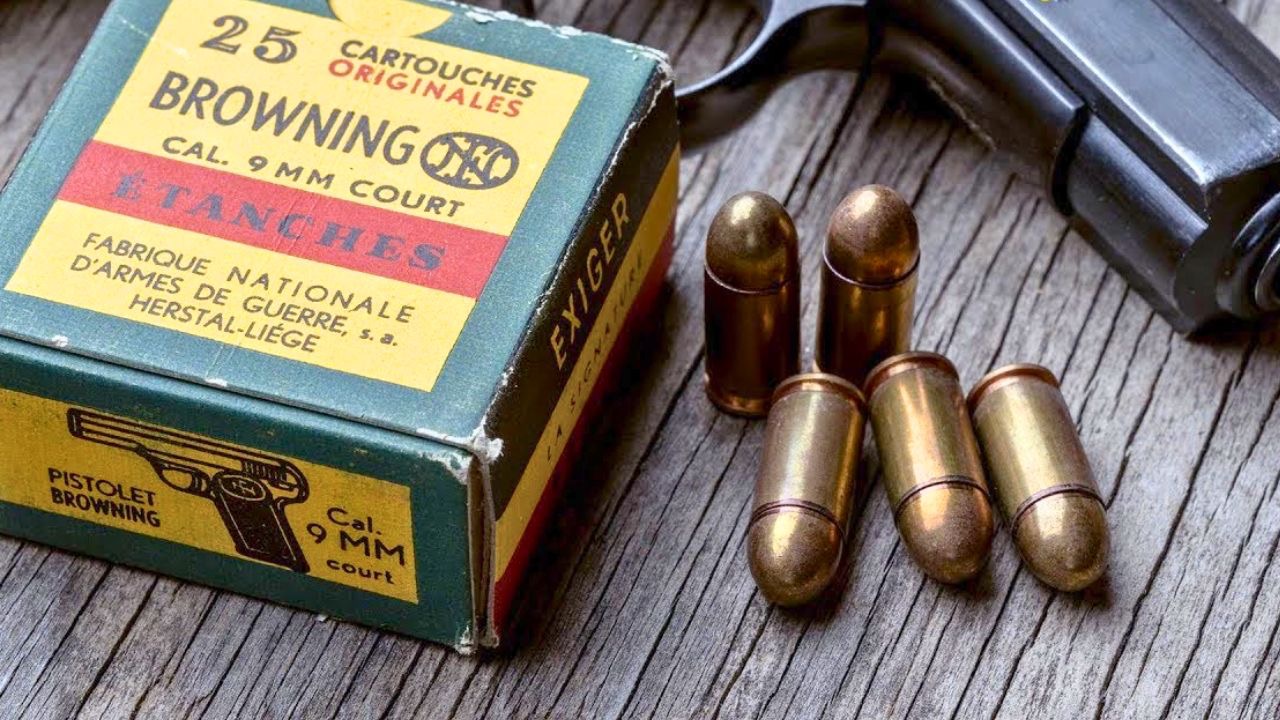
Calibers that perform well without excessive recoil
Picking calibers that hit hard without beating you up is the fastest way to shoot better, whether you are working on defensive skills, small‑game hunting, or range practice. The cartridges below all have a track record of solid performance with recoil levels most shooters can manage, even in lighter guns.
1. 9mm Luger
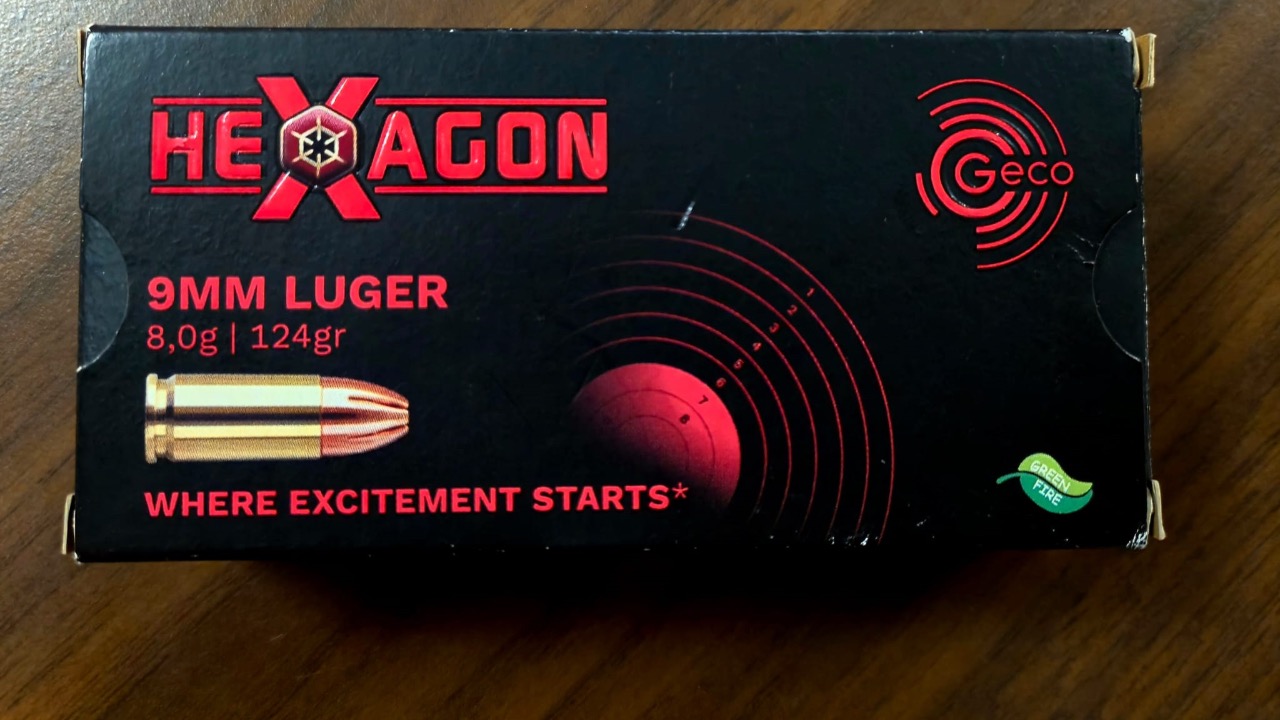
The 9mm Luger has become the default defensive handgun caliber because it balances power, capacity, and control. Standard 115‑grain loads typically generate about 4 to 6 foot‑pounds of felt recoil in service‑size pistols, which keeps the gun manageable while still driving bullets fast enough for reliable expansion. Compared with snappier options like .40 S&W, that softer push lets newer shooters stay on target and get meaningful practice without flinching after a few magazines.
Recoil matters most when you need fast, accurate follow‑up shots. Testing that compared 9mm to .40 S&W highlighted how a heavier 180 g .40 bullet delivers strong penetration and energy transfer, but it also brings more muzzle rise and fatigue in compact pistols. That is exactly why many agencies and private carriers have migrated back to 9mm: they get adequate terminal performance with recoil that most shooters can actually control under stress.
2. .22 Long Rifle (.22LR)
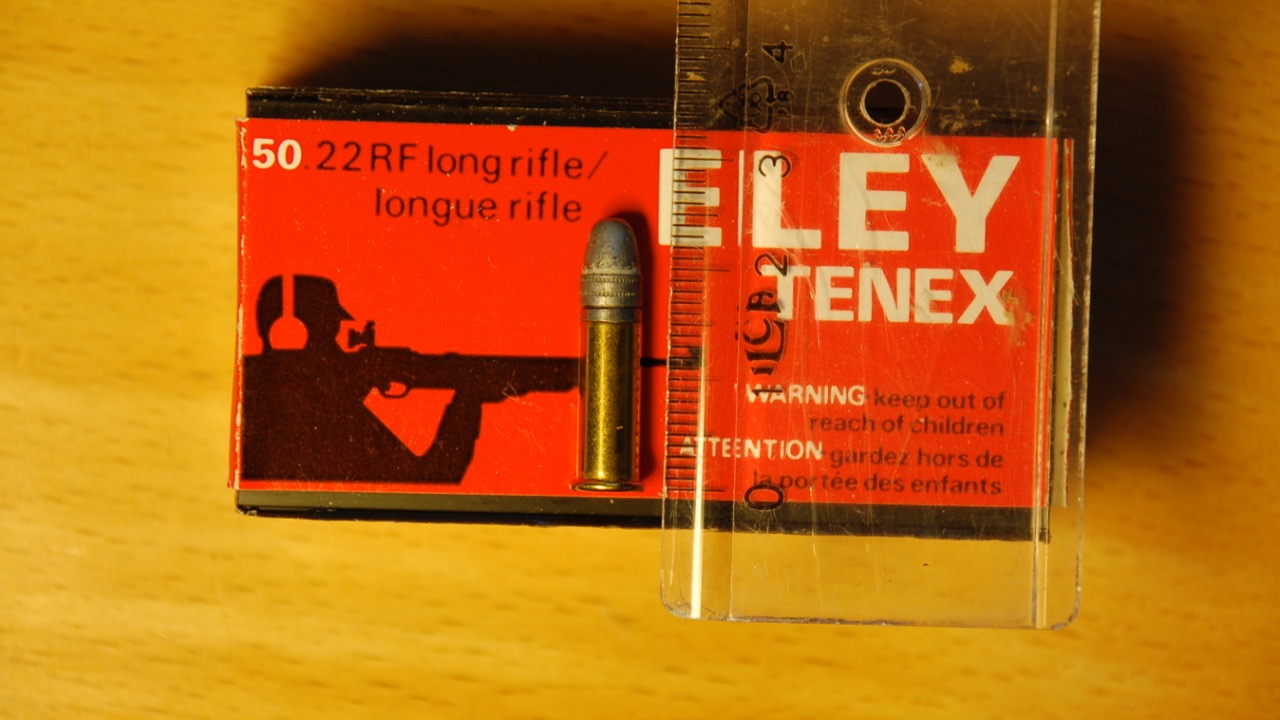
The .22 Long Rifle is the king of low‑recoil shooting. Typical loads produce less than 1 foot‑pound of recoil energy, which is so mild that even kids and recoil‑sensitive adults can shoot bricks of ammo in a single session without sore shoulders or bad habits creeping in. That lack of kick lets you focus on sight picture and trigger press, which is why so many instructors start new shooters on a .22 pistol or bolt‑action rifle.
Minimal recoil also pays off in the field. A .22LR rifle is accurate enough for head shots on squirrels and rabbits out to realistic woods ranges, and the quiet report helps when you are working around farms or cabins. Because the cartridge is cheap and easy to stockpile, it encourages the kind of high‑volume practice that actually builds skill, instead of the “two magazines and done” routine that heavy‑recoiling centerfires often force.
3. .380 ACP
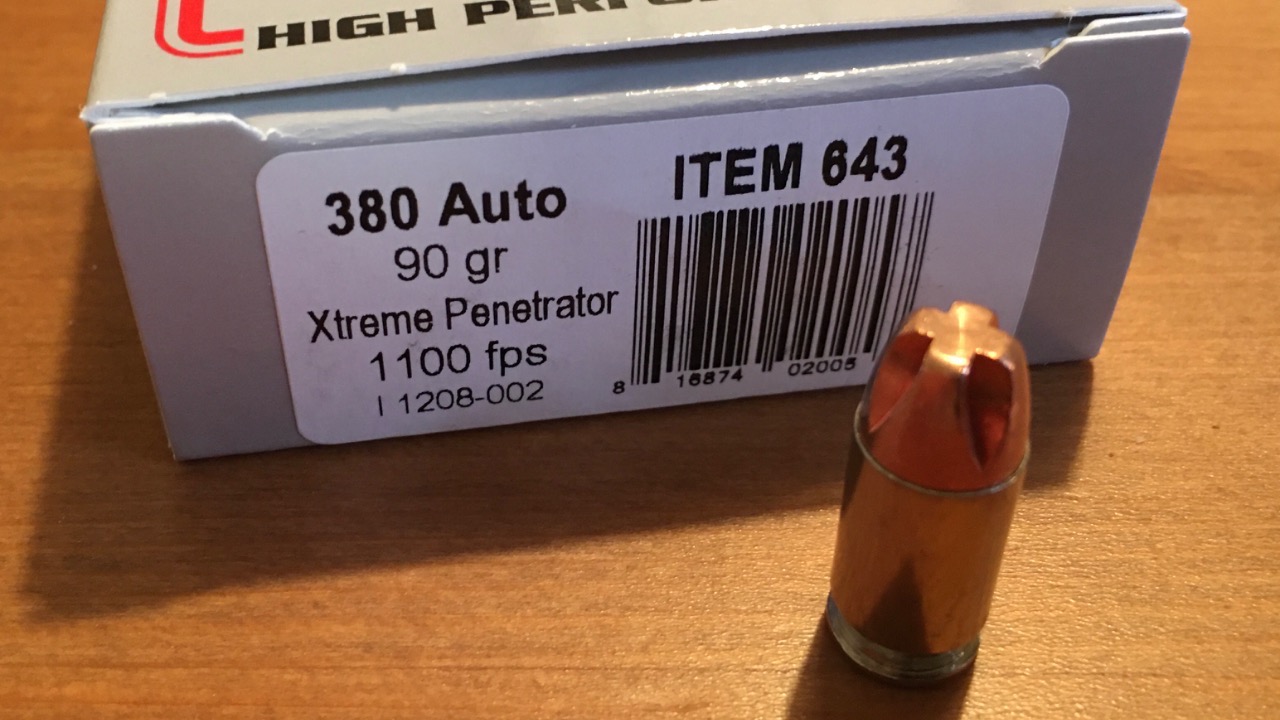
The .380 ACP sits in a sweet spot for deep‑concealment pistols. In compact handguns, it typically generates around 5 foot‑pounds of recoil, noticeably less than 9mm in the same tiny frames. That reduction matters, because micro pistols are light, have short grips, and tend to punish poor technique. With .380, most shooters can keep a firm hold, track the front sight, and fire controlled pairs without the gun twisting out of the hand.
From a defensive standpoint, modern .380 hollow points give you credible stopping power at realistic self‑defense distances, especially when you place shots accurately. The tradeoff is limited penetration through barriers and a narrower margin for error compared with service calibers. For people who will only carry a pocket‑size pistol, though, the lower recoil of .380 ACP often means more practice, better hits, and a gun that is actually on them instead of left at home.
4. 5.7x28mm FN
The 5.7x28mm FN was built for personal defense weapons, and its recoil profile shows it. Fired from platforms like the FN Five‑seveN or compact carbines, it produces a recoil impulse that feels closer to a hot .22 than a traditional service pistol round, even while pushing bullets past 2,000 feet per second. That combination of speed and low kick makes it easy to keep sights flat and run fast strings without losing control.
Where 5.7x28mm separates itself from rimfire is terminal performance. Purpose‑built loads are designed for controlled penetration and reliable disruption in soft targets, something .22LR cannot match. For security teams, home defenders, or anyone managing recoil‑sensitive shooters who still need centerfire performance, the cartridge offers a rare mix of controllability and effectiveness that standard handgun rounds struggle to equal.
5. 5.56x45mm NATO
The 5.56x45mm NATO is proof that rifle power does not have to mean punishing recoil. In AR‑15 platforms, typical loads deliver around 1,300 foot‑pounds of muzzle energy, yet the gas system and straight‑line stock spread that impulse into a surprisingly soft push at the shoulder. With a decent brake or flash hider, most shooters can spot their own hits through the optic and stay on target for rapid follow‑ups.
That controllability is a big reason 5.56 dominates practical carbine work, from training classes to ranch trucks. It hits much harder than pistol calibers, but it is still manageable for smaller‑framed shooters and those new to centerfire rifles. For hunters, similar thinking shows up in advice that cartridges like the .270Win offer “plenty of power but without excessive recoil,” reinforcing the broader point that smart cartridge choices help people shoot more, shoot better, and make cleaner hits when it counts.

Asher was raised in the woods and on the water, and it shows. He’s logged more hours behind a rifle and under a heavy pack than most men twice his age.