12 Hunting cartridges that don’t get enough attention
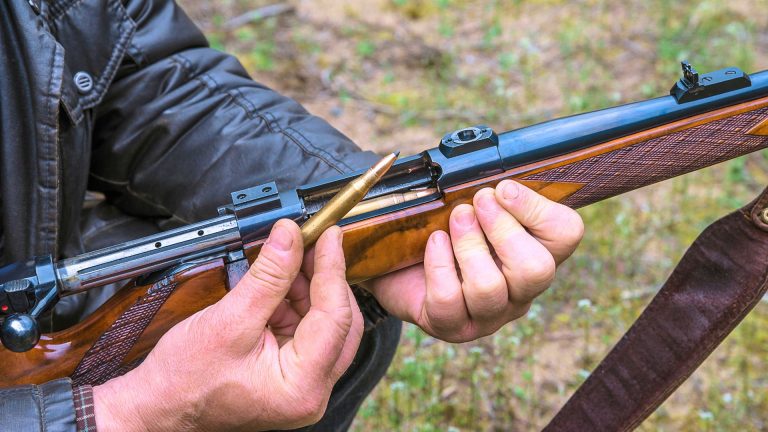
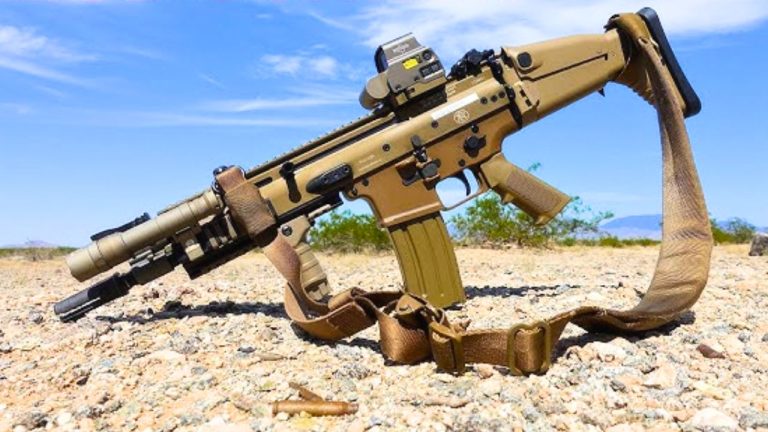
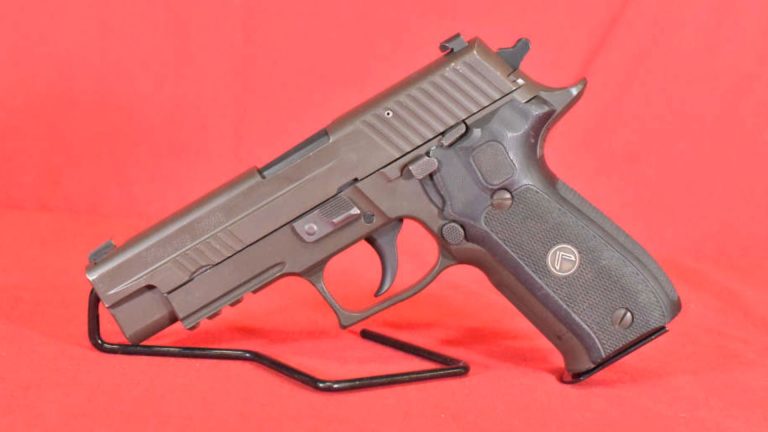
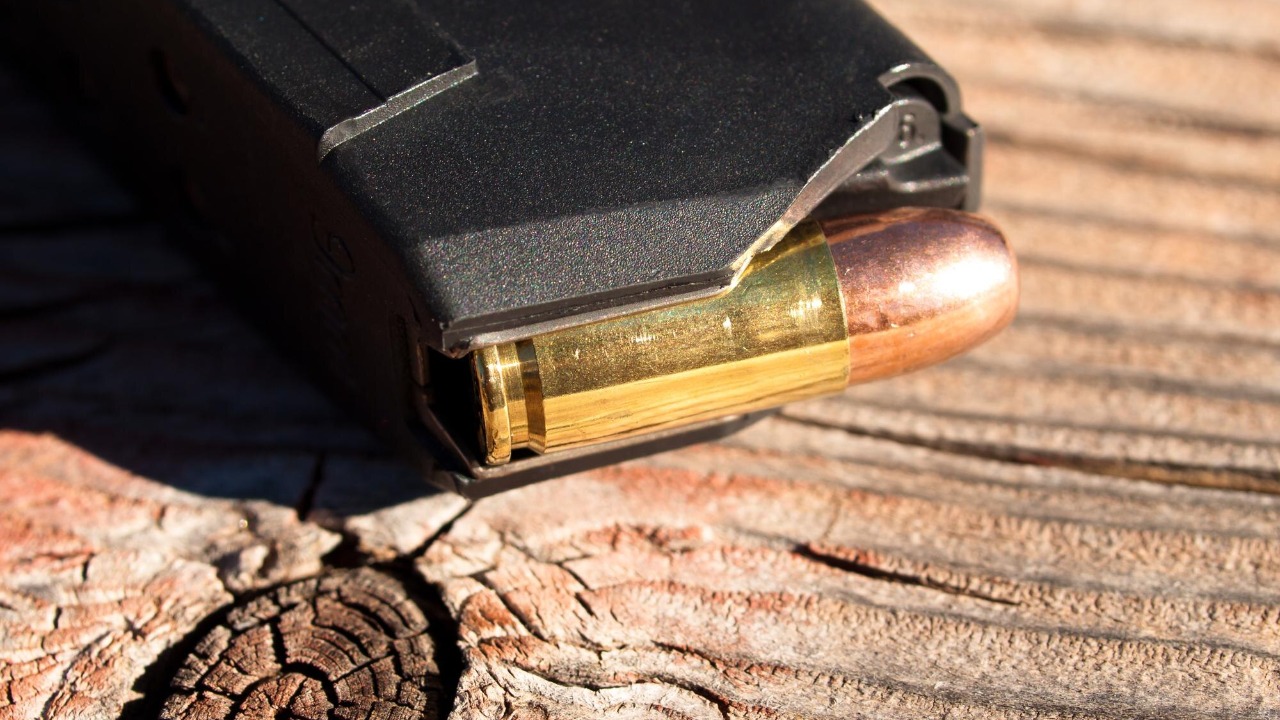
New cartridges grab headlines, but plenty of older rounds still put meat in the freezer without getting much attention. Like a classic album that, as one music writer put it, “doesn’t get enough attention,” these hunting cartridges keep working in the background while newer offerings soak up the buzz. Here are 12 I reach for when I want performance, history, and a little breathing room at the ammo rack.
1. The .25-20 Winchester – its versatility for small game hunting at close ranges as an overlooked lever-action classic.

The .25-20 Winchester shows up on short lists of the “5 best old-school cartridges you don’t already own,” and that is exactly how I see it. In that rundown of old-school cartridges, the .25-20 is praised for mild recoil and practical field performance, not raw speed. In a light lever gun, it is quiet, accurate, and easy on edible meat, which matters when you are shooting squirrels, rabbits, or farmyard pests around buildings and equipment.
Inside 75 yards, a flat-nosed soft point from the .25-20 hits harder than any rimfire while staying controllable for new shooters. I like it for walking old logging roads where shots are quick and close. For landowners, the low report and low risk of ricochet compared with centerfire magnums make it a smart tool for daily chores, even if it rarely shows up in glossy ads.
2. The .32-20 Winchester – its historical use in both revolvers and rifles for varmint control without modern hype.
The .32-20 Winchester shares that “why do not more people shoot this?” status with the .25-20, and it sits alongside it in the same list of old-school cartridges you do not already own. Historically chambered in both rifles and revolvers, it gave ranch hands one cartridge for the saddle scabbard and the belt holster. That dual role made it a go-to for varmints, camp meat, and the occasional coyote that slipped too close to the herd.
In the field today, the .32-20 still fills that niche between rimfire and big-game centerfire. Loaded sensibly, it is accurate and effective on raccoons, foxes, and similar-sized animals without the blast of modern high-velocity rounds. For hunters who like classic lever actions and single-actions, it offers a way to keep history alive while still doing real work around the farm or trapline.
3. The .38-55 Winchester – its balanced power for medium deer hunting in dense woods, often forgotten today.
The .38-55 Winchester is another pick from the same group of five old-school rounds that deserve more range time. It predates the .30-30, yet for close-range deer in timber it hits with a broad, heavy bullet that kills cleanly without punishing recoil. In traditional lever guns, it is accurate enough for the 100-yard shots that define most Eastern whitetail hunting.
What I like about the .38-55 is how forgiving it is on marginal angles. That big, slow bullet tends to track straight and exit, leaving a clear blood trail in thick cover. Modern hunters chasing velocity charts overlook it, but for still-hunting in oak ridges or tracking in snow, the cartridge offers a calm, confident way to anchor deer without needing a magnum stamp on the barrel.
4. The .44-40 Winchester – its cowboy-era legacy for black bear and elk at moderate distances, ripe for revival.
The .44-40 Winchester shows up in that same survey of old-school cartridges as a reminder that the “cowboy” rounds once fed serious hunting rifles. In strong modern actions, it can push a heavy flat-point bullet fast enough for black bear or elk at woods ranges, which is exactly what hunters used it for when it was new. Its reputation as a pistol cartridge hides that history.
In the field, I treat the .44-40 like a moderate-pressure .44-caliber rifle round, not a toy. Inside 100 yards, it hits hard, penetrates well, and works especially well with cast bullets. For hunters who like traditional lever guns, it offers a historically grounded way to hunt big game in thick cover while keeping recoil and muzzle blast manageable.
5. The .45-70 Government – its trapdoor rifle roots for big game like moose, still underutilized in contemporary setups.

The .45-70 Government rounds out that list of five old-school cartridges, and it also appears in Craig Boddington’s picks in One Hunter’s Short List of Old-Time Hunting Cartridges. There, Craig Boddington points out that there is special satisfaction in using a classic old-timer, and the .45-70 fits that perfectly. Born in trapdoor rifles, it has been taking moose, bison, and big bears for generations.
Modern loads in strong actions turn the .45-70 into a serious big-game tool without needing a belted magnum. For hunters in thick alder or spruce, a heavy .45-caliber bullet at moderate speed hits hard, tracks straight, and does not blow up meat. I see it as underutilized today because many shooters assume it is outdated, when in reality it still ranks among the most practical close-range big-game cartridges available.
6. The .303 British – its military surplus availability making it a budget-friendly choice for whitetail that flies under the radar.
The .303 British shows up in Craig Boddington’s list of classic hunting cartridges that deserve attention, and he notes the appeal of surplus rifles that still work in the deer woods. Many hunters picked up Lee-Enfields when they were cheap and used them as truck guns or loaners, yet the cartridge itself is fully capable of cleanly taking whitetails and similar game.
With soft-point hunting bullets, the .303 British delivers performance in the same neighborhood as early .30-caliber rounds that get far more praise. For budget-conscious hunters, it offers an affordable way into centerfire hunting without sacrificing effectiveness. I see it as underappreciated because it is tied to old military rifles, even though its ballistics and field record speak for themselves.
7. The 7×57 Mauser – its flat trajectory for mountain goat hunts in rugged terrain, eclipsed by newer magnums.
The 7×57 Mauser is highlighted in a feature on underrated hunting cartridges, where the writer notes that the 7×57 is capable of more velocity than factory loads usually show. Those loads are watered down to account for older rifles of unknown origin and quality, not because the cartridge lacks potential. In modern rifles, it can safely run faster, flattening trajectory for mountain hunts.
For mountain goats or sheep where shots stretch across canyons, the 7×57’s efficient 7 mm bullets carry energy and buck wind better than its age suggests. I like it because it offers real-world performance without the recoil of newer magnums that dominate marketing. Hunters who value precise shot placement over raw horsepower will find the 7×57 quietly does everything they need.
8. The .257 Roberts – its accuracy for coyote calling without the recoil of popular varmint rounds.
The .257 Roberts keeps coming up whenever hunters talk about underrated rounds. In one discussion of underrated rifle cartridges, a poster says, “Among them, I’ve got 257 Roberts, 280, 7×57, 6.5×55. Nothing wrong with the others I have but nothing wrong with these either. 257 has been …” and the sentiment is clear. The cartridge delivers accuracy and reach with modest recoil.
For coyote calling, the .257 Roberts lets you run sleek 0.25-caliber bullets fast enough for flat trajectories without the bark and kick of overbore varmint rounds. I like it for mixed-country hunts where you might see a coyote at 300 yards and a whitetail at 150. It is underappreciated mostly because it sits between more heavily marketed .243 and .25-06 offerings.
9. The 6.5×55 Swedish – its mild manners for long-range caribou stalking, overlooked outside Scandinavia.
The 6.5×55 Swedish, often called the Swedish Mauser, is paired with the .257 Roberts in a video on two underrated hunting cartridges. The host says, “I think it’s the .257 Roberts or the 6.5x55mm Swedish Mauser,” and emphasizes how both have been overshadowed by more popular choices. That is especially true in North America, where newer 6.5 rounds get more attention.
In the field, the 6.5×55 Swedish shines on caribou, deer, and similar game thanks to high sectional density bullets and gentle recoil. I like it for long hikes and prone shooting, where a mild push helps you spot your own impacts. Outside Scandinavia it remains underused, but hunters who try it often wonder why they waited so long.
10. The .300 Savage – its semi-auto potential for mulie deer in open country, predating dominant short magnums.
The .300 Savage appears in a rundown of classic big-game cartridges that still get the job done, even as Much attention is lavished on new hunting cartridges. Designed for early semi-auto and lever-action rifles, it offered .30-caliber performance in a shorter case long before short magnums were a thing. That made it a natural fit for rifles like the Model 99 that many families carried for mule deer.
Ballistically, the .300 Savage sits close to the .308 at practical hunting ranges, which is more than enough for mulies in open country. I see it as underappreciated because it is tied to older rifles, not because of any real limitation. For hunters who like classic actions but want modern effectiveness, it remains a smart, overlooked choice.
11. The .22 Hornet – its pocket-sized punch for prairie dog towns, dismissed in favor of rimfire simplicity.
The .22 Hornet often gets pushed aside by rimfires on one end and high-velocity .22 centerfires on the other, yet Craig Boddington includes it among his classic cartridges worth attention. He notes the satisfaction of using a classic old-timer, and the Hornet fits that bill for small game and varmints. It offers a real step up from .22 LR while staying quiet and efficient.
On prairie dog towns or for farm-country groundhogs, the .22 Hornet lets you shoot all afternoon without beating yourself up or burning barrels. I like it for situations where you want centerfire reliability and wind performance, but do not need the range of a .22-250. Its under-the-radar status mostly reflects fashion, not field performance.
12. The .218 Bee – its bee-like speed for fox hunting at dawn, a niche relic needing more field time.
The .218 Bee is rarely mentioned today, but it belongs in any conversation about overlooked varmint rounds. It grew out of the same era that produced many of the things that do not get enough attention in modern marketing, and like those, it still performs when given a chance. In compact lever guns, it sends light .22-caliber bullets fast enough for foxes and crows at dawn without excessive noise.
For hunters who like walking hedgerows or calling predators in tight country, the .218 Bee offers quick handling and more reach than rimfire options. I see it as a niche relic that deserves more field time, especially for those who appreciate classic rifles and want something different from the usual .223. When loaded carefully, it is accurate, efficient, and far more capable than its obscurity suggests.

Asher was raised in the woods and on the water, and it shows. He’s logged more hours behind a rifle and under a heavy pack than most men twice his age.