What first-time buyers should know about caliber selection
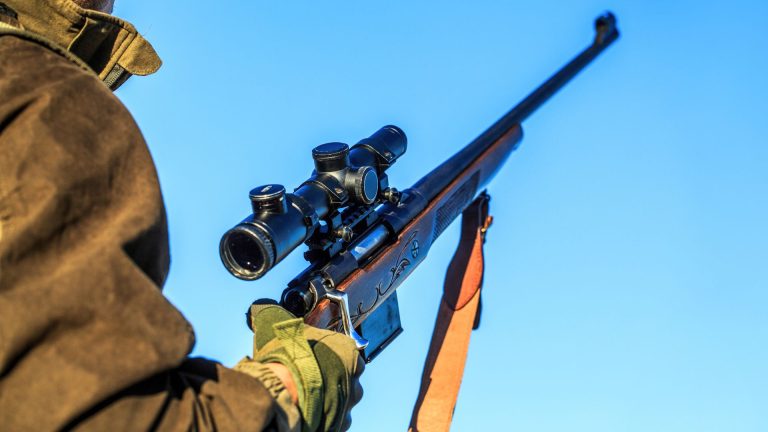
Caliber is one of those words new gun buyers hear constantly, but few people slow down to explain what it really means for comfort, accuracy, and real-world performance. If you are shopping for your first rifle or handgun, the diameter of the bullet you pick will shape everything from recoil and training costs to how confident you feel when the safety comes off. I want to walk through what first-time buyers should know about caliber selection so you can match your first gun to your body, your budget, and your actual plans instead of guessing at the counter.
Understanding what “caliber” actually means
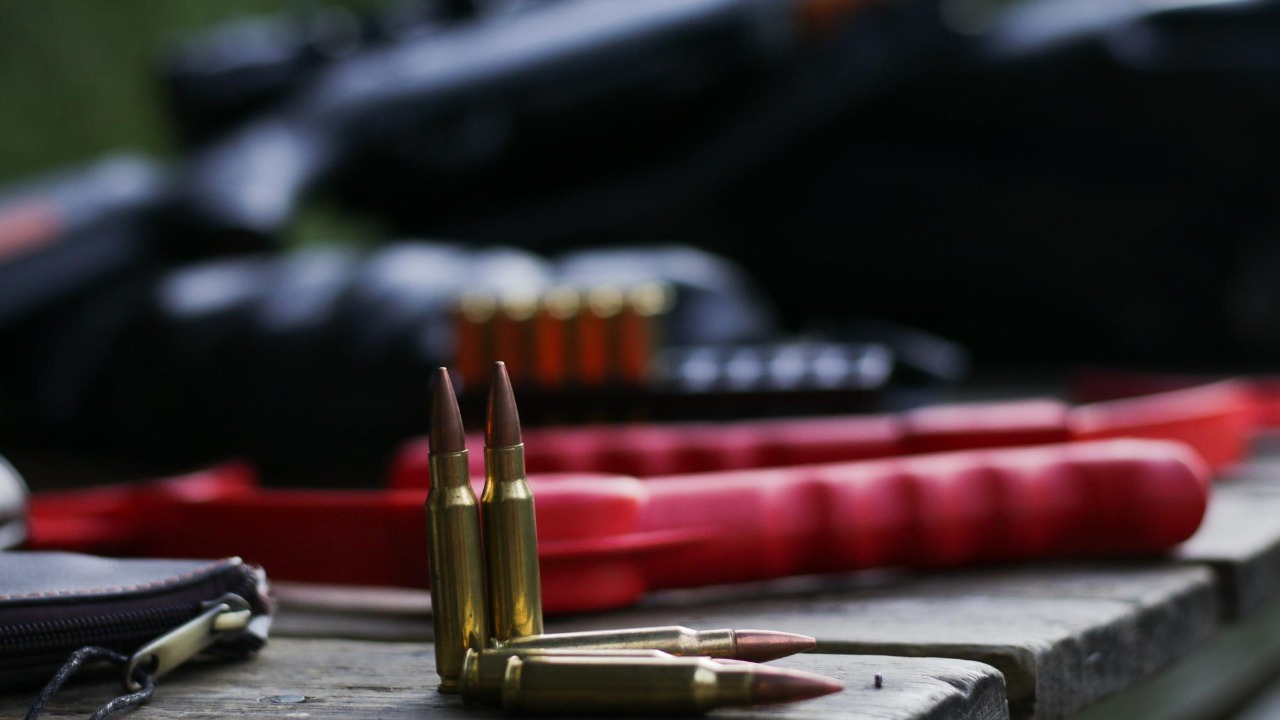
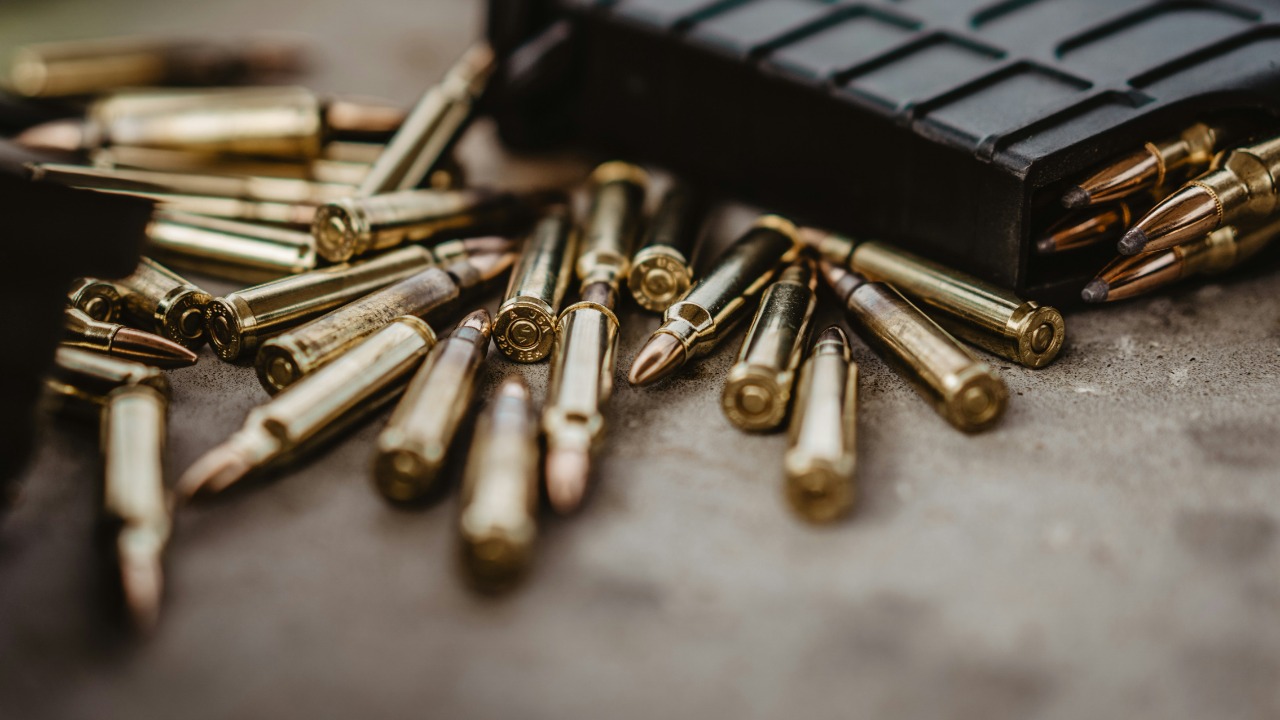
Before anyone can make a smart choice, they need to know what caliber is and what it is not. In plain terms, caliber is the diameter of the bullet and the internal diameter of the barrel that launches it, usually expressed in inches like .22 or .308, or in millimeters like 9 mm. One guide spells this out clearly, noting that caliber is the diameter of the projectile, and that it is only one part of a complete cartridge that also includes the case, powder, and primer. Another explanation aimed at new shooters adds that caliber is a measurement of the bore and that it directly affects the recoil of a given round, which is why it matters so much for beginners.
Because the word gets thrown around loosely, I see new buyers confuse caliber with cartridge or even with the gun itself. A .223 Remington and a 5.56 NATO, for example, share a similar bullet diameter but are different cartridges with different pressure standards, and they are not always interchangeable. Handgun shoppers run into the same thing when they hear 9 mm, 9 mm Luger, and 9×19 used as if they were three different things. One handgun guide aimed at first-timers stresses that choosing a handgun chambered in the right caliber for your needs and shooting ability is the most crucial decision, and it starts by understanding that caliber is a measurement of bore size, not a brand name or marketing label. Once that basic definition is clear, the rest of the decisions get a lot easier.
Start with purpose, not with a number
Every smart caliber decision starts with a blunt question: what are you actually going to do with this gun in the next few years? A defensive handgun for concealed carry, a rimfire for backyard plinking, and a centerfire rifle for elk are three very different jobs, and no single caliber covers all of them well. One step-by-step buying guide for new gun owners walks through this logic, urging first-time buyers to think about whether a firearm will be used for home defense, concealed carry, hunting, or range practice, and warning that a caliber that is too powerful or too weak for your intended purpose will cause problems later. That guide frames the whole process around asking “What do you want this gun to do?” and then narrowing choices from there, which is exactly how I encourage new shooters to think.
Once you are honest about purpose, you can start matching broad caliber families to roles. For example, a lightweight 9 mm handgun makes sense for most people who want a defensive pistol they can actually control, while a .22 Long Rifle is ideal for low-cost training and small game. A detailed overview of new-shooter options points out that handguns are often recommended for beginners because they are easier to store and carry, and it highlights revolvers and semi-automatic pistols as common choices thanks to their reliability and ease of use. That same guide groups calibers by role, explaining which ones are better suited to handguns for new shooters and which are more at home in rifles. If you keep the job in mind, the caliber list shrinks fast and the odds of buyer’s remorse drop with it.
Why .22 LR keeps coming up for beginners
Ask a room full of instructors what caliber they like for a brand-new shooter and you will hear “.22” more than anything else. The .22 Long Rifle has very low recoil, modest noise, and cheap ammunition, which lets people focus on fundamentals instead of flinching. One beginner-focused breakdown notes that .22 LR is widely known as a top choice for target practice and youth shooters, precisely because it is forgiving and affordable. When someone is learning to run a trigger, manage sights, and work a safety, that soft shooting behavior matters more than raw power.
There is a reason so many serious hunters and competitors still keep a .22 LR rifle or pistol in the safe even after they move on to bigger calibers. The round is perfect for building muscle memory, running drills, and introducing new family members to shooting without beating them up or draining the ammo budget. I have watched plenty of new shooters start with a .22, then move into 9 mm handguns or .223 rifles once they are comfortable. That progression lines up with the advice in several new-shooter guides that treat .22 LR as a training and small-game tool, not a primary defensive round, and encourage people to “graduate” to larger calibers as their skills improve. One handgun guide even frames its caliber considerations around starting with manageable options like .22 and 9 mm, then stepping up only when you can handle more recoil without losing control.
Balancing recoil, control, and confidence
Recoil is where a lot of first-time buyers get themselves in trouble. A bigger caliber usually means more energy on target, but it also means more kick in your hands or shoulder, and that can wreck accuracy if you are not ready for it. One handgun guide aimed at new shooters spells out that recoil is directly tied to caliber and that picking something you can actually control is more important than chasing power. Another resource on ammunition selection reinforces that idea, explaining that the right cartridge is the one you can shoot accurately and consistently, not the one that looks impressive on a box. When I am coaching new shooters, I would rather see tight groups with a mild caliber than scattered hits with something that feels like a punishment every time it goes off.
Rifle buyers face the same tradeoff, especially when they start eyeing magnum cartridges for long-range work or big game. A detailed rifle-caliber guide points out that larger centerfire cartridges offer greater range and bullet energy, but they also bring more recoil and muzzle blast, which can slow down follow-up shots and cause flinching. Another breakdown of rifle choices for new buyers notes that bolt, lever, and autoloading rifles all behave differently under recoil, and that in general, larger caliber centerfire rifle cartridges offer greater range and bullet performance but demand more from the shooter. That is why I steer most first-time rifle buyers toward moderate options and remind them that larger caliber centerfire rounds are better suited to experienced shooters who already have good form and a solid recoil management routine.
Handgun calibers: 9 mm, .380, and where .22 fits
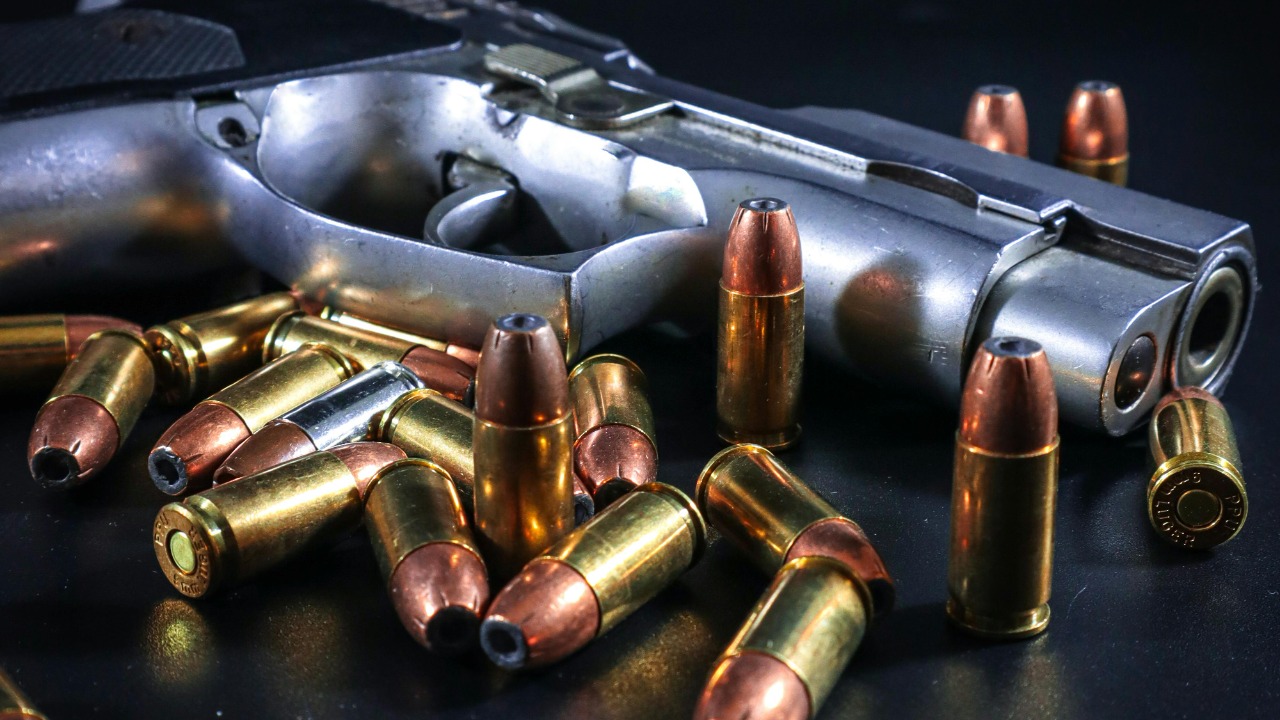
For a first defensive handgun, 9 mm has become the default recommendation for a reason. It offers a strong balance of manageable recoil, good capacity, and effective defensive performance with modern ammunition. One beginner’s handgun guide comes right out and says that for most beginners, starting with 9 mm is a smart move because it balances shootability and effectiveness, and it encourages people to move up only after they have mastered the basics. That same guide frames its advice under the banner of Caliber Considerations, comparing .22, 9 mm, and larger options so new buyers can see how each one behaves in the real world.
There are still good reasons to look at other handgun calibers. Some shooters with weaker grip strength or recoil sensitivity may prefer .380 ACP in a slightly larger pistol, where the softer recoil makes practice less intimidating. On the other end, cartridges like .40 S&W and .45 ACP can work well for people who already have experience and want a particular feel or performance profile, but they are rarely the best starting point. A detailed handgun buying guide aimed at first-timers stresses that choosing a handgun chambered in the right caliber for your needs and shooting ability is the most crucial decision, and it reminds readers that caliber affects recoil and controllability as much as anything else. I tell new buyers to pick the softest shooting caliber that still meets their defensive or training goals, then commit to practicing with it regularly.
Rifle calibers for hunting, target work, and distance
Rifle calibers bring a different set of questions, especially for people who want to hunt or shoot at longer distances. A detailed guide on how to choose the right rifle caliber emphasizes that one of the most important things to consider when buying a rifle is the type of game you plan to hunt and the typical distances involved. That guide walks through how smaller calibers are suitable for varmints and small game, while mid-size options like .243 Winchester or .308 Winchester cover deer-sized animals, and larger magnums are reserved for bigger or more distant targets. It frames the whole process under the idea that How To Choose The Right Rifle Caliber starts with purpose, then layers in recoil tolerance and ammunition availability.
Hunters also benefit from looking at rifle caliber charts that map common cartridges to specific animals and ranges. One such chart-driven guide explains how to match cartridges to everything from coyotes to elk, and it walks through examples like .270 Winchester, .30-06 Springfield, and .300 Remington Ultra Mag for larger game. It encourages readers to start by asking “What caliber is your rifle?” and then checking whether that cartridge is appropriate for the animal and distance they have in mind. Another hunting rifle guide advises new buyers to choose the right caliber by considering what they can comfortably shoot, noting that this will narrow the field to a handful of options like .243, 6.5 Creedmoor, or .308. That guide literally tells readers to Choose the Right Caliber by balancing game size, distance, and recoil, and I agree with that approach. If you cannot shoot a cartridge well from field positions, it does not matter what it looks like on paper.
Self-defense calibers and the “enough vs too much” problem
When the conversation turns to self-defense, caliber debates get loud fast, but the fundamentals are more straightforward than they sound. A detailed overview of defensive cartridges points out that choosing the best caliber for self-defense is a personal decision and that there is no perfect one-size-fits-all answer. That guide explains that modern 9 mm loads perform very well for most shooters in most defensive applications, and it stresses that shot placement and the ability to fire accurate follow-up shots matter more than chasing the biggest possible bullet. It frames the whole topic under the idea of Choosing the Best Caliber for Self defense by weighing recoil, capacity, and real-world performance instead of internet arguments.
New shooters also need to think about how they will handle recoil and stress in a defensive situation. One video breakdown of caliber choices for different roles highlights questions like whether a given round is too much or not enough, how recoil and control feel under pressure, and whether you can afford to train with the ammunition you pick. It walks through tradeoffs between recoil and control, asking bluntly what you can handle under pressure, and it reminds viewers that ammo cost and availability determine how often you can practice. That same breakdown groups calibers by hunting, defense, and competition roles, and it urges people to pick something they can shoot well rather than something that looks impressive on a spec sheet. I tell first-time buyers the same thing: a 9 mm or similar moderate caliber that you can run confidently beats a larger round you dread shooting.
Training costs, ammo availability, and legal fit
Caliber choice is not only about ballistics, it is also about what you can afford to feed and what you can legally use where you live. A detailed ammunition selection guide lays out three big factors to think about, starting with caliber, then moving to bullet type and intended use. It explains that some calibers are far more common and affordable than others, which makes them better for regular practice, and it urges shooters to make sure the cartridge they pick is right for them and for their firearm. Another first-time buyer’s guide for rifles reminds readers that they could be held civilly liable if they use the wrong ammunition in a gun, and it stresses the importance of matching the caliber stamped on the barrel to the ammo box. That guide, written as a guide to buying your first rifle, treats ammo compatibility and safety as core parts of caliber selection, not afterthoughts.
Real-world shooters echo the same concerns when they talk about stretching distance or changing roles. In one discussion about choosing a first rifle caliber, a user who started doing NRA High-power Rifle competition talks about what they consider “distance shooting” and how that shapes their cartridge choices. That conversation, framed around choosing a first rifle caliber, shows how people weigh recoil, barrel life, and ammo cost when they move into longer-range work. I see the same pattern with hunters who realize that exotic calibers can be hard to find in small-town stores, while common rounds like .308 Winchester or 6.5 Creedmoor are usually on the shelf. For a first gun, I always recommend sticking with calibers that are widely available and reasonably priced so you can afford to shoot often enough to stay sharp.
Putting it together: a practical path for first-time buyers
Once you understand what caliber is, what you want the gun to do, and how recoil and cost fit into your life, the path forward gets clearer. A comprehensive guide for new firearm buyers walks through the most important factors to consider, from intended use and fit to caliber and training plans, and it warns that a caliber that is too powerful or too weak for your intended purpose will cause frustration. That guide, written in a conversational “Let’s walk you through it” tone, encourages people to think about their own strength, experience, and goals before they ever step into a shop. It frames the process under a simple question, “What do you want this gun to do?” and then builds out from there, which is exactly how I suggest new shooters approach caliber selection.
Rifle-specific advice follows the same pattern. One set of tips for new rifle buyers points out that bolt, lever, and autoloading rifles all have their place, and that in general, larger caliber centerfire rifle cartridges offer greater range and bullet performance but demand more from the shooter. Another hunting-focused guide tells readers to start narrowing down calibers by considering what they can comfortably shoot, then cross-checking that short list against the animals and distances they have in mind. A separate breakdown of rifle caliber choices for hunting uses a chart to help people Use This Rifle Caliber Chart to pick the right ammo for hunting, walking through examples from smaller rounds up through .300 Remington Ultra Mag. Taken together, these resources all point to the same conclusion I have reached over years of shooting and teaching: first-time buyers should pick a caliber they can control, afford, and actually find on shelves, then spend their energy learning to shoot it well instead of chasing the next bigger number on the box.
Supporting sources: Choosing the Right Firearm: A First-Time Buyer’s Guide, Right Caliber, Right Purpose: A Complete Guide – YouTube.

Asher was raised in the woods and on the water, and it shows. He’s logged more hours behind a rifle and under a heavy pack than most men twice his age.