Calibers That Make Practice Easier and More Effective
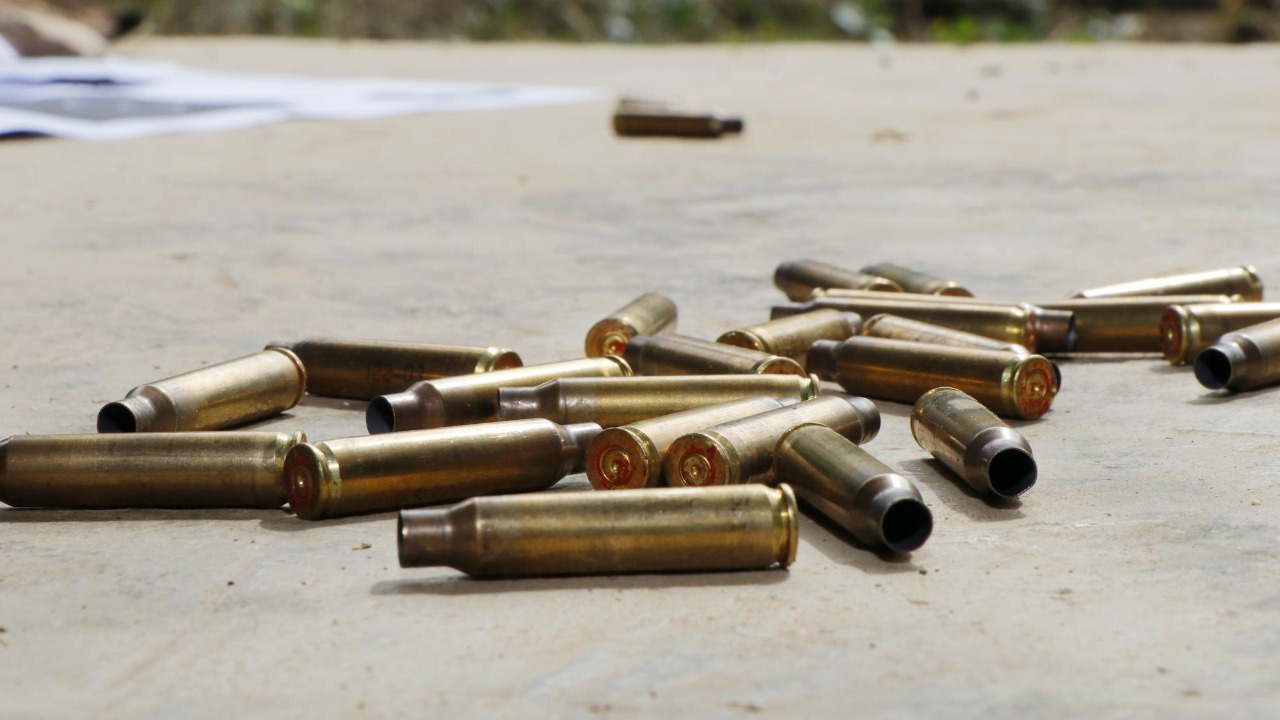
Caliber choice quietly shapes how fast a shooter improves. The right round keeps recoil manageable, ammunition affordable, and feedback consistent, so every repetition builds skill instead of bad habits. When I look at which calibers truly make practice easier and more effective, a pattern emerges around low recoil, high availability, and realistic carryover to defensive or hunting roles.
From rimfire workhorses to versatile 9 mm handguns and midrange rifle cartridges, certain rounds show up again and again in training plans. They are not just popular, they are supported by data on recoil, cost, and performance, and by how instructors and competitive shooters actually use them on the range.
Why Low Recoil And Cost Matter More Than Raw Power
Effective practice depends less on raw energy and more on how often and how well a shooter can train. I prioritize calibers that keep recoil low enough to allow long sessions without fatigue, and that are cheap enough to buy by the case. Guidance on Caliber and Recoil underscores that larger calibers generally produce more recoil, which can slow follow up shots and make it harder for newer shooters to maintain proper grip and sight picture. When recoil is tamed, shooters can focus on fundamentals like trigger control and sight alignment instead of bracing for every shot.
Cost is the other quiet driver of progress. A caliber that looks impressive on paper but is too expensive to shoot regularly will not build real proficiency. Lists of the Top Most Useful Calibers Own emphasize utility and availability, especially when budgets are tight. I see the same logic in ballistic resources that encourage shooters to use data to stretch their skills; comprehensive ballistic databases help shooters understand trajectory and energy, but those insights only matter if you can afford to send enough rounds downrange to validate them.
.22 LR: The Rimfire Foundation For Nearly Every Shooter
For pure skill building, I still see .22 Long Rifle as the most forgiving starting point. It combines minimal recoil with extremely low ammunition cost, which encourages high volume practice. Training guides describe the . 22 LR Rifle Caliber as One of the most popular and affordable options for training and target work, and that matches what I see on crowded public ranges where rimfire lanes are often full. Because the report and recoil are so mild, new shooters can focus on stance, breathing, and trigger press without flinching.
Rimfire’s role is reinforced by beginner focused advice that calls the . 22 LR (Long Rifle) the best caliber for new shooters, highlighting Why its low recoil and low noise make it ideal for learning, even if it is not a top choice for defensive stopping power. Broader overviews of rimfire versus centerfire note that the . 22 Long Rifle is the most popular caliber because of its versatility and wide availability, which means shooters can find it in bulk at big box stores and small shops alike. For structured practice, that combination of comfort and ubiquity is hard to beat.
9mm Handguns: Balancing Realistic Recoil With High Volume Training
Once a shooter is comfortable with rimfire, I see 9 mm handguns as the logical bridge to practical defensive training. Modern analysis notes that, Compared to larger defense rounds, the 9mm produces relatively mild recoil, and that Because the 9mm’s recoil is manageable, shooters can train longer and maintain better control, which is why so many people Shop Ammo for this caliber. That balance lets shooters work on realistic draw strokes, rapid strings, and movement without the punishing snap of larger magnum cartridges.
Handgun cartridge guides go further, stating that Dec, Today the 9mm is considered the gold standard of defensive handgun rounds because it offers a near perfect mix of capacity, controllability, and penetration, which makes it ideal for both carry and practice. That assessment of Today’s defensive landscape is echoed in training environments that even use inert replicas. A 9mm Plastic training tool, described as a Plastic Training Gun The 9mm Plastic model, is used in self defence classes to simulate handling and presentation without live fire. When live ammunition and inert trainers share the same form factor, it becomes easier to build consistent habits from dry practice to the firing line.
.380 ACP And .38 Special: Gentle Gateways To Carry And Revolver Skills
Not every shooter is ready to jump straight into 9 mm recoil, especially in small concealed carry pistols. For those cases, I see .380 ACP as a useful compromise. Concealed carry guidance often describes the . 380 ACP (Automatic Colt Pistol) as the minimum caliber for self defence, but also notes that its softer recoil in compact guns can help new carriers build confidence before moving up. When I evaluate pocket pistols, I pay close attention to how the 380 behaves in rapid fire, because controllability is what makes practice productive.
On the revolver side, the . 38 Special has long been a training staple. Coverage of multi caliber wheelguns points out that the . 38 special has for decades been the most popular choice and is currently running neck and neck with 9mm in some contexts, in part because it can be fired in robust frames that soak up recoil. Reloading focused advice lists . 38 Special and . 357 Magnum together, noting that Here are a few examples of calibers that are often considered easier to reload, including 38 and 357 M, which matters for shooters who want to tailor loads for softer practice sessions. When a shooter can tune ammunition and still stay within a familiar platform, it becomes easier to log the repetitions that build smooth double action trigger work.
Rifle Training: From .22 LR To 5.56 And Midrange Practice Rounds
Rifle shooters benefit from a similar progression, starting with rimfire and stepping into intermediate centerfire cartridges. Forum discussions on training rifles argue that a . 22 or . 17 are a great way to get trigger time, but also caution that if a shooter already has the 100 yard thing down, they will eventually need to stretch distance and wind calls with centerfire. That is where cartridges like . 223 Remington and its military counterpart, the 5.56mm NATO, come into play. Overviews of gun calibers describe the . 223 Remington and NATO 5.56 as among the most popular rifle calibers for varmint hunting, sport shooting, and tactical roles, which means ammunition is widely available and relatively affordable for training.
For AR 15 owners, that popularity translates into a clear training advantage. One analysis calls the .223 PLINKER’S DELIGHT, noting that .223 Remington and 5.56 NATO are some of the least expensive AR ammunition options, which encourages high round count practice. Broader AR caliber comparisons list .22 LR as the Best All Around AR Cartridge for low cost training and highlight 6.8 SPC among My Top Cartridge Picks, but for most shooters I still see 223 and 5.56 as the sweet spot between recoil, trajectory, and price. When a shooter can run drills with the same rifle they would use for home defense or competition, every magazine becomes more valuable.
Choosing Versatile Calibers That Carry Over To Real Use
Practice is most efficient when the caliber used on the range closely matches the one carried in daily life or taken into the field. That is why I pay attention to cartridges that show up across multiple roles. One video argument that 9mm and 5.56 are the best calibers for most people, shared in mid Jun, reflects this idea that a single handgun and rifle pairing can cover defense, training, and recreational shooting. The discussion in that Jun presentation emphasizes how shared logistics and similar recoil profiles simplify practice planning.
Versatility is also a recurring theme in AR caliber advice. One Q and A explicitly asks Why versatility is important, answering that Versatility allows shooters to adapt their AR 15 to different roles without extensive modifications, which is exactly what I look for when recommending a training setup. That focus on Why Versatility matters lines up with broader lists of the Most Useful Calibers to Own, which stress that When Times Are Tough, Utility Matters and that a small stable of multi role cartridges can handle everything from small game to personal protection. When a shooter can train with one caliber and then rely on it for multiple tasks, every dollar spent on ammunition delivers more return.
Hunting Practice: Matching Training Rounds To Field Cartridges
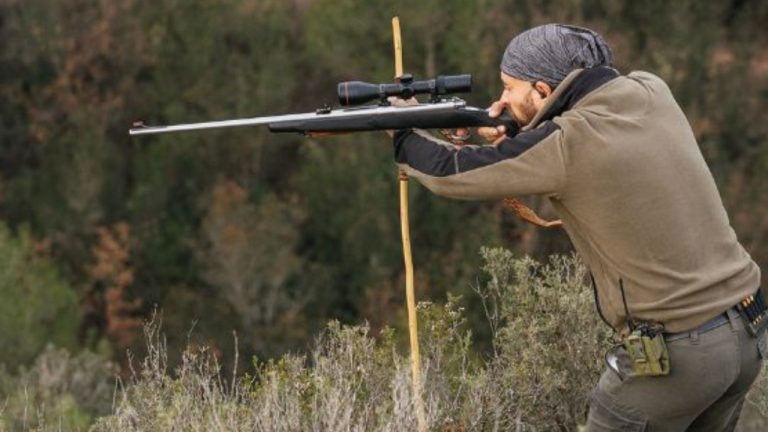
Hunters face a slightly different challenge, because their practice needs to mirror the ballistics and recoil of their chosen game cartridge. Overviews of The Most Accurate Hunting Rifle Calibers highlight options like .22 250 Remington and 6.5 Creedmoor, noting that the 6.5 Creedmoor has cemented a reputation for flat trajectory and manageable recoil at distance. When I look at those The Most Accurate Hunting Rifle Calibers, I see cartridges that reward careful dope and wind reading, which means practice sessions need to include prone work, positional shooting, and real world distances.
At the same time, cost conscious hunters often turn to .308 Winchester for training. A detailed rifle review notes that one advantage of the 308 round is the ability to shoot less expensive ammunition and even military surplus for training, while 6.5 Creedmoor would still require more costly match loads to perform at its best. That comparison of 308 and 6.5 Creedmoor shows how a hunter might zero and practice with .308 for volume, then confirm dope with a smaller batch of premium hunting ammunition. The key is to choose a training round that mimics the recoil and trajectory of the field load closely enough that muscle memory and holdovers transfer cleanly.
Structuring A Caliber Progression That Builds Lifelong Skill
When I map out a long term training plan, I think in terms of a progression rather than a single perfect caliber. For many shooters, that means starting with .22 Long Rifle to ingrain fundamentals, then moving into 9mm or .380 ACP handguns and .223 or 5.56 rifles for realistic defensive practice. Along the way, revolver shooters can lean on . 38 Special, and hunters can integrate midrange cartridges like 6.5 Creedmoor or .308 as their needs evolve. Lists of Popular Ammo Brands and AR Cartridge Picks, as well as handgun caliber breakdowns, provide a menu of options, but the underlying logic is the same: start soft, then step into calibers that match real world roles without jumping straight to punishing recoil.
Defensive and concealed carry choices fit into that same ladder. While .380 ACP is often framed as the minimum for self defence, 9mm’s status as the modern standard, supported by both self defence analyses and handgun cartridge guides, makes it the more efficient long term training caliber. At the rifle level, the combination of .22 LR, .223 Remington, and 5.56 NATO, backed by both rimfire versus centerfire comparisons and AR hunting round evaluations, gives shooters a clear path from low cost plinking to serious field practice. When shooters align their caliber choices with this progression, practice becomes easier to sustain and far more effective at turning range time into real capability.

Leo’s been tracking game and tuning gear since he could stand upright. He’s sharp, driven, and knows how to keep things running when conditions turn.