Calibers that limit effective shooting
Choosing the right caliber can make or break your hunting or shooting experience. Some rounds carry impressive names or nostalgic appeal, but in practical terms, they limit range, knockdown power, or consistency. Even skilled shooters quickly notice the shortcomings when a cartridge falls short of expectations. Shot placement, penetration, and trajectory all matter in real conditions, and certain calibers simply don’t deliver where it counts. Here are calibers that, while popular or historic, tend to limit effective shooting, whether due to recoil, bullet construction, or ballistics that fail to match real-world demands.
.32 Winchester Special
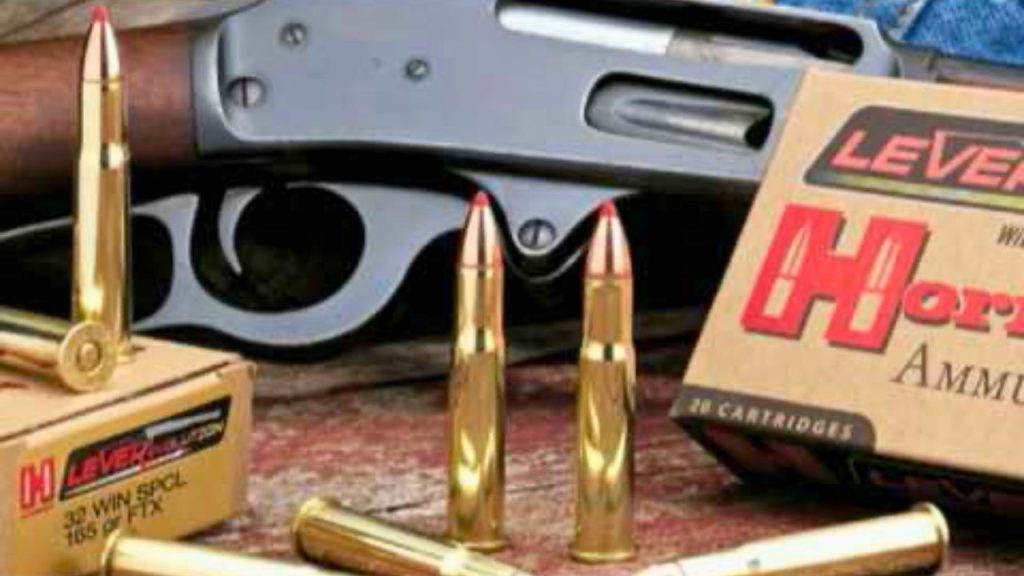
The .32 Winchester Special was once marketed as a small-game and deer cartridge, but its performance on medium game is underwhelming. Limited bullet weight options and low velocity reduce penetration and energy transfer.
Even with perfect shot placement, hunters find it difficult to consistently achieve humane kills beyond short distances. The trajectory drops quickly, making precise long-range shooting tricky. For anyone expecting reliable performance on deer-sized game, the caliber often disappoints. Its historical reputation overshadows its practical shortcomings, turning what looks like a capable round into a limiting choice in the field.
.218 Bee
The .218 Bee is tiny and fast, but it quickly runs into issues with effective range and stopping power. Light bullets drift in wind and struggle to penetrate thicker-skinned game.
While accurate within 100 yards, any longer shot amplifies the limitations. Even experienced shooters feel the frustration of knowing a solid shot may not translate into a clean kill. For small varmints, it works, but on anything larger, the caliber’s inherent limitations restrict effective shooting and require absolute precision, which is rarely practical in real hunting conditions.
.25-20 Winchester
The .25-20 Winchester may evoke nostalgia for early 20th-century hunting, but it’s largely inadequate for modern deer hunting. Its light bullets and low energy often fail to penetrate vital organs at realistic distances.
Experienced hunters quickly realize the cartridge demands perfect shot placement and close range. The recoil is mild, which makes it feel manageable, but the round’s limited terminal performance restricts versatility. Beyond 50-75 yards, trajectory drops and energy loss make effective shooting unlikely. Despite its historical popularity, it fails to live up to contemporary expectations for reliability and humane kills.
.22 Savage Hi-Power
The .22 Savage Hi-Power was revolutionary in the 1910s, but its tiny bullet and modest velocity now fall short. Effective deer hunting requires more energy and penetration than this caliber can offer.
Shooter skill helps, but even good marksmen notice marginal performance at moderate distances. Drop-off is rapid, and wounding potential increases the likelihood of lost game. Its historical reputation masks the practical limitations, making it more of a collector’s curiosity than a dependable hunting choice for anyone serious about efficient shooting.
6mm Lee Navy
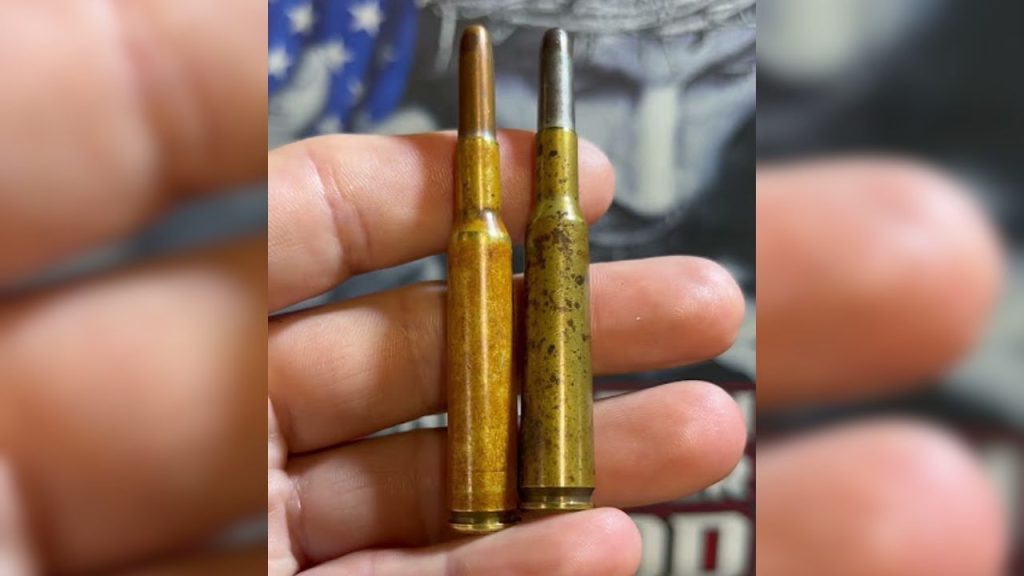
The 6mm Lee Navy has a storied past in military service, but for hunting, it’s underpowered by modern standards. Its light projectile struggles with wind drift and penetration on medium-sized game.
Experienced shooters might enjoy accuracy at the range, but in real hunting scenarios, the round rarely delivers consistent energy. Bullet selection is limited, and striking vital areas often requires precise distance estimation. While technically capable, the caliber’s limitations reduce effective shooting on anything larger than small game, and it’s rarely seen as practical in contemporary hunting applications.
.35 Remington (Short-Action Loads)
The .35 Remington is respectable, but short-action loads and older factory ammo sometimes leave hunters frustrated with inconsistent performance. Bullet options are limited, and velocity drops over distance.
Even skilled shooters notice variability in expansion and penetration, especially on larger deer. While recoil is manageable, trajectory and energy loss at moderate ranges can limit effective shots. Modern calibers provide more predictable terminal performance, making certain .35 Remington loadings less reliable for hunters seeking humane, consistent kills in the field.
.32-40 Ballard
The .32-40 Ballard was once a mainstay for lever-action rifles, but it suffers from low velocity and marginal energy transfer. Effective range is very short, and bullets often fail to expand adequately.
Even good shooters quickly realize the caliber’s limitations when hunting deer. Shots beyond 75 yards are risky, and wounding potential rises. Despite its nostalgic appeal, the round restricts practical shooting performance. Modern cartridges outperform it in nearly every metric, making it a limiting choice for anyone serious about effectiveness rather than history.
7mm Remington Short-Action (Early Loadings)
Early 7mm Remington short-action cartridges were adequate on paper but often struggled with bullet selection and trajectory. Lighter projectiles made wind drift and range estimation critical.
Good shooters found that shots beyond moderate distances required compensating for drop and minimal penetration. While effective in some conditions, the caliber often left hunters frustrated with its limitations compared to modern 7mm options. Consistency and terminal performance were uneven, turning what could be a versatile hunting round into one that demanded extra attention and precision to avoid failures.
.25 Remington
The .25 Remington is a historical cartridge that fails to deliver adequate power on most medium game. Bullet energy and penetration are marginal, even under ideal conditions.
Experienced shooters notice that range and wind dramatically affect performance, and even perfect shot placement may not guarantee a humane kill. While it holds nostalgic appeal for collectors and lever-action aficionados, it limits effective shooting in practical hunting scenarios. For anyone serious about consistent results, the caliber often proves frustrating and restrictive.
.30-30 WCF (Light Loads)
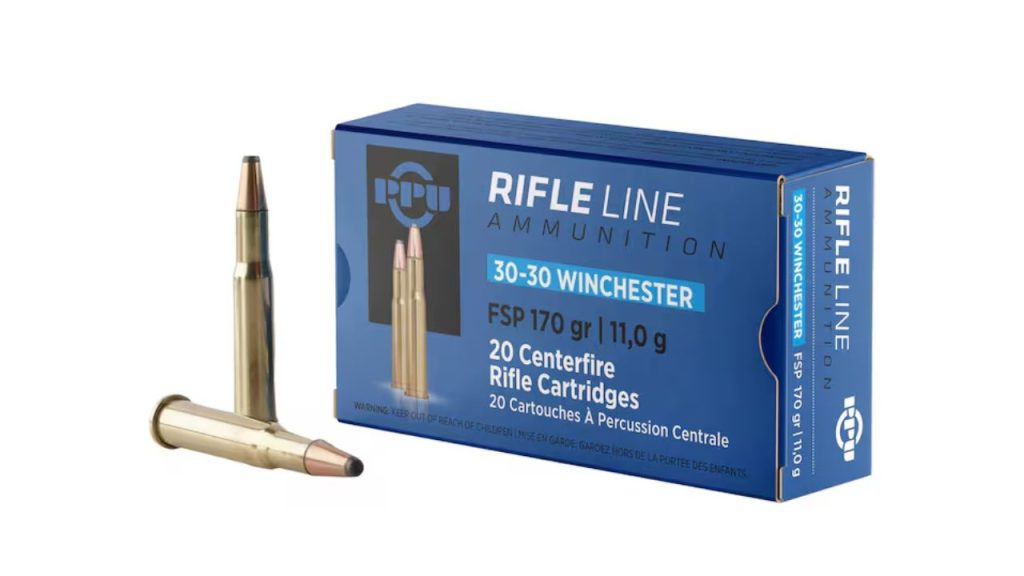
The .30-30 Winchester is iconic, but light factory loads limit its effective range and penetration on larger deer. Shots beyond 150 yards can be risky, requiring exceptional marksmanship.
Good shooters may be accurate, but the round’s energy drop-off and trajectory challenges often leave hunters wishing for more punch. While popular in forested hunting, the light loads expose the caliber’s limitations, making it less forgiving and more situational than its reputation suggests. Modern cartridges provide better versatility and confidence for hunters aiming for effective, humane shots.
.32 Winchester Special Magnum
The .32 Winchester Special Magnum is rare and historically notable, but its terminal performance is inconsistent. Limited bullet weights and velocities restrict effective deer hunting.
Even experienced marksmen notice its shortcomings at moderate distances. Shot placement must be precise, and wounding potential rises with longer shots. While nostalgic enthusiasts may appreciate the cartridge, in practical hunting terms it limits effectiveness, forcing shooters to compensate for its inherent shortcomings rather than relying on reliable performance.

Asher was raised in the woods and on the water, and it shows. He’s logged more hours behind a rifle and under a heavy pack than most men twice his age.