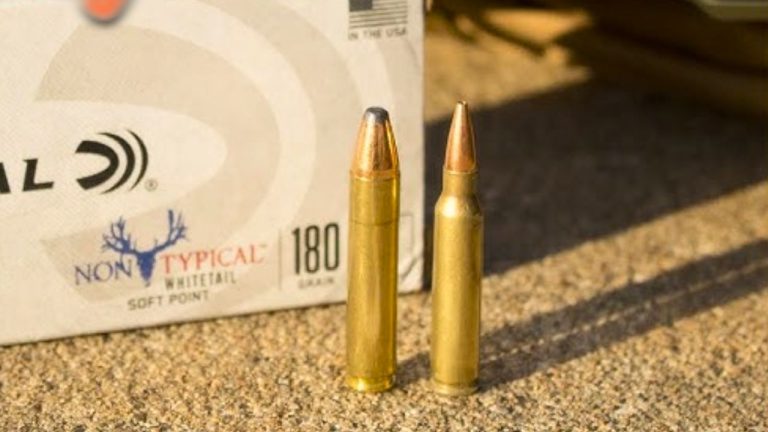
Why Reliable Ammo Beats High Velocity
Velocity sells ammo, but reliability wins fights and fills tags. The fastest load on the shelf will not help you if it misfeeds, throws wild fliers, or fails to perform when it hits meat or a threat. When I sort through boxes at the gun counter, I am looking first for ammunition that goes bang every time and behaves the same way shot after shot, long before I worry about chasing a few extra feet per second.
That priority shows up everywhere from rimfire plinking to FBI duty ammo. The people who build serious cartridges, and the shooters who depend on them, keep circling back to the same lesson: consistent ignition, stable construction, and predictable terminal behavior matter more than raw speed. High velocity has its place, but when the stakes are real, I want ammo I can trust more than ammo that looks impressive on a chronograph.
Speed’s Real Advantages, And Its Hard Limits
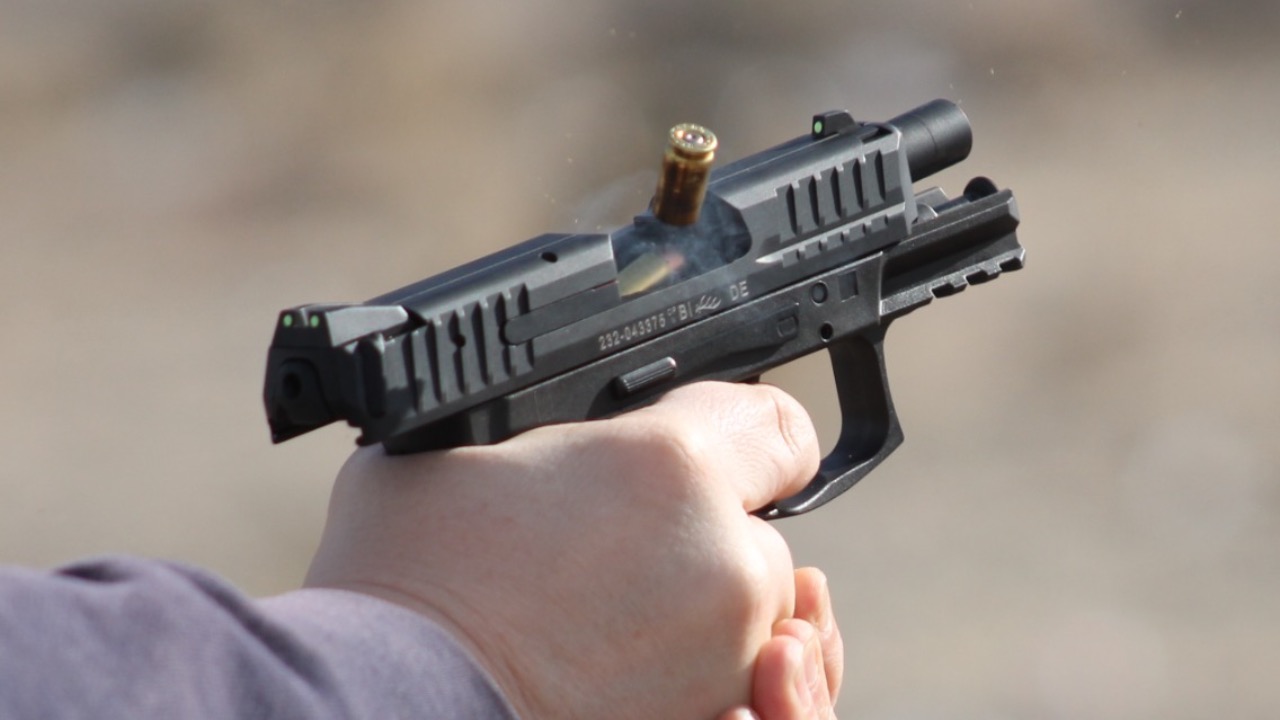
There is a reason high velocity became such a marketing hook. Faster bullets fly flatter, spend less time in the wind, and can hit harder within a certain window. Long range shooters point out that higher muzzle speed can improve hit percentage at distance because the bullet drops less and is exposed to wind for a shorter period, which makes your dope simpler and your corrections smaller, especially when Velocity is consistent from shot to shot. For hunting and defensive work, more speed can also help bullets expand or fragment as designed, which is why so many modern projectiles are tuned around a specific impact velocity band.
But the same sources that celebrate fast loads also warn that maximum speed does not automatically equal better performance. Detailed muzzle velocity guides point out that chasing the absolute fastest bullet involves tradeoffs in recoil, barrel wear, and stability, and that Maximum speed is rarely the best choice for typical hunting and precision shooting applications. Ballistics writers who focus on how bullets wound go even further, noting that More velocity is not always your friend and that manufacturers design bullets to work best within a specific window, where going much faster may not do anything better and can actually be worse.
Why Consistency Beats Raw Speed On Target
When you peel away the marketing, what really connects your sights to your point of impact is consistency. Long range shooters talk about this in terms of precision rather than raw accuracy, because tiny variations in how a bullet exits the barrel will move the group on target, and Extremely small differences in ammo, conditions, and rifle setup show up as vertical stringing or random fliers. If your ammunition cannot hold tight velocity spreads and uniform neck tension, it does not matter how fast it is, because you cannot predict where each round will land.
That same logic carries into terminal ballistics. Writers who study how bullets wound point out that modern defensive and hunting bullets are engineered to open or hold together within a defined impact speed range, and that Manufacturers tune expansion and penetration around that window instead of chasing sheer velocity. If your load is wildly inconsistent, some shots may hit too slow to expand, while others may be so fast that the bullet fragments early and underpenetrates. In both cases, the problem is not that the ammo was slow or fast on paper, it is that it did not behave the same way every time.
What High Velocity Really Does To Trajectory And Recoil
There is no denying that higher muzzle speed changes how a bullet flies. Basic ballistics explain that if you lob a projectile slowly it arcs more, while if you drive it faster, like a hard fastball, the trajectory is closer to a straight line, which makes holds and range estimation more forgiving, especially when you understand the Advantages of higher muzzle velocity for flattening trajectory and helping bullets expand better. That is why varmint shooters and some competition disciplines lean on fast, light bullets that minimize drop and drift inside their effective range.
The catch is that speed brings baggage. More powder and higher pressure usually mean more recoil and blast, which can hurt practical accuracy and slow follow up shots. Gear makers who focus on muzzle devices talk about Performance Benefits like Recoil Reduction that Helps with quicker re acquisition of targets and better control, because they know shooters struggle to manage the extra movement that comes with hot loads. In the real world, a slightly slower, softer recoiling round that lets you call your shots and stay on target often outperforms a screaming fast load that beats you up and makes you flinch.
Terminal Ballistics: When “Fast And Light” Fails
On the receiving end, speed can be a double edged sword. Defensive ballistics testing has shown that some very fast, very light bullets can open so violently that they dump all their energy in the first few inches and fail to reach vital organs. One example involves SimX style rounds that open up like a parachute in fluid and go from 2200fps to 0fps in 6 to 12 inches, which falls short of the 12 to 18 inch FBI requirement for duty ammunition and shows how extreme expansion can undermine penetration.
Writers who focus on Choosing Defensive Handgun Ammo stress that good expansion is important, but it does not make up for poor penetration or marginal shot placement, and that a slower, heavier bullet that tracks straight and reaches the right depth is usually more dependable than a hyper fast option that behaves unpredictably in real tissue. In their broader look at terminal ballistics, they also remind shooters that More velocity can actually make some bullets perform worse if it pushes them outside the envelope they were built for, which is why I put more stock in how a load penetrates and expands in gel than in how big the velocity number looks on the box.
Reliability Starts At The Factory Bench
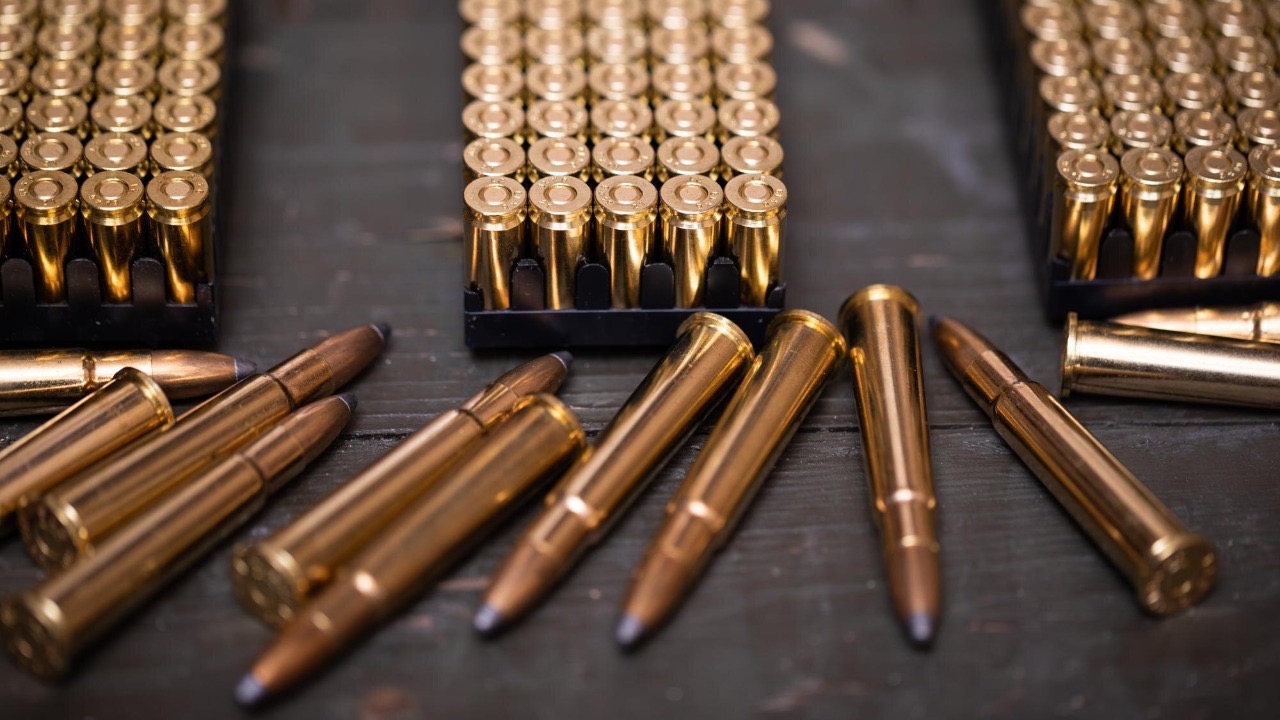
Before a round ever hits the chamber, reliability is baked in at the loading press. Ammunition engineers spend a lot of time on things most shooters never see, like sealants, crimp, and bullet pull strength, because the last thing you want when firing a gun is a surprise, and they work to produce reliable ammunition that delivers a consistent shot grouping fired under specified conditions, as detailed in reports on bullet pull strength. That kind of behind the scenes quality control is what keeps primers from going dead, powder from clumping, and bullets from being shoved deeper in the case under recoil.
Premium manufacturers build their reputations on that kind of consistency. Companies like CCI and Hornady invest heavily in uniform components and tight process control so that every lot of ammo behaves like the last. When a brand is known for reliable ignition, consistent velocities, and clean feeding, it is because they have sweated those details for decades. As a shooter, I would rather run a slightly slower load from a company that treats reliability as a science than a hot rod round from a cut rate maker that treats every box like a new experiment.
Real-World Examples: Rimfire, Duty Loads, And Everyday Carry
Rimfire is where the reliability lesson hits home fastest. Anyone who has burned through bulk .22 knows how frustrating misfires and erratic groups can be, which is why so many shooters gravitate toward loads like CCI Mini Mag 22LR for reliable performance across plinking, small game, and training, since that round is known for consistent feeding and accuracy, as highlighted in discussions of CCI Mini Mag. When your kid is on the bench learning to shoot or you are trying to brain a squirrel at 40 yards, a round that fires every time and prints to the same point of aim matters more than whether it is labeled standard or high velocity.
The same pattern shows up in serious defensive ammo. The Federal Bureau of Investigation did not pick its current 9mm duty load because it was the fastest thing on the shelf; instead, The Federal Bureau of Investigation used an extensive evaluation process and chose Hornady Critical Duty 9mm+P 135 g FlexLock based on how it penetrated, expanded, and resisted clogging through barriers. On the concealed carry side, it is hard to beat CCI when it comes to rimfire reliability for backup guns, and they manufacture rounds that are specially designed for self defence, which is why so many people who carry a .22 for last ditch use lean on CCI branded loads instead of chasing the hottest numbers they can find.
High Velocity Rimfire And The Reliability Trade
Even in rimfire, where speed can help cycle semi autos, the story is more nuanced than “faster is better.” Many .22 LR loads labeled as High velocity fire the same 40 g bullet, or sometimes a lighter one, at a muzzle velocity of 1,200 feet per second or more, and that extra speed can help some guns run because it cycles their actions more reliably, as explained in overviews of High velocity .22 LR. That is useful if your pistol or rifle is finicky, but it does not erase the need for consistent priming, clean burning powder, and uniform bullets.
Some of the most trusted rimfire brands have built their name on that balance. It is hard to beat CCI when it comes to rimfire reliability, and they offer a wide range of loads, from standard velocity to hot defensive options, that are tuned for specific roles, which is why so many shooters say CCI is a trusted brand in the rimfire space and that You can be confident their ammo will go bang, cycle, and hit where you are aiming. On the centerfire side, duty oriented loads like Trust Hornady Critical Defense 5.7x28mm 40 Grain Centerfire Handgun Ammo for reliability in defensive or personal protection situations, where the 40 G bullet and low flash propellants burn quickly to limit muzzle blast, show that even relatively fast cartridges are engineered first around dependable function and controlled expansion rather than raw speed, as described in the specs for Trust Hornady Critical Defense Grain Centerfire Handgun Ammo for personal protection.
Accuracy, Craft, And The Myth That Faster Is Always Straighter
Plenty of shooters have learned the hard way that more powder does not always shrink groups. Handloaders trading notes online describe rifles where the highest velocity charge produced worse accuracy, and one discussion that started in Jan makes the point that higher speed is not a direct correlate to better accuracy, especially when barrel harmonics and bullet stability come into play, as seen in debates over whether Jan load data should be pushed to the limit. In my own rifles, I have often found a sweet spot a grain or two below max, where the chronograph numbers are less exciting but the groups tighten up and the standard deviation drops.
That pursuit of repeatable precision is not unique to guns. In a completely different craft, tattoo cartridge makers talk about how Ultimately true precision is never claimed, it is earned through consistency, and that in the end reliability always reveals who takes the craft seriously, a mindset laid out in their discussion of why Ultimately consistent tools matter. The same is true for ammo: the best shooting loads are not the ones that brag the loudest about speed, they are the ones that quietly put round after round into the same small cluster, because the people who built them cared more about uniformity than about chasing a headline velocity.
How To Choose Ammo When Reliability Matters Most
When I am picking ammunition for a hunt, a match, or a carry gun, I start with reliability and work outward. For training and general use, I look for cartridges that are Crafted with precision and care, designed to deliver superior accuracy and reliability so I can focus on honing my shooting skills instead of clearing malfunctions, the way some 5.56 NATO M193 loads are described in their marketing as Crafted for range and training. For defensive use, I look for loads that have been vetted in gel and barrier tests, like the FBI evaluated 9mm and the 5.7x28mm Critical Defense round, where penetration and expansion are documented instead of assumed.
Construction details matter too. Full metal jacket designs that fully enclose the lead core promote far more reliable feeding, particularly in semi automatic firearms, and they prevent deformation during cycling, which helps maintain a weapon’s accuracy for longer in between cleanings, as explained in primers on what a full metal jacket actually does. On the high velocity side, I pay attention to how the case and chamber interact, which is why I am interested in designs that explain What Is a High Velocity Bullet and Why Polymer Ammo Casings Provide Outstanding High Velocity, where a leading factor in a high velocity bullet is the ability of the case to manage pressure and heat while maintaining your bullet velocity and accuracy, as laid out in technical notes on What Is a High Velocity Bullet and how polymer casings help. In every case, the pattern is the same: speed is useful, but only when it rides on the back of rock solid reliability.
Why I Will Take Reliable Ammo Over A Faster Box Every Time
After enough years behind the trigger, you stop being impressed by the biggest number on the label and start paying attention to what actually happens on the range and in the field. Long range shooters remind each other that the key to hit percentage is not the absolute fastest load, but one with consistent velocity, which is why some of the best advice in those threads boils down to picking a speed where your rifle shoots well and then keeping everything else as uniform as possible, a point that shows up even in casual comments like those from Oct users who have seen both sides. Muzzle velocity primers echo that idea, noting that while higher speed can flatten trajectory and help bullets expand, it is only an advantage when the load is stable and predictable, not when it turns your rifle into a science project.
That is why I pay more attention to brands and loads with a track record than to whatever new “fastest ever” round is being hyped this season. Guides to the fastest bullets on the market are careful to point out that there are Trade offs and Practical Considerations, and that while some cartridges reach extreme speeds, Many of them are niche tools rather than everyday solutions, as spelled out in their section on Trade and Practical Considerations. In my pack, the ammo that earns a permanent spot is the stuff that feeds in any weather, prints tight groups, and performs in gel and on game the way the engineers intended. High velocity is nice when it comes bundled with that kind of reliability, but if I have to choose, I will take the slower, steadier round every single time.

Asher was raised in the woods and on the water, and it shows. He’s logged more hours behind a rifle and under a heavy pack than most men twice his age.