Knots that slip when big fish show up
Most knots behave well until a fish actually pulls hard. Light tension hides problems. Sustained pressure, sudden runs, and repeated surges expose them fast. When a knot fails on a big fish, it usually doesn’t snap clean. It creeps, burns, or capsizes until everything lets go at once.
The knots below catch fish every year, but they earn a reputation for slipping or weakening when conditions turn serious. That doesn’t mean they’re useless. It means they have limits that show up right when you can least afford them.
Improved Clinch Knot

The Improved Clinch works fine on lighter lines and smaller fish, but it struggles with heavier mono and fluorocarbon. Under heavy load, coils can cinch unevenly and start creeping.
Once that happens, heat builds fast. On big fish, especially with fluorocarbon, the knot often weakens before you realize it’s failing.
Standard Clinch Knot

The standard clinch slips even more readily than its improved version. It relies heavily on friction rather than structure.
When pressure spikes suddenly, the knot can elongate and pull through. Big fish expose that weakness immediately.
Uni Knot

The Uni Knot is versatile, but it’s sensitive to how it’s tied. Inconsistent wraps or poor lubrication lead to slippage under load.
On big fish, especially with slick lines, the Uni can start creeping instead of locking down.
Surgeon’s Knot
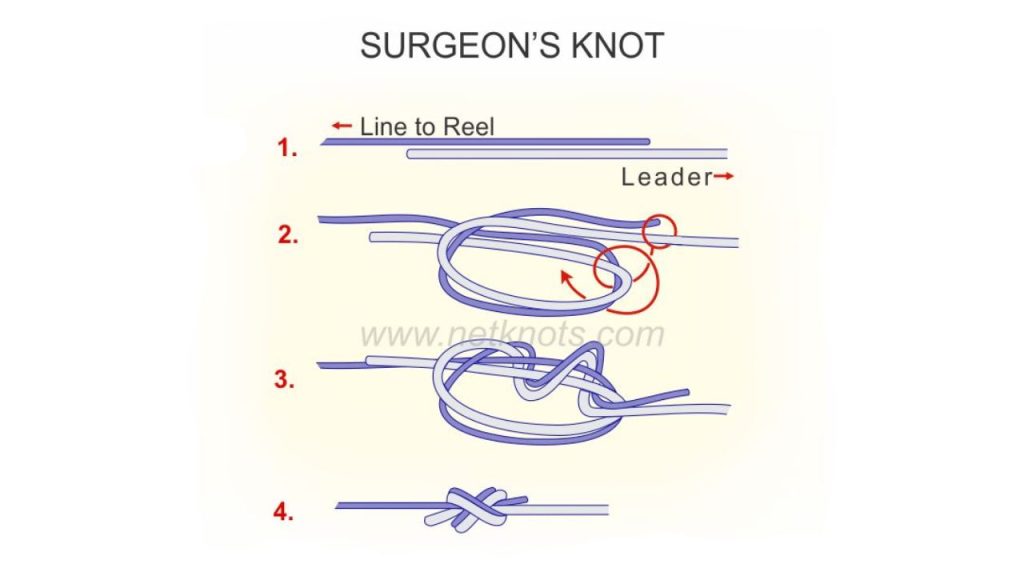
Surgeon’s knots are quick and convenient, but they aren’t built for sustained pressure. The stacked overhand design creates uneven load paths.
Big fish amplify that imbalance, and the knot can slip or weaken where strands cross.
Albright Knot

The Albright works for joining lines, but under heavy load it can collapse if wraps aren’t perfectly stacked.
When pressure shifts during long runs, the tag end may start creeping, especially with mismatched line diameters.
Double Overhand Knot

Double overhands are often used as stoppers, but they don’t distribute load well. Under real tension, they cinch down hard and damage the line.
That damage shows up as sudden failure when a big fish pulls.
Blood Knot
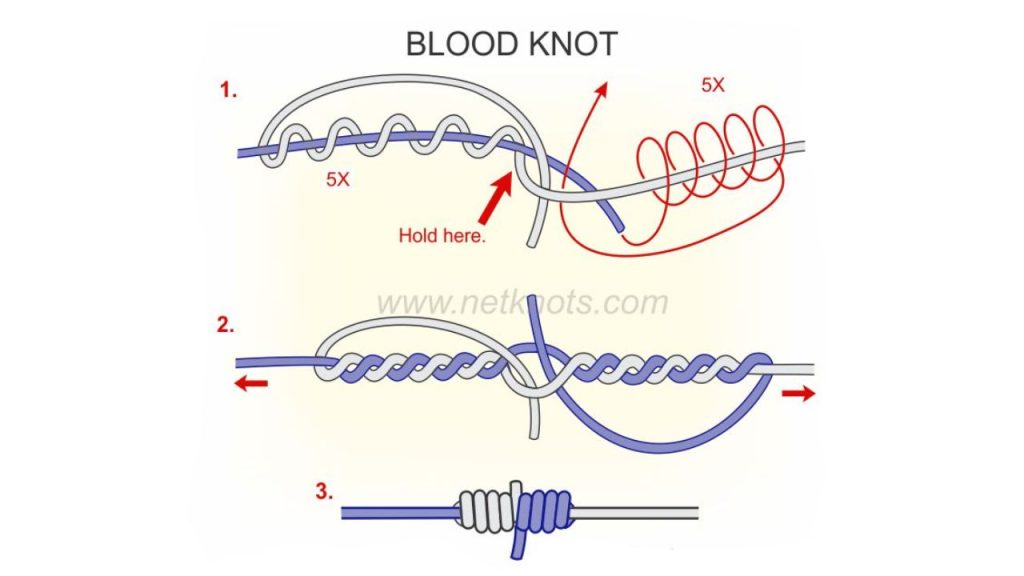
Blood knots look clean, but they’re unforgiving. Uneven wraps or poor seating weaken them dramatically.
Big fish expose even small tying mistakes, and slippage can start where the wraps meet.
Nail Knot

Nail knots rely on precise tension and tight wraps. Any inconsistency creates a weak point.
When a fish surges, that weak spot becomes the failure point fast.

Leo’s been tracking game and tuning gear since he could stand upright. He’s sharp, driven, and knows how to keep things running when conditions turn.