What Experienced Hunters Know About Caliber Choice
Experienced hunters rarely argue about whether caliber matters. They argue about how much it matters, and in what way. Season after season, the people who fill tags consistently tend to treat caliber choice as a practical tool for clean kills, not a personality test or a social media debate.
What they know, and what newer hunters often miss, is that the “right” caliber is less about chasing the hottest trend and more about matching bullet diameter, velocity, recoil and rifle fit to the game, terrain and shooter. When I look at how veteran hunters talk about cartridges, a pattern emerges: they start with fundamentals, then narrow down to a handful of proven options that they can shoot accurately under real field conditions.
Why Caliber Knowledge Is Foundational
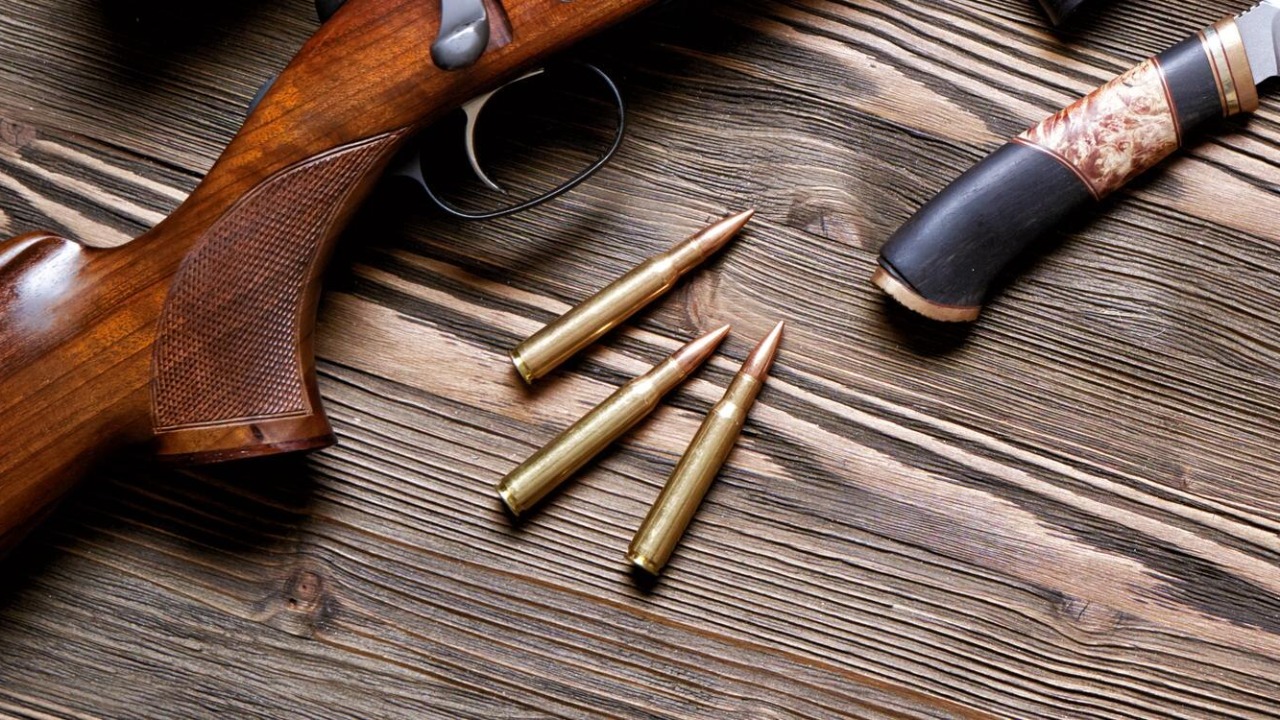
Seasoned hunters treat caliber literacy as basic homework, not trivia. At its simplest, caliber refers to the diameter of the bullet or the inside of the barrel, a detail that directly shapes how much energy reaches the animal and how that energy is delivered. Training materials on what to know about gun calibers for deer hunting emphasize that this measurement underpins everything from trajectory to penetration, which is why experienced hunters rarely gloss over it when mentoring newcomers.
That focus is not academic. Instructional resources on why hunters need to understand gun calibers stress that a deep grasp of bullet size and performance is “foundational to success,” because it affects ethical shot placement, effective range and even how much meat is damaged on impact. In one breakdown, readers are told that Below the surface of simple diameter numbers lie tradeoffs in recoil, trajectory and terminal behavior that can make the difference between a quick recovery and a long, avoidable tracking job.
How Experienced Hunters Actually Choose
When I listen to veteran hunters talk about caliber, they almost always start with the animal, not the cartridge. Detailed guides on the best all-around hunting rifle caliber lay out “Type of Game” as the first filter, arguing that understanding the specific species and typical shot distances should drive the short list of options. One such analysis notes that Type of Game and “Understanding the” environment come before brand loyalty or nostalgia, a sequence that mirrors how experienced hunters plan their seasons.
From there, the decision narrows to practical factors like ammunition availability, rifle weight and how the gun handles in the field. A broad look at what is the best rifle caliber for all-around hunting points out that Each cartridge brings its own balance of recoil, trajectory and terminal performance, and that no single option is perfect for every scenario. That perspective, echoed in a separate overview that notes Oct is less about crowning a universal winner and more about helping hunters recognize which compromises they are willing to live with on their home ground.
Deer Hunting: Where Theory Meets Reality
Deer are where caliber debates get real, because they sit at the crossroads of modest body size, varied terrain and huge participation. Detailed breakdowns of what caliber rifle is best for deer hunting stress that Selecting the right cartridge “shouldn’t be a lazy decision,” urging hunters to weigh game size, typical shot distance and personal recoil tolerance before buying. One guide on Selecting the ideal deer caliber frames the choice as a balance between sufficient energy for clean kills and controllable recoil for accurate shooting.
Experienced hunters also pay attention to how different calibers behave in specific deer habitats. A comprehensive look at the best rifle caliber for deer notes that in Dense Forests, Shorter range options such as the .30-30 Winchester or .243 Winchester shine where shots are close and visibility is limited, while larger open-country cartridges come into their own on prairies and cut fields. That same analysis points out that recoil considerations become more pressing as hunters move up to heavier hitters like the .338 Winchester Magnum, a reminder that more power on paper is useless if the shooter flinches in the stand.
What Makes a “Great” Deer Caliber
Ask a room full of experienced deer hunters what makes a caliber great and the answers tend to converge on a few traits: adequate energy, manageable recoil, flat enough trajectory for realistic distances and widely available ammunition. A detailed at a Glance summary of top deer cartridges highlights the .270 Winchester, .308 Winchester and 6.5 Creedmoor as standouts because they combine proven terminal performance with shootability for a wide range of hunters. That same overview notes that the 270, 308 and 6.5 Creedmoor all deliver that balance, which is why they keep showing up in both campfire stories and modern gear lists.
Hunters who want something slightly different often gravitate toward hybrid cartridges that blend familiar performance envelopes. One widely cited example is the 7mm-08, described as a cross between the . 243 and the . 308 that offers an “incredible array of possibilities” for deer and similar game. In that analysis, the 7mm-08 is praised as a do-it-all round that is hard to beat for whitetails, precisely because it borrows strengths from the 243 and 308 families while keeping recoil in check for most shooters.
Recoil, Comfort and the Human Factor
Experienced hunters are blunt about one thing: the best caliber on paper is useless if you dread pulling the trigger. Detailed guidance on what caliber rifle to hunt deer with frames “Hunter Comfort and Experience” as central, arguing that Choosing the right cartridge is “paramount” for both success and enjoyment. That same resource notes that The Importance of Choosing the Right Caliber includes matching recoil to the shooter’s size, skill and practice habits, not just the animal’s size.
Professional guides echo that message, stressing that disciplined preparation with a chosen caliber is what turns a theoretical choice into real-world confidence. One veteran’s pro tips on choosing a hunting caliber describe how methodical practice, including experimenting with different bullet types, made him a more successful marksman and hunter. In that account, he credits This type of preparation with revealing which cartridges and loads he could shoot accurately under pressure, a process that many experienced hunters quietly replicate before they ever step into the woods.
Terrain, Range and “Close Enough to Kill”
Caliber choice is not made in a vacuum; it is made in specific landscapes. Hunters who spend their time in tight timber or brushy swamps often favor moderate-velocity rounds that perform well at short range and cycle quickly in lever or pump guns. A discussion among North Carolina hunters, for example, notes that 30/30, 35 Remington, 300 Savage and 45/70 are popular in those situations, precisely because they hit hard at woods ranges without requiring long, exposed shots.
On more open ground, experienced hunters think in terms of realistic maximum range and their ability to keep shots inside the vital zone. Bowhunting research that translates neatly to rifles defines “Close enough to kill” as knowing the distance at which you can keep all your shots well within the kill zone from your current position and under current conditions. That standard, laid out in a discussion of how Close enough is determined, is exactly how veteran rifle hunters quietly judge whether their caliber, rifle and skill are truly suited to a long poke across a bean field or canyon.
Comparing Workhorse Cartridges
Among experienced hunters, a few cartridges keep resurfacing because they have decades of field proof behind them. A detailed comparison of 30-30 vs 308 Win captures how these workhorses fill different niches: The Short Answer is that the 30-30 Winchester excels for close-range hunting in dense woods with lever-action rifles, while the .308 offers superior long-range performance and versatility across multiple rifle platforms. That breakdown, which highlights how Winchester lever guns and modern .308 bolt actions serve different hunting styles, mirrors the way many seasoned hunters keep both a woods rifle and an open-country rifle in the safe.
Big game specialists often step up to magnums, but even there, experience tempers enthusiasm. A widely read rundown of big game rifle calibers notes that the . 300 Winchester Magnum sits near the top of the popularity list for all-around North American hunting, thanks to its reach and power. In that analysis, the author points out that Finally, the 300 Winchester Magnum is beloved by many but demands respect in terms of recoil and muzzle blast, a tradeoff that experienced hunters weigh carefully before recommending it to newer shooters.
All-Around Versus Specialized Choices
One of the quiet debates among experienced hunters is whether to chase an “all-around” caliber or build a small stable of specialized rifles. Analyses of the best all-around hunting rifle caliber argue that to make an informed decision, it is vital to consider factors like game type, terrain and the availability of loaded cartridges and reloading components. In that context, a review that notes Understanding the supply chain for your chosen round is not just a reloader’s concern but a practical issue for anyone who might need to buy ammunition in small-town hardware stores during season.
At the same time, some reporting on what is the most popular hunting rifle caliber points out that Each year, thousands of hunters head afield with a relatively small cluster of mainstream cartridges, precisely because those rounds are easy to find and have predictable performance. That overview, which notes that Oct surveys of hunter preferences keep circling back to familiar names, suggests that the “all-around” conversation is less about exotic new designs and more about choosing from a proven core of cartridges that can be tailored with different bullets to a wide range of hunts.
Decision Frameworks Experienced Hunters Use
When experienced hunters explain their process, they often sound more like engineers than gear junkies. One comprehensive guide on which caliber rifle is best for deer hunting describes the choice as akin to selecting the perfect partner, urging hunters to compare how Each caliber brings its unique strengths and weaknesses to the table. That same resource, which frames the decision as a structured evaluation rather than a gut feeling, notes that In the comparison phase, hunters should weigh recoil, trajectory, terminal performance and ammunition cost side by side.
Other frameworks start with basic questions about game size, terrain and shooter ability. A breakdown of the basics of choosing a caliber for deer hunting lists Game Size, typical shooting distance and hunting environment (from thick woods to open land) as primary filters before brand or model ever enter the conversation. That same guide emphasizes that The Basics of Choosing a Caliber include an honest assessment of whether the shooter can place shots accurately from field positions, not just off a bench.
Safety, Ethics and the Limits of Caliber
Experienced hunters also know that caliber choice does not override basic safety and ethics. Hunter safety guidance stresses that following state guidelines for wearing hunter orange dramatically reduces the chance of being mistaken for game, regardless of what rifle is in hand. That reminder, framed as “Follow state guidelines,” underlines a simple truth: no amount of ballistic performance compensates for poor visibility, unsafe backstops or shots taken without full target identification.
Finally, veteran hunters are quick to point out that no caliber can fix bad judgment about range or shot angle. Detailed deer caliber guides repeatedly warn that selecting a powerful cartridge is not a license to stretch shots beyond one’s practiced distance or to attempt marginal angles through heavy bone. A comprehensive overview of what caliber rifle to hunt deer with notes that Choosing the right cartridge is “paramount” for success, but it still assumes disciplined shot selection and realistic expectations. In that sense, the most important thing experienced hunters know about caliber choice is its limit: it is a critical tool, but it only does its job when paired with skill, restraint and a clear understanding of what the rifle can, and cannot, do in the field.

Leo’s been tracking game and tuning gear since he could stand upright. He’s sharp, driven, and knows how to keep things running when conditions turn.