Fishing Tactics That Work When Fish Get Pressured
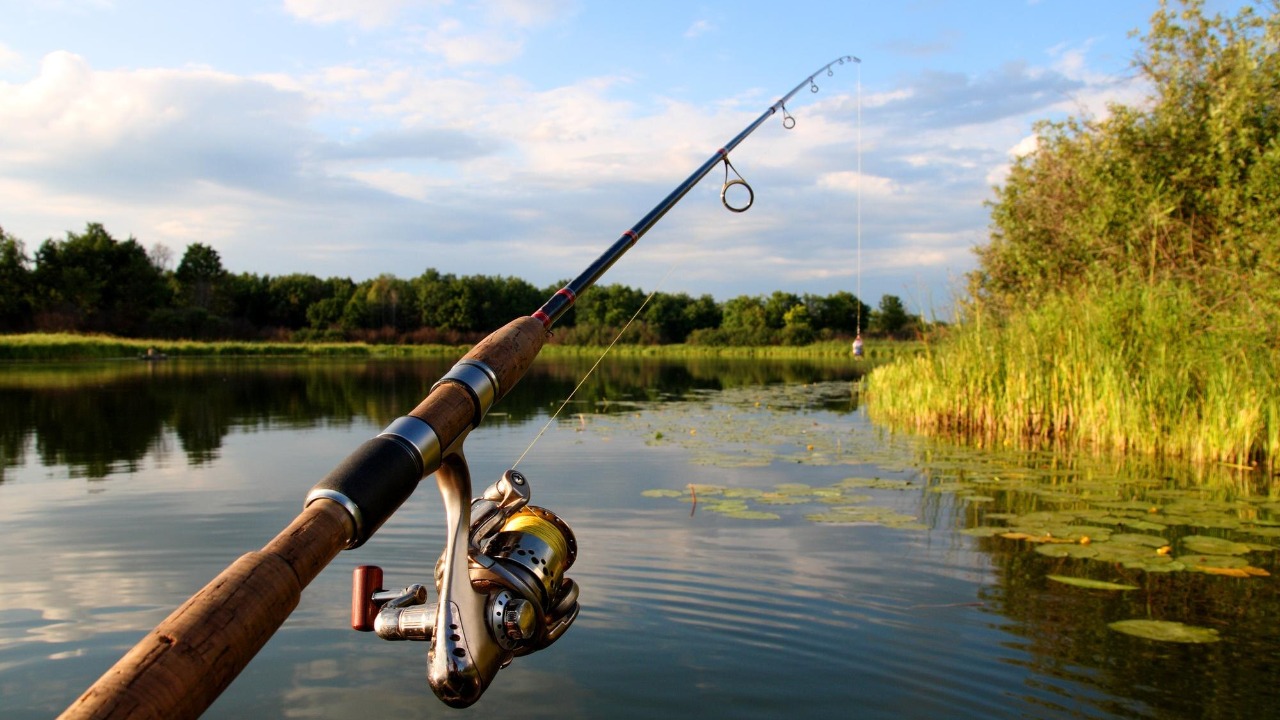
On crowded lakes and community ponds, fish learn fast. After watching lure after lure zip past their noses, they stop reacting to the same noisy baits and obvious boat traffic, and the bite can feel like it shuts off completely. When that happens, I have found that catching them is less about magic lures and more about fishing like a hunter, using stealth, timing, and subtle presentations that pressured fish are not expecting.
The most consistent anglers in these situations treat every cast as a calculated move, not a lottery ticket. They change where they fish, how they approach, and what they throw, then let the fish’s behavior dictate the next adjustment. The tactics below focus on that mindset, drawing on proven approaches that keep producing even when the fish have seen it all.
Reading Pressure And Finding The Overlooked 10 Percent
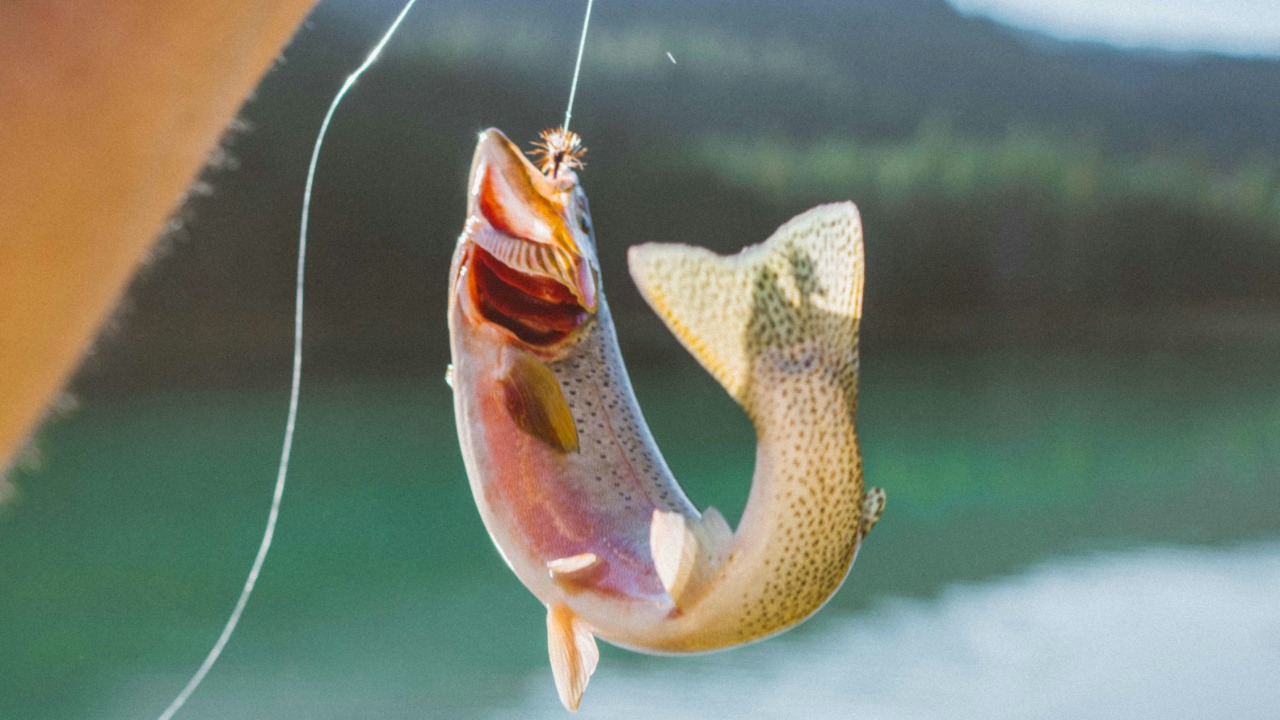
When fish get conditioned to constant attention, they do not disappear, they simply shift to safer zones and tighter feeding windows. I start by assuming that 90% of the visible water is essentially dead water and focus instead on the subtle 10% that actually holds active fish. The same logic sits behind the 90% rule that at any given time 90% of the feeding fish are in just 10% of the water, a principle that translates cleanly from inshore species to bass and panfish when I am trying to beat heavy pressure.
To locate that productive slice, I look for areas that most people ignore: awkward casting angles behind docks, narrow drains, or small current seams that require precise boat control. On big reservoirs, that might mean a single isolated rock on an otherwise featureless flat, while on a city pond it might be the only patch of shade that is not right next to the parking lot. The 90% concept is laid out clearly in a breakdown of how to find redfish using the 90% rule, which shows how concentrating on the right 10% of water dramatically increases contact with feeding fish, and I apply that same focus whenever I am dissecting pressured water, using the 90% figure as a mental check on whether I am really targeting the best water or just the most convenient water.
Stealth First: Boat Noise, Bank Pressure, And Approach Angles
On hammered lakes, the first mistake I see is anglers charging straight onto a spot with the trolling motor on high and hatches slamming. Bass hear boats and trolling motors come past them day in and day out, and that constant disturbance puts them off long before a lure ever arrives. I try to idle down well away from the target, then ease up with as little noise as possible, treating the last 50 yards like a stalk rather than a commute, because fish that have been run over with boats all day are far more likely to slide off structure or stop feeding.
Stealth matters just as much from the bank. In small, heavily fished ponds, I have watched fish spook from footsteps and shadows before a cast even hits the water, which is why I stay low, keep my profile off the skyline, and make my first casts from well back from the edge. Anglers who specialize in pressured fish often describe “stealth” as the key word, and some even prefer to fish at night or on the nastiest weather days to catch fish off guard. That same low-impact mindset shows up offshore too, where advice on approaching fish aggregating devices stresses that relaxed fish can be easily startled if a boat roars in too close, so I treat every approach, whether to a brush pile or a buoy, as a quiet, deliberate move rather than a noisy arrival.
Timing The Crowd: When To Fish Heavily Pressured Spots
Even the best stealth will not fully overcome a midafternoon weekend crowd. On public lakes and park ponds, I plan my trips around the human traffic as much as the weather, because fish that have been harassed for hours are simply less willing to make mistakes. Anglers who spend a lot of time in heavily pressured areas often recommend avoiding weekends, holidays, or evenings if possible and instead going early in the day during the week when fewer people are around, advice that lines up with what I see on the water when the first light bite is often the only real window.
Urban anglers echo the same pattern. In one detailed Comments Section about high pressure city park ponds, a regular who fishes highly pressured urban ponds in AZ explains that when it gets hot, you have to hit the water at the right time and lean on more subtle tactics. I follow that lead by targeting low-light periods, weather changes, and off-peak hours, then rotating through spots quickly once the crowds arrive. The fish are still there at noon on a Saturday, but they are far more likely to slide under thick cover or suspend in awkward places, so I save those hours for scouting, graphing, or experimenting rather than expecting steady action.
Downsizing, Finesse, And Silent Baits
When fish have seen every loud crankbait and bulky jig in the catalog, I downscale my offerings and slow everything down. Tournament veterans on high-pressure lakes often point out that pressured bass usually respond better when anglers downscale, switching to smaller profiles, lighter line, and more natural colors. I have watched that play out countless times, where a full-size jig gets ignored but a compact finesse worm or tiny swimbait draws immediate interest from the same fish that refused the bigger meal.
Specific bait choices matter too. Some of the most reliable options for pressured bass include tiny jerkbaits, subtle plastics, and compact moving baits that do not throw off a huge profile, and one breakdown of Top Bass Fishing Baits for Catching Pressured Bass highlights how keeping a tiny jerkbait handy and even ditching the jig when it gets tough can turn a slow day around. On heavily pressured lakes, I also lean on silent crankbaits, a tactic that experienced anglers describe as especially effective when everyone else is throwing loud, rattling plugs, and one detailed video on fishing crankbaits in these conditions explains why a silent crankbait can be the difference maker when fish are conditioned to noisy hardware.
Fishing Where Others Won’t: Nasty Cover, Muddy Water, And Offbeat Structure
One of the simplest ways I have found to beat pressure is to fish places other people avoid, even if those spots are less comfortable or more snaggy. Some swimbait specialists talk about targeting pressured bass at night and on the Nast stuff, meaning the thickest cover, dirtiest water, or most awkward angles that casual anglers skip, and they credit that approach with catching fish that rarely see a bait. I have adopted that mindset by pushing deeper into laydowns, skipping farther under docks, and grinding baits through brush that most people would rather not risk.
Dirty water is another ally. Lots of big bass are taken each year in the dirtiest of waters, just like lots of big bass are taken in the clearest too, and the anglers who lean into that reality often use vibration, bulk, and close-quarters presentations to trigger reaction bites when visibility is poor. On pressured lakes, I will often choose the muddiest creek arm or wind-blown bank precisely because it hides my presence and the fish feel safer feeding shallow, then work that water thoroughly with slow-rolled spinnerbaits, bladed jigs, or big worms that stay in the strike zone longer than the fast-moving baits most people burn past the same cover.
Electronics, Sonar Discipline, And Precision Casting
Modern electronics can be a blessing or a curse on pressured fish. Forward-facing sonar has taught many anglers just how often bass follow a bait without committing, and some pros now use that insight to adjust their retrieves and angles in real time. One veteran, John Murray, has described how forward-facing sonar has taught him to watch how fish react and then let the bait do the rest, rather than constantly ripping it away or overworking it, and I have tried to mirror that discipline by making fewer, more precise casts instead of spraying the zone.
At the same time, I am careful not to let electronics become another form of pressure. On crowded lakes, I often see boats idling directly over shallow structure with side imaging pinging nonstop, which can push already wary fish even tighter to cover. A detailed Fishing Lesson on how to Fish Pressured Lakes emphasizes the importance of location and thoroughly fishing a spot, and I interpret that as a call to use electronics to find key areas, then back off and pick them apart methodically with quiet boat control and deliberate casting. When I combine that with the stealthy approaches described for offshore FADs, where Fishing Your FADs for Consistent Results Approaching requires a careful, low-impact entry to avoid spooking relaxed fish, I end up with a more surgical, less intrusive way of using technology around pressured bass.
Borrowing From Other Disciplines: Spearfishing, Saltwater, And Bank Wisdom
Some of the smartest tactics for pressured fish come from outside mainstream bass culture. Spearfishers, for example, rely on Mastering Spearfishing Techniques Effective for bluegill that revolve around stealth, observation, and timing, and those same principles translate directly to rod-and-reel fishing when I am dealing with spooky fish in clear, shallow water. Moving slowly, watching how fish react before casting, and timing my approach to their natural behavior rather than forcing a bite are all habits I have borrowed from that world.
Saltwater and bank anglers add more layers. The 90% rule from inshore fishing, the emphasis on stealth around FADs, and the crowd-avoidance strategies shared by bank anglers like Don, who warns people not to go to heavily pressured places on weekends or evenings and instead to pick quieter windows, all reinforce the idea that pressured fish are mostly a human problem, not a fish problem. Freshwater specialists who focus on how to Catch Pressured Bass have reached similar conclusions, noting that when Jul was a kid dreaming of becoming a professional bass fisherman and fishing Every Saturday, he learned quickly that They are not very smart, but they certainly understand when something is not going their way, and that insight underpins many of the top strategies for bass fishing in heavily pressured waters, including What Places Tend to be the most overlooked and how to adjust presentations accordingly.
Putting It All Together On Your Home Water
When I step onto a crowded lake or into a city pond, I now think in layers: timing, stealth, location, and presentation. I start by choosing off-peak hours, then approach quietly, often from an odd angle that keeps my shadow and boat wake away from the best cover. From there, I focus on that productive 10% of water, using electronics sparingly to confirm structure, then backing off and making precise, low-impact casts that keep my bait in front of fish without announcing my presence. On high-pressure lakes, I also remember the advice from Mar Morehead about how Pressured bass respond when anglers Downscale, and I keep that in mind as I pick rods and line.
My lure choices follow the same logic. I lean on tiny jerkbaits, subtle plastics, and silent crankbaits when the fish are conditioned to noise, and I am not afraid to fish at night or in the Nast cover if that is where the unpressured fish live. I also keep an eye on how forward-facing sonar shows fish reacting to my baits, using insights from Jul and Miller on how to let the bait do the rest instead of overworking it. When I combine those lessons with the practical tips shared in community spaces like the Reddit threads on high pressure ponds and the broader tactics for fishing pressured water from Feb and Mar, I end up with a simple rule set: move quietly, think like a hunter, and give pressured fish something just different enough that they finally make a mistake.

Leo’s been tracking game and tuning gear since he could stand upright. He’s sharp, driven, and knows how to keep things running when conditions turn.