Calibers That Work Until Weather Turns Ugly
Fair-weather shooting hides a lot of problems. Mild temperatures, calm wind, and dry air make almost any cartridge feel capable. Things change fast when rain turns sideways, wind stacks up, or temperatures drop hard. Velocity changes. Bullet behavior shifts. Trajectory forgiveness disappears. Some calibers that feel easy in good conditions start demanding perfect inputs once the weather stops cooperating.
This isn’t about bad cartridges. It’s about margin. Certain calibers work well until wind drift grows teeth, cold thickens air, and angles stop being friendly. Hunters and shooters learn this the hard way, usually after watching a shot land just off where it should’ve been.
.243 Winchester
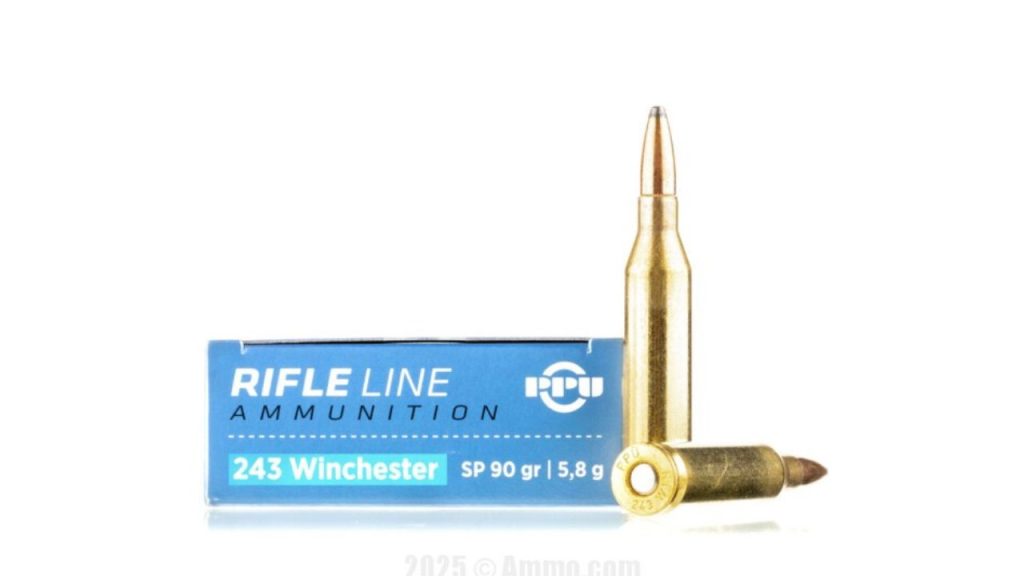
The .243 Winchester is easy to shoot when conditions are calm. Flat trajectory, low recoil, and good accuracy make it feel forgiving early on. In clean air and light wind, it does its job well.
When weather turns, its lighter bullets start working against it. Wind drift shows up faster than many expect, especially past moderate distances. Cold, dense air slows things further. Suddenly, small errors stack up. You find yourself dialing and holding more than you planned. The .243 still works, but it stops feeling generous once the weather adds variables you can’t ignore.
.30-30 Winchester
Inside the woods on a calm day, the .30-30 feels steady and predictable. It’s easy to trust at short distances, and bullet performance is reliable when shots are clean.
Bad weather shrinks its comfort zone quickly. Wind exaggerates drop, rain affects visibility, and range estimation becomes critical. Past short distances, trajectory leaves little room for correction. You start passing shots not because the caliber can’t do it, but because conditions won’t let it. The .30-30 works well until weather forces longer, less forgiving decisions.
.223 Remington
In calm conditions, the .223 Remington feels precise and efficient. With modern bullets, it performs well on appropriate game and excels at accuracy work.
Ugly weather exposes its narrow margins. Wind drift builds fast, especially with lighter loads. Cold temperatures sap velocity, reducing terminal performance. Shot placement becomes less flexible, and recovery distances can stretch. The .223 still works, but it demands careful judgment once conditions degrade. It stops feeling relaxed and starts feeling technical when the weather won’t cooperate.
6.5 Grendel

The 6.5 Grendel feels capable in moderate conditions. Better bullet shape helps with wind compared to smaller calibers, and performance inside its lane is solid.
That lane narrows when weather worsens. Limited velocity means wind still matters more than you want, and cold air exaggerates drop. At distance, energy falls off quicker than expected. You find yourself working harder to maintain confidence. The Grendel does fine until weather demands more speed and forgiveness than it can offer.
.25-06 Remington
The .25-06 shines on calm days. Flat shooting and fast bullets make range estimation forgiving, and recoil stays manageable.
Wind exposes the downside. Bullet weight limits stability once gusts start shifting. Cold air robs speed faster than expected. You notice more drift correction than newer designs require. The .25-06 still kills cleanly, but weather makes it feel less modern. What once felt effortless starts requiring tighter execution.
.270 Winchester
The .270 Winchester has earned its place through consistency. In good weather, it shoots flat and hits with authority across common hunting distances.
When weather degrades, limitations show. Wind drift is manageable, but not forgiving. Bullet selection helps, yet heavier options remain limited. Cold and wind make long shots feel less certain than newer high-BC calibers allow. The .270 still works, but conditions reveal where its design era shows through.
7.62×39

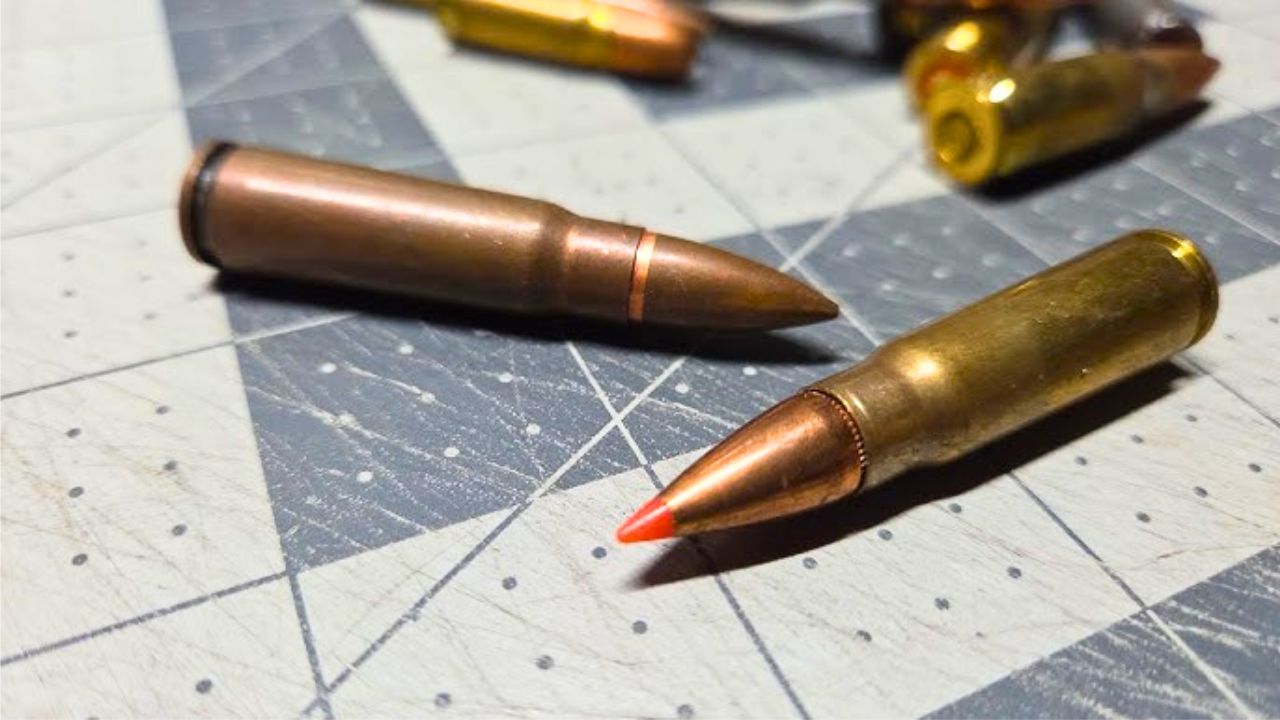
At close range in calm conditions, the 7.62×39 performs better than many expect. Inside its comfort zone, it’s predictable and effective.
Weather shortens that zone fast. Wind exaggerates drop, rain complicates visibility, and cold reduces consistency. Ballistics leave little room for correction. Once weather removes ideal conditions, confidence fades quickly. It works until weather forces precision the cartridge wasn’t built to provide.
.350 Legend
The .350 Legend does exactly what it’s designed to do in fair conditions. Inside short distances, it delivers reliable performance with manageable recoil.
Weather pushes it past its limits quickly. Wind and drop compound fast, and cold air highlights its trajectory constraints. Range estimation becomes critical, and errors get punished. The caliber still works, but only if conditions stay within its narrow envelope. Once weather adds uncertainty, its ceiling becomes obvious.
Some calibers fail loudly. These fail quietly. They don’t stop working. They just stop forgiving mistakes once weather stacks the odds against you.

Leo’s been tracking game and tuning gear since he could stand upright. He’s sharp, driven, and knows how to keep things running when conditions turn.