15 U.S. states where feral hog populations are expanding fastest
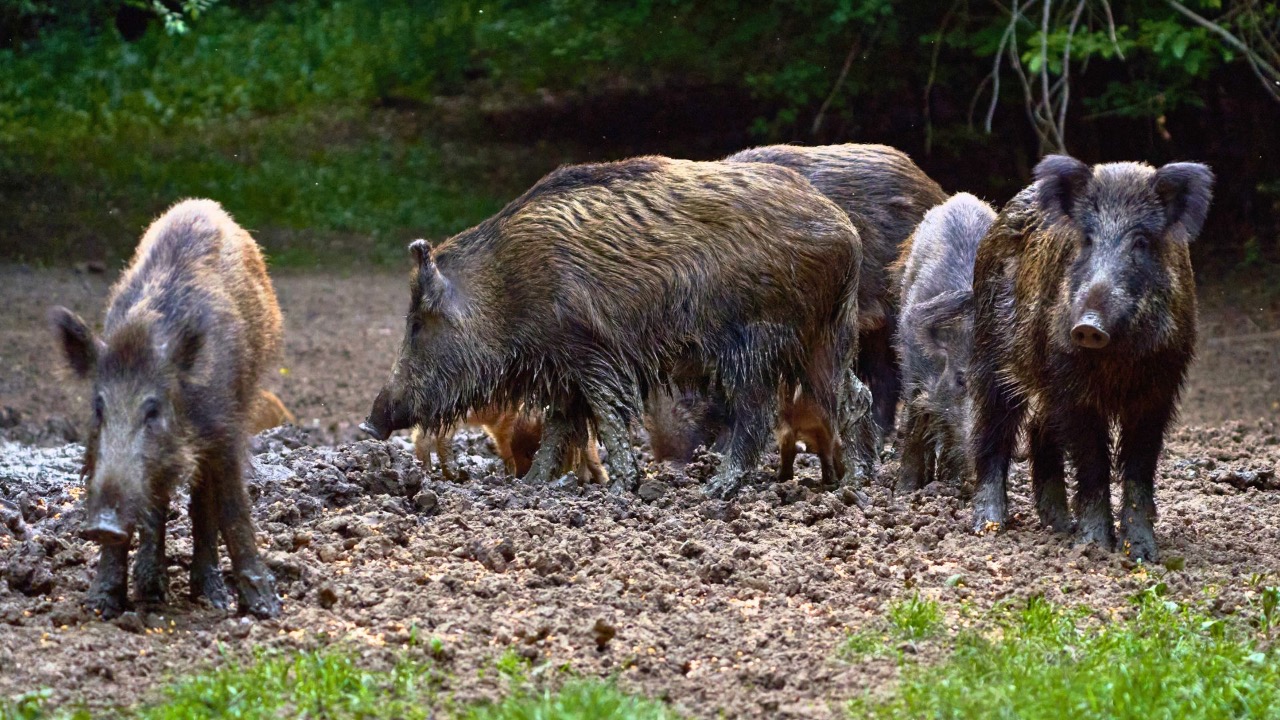
Feral pigs are no longer a regional headache. They are invasive, voracious, and resilient animals pushing into new ground across the United States, chewing up crops, wetlands, and suburbs alike. Based on recent reporting, here are 15 states where that expansion is hitting hardest and what it means on the ground.
1. Texas
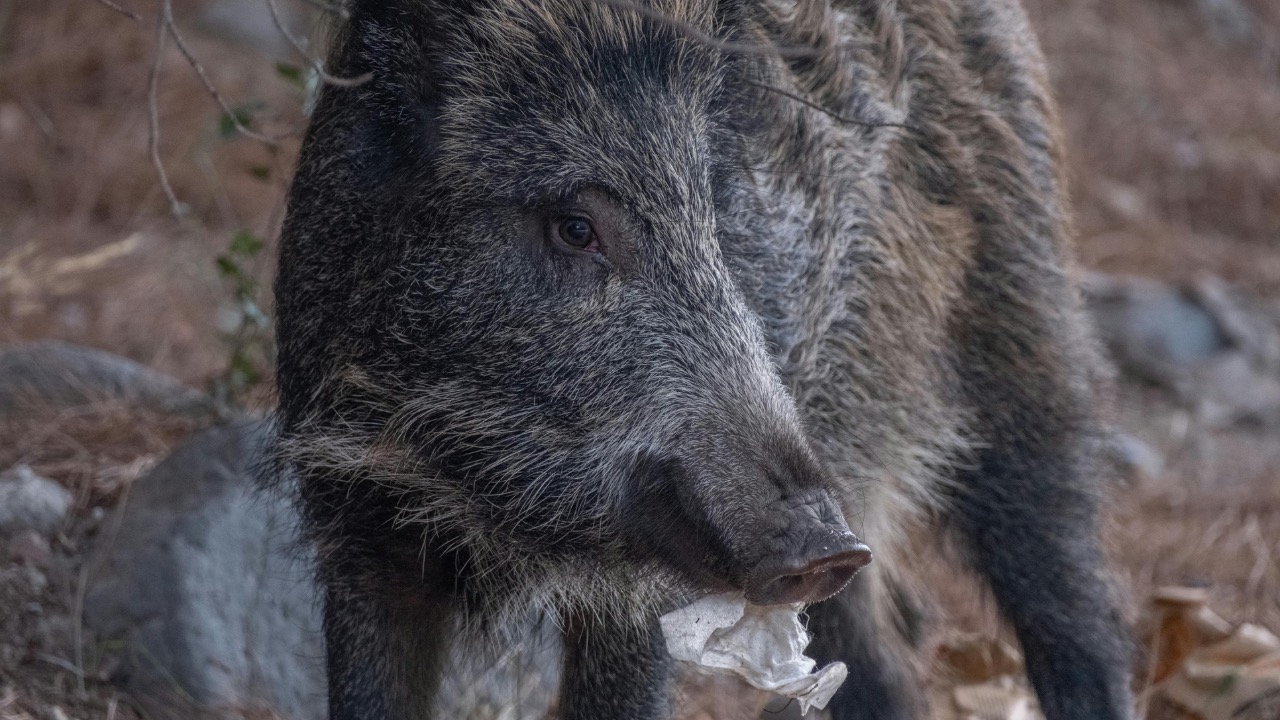
Texas sits at the center of the feral hog storm. A University of Georgia study, cited in a local report, flatly states that Texas has the worst feral hog problem in the United States, which tracks with what landowners see in torn-up pastures and ruined fences.
State biologists note that in Texas, feral hogs are established in 253 of 254 counties, a near-total takeover that shows how fast these animals can spread once they gain a foothold. For ranchers, deer managers, and small towns, that density means nonstop crop loss, disease concerns, and expensive control work.
2. Florida
Florida’s subtropical climate gives feral pigs a year-round buffet. Reporting on how these animals are invasive, voracious, and resilient explains why they thrive in warm, wet states, and Florida’s mix of swamps, citrus groves, and cattle country is tailor-made for that kind of nonstop rooting and reproduction.
Because feral pigs are spreading across at least 35 states, Florida’s established herds can easily push into new river systems and timber tracts whenever pressure ramps up elsewhere. Hunters and landowners here are dealing with crop damage, wallows in wetlands, and growing worries about disease transmission to domestic swine.
3. California
California shows how quickly feral pigs can jump from backcountry to suburb. Recent coverage of the San Francisco Bay describes hogs tearing up parks and open space, proof that these animals are not confined to remote ranches anymore.
Those same invasive, voracious traits that drive damage in farm fields now play out in vineyards, oak woodlands, and even neighborhood greenbelts. As pigs expand into more of the state’s diverse terrain, California agencies are being forced to balance public safety, habitat protection, and access for hunters who help remove problem animals.
4. Hawaii
Hawaii’s feral hog problem is a classic example of what happens when a nonnative species hits an island with few natural checks. Reporting on how feral pigs are invasive and resilient fits perfectly here, because once they were introduced, they spread through forests and gulches with very little to slow them down.
On steep volcanic slopes, rooting pigs strip native plants, open soil to erosion, and create wallows that breed mosquitoes. That damage threatens rare island ecosystems and complicates watershed protection for communities that depend on clean upland water, making hog control a conservation priority as well as an agricultural one.
5. Georgia
Georgia anchors the Southeast’s feral hog belt. National invasive species data show that feral swine have been reported in at least 35 states, and Georgia is one of the core strongholds where their Range keeps expanding into new river bottoms, pine plantations, and agricultural valleys.
Those landscapes give pigs everything they need, from acorns to peanuts. As populations grow, landowners see more rooted food plots, damaged irrigation lines, and competition with native wildlife. Wildlife managers here are leaning on trapping and coordinated shooting to slow the spread, but the animals’ high reproduction rate keeps pressure high.
6. Alabama
Alabama’s mix of farmland and timber makes it prime hog country, and recent coverage flatly states that feral hogs are wreaking havoc in Alabama’s farmland and forests. In that report, Feral pigs root through soil and They damage tree roots, which has long-term consequences for both crops and commercial timber.
Those impacts ripple through rural economies, cutting yields and forcing landowners to spend more on fencing and control. As hogs expand into new watersheds and hunting leases, they also complicate deer and turkey management, since rooting can wipe out food plots and disturb nesting cover in a single night.
7. South Carolina
South Carolina’s coastal marshes and river systems are increasingly scarred by feral hogs. The same invasive, voracious behavior documented nationally shows up here as pigs churn up tidal flats, raid cornfields, and push deeper into bottomland hardwoods that used to be dominated by deer and turkeys.
Because these animals are resilient generalists, they handle hurricanes, floods, and drought better than many native species. That gives them a competitive edge as they spread along the coast and inland, forcing wildlife agencies and private landowners into long-term, coordinated trapping and removal efforts to protect habitat and infrastructure.
8. Arkansas
Arkansas’ rural landscapes, from rice country to Ozark hollows, are seeing more feral hog sign every year. National reporting on how feral pigs are invasive and spreading fits what farmers here describe when they talk about rooted levees, damaged pastures, and wallows in irrigation ditches.
Those problems are not cosmetic. When hogs undermine levees or chew up young rice, they threaten both yields and flood control. As populations expand into new counties, Arkansas landowners are increasingly turning to cooperative trapping programs and night shooting to keep numbers in check and protect working lands.
9. Louisiana
Louisiana’s wetlands are a perfect laboratory for feral hog expansion. The animals’ voracious appetite and strong snouts let them rip through marsh edges, cypress swamps, and crawfish ponds, mirroring the invasive behavior described in national coverage of their spread across the United States.
In a state already fighting coastal erosion, hogs tearing up marsh vegetation make a bad situation worse. Their expansion into new bayous and levee systems raises stakes for waterfowl habitat, commercial fisheries, and storm protection, pushing managers to integrate hog control into broader coastal restoration work.
10. Mississippi
Mississippi’s agricultural belt is another front line. With feral pigs now documented in at least 35 states, Mississippi’s mix of row crops, hardwood bottoms, and pine plantations gives them room to expand, and their resilience to removal makes every control effort feel like a holding action.
Farmers here report rooted soybean fields, damaged hay meadows, and hogs working the same food sources as deer. That overlap complicates wildlife management and insurance claims, and it forces landowners to weigh the cost of trapping and fencing against the steady march of new sounders into their ground.
11. Oklahoma
Oklahoma’s prairies and cross-timbers are seeing more feral hogs push north and west. National invasive species information confirms that Feral swine are now a fixture across much of the country, and Oklahoma’s expanding populations fit that broader pattern of Range growth into new habitats.
On the ground, that means rooted wheat fields, damaged riparian areas, and hogs competing with native game for acorns and other mast. As sounders spread into new counties, ranchers and wildlife managers are coordinating aerial gunning and large-scale trapping to keep pigs from overrunning fragile prairie watersheds.
12. Tennessee
Tennessee’s Appalachian ridges and valleys are increasingly carved up by hog rooting. Reporting that feral pigs are invasive, voracious, and resilient explains why they handle steep, forested terrain so well, using thick cover and abundant mast to fuel steady expansion into new hollows and wildlife areas.
That spread threatens native plant communities and complicates bear and deer management, since hogs compete for acorns and disturb denning and bedding cover. As populations creep northward, Tennessee becomes a key bridge state, influencing whether feral pigs gain a permanent foothold deeper into the central Appalachians.
13. North Carolina
North Carolina’s mix of coastal plain, Piedmont farms, and mountain forests gives feral pigs a little of everything. National coverage of their spread across the United States highlights how adaptable they are, and North Carolina showcases that adaptability as hogs move between swamps, cutovers, and cornfields.
For landowners, that means damage is not confined to one region. Hogs can root up duck impoundments on the coast, then show up in cattle pastures or timber tracts farther inland. That statewide reach forces agencies to coordinate across regions and lean on hunters and trappers for year-round pressure.
14. Missouri
Missouri sits on the edge of traditional hog country, but the animals are pushing hard into its Ozark hills and river corridors. Reports describing feral pigs as invasive and resilient match what local managers see as sounders slip between public land, private timber, and remote glades.
Those incursions threaten sensitive karst watersheds and ground-nesting birds, and they risk turning Missouri into another core hog state if expansion is not checked. That is why agencies here have tightened rules on releasing or transporting pigs and ramped up organized trapping to knock back growing populations.
15. Kentucky
Kentucky’s rolling hills and hardwood hollows are a newer front, but feral hogs are already expanding in pockets of the state. National reporting on how these animals are invasive, voracious, and resilient helps explain why, once introduced, they can quickly spread through remote timber and reclaimed mine lands.
As sounders establish in more counties, they threaten food plots, hay fields, and oak regeneration, putting pressure on both farmers and deer managers. With feral hogs already present in 35 states and a U.S. population estimated at over six million, Kentucky’s response will help determine how far north that line moves.
Supporting sources: Going Hog Wild:.

Asher was raised in the woods and on the water, and it shows. He’s logged more hours behind a rifle and under a heavy pack than most men twice his age.