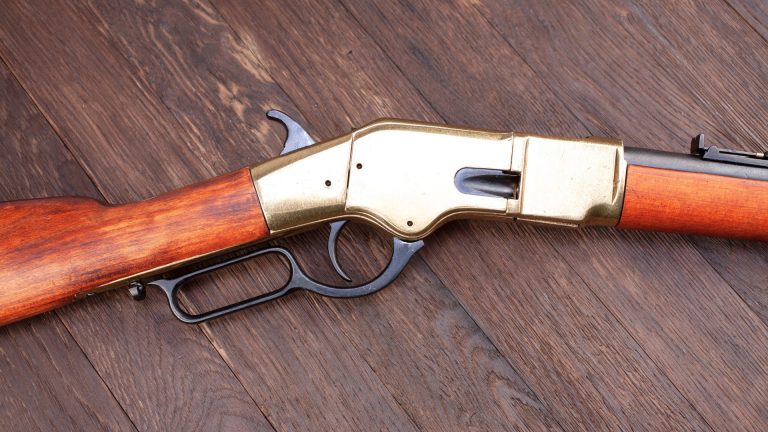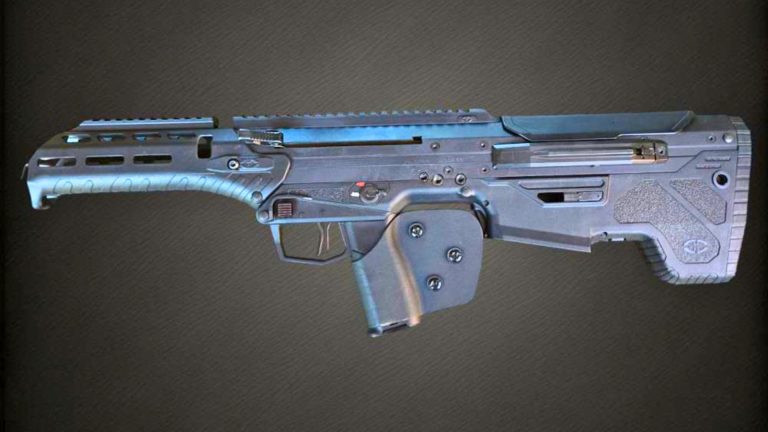
How to clean rifles in the field
Keeping a rifle running in the field is less about white‑glove perfection and more about disciplined, repeatable habits that prevent small problems from turning into stoppages. A smart field routine strips away the bench‑rest extras and focuses on clearing fouling, protecting critical surfaces, and getting the gun back into the fight or back on the mountain with confidence. I approach it as a compact system: the right tools, a safe workflow, and a few proven shortcuts that preserve accuracy and reliability until a full cleaning is possible.
Field conditions are rarely forgiving. Dust, moisture, unburned powder, and even plant debris can work their way into actions and bores, especially after long strings of fire or a hard day of hunting. If I want a rifle to hold zero on a 350 yard shot or cycle cleanly in freezing rain, I need a method that I can execute on a tailgate, in a tent, or beside a truck without a bench or a vise, and that is where a purpose‑built field cleaning plan earns its keep.
Safety and field-stripping come first

Any field cleaning starts with a non‑negotiable step: I verify the rifle is unloaded, then verify it again. That means removing the magazine, locking or holding the action open, and physically and visually checking that there is nothing in the chamber or feeding path. Guidance for bolt guns stresses that When handling any firearm, the priority is confirming an empty chamber before any disassembly, and that standard applies just as strictly in a muddy bivouac as it does on a clean bench.
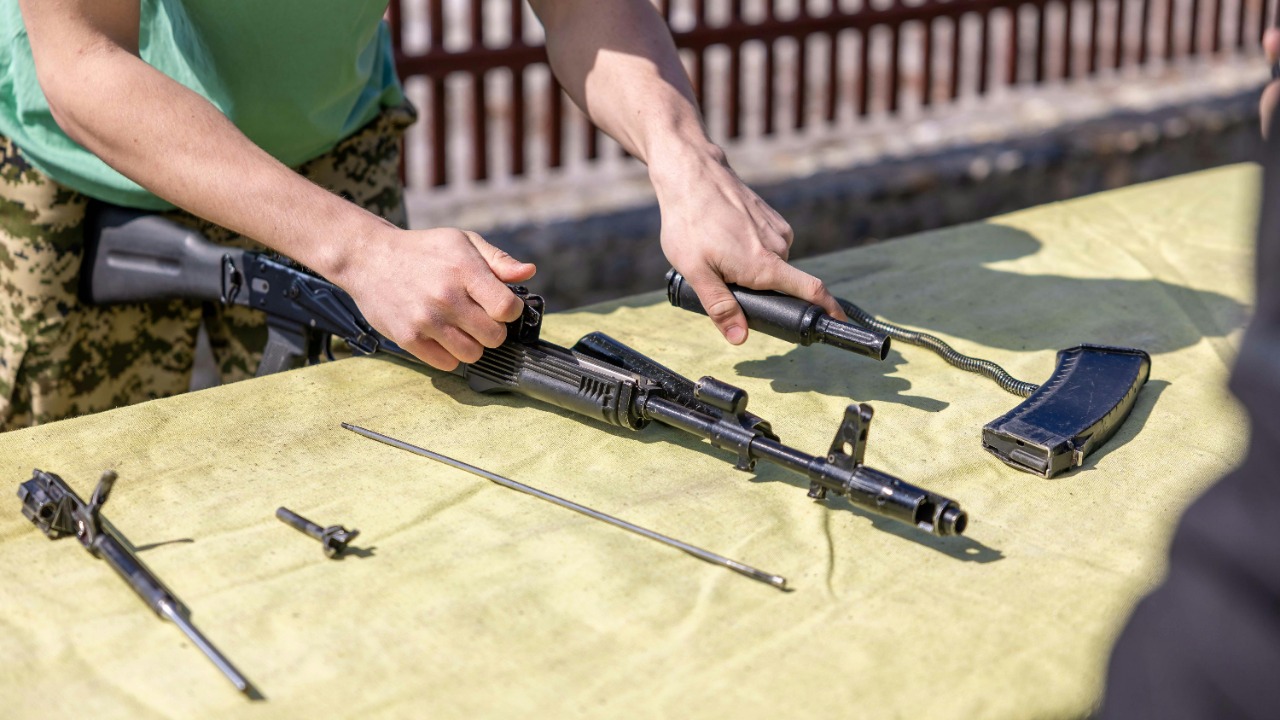
Once I am certain the rifle is clear, I move to basic field stripping, not full detail work. For a bolt action, that usually means removing the bolt and, if needed, the magazine floorplate or detachable mag. Semi‑automatic designs call for separating upper and lower receivers or opening the action far enough to access the bore and bolt group. Even military manuals for rifles like the Sa VZ 58‑7‑62×39 emphasize a limited breakdown after shooting, describing a specific Procedure in cleaning and preserving the rifle that focuses on partial disassembly even after exposure to moisture, snow, and similar abuse.
Building a compact field cleaning kit
A field kit lives or dies on weight and versatility. I prioritize a slim pouch that covers the essentials: a pull‑through cable or segmented rod, caliber‑specific brushes and jags, patches, a small multitool, and a compact bottle of cleaner‑lubricant. Commercial sets marketed as Perfect for firearm maintenance show how much capability can fit into a small roll, with brushes and rods sized for .22, .223, and 5.56, all supplied in a durable pouch that is easy to stash in a pack.
Quality matters more than quantity. A good cleaning rod is described as the most important tool in a gun care toolbox, and guidance for European shooters notes that the cleaning rod is the most important component, with a preference for rods made of coated steel or brass to protect the bore. To keep weight down, I often lean on flexible cables and compact accessories similar to those in modular systems where Why Are Otis Firearm Accessories are highlighted as a Great Choice because they pack into a small recce kit without making it too heavy.
Choosing solvents, CLPs, and lubricants that work outdoors
In the field, I favor products that do more than one job. A combined cleaner, lubricant, and protectant simplifies the kit and speeds up the process. One example is a dedicated Extreme Duty CLP that is designed to clean, lubricate, and protect firearms in a single step, with the manufacturer explaining that About this item Lucas Oil Extreme Duty CLP is formulated to free rusted parts and actions while guarding against corrosion. The same product line describes an Extreme Duty CLP that is intended to keep firearms running in harsh conditions, which is exactly the environment where a hunter or deployed shooter is likely to be cleaning.
Dedicated bore solvents still have a place, especially when copper and carbon fouling start to build, but I treat them as a supplement rather than the core of a field kit. A practical cleaning routine for hunting rifles points out that There are a ton of good solvents on the market, and that reality can tempt shooters to overpack. I focus on one bore solvent that I trust and a CLP that can handle general carbon removal and lubrication, which keeps the pouch light and the workflow simple when I am working by headlamp or in bad weather.
Core field-cleaning steps for the bore and chamber
Once the rifle is stripped and the chemicals are ready, I start with the bore. For a bolt gun, I prefer to clean from the chamber end to protect the crown, using a cable or rod with a bronze brush followed by patches. A practical guide to hunting rifles recommends taking a bronze bore brush, wetting it with solvent, and running it through the barrel several times before following up with dry patches, a sequence described in detail where shooters are told to Take a bronze bore brush and work systematically. In the field, I shorten the cycle, focusing on enough passes to clear loose fouling rather than chasing a spotless patch.
Chamber and throat areas deserve special attention because they are common sources of extraction issues when fouling mixes with dust or moisture. I use a chamber brush or a patch wrapped around a jag to scrub that transition, then lightly oil a final patch to leave a thin protective film. Basic rifle cleaning guidance for new owners explains that field stripping is usually sufficient and that Due to the variety of rifles, complete disassembly is not necessary for routine care, which reinforces the idea that a focused bore and chamber treatment is enough until I can get back to a bench.
Keeping actions, bolts, and externals reliable
With the bore handled, I turn to the action. On a bolt action, that means wiping down the bolt body, lugs, and raceways, then applying a very light coat of lubricant where metal bears on metal. A step‑by‑step demonstration from a Remington representative shows how Mar David with Remington walks through cleaning a Remington 700, emphasizing removal of fouling from the bolt and careful re‑lubrication of contact points. I follow the same logic in the field, but I am even more conservative with oil to avoid attracting grit.
Semi‑automatic rifles demand more attention to bolt carriers, gas systems, and trigger groups, but the principle is the same: remove visible carbon, wipe away old lubricant, and reapply a thin film where it counts. A retired senior noncommissioned officer, introduced as Decker Command Sergeant Major, demonstrates how to quickly clean a rifle for service use, focusing on the bolt, carrier, and upper receiver to restore function without a full teardown. I mirror that approach in the field, using a microfiber cloth, which guidance on kit components notes must be part of a quality set and explains that In the list of necessary parts, such cloths are used to clean the firearm’s surface and remove residue before a light protective coat is applied.
Field cleaning versus deep cleaning and how often to do each
Field cleaning is not a substitute for a full teardown, and I treat the two as complementary. A detailed comparison of maintenance levels defines What is Deep Cleaning by listing tools like a cleaning rod with appropriate brushes and jags, Solvent for removing carbon and fouling, Lubrican for protection, and even gunsmithing tools for disassembly. In contrast, a field routine is about keeping the rifle serviceable between those more intensive sessions, especially when I am far from a workbench or pressed for time.
Frequency depends on use and environment. Some hunting guidance suggests that every time a gun is fired, some fouling and residue are left behind, and that regular care is essential if I expect extreme accuracy for shooting an elk 350 yards away, a point underscored in a practical blog where Did You know that neglecting this buildup can erode performance. For storage, advice aimed at hunters notes that Before Extended Storage While many gun owners keep rifles at home or in gear sheds, anyone planning to leave a firearm unused for a lengthy period should perform a deep cleaning beforehand, which I treat as a hard rule rather than a suggestion.
Adapting the routine to real-world field conditions
Conditions in the field rarely match the tidy environment of a gun room, so I adapt the same core steps to whatever space and time I have. If I am cleaning in a truck bed during a storm, I prioritize safety checks, a quick bore pass, and a wipe‑down of the bolt and exterior metal, then I get the rifle back into a dry case as soon as possible. Military manuals for service rifles highlight that After finishing shooting, the weapon should be partially disassembled for cleaning and preservation, especially after exposure to moisture, snow, and similar conditions, and I follow that same logic with civilian rifles when weather turns ugly.
Even with limited time, I avoid skipping the basics. I still start by confirming the rifle is clear, then I strip it as far as the design allows without tools, clean the bore and chamber, wipe and lightly lube the action, and finish with a quick exterior pass using a microfiber cloth. Compact kits that are marketed as All supplied in a nice pouch or modular systems that keep cables, brushes, and small bottles organized make it easier to run through that checklist even in low light or cramped quarters, which is ultimately the test of any field cleaning routine.

Leo’s been tracking game and tuning gear since he could stand upright. He’s sharp, driven, and knows how to keep things running when conditions turn.