Emergency gear myths that don’t hold up under pressure
Disasters have a way of exposing which ideas survive contact with reality and which fall apart the moment the lights go out. Some of the most persistent emergency gear myths sound reassuring in calm weather, but they can push people toward the wrong tools, the wrong training, or a dangerous sense of complacency when pressure hits.
I want to walk through a handful of those shaky assumptions, from overtrust in 911 to movie-inspired first aid tricks, and look at what actually holds up when systems fail. The goal is not to sell more gadgets, but to separate comforting stories from evidence-based habits that give you a better chance of getting through a bad day.
Myth 1: “I’ll just call 911 and someone will save me”
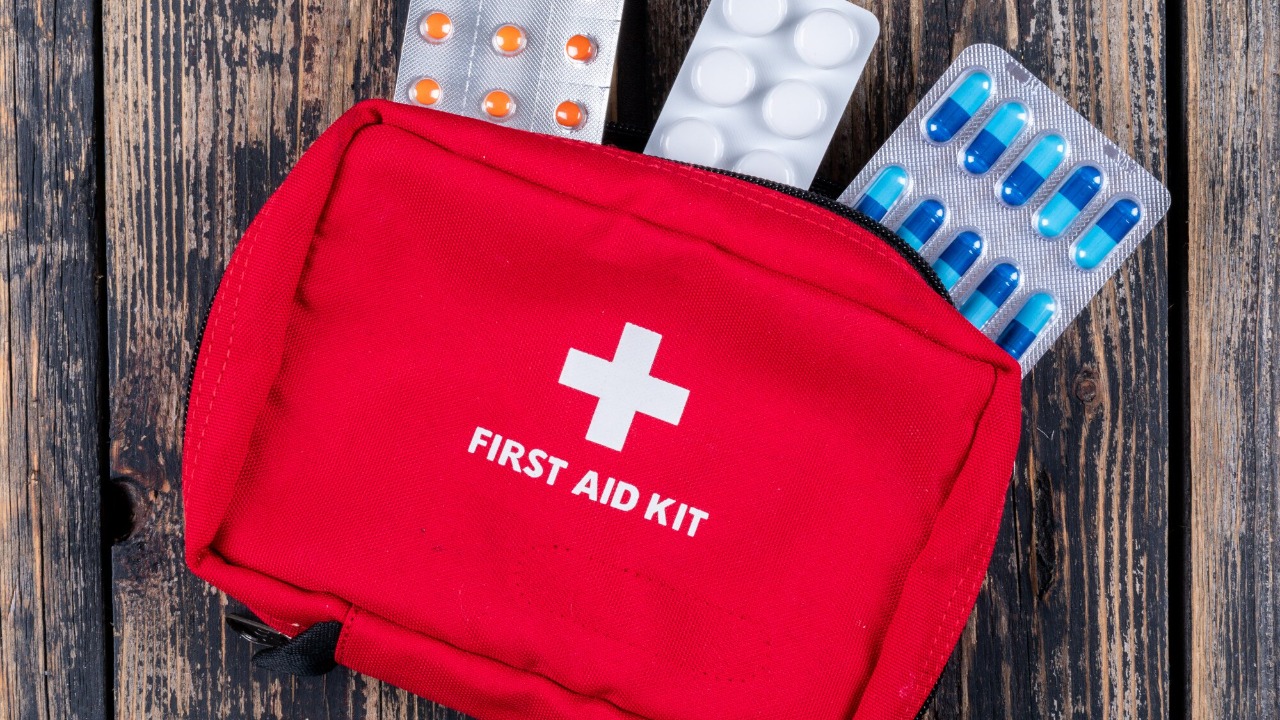
The most seductive emergency myth is that professional help is always a phone call away. In routine crises, that is often true, but large-scale disasters quickly overwhelm the system. Official guidance is blunt that in a major event, the assumption that you can simply dial 911 and wait for rescue is a MYTH, because When roads are blocked, communications are jammed, and responders are stretched thin, the FACT is that you may be on your own for hours or days. That gap between expectation and reality is where preventable deaths happen.
Emergency planners now urge households to think in terms of self-sufficiency, not instant cavalry. One federal-style checklist notes that after a serious incident you may need to Get a personal Kit After the shock passes, because Authorities warn you could be without outside help for as many as 2 weeks, which is why they recommend enough food, water, and medical supplies to bridge that window in an emergency. Public campaigns echo the same message: Understanding local risks is the first step to being prepared, and one widely shared post labels “I’ll just rely on emergency services” as a Myth, countered by the Fact that crews may be delayed or unable to reach you at all, especially during power outages and severe weather, a point hammered home in recent preparedness campaigns.
Myth 2: “Any gear is good gear, and more is always better”
Another misconception is that owning a mountain of equipment is the same as being ready. In reality, poorly chosen or misunderstood gear can be worse than nothing, because it encourages risky decisions. Seasoned preppers have cataloged how people fixate on flashy tools while neglecting basics like water, shelter, and Medical and hygiene supplies, and they point out that some popular items, such as Multivitamins, are often treated as magic bullets even though they cannot replace real nutrition or sound planning, a nuance that shows up in detailed Dec breakdowns of common mistakes.
Online communities that focus on self-reliance are even more blunt about overconfidence in gear. One widely shared guide warns, “Don’t rely on your gadgets,” stressing that radios, filters, and solar chargers should be backups, not your primary supply, and that Animal attack myths, like trusting a single tool to fend off wildlife, can get you hurt. The same discussion singles out the idea that you can Don a high-tech device and forget skills as dangerous, noting that Venom, cold, and dehydration do not care how expensive your kit was, a reality check that runs through the Feb advice shared by experienced preppers.
Myth 3: “Old-school weather tricks will keep my home safe”
Weather folklore has a stubborn hold on how people react to storms, and some of those habits are actively harmful. One of the most persistent tornado myths is that you should open windows to relieve pressure, a ritual that wastes precious seconds and can increase flying glass. Safety experts now emphasize that the idea You Should Open Windows to Equalize Pressure Years ago came from a misunderstanding of how structures fail, and that modern analysis shows the real damage comes from wind and debris, not a vacuum effect, which is why they call opening windows pointless in updated Myth lists.
Similar myths circulate about where to shelter and what a tornado can or cannot do. Some people still believe that overpasses are safe havens or that rivers and hills will divert storms, even though damage surveys show twisters crossing all kinds of terrain. Forecasters have tried to reset expectations by explaining that Below the swirling funnel, the most destructive feature of a tornado is the debris field, not some mystical force that respects landmarks, and they urge people to prioritize interior rooms, helmets, and sturdy shoes over window rituals, a message repeated in plain language in recent weather myth breakdowns.
Myth 4: “TV first aid tricks are better than doing nothing”
Pop culture has taught generations of viewers that dramatic, improvised medicine is heroic, but many of those techniques are either useless or harmful. One classic example is the idea that you should Cut and suck a snakebite, a move that looks decisive on screen but in reality does little to remove Venom and can damage tissue or introduce infection. Wilderness medicine specialists note that the cut-and-suck technique has been abandoned in favor of immobilizing the limb and getting to a doctor, and they treat this outdated technique as a textbook case of how cinematic heroics can get you killed, a warning laid out in detail in Apr field guides.
Even around the house, familiar remedies can backfire. Basic First Aid Myths still circulate in families, including the long-standing Myth that you should Bring Out the Butter for a burn, a practice that traps heat and increases the risk of infection instead of cooling the skin. Modern training stresses What You Should Do in an Emergency is run cool water over the area, remove constricting jewelry, and seek care for serious injuries, advice that is spelled out step by step in updated Aug first aid refreshers.
Myth 5: “Helping in a medical emergency will get me sued”
Fear of legal trouble is one of the quietest but most damaging myths in emergency response. I have heard countless people say they would hesitate to perform CPR or use an AED because they worry about Lawsuits, even when they are the only person nearby who knows what to do. Legal and medical experts repeatedly describe this as a Myth, pointing out that Good Samaritan protections in many places are designed specifically to shield bystanders who provide reasonable aid in good faith, a point that is central to modern Debunking of Emergency Medical Treatment Myths.
The bigger risk, they argue, is doing nothing while someone’s heart or breathing has stopped. Survival odds drop sharply with each minute of delay, and automated defibrillators are built to guide untrained users through voice prompts and safety checks. Training organizations now emphasize that the law is far more likely to support a layperson who tried to help than punish them, and they encourage people to refresh their skills regularly so that hesitation does not cost a life when pressure hits, a theme that runs through many modern first aid and CPR courses.
Myth 6: “Nature and my body will provide what gear can’t”
When people imagine worst-case scenarios, they often assume that the human body and the natural world will fill in the gaps left by missing gear. One of the most persistent examples is the belief that you can safely drink urine to stave off dehydration. Survival instructors point out that the primary dangers of drinking urine come from its salt and toxin content, which means every swallow pushes your kidneys one step forward and two steps back, a vivid phrase used in detailed survival critiques of TV myths.
Pilots and backcountry experts echo the same warning. One aviation-focused guide jokes, “I don’t imagine a whole lot of us are just looking for a chance to drink our own urine,” before explaining that urine is mostly salt and other waste and that using it as a water source will accelerate dehydration, a point underscored in practical aircrew briefings. Big game hunting instructors go further, stating flatly that Drinking pee is bad for you, no matter the circumstance, and reminding readers that a human can go about a week without water, so resorting to urine is more likely to make you sick than save you, a blunt assessment laid out in modern Drinking fact checks.
The same misplaced faith shows up in assumptions about air and water quality. Travelers sometimes assume that aircraft ventilation will protect them from illness, but researchers note that Bacteria or viruses that can cause disease, known as pathogens, can build up in enclosed cabins, and that Due to the confined space and shared air, the risk for contracting an airborne disease could increase on long flights, a concern highlighted in public health travel advisories. On the ground after disasters, water systems are often down for days or even weeks, and logistics planners stress that Having clean drinking water is essential, which is why emergency freight loads routinely include drinking water and water purification systems, a priority spelled out in Additionally detailed guidance for FEMA-related shipments.
Myth 7: “Shelter is simple: four walls and a fire”
Finally, shelter myths can turn a manageable situation into a lethal one. Popular lore suggests that any roof is better than none and that a roaring fire will fix most cold-weather problems, but field experience tells a more complicated story. One widely cited list of MYTHS ABOUT SHELTER notes that advice to Build a fire in a cave for warmth ignores basic physics, because Heat causes rock to expand, which can lead to them breaking, and that Expansion and spalling can send shards raining down on anyone huddled inside, a risk that seasoned outdoors educators highlight in SHELTER briefings.
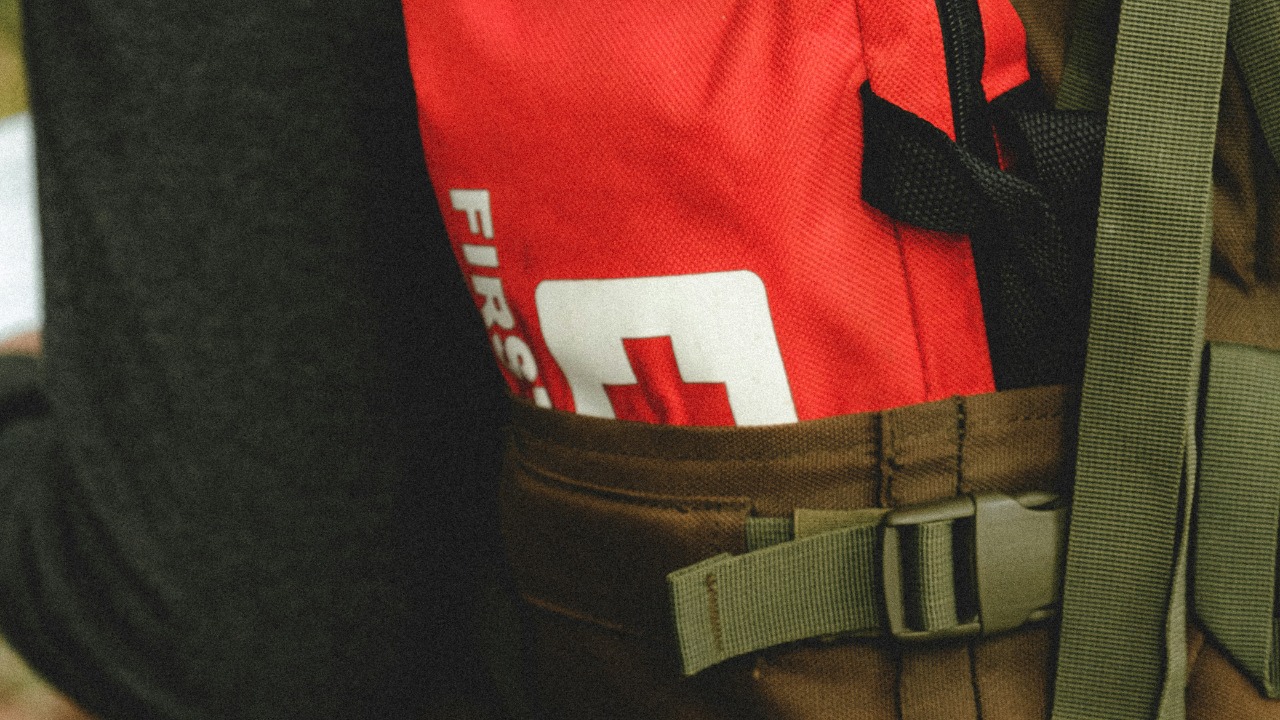
Urban and suburban shelter choices can be just as counterintuitive. People sometimes prioritize staying near windows to “watch the storm” or choose garages and carports because they feel sturdy, even though debris patterns show that interior rooms on the lowest floor are far safer. Emergency educators now stress that the right shelter is less about romance and more about structural realities: distance from glass, layers of walls between you and the outside, and a plan to stay put with enough supplies to ride out disruptions. That means pairing realistic shelter strategies with the kind of water, food, and medical kits that can actually carry you through the days when help is delayed.
When I look across these myths, a pattern emerges: the stories that fail under pressure are the ones that promise shortcuts, whether it is a single phone call, a miracle gadget, or a dramatic TV move. The habits that hold up are quieter and less cinematic, built on understanding local risks, stocking practical gear, and learning simple, proven skills long before sirens start to wail.

Leo’s been tracking game and tuning gear since he could stand upright. He’s sharp, driven, and knows how to keep things running when conditions turn.