Why some pistols lose trust after extended use
On the sales counter, most modern pistols look alike: compact, polymer framed, and marketed as “duty ready.” The real separation happens later, after hundreds of trigger pulls, when small design compromises start to show up as loosened parts, wandering sights, or malfunctions that are hard to clear. That is when some handguns quietly lose the confidence of the people who carry them.
I have watched otherwise promising models go from range darlings to safe queens in a single season, not because of one catastrophic failure but through a steady drip of problems that owners no longer trust. Understanding why that happens, and how shooters recognize the warning signs, is now central to how serious buyers judge a pistol’s long term value.
When early range time exposes weak designs
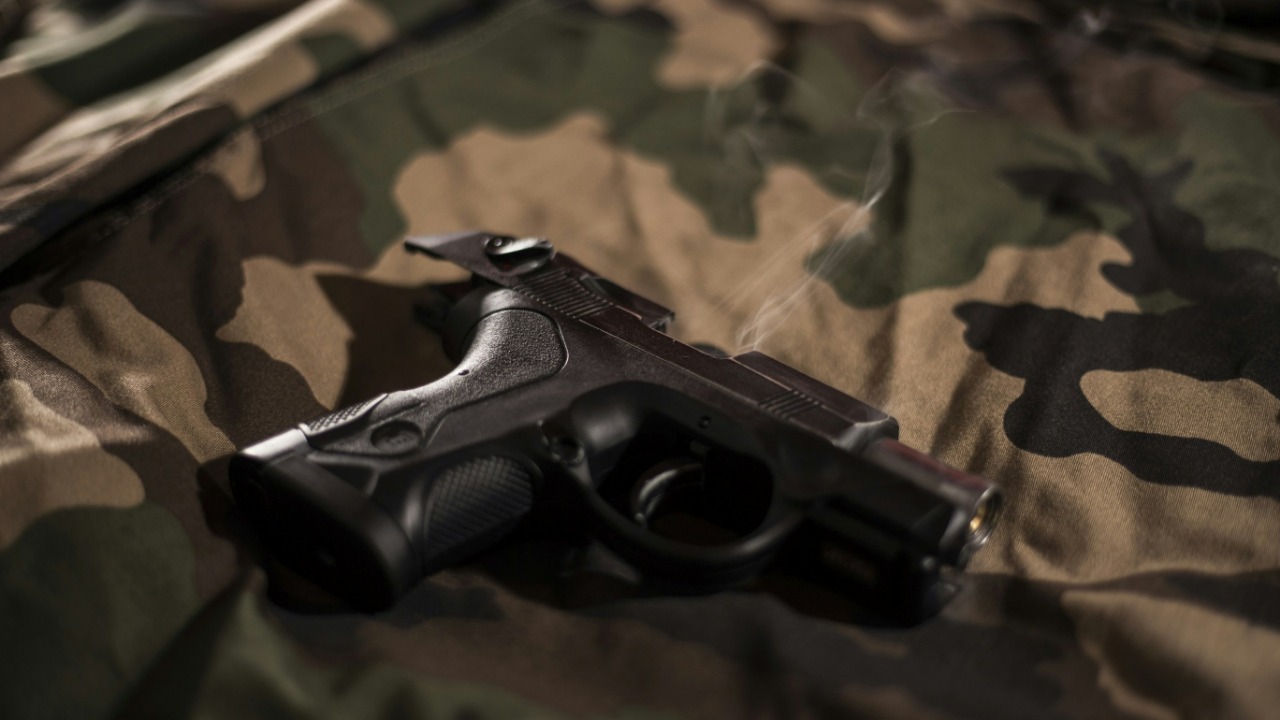
The first cracks in a pistol’s reputation usually appear long before the round count reaches what engineers would call the end of its service life. A few boxes of ammunition can be enough to reveal whether a design is robust or fragile, as repeated recoil cycles stress locking lugs, slide rails, and small pins that looked fine in the display case. Some Pistols that feel tight and confidence inspiring at first start to rattle after a couple hundred rounds, and the shooter notices controls that were once crisp becoming mushy or inconsistent.
That early degradation is not just cosmetic, it is a signal that tolerances and materials were chosen with cost or marketing in mind rather than durability. Range regulars talk about how Spend enough time shooting side by side with different brands and a pattern emerges: some handguns shrug off a few hundred rounds as a warm up, while others start shedding small parts or suffering intermittent stoppages that erode trust. Once a pistol earns a reputation for needing babying that early, many owners mentally downgrade it from defensive tool to occasional range toy.
Accuracy that fades as parts loosen
Reliability is only half the story, because a pistol that still cycles but no longer hits where it is aimed is just as likely to be retired from serious use. As components wear in, barrel lockup can become less consistent, sights can drift in their dovetails, and triggers can develop extra creep, all of which show up on paper as larger groups. Reports of Pistols that lose accuracy after only a few boxes of ammunition are particularly damaging, because shooters reasonably expect a new handgun to hold its zero at least through the first training cycle.
Once a gun’s point of impact starts to wander, owners often chase the problem with new sights, different ammunition, or more careful benchrest testing, but the underlying issue is usually mechanical fit. The Avid Outdoorsman community has highlighted how even modest round counts can expose barrels that do not return to the same position in the slide, or frames that flex enough to change how the slide tracks, especially in lightweight designs marketed to new carriers. When a Story circulates that a particular model opens up from tight groups to hand sized patterns in a single season, that narrative is hard for any manufacturer to reverse.
Catastrophic malfunctions and the double feed problem
Even shooters who accept the occasional failure to feed or stovepipe draw a hard line at malfunctions that are difficult to clear under stress. The classic example is the type of stoppage often labeled a Type 3, where two rounds try to occupy the chamber at once and the slide locks up. Guides that explain What Is a double feed malfunction point to weak or worn magazine springs, rough chambers, or extractor issues as root causes, all of which can be aggravated by marginal design choices or cost cutting in production.
When a pistol begins to suffer repeated double feeds, owners quickly lose confidence that it will function when needed, because clearing that kind of stoppage requires more time and dexterity than most defensive encounters allow. Detailed breakdowns of Double Feed Malfunction behavior emphasize how small changes in feed ramp geometry or magazine design can either prevent or invite this failure mode. Once shooters connect a specific model with chronic Type 3 issues, the gun’s reputation can collapse even if the manufacturer later updates springs or followers, because the memory of wrestling with a locked slide on the firing line is hard to forget.
Service life expectations and the Glock benchmark
Behind every trust decision is an unspoken question: how long should a service pistol last before major parts need replacement. Technical discussions of handgun longevity often cite round count figures, with some platforms expected to run for tens of thousands of shots before critical components reach the end of their fatigue life. One analysis notes that with roughly a 30,000 round service life, a Glock pistol and similar striker fired designs have become popular precisely because they can survive heavy training schedules without constant trips back to the armorer.
By contrast, some compact or budget oriented models begin to show frame peening, cracked locking blocks, or slide rail deformation at a fraction of that round count, which owners interpret as a breach of the implied promise that a defensive handgun should outlast a few years of regular practice. The same service life discussion highlights how The USP is known for its long service record, reinforcing the idea that durable designs are possible when manufacturers prioritize robust locking systems and quality control. When shooters compare those benchmarks to pistols that feel worn out after a couple of seasons, the latter quickly lose their place in holsters and duty belts.
Design controversies and the Sig Sauer P320 debate
Some pistols lose trust not because they wear out quickly, but because they become the focus of high profile safety debates. The most prominent recent example is the modular P320, which Now, SIG striker fired platform, chosen by the U.S. military and many law enforcement agencies as their official sidearm, still faces scrutiny over claims of unintended discharges. Even when official testing and manufacturer statements argue that the pistol meets safety standards, the existence of lawsuits and viral accounts of alleged incidents can plant a seed of doubt that is hard to dislodge.
That tension is visible in owner discussions where some shooters praise the P320’s ergonomics and modularity while others say they will not carry it until they are satisfied that every drop safety concern has been addressed. In one thread, a user identified as Fingers describes being a Sig armorer and still fielding questions about the platform’s safety, a reminder that even insiders must navigate the gap between official assurances and public perception. When a model becomes shorthand for a controversy, that narrative can overshadow its actual performance on the range, and some owners quietly move to other designs rather than continue to argue about it.
Community standards: how many malfunctions is too many
Trust is not built in isolation, it is shaped by what other shooters consider acceptable. In carry focused communities, debates often center on how many malfunctions a pistol can have before it is disqualified from defensive duty. One widely cited comment argues that the issue has nothing to do with blocks and everything to do with the number of Taurus and Ruger guns that had to be sent back for customers because they were not working, a blunt assessment that reflects how gunsmiths and shop employees become informal gatekeepers of reliability reputations.
In those same conversations, some shooters insist that a single unexplained stoppage in the first few hundred rounds is enough to sideline a pistol until the cause is understood, while others are willing to tolerate a small number of break in issues as long as the gun runs clean afterward. The key point is that community norms tend to be unforgiving once a pattern of failures emerges, especially when the problems are echoed across multiple owners rather than confined to one outlier gun. As those stories accumulate, a model can go from recommended to avoided in a matter of months, regardless of what its marketing materials promise.
Internet lore, “never trust” lists, and the power of anecdotes
Beyond formal testing and armorer reports, a parallel court of opinion operates on video platforms and forums, where individual experiences can shape the reputation of entire product lines. One widely shared video on “never trust” guns singles out the R-51, describing it as a pistol that looked sharp and felt great in the hand but fell apart where it counted most, which is on the range, and the creator emphasizes the number 51 as part of the branding. That kind of narrative, complete with slow motion footage of malfunctions and close ups of battered parts, can be more persuasive to many viewers than any spec sheet or press release.
Forum discussions about the P320 show a similar dynamic, where one user posting under the name There cites a Top 1% Top 1% Commenter to argue that there are better options on the market, even while acknowledging that not every alleged incident has been independently verified. Once a gun appears on informal “never trust” lists, whether for mechanical failures or perceived safety flaws, it can be difficult for the manufacturer to win back skeptical buyers, because the emotional weight of seeing or reading about failures often outweighs statistical reliability data in the minds of individual carriers.
Why some pistols keep trust while others do not
When I look across these examples, a pattern emerges: pistols that maintain confidence over time combine conservative engineering, generous service life margins, and a track record of handling high round counts without drama. They may not be the most compact or feature rich, but they avoid the early loosening, accuracy loss, and complex malfunctions that plague more aggressively marketed designs. Owners who run them hard in classes and competitions report boring reliability, which is exactly what most people want from a defensive sidearm.
By contrast, the guns that lose trust tend to share a different set of traits: ambitious styling, cost driven shortcuts, or novel mechanisms that have not yet been proven across tens of thousands of rounds. Once early adopters start reporting that a model falls apart after a few hundred rounds, or that it shows up repeatedly in gunsmith shops for the same issues, the broader community takes notice. In that environment, the most valuable feature a pistol can offer is not a new trigger shoe or optic cut, but the quiet assurance that after years of use it will still feel, shoot, and function like the day it left the box, rather than becoming another cautionary tale passed around the range.

Leo’s been tracking game and tuning gear since he could stand upright. He’s sharp, driven, and knows how to keep things running when conditions turn.