What experienced hog hunters carry that beginners usually don’t
Wild hogs are tough, mobile and mostly nocturnal, so the gap between a beginner’s pack and a veteran’s kit often shows up in missed shots, lost blood trails and long, muddy walks back to the truck. Experienced hunters build their loadout around those realities, carrying tools that protect their bodies, harden their rifles and stack the odds in low light. The result is not a heavier pack so much as a smarter one, tuned to how feral swine actually behave and how unforgiving their habitat can be.
From specialized ammunition to bait recipes and communications gear, the most seasoned hog hunters quietly standardize on items that rarely appear on beginner checklists. I have found that once you understand why those choices matter, it becomes obvious which pieces belong in your own kit and which can stay on the shelf.
Serious firepower and ammo tailored to hog anatomy
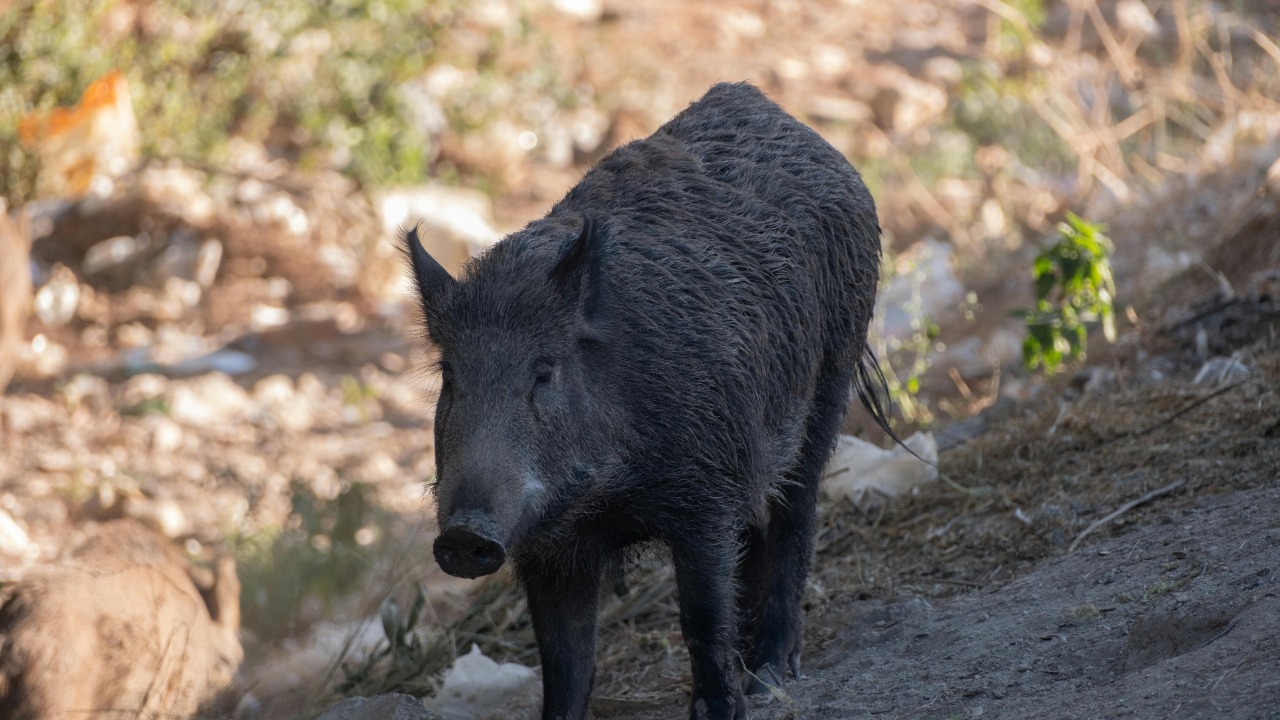
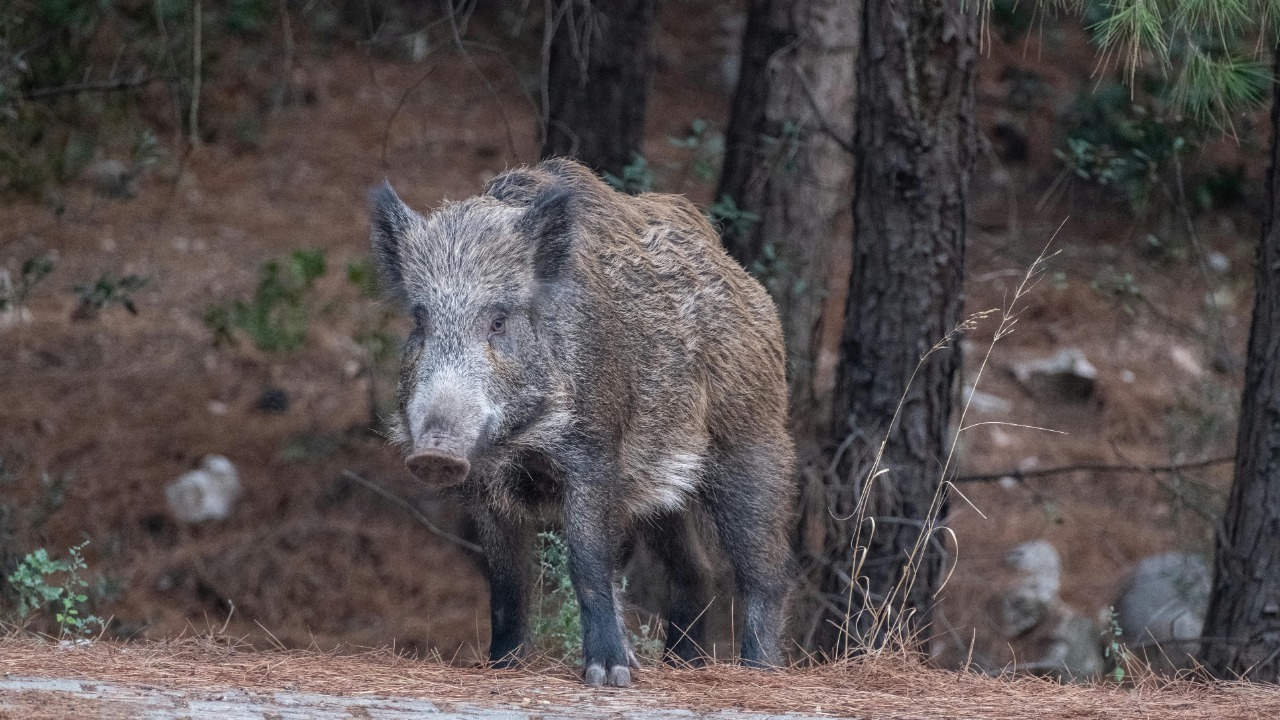
Veteran hog hunters start by upgrading the business end of the hunt, choosing cartridges and bullets that can punch through thick hide, fat and bone instead of relying on generic deer loads. They pay close attention to how Sexually mature boars develop a dense protective layer over the shoulders, a shield that biologists describe as a thickened subcutaneous tissue in the lateral shoulder region of wild hogs, or Sexually mature male feral hogs. That armor means marginal bullets can fail to reach the vitals, so experienced shooters lean on controlled expansion or bonded designs and, when they run muzzleloaders, purpose built projectiles such as the Best Muzzleloader Bullet, the Hornady Bore Driver 290-grain FTX, which is engineered to drive deep while still opening up on impact at hog ranges, a detail highlighted in a list of best calibers for hog hunting. That kind of attention to bullet construction is rarely top of mind for newcomers who may simply grab whatever soft points are on sale.
Shot placement discipline is the other half of that equation, and it shows up in what experienced hunters carry to support accurate shooting. Many of them talk about aiming just behind the ear to drop hogs quickly, a point echoed in a long running discussion where one hunter notes that it Depends on how you hit them and that a behind the ear shot tends to anchor even large boars that are otherwise super hard to put down, advice shared in a Depends on how you hit them thread. To make those shots repeatable in the dark, seasoned hunters invest in sturdy bipods, shooting sticks and weapon lights or optics that hold zero under recoil, often choosing ruggedized scopes and mounts similar to those marketed in high end optic products. Beginners, by contrast, often show up with a single box of mixed ammunition and a budget scope, then discover in the field that hogs are far less forgiving than paper targets.
Footwear and clothing built for mud, thorns and blood
Where new hunters might wear whatever hiking boots are in the closet, experienced hog hunters treat footwear as mission critical because hog country is usually wet, rutted and full of hidden holes. They gravitate toward tall, fully sealed boots that can handle standing water and muck, echoing the advice that Waterproof Boots are at the top of any serious feral hog gear list since wild hogs favor wet, mucky areas where ordinary shoes quickly fail, a point driven home in a rundown of The Must Have Gear for Successful Feral Hog Hunting. I have watched more than one newcomer cut a hunt short because their socks were soaked and their ankles chewed up by briars, while the veterans kept moving in knee high rubber or neoprene boots that shrugged off the same terrain.
Clothing choices follow the same pattern, with experienced hunters prioritizing quiet, durable fabrics and full coverage over fashion. Any staple of a good hunter is the camo clothes they wear, and seasoned hog hunters lean on patterns that match the dark, brushy environments hogs prefer, using jackets and pants that blend in and resist tearing on thorns, a point underscored in a gear checklist that notes that Any good camo jacket set will get the job done for blending into the surroundings, advice captured in a guide to Any staple of a good hunter. In dense hog habitat, that usually means long sleeves, gloves and sometimes brush chaps to guard against cuts and ticks, along with blaze elements when required by law so partners can track each other safely in the dark.
Night hunting tools and communication that keep teams coordinated
Because feral swine are usually nocturnal, the most productive hunts often happen after sunset, which is why experienced hunters invest heavily in night specific gear. They know that the best way to identify hogs is often by surveying their effects on the environment, such as rooted up ground and hoof tracks near springs, streams and ponds, a pattern described in research that notes that Because feral swine are usually nocturnal, indirect sign can be more telling than daytime sightings, a point detailed in a discussion of how to Because feral swine are usually nocturnal. To turn that sign into shot opportunities, veterans carry thermal or infrared optics, red or green filtered lights and spare batteries, often mounted on rifles or helmets so they can scan quietly without sweeping partners with white light.
Communication gear is the other piece that separates seasoned hog hunters from casual weekend trips. I have seen experienced teams run small handheld radios or smartphone apps to coordinate stalks and call out hog movement, especially on large leases where multiple groups are working different stands. In one widely shared discussion, a hunter named Hillbilly Tater points out that Game cameras that send images straight to your phone can tell you exactly when hogs are hitting a feeder, advice that has pushed many hunters toward cellular trail cams that double as scouting and safety tools, a point made in a thread where Hillbilly Tater Game cameras are recommended. Beginners may bring a flashlight and a phone, but veterans tend to add headlamps, backup lights, power banks and prearranged check in times so no one is wandering in the dark without a way to call for help.
Purpose built bait, calls and scent attractants
Another clear difference in gear shows up around how hunters draw hogs into range. Experienced hunters rarely rely on chance encounters, instead carrying bait and attractants that exploit hogs’ powerful sense of smell. Corn remains the most popular and effective bait for wild hogs, with Its sweet smell traveling far and hogs finding it irresistible, but seasoned hunters often mix it with commercial attractants or souring agents to keep other animals away and hogs coming back, a tactic described in detail in a guide to Corn remains the most popular. They also pay attention to wind and terrain, placing bait where hogs feel secure and where they can approach quietly from downwind.
Many of those same hunters carry ingredients to make their own bait on the fly, something beginners rarely consider. One widely shared method uses Anise Oil, an essential oil used in perfumes, soaps, alcohol, gelatin and candies, mixed with corn to create a powerful scent trail that hogs will root into the ground and keep revisiting, a recipe laid out in a how to guide on using Anise Oil. Experienced hunters often pre mix such concoctions in sealed buckets or jugs and keep them in the truck so they can freshen bait sites quickly, pairing them with electronic or mouth blown calls that mimic distressed piglets or feeding sounds. That combination of scent and sound turns random hog movement into repeatable patterns, something that becomes obvious when you compare the success rates of hunters who show up with nothing but a feeder timer and those who bring a full bait and call kit.
Lean, field tested loadouts instead of overloaded packs
One of the more surprising lessons I have picked up from veteran hog hunters is how light their packs actually are. Rather than hauling every gadget in the catalog, they strip their gear down to items that have proven value in the field, a philosophy that shows up clearly in videos where hunters walk through the Gear they Use For Hog Hunting And Running Light Weight, emphasizing compact lights, minimal spare magazines and a small med kit over bulky extras, as seen in a breakdown titled Gear I Use For Hog Hunting And Running Light Weight. That approach makes long stalks and quick repositioning easier, especially in the thick brush and uneven ground where hogs like to bed.
At the same time, experienced hunters are ruthless about keeping the few items that consistently make a difference. In one detailed walkthrough, a hunter explains that some tools are absolutely critical to success lately and belong on the keep list, highlighting how a small set of optics, lights and navigation aids can transform a night hunt, a point made in a video titled My Hog Hunting Gear. I have seen similar thinking in Central Texas, where guides who specialize in feral hogs emphasize that Tips To Gear Up Yourself Before Going On Hog Hunting in Central Texas include focusing on reliable firearms, weather appropriate clothing and a few key accessories rather than overpacking, advice that appears in a guide on how They approach hog hunting in Tips To Gear Up Yourself Before Going On Hog Hunting. Beginners often learn the hard way that a bloated pack slows them down and makes it harder to move quietly, while veterans refine their kits season after season until every item earns its place.
Protection for hearing, eyes and the rifle itself
Experienced hog hunters also carry gear that protects their bodies and their weapons from the cumulative abuse of repeated night hunts. On the personal side, they are far more likely to wear quality hearing protection, often electronic muffs or in ear devices that amplify ambient sound while cutting the blast of a rifle, a category that includes products marketed specifically for hunters who spend long hours around Firearms and Ammunition and need to preserve their hearing while still catching subtle noises in the brush, as described in a guide to Firearms and Ammunition. Eye protection, gloves and sometimes lightweight chest rigs or plate carriers round out that layer, not for tactical aesthetics but to guard against ricochets, branches and the occasional tusk in close quarters.
Rifle protection is just as important, especially when hunts involve trekking through thick cover and riding in the back of trucks or UTVs. Seasoned hunters often add durable slings, rail covers and weather resistant coatings or covers to keep mud and rain out of critical components, sometimes choosing accessories from rugged product lines similar to those highlighted in premium rifle accessory products. I have watched beginners lean rifles against fences or toss them into truck beds without cases, only to discover fogged optics or clogged barrels when hogs finally appear, while veterans quietly wipe down their guns, check torque on mounts and keep a small cleaning kit in the vehicle so their equipment is ready when it counts.
Planning tools and small upgrades that stack the odds
Finally, experienced hog hunters carry planning tools and small upgrades that do not look dramatic on Instagram but consistently improve results. Many rely on apps and GPS units to mark wallows, trails and bedding areas, then cross reference those notes with trail camera data to decide whether Day or Night Hunting is better for a given property, reflecting the broader insight that One of the key choices in hog hunting is whether to focus on daylight patterns or nocturnal movement, a tradeoff explored in a guide that asks Day vs. Night Hunting, What is Better for success and stresses that communication and coordination with hunting partners are critical, as laid out in a set of Day vs. Night Hunting What Better One of the tips. They also pay attention to wind direction, barometric pressure and moon phase, often logging observations after each hunt so patterns emerge over time.
On the gear side, veterans sprinkle in small, field tested upgrades that beginners often overlook. That can include compact shooting bags, quick detach swivels, spare batteries in waterproof holders and ruggedized phone cases or mounts similar to those sold in high durability phone accessory products. Many also study instructional content, such as Feb videos that walk through Top 10 Hog Hunting Tips and emphasize practical tricks for bringing hogs in consistently, as seen in a clip labeled Feb hog hunting tips, or Jun guides that break down how to coordinate with partners and choose stand locations. Over time, those small additions and bits of knowledge compound, turning what starts as a trial and error hobby into a disciplined, repeatable system that looks almost effortless to anyone watching from the outside.

Leo’s been tracking game and tuning gear since he could stand upright. He’s sharp, driven, and knows how to keep things running when conditions turn.