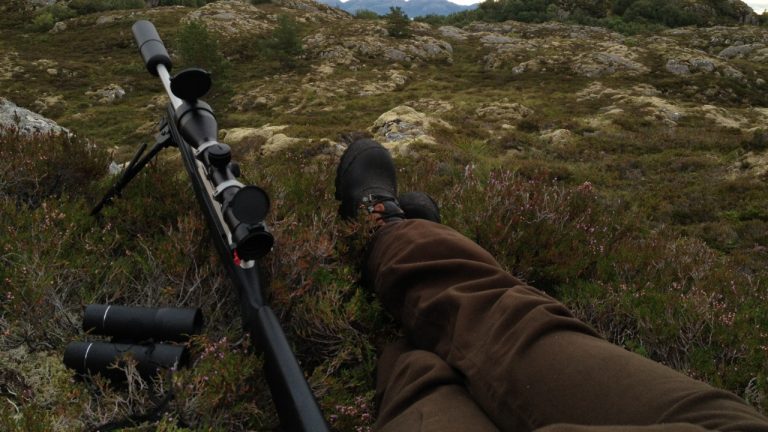
U.S. states with the highest deer populations
Across the United States, white-tailed deer have rebounded from historic lows to become one of the country’s most visible large mammals, shaping ecosystems, traffic patterns, and hunting seasons alike. The states with the largest herds now manage millions of animals, balancing habitat, public safety, and a thriving hunting culture. I look at where deer are most abundant, how those numbers are estimated, and why some regions have become whitetail powerhouses.
Nationally, estimates point to roughly 35 m deer roaming the country, with about 30 million of them classified as whitetail, a scale that underscores how central these animals are to American landscapes and outdoor economies. Within that national picture, a handful of states consistently emerge at the top of population rankings, from sprawling Southern ranch country to heavily forested Great Lakes and Midwestern terrain.
How experts count deer, and why estimates differ
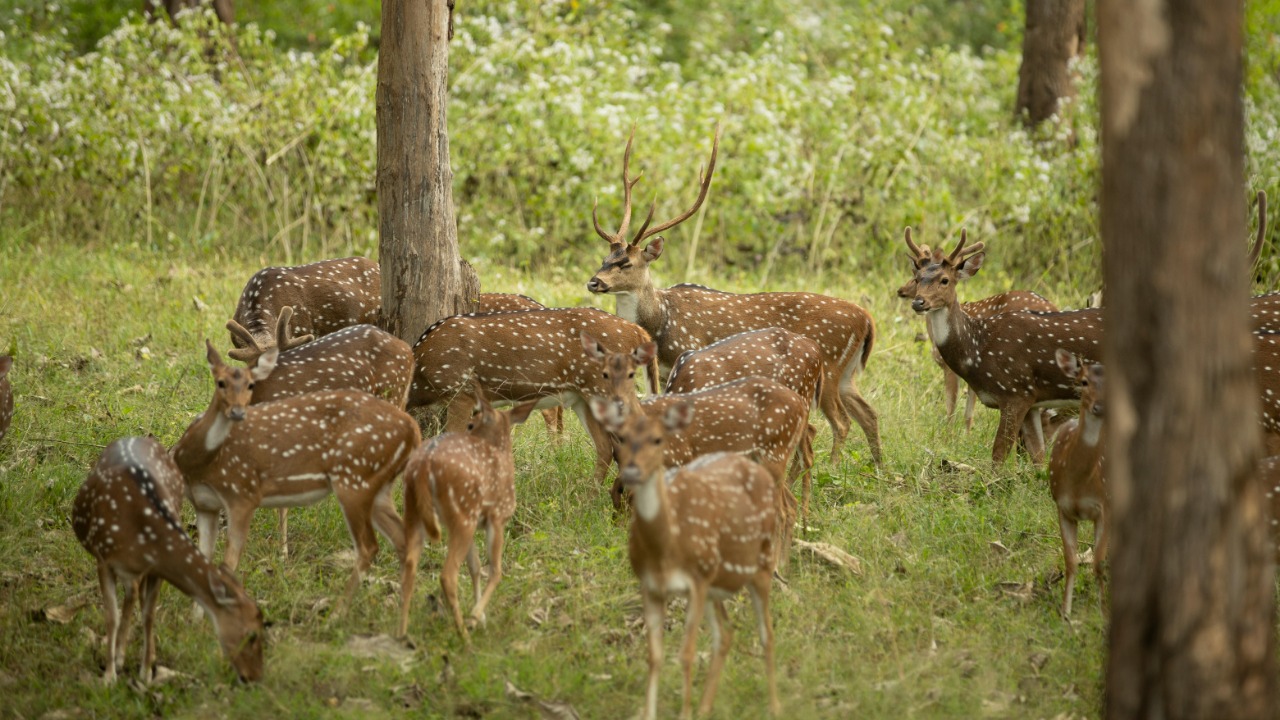
Before ranking states, it is important to understand that deer numbers are estimates, not precise head counts. Wildlife agencies rely on harvest data, aerial surveys, spotlight counts, and habitat models, then translate those inputs into statewide figures. One overview of white-tailed deer notes that its population table draws directly from each State’s Fish and Wildlife Department or Department of Natural Re sources, which helps explain why numbers can shift as agencies refine their methods and update surveys over time. Another breakdown of whitetail abundance stresses that these figures are inherently approximate and that populations are constantly changing as habitat, hunting pressure, and weather interact.
Those caveats show up clearly when comparing different compilations. A national ranking of Deer Population by State highlights where white tailed deer are especially numerous, while a separate analysis of which states have the largest populations of whitetail deer explicitly reminds readers that the totals are estimates and can vary depending on the source. I treat those datasets as complementary rather than competing, using them to identify consistent leaders instead of fixating on a single “correct” number.
Texas and the Southern strongholds
The South dominates many whitetail lists, thanks to long growing seasons, abundant edge habitat, and a deep hunting culture that funds management. Texas in particular looms large in any discussion of deer, both because of its sheer size and because of how much of its land is managed for wildlife. The state’s mix of brush country, oak woodlands, and agricultural edges gives deer ample food and cover, and its private ranch system has turned whitetails into a major economic driver. General profiles of Texas underscore just how much rural space is available for wildlife, while additional snapshots of the state’s geography and land use reinforce why it can support large herds across multiple regions.
One social media explainer on deer abundance notes that There are 35 m deer in the U.S., of which 30 million are whitetail, and identifies Texas as the leading state with the most whitetail, although that specific ranking is not independently confirmed in the broader data I have, so it remains Unverified based on available sources. What is clear is that Texas combines vast acreage with a culture that prizes deer hunting, a pattern echoed in other Southern states. Overviews of Texas land and additional context on Texas geography help explain why the state routinely appears near the top of whitetail discussions, even when exact rankings differ.
Great Lakes and Midwest: dense herds in farm-and-forest country
While the South offers sheer space, the Great Lakes and Midwest deliver some of the densest concentrations of deer, where agriculture and forest meet in a patchwork of ideal habitat. Wisconsin is a prime example, with a long tradition of deer hunting and a management system that tracks both harvest and license sales closely. A detailed look at whitetail country notes that Wisconsin leads the nation in Total Whitetail Tag Sales, and that its hunters recorded a five year average of 1,554,820 deer, a figure that illustrates how large and productive the herd has been. General information on Wisconsin highlights the state’s mix of northern forest and central farmland, terrain that consistently produces high deer densities.
Michigan and Pennsylvania round out this regional picture, each pairing big forests with extensive farmland and suburban edge habitat. A statewide overview of Michigan underscores its vast forest cover and Great Lakes shoreline, both of which frame strong deer habitat, while a similar profile of Pennsylvania points to its heavily wooded ridges and valleys. A national whitetail comparison lists states such as Texas, Michigan, Mississippi and Wisconsin among those with especially large whitetail populations, reinforcing how the Great Lakes and upper Midwest sit alongside the South at the top of the deer hierarchy.
Deep South powerhouses: Alabama, Mississippi and neighbors
In the Deep South, long growing seasons and abundant mast crops give deer a lengthy window to put on weight and reproduce, which helps explain why several states in this region show up prominently in population tables. A breakdown of Deer Population by State lists Alabama at 1.7 M deer, a figure that reflects both strong habitat and decades of regulated hunting. A general snapshot of Alabama underscores its mix of pine forests, hardwood bottoms, and agricultural land, all of which support whitetails across much of the state.
Mississippi is another standout, frequently cited in hunting circles for producing big-bodied deer and high harvests. A national deer overview lists Mississippi’s herd alongside other leaders, and a separate hunting-focused ranking places Mississippi among the best states for pursuing big whitetails. General information on Mississippi highlights its river bottoms and mixed forests, while another profile of the Mississippi landscape reinforces how much of the state offers prime deer habitat. Together with neighboring states such as Georgia and Arkansas, which also appear in population tables and hunting rankings, these Deep South states form a contiguous block of high deer abundance.
Hunting data: what harvest and tag sales reveal
Raw population estimates tell only part of the story, so I also look at harvest and license data to understand where deer are not just numerous but actively hunted. A historical analysis of Antlered Buck Harvest By State shows how states like Kentucky recorded 70,952 antlered bucks in 2018 and 70 in 2019, figures that illustrate both the productivity of local herds and the intensity of hunting pressure. That same dataset notes that several Midwestern and Southern states round out the top 4 in buck harvest, reinforcing the idea that these regions combine high deer numbers with strong participation from hunters.
Tag sales offer another window into this dynamic. The whitetail country overview that highlights Wisconsin’s Total Whitetail Tag Sales, and its five year average of 1,554,820 deer, shows how a large, engaged hunting community can coexist with a robust herd when seasons and limits are calibrated carefully. A separate look at which state has the most deer, compiled by Deer & Deer Hunting Magazine, emphasizes that some states now manage more than 5 million deer, a reminder of how far whitetails have come from their early twentieth century lows, even though that specific figure is not broken down by state in the sources I have. Together, these harvest and license metrics help validate the broader population rankings by showing where deer are consistently present in numbers large enough to support heavy annual harvests.
Regional contrasts: Northeast, Rockies and small states
Outside the traditional whitetail heartlands, deer populations vary widely, shaped by climate, topography, and urbanization. In the Northeast, states like New York and Pennsylvania combine large forest blocks with dense human populations, which can lead to localized overabundance near suburbs even when statewide numbers are moderate. Smaller states such as Rhode Island and Delaware appear lower in national rankings simply because of their limited land area, yet they still manage significant herds relative to their size, often concentrated in fragmented woodlots and coastal habitats.
In the West, mule deer and other species share the landscape with whitetails, and harsher winters plus rugged terrain keep overall densities lower than in the Midwest or South. A general overview of Colorado highlights its mountainous terrain and high elevation plateaus, which support a mixture of deer species but limit the kind of dense whitetail concentrations seen in farm country. A national deer population table notes that western states often report lower whitetail numbers, reflecting both habitat constraints and the presence of alternative big game like elk and pronghorn. Even so, these regions remain important for hunters who value open-country spot-and-stalk opportunities over the close-quarters woods hunting more common in the East.
What the rankings mean for drivers, hunters and landowners
High deer populations bring benefits and challenges that ripple far beyond the hunting community. For drivers, dense herds translate into more collisions, especially in states where forest and field meet busy road networks. States like Missouri, Georgia, and Arkansas, all of which appear in deer population and hunting rankings, must balance the economic value of deer with the costs of vehicle damage and human injuries. For farmers and foresters, abundant deer can mean heavy browsing on crops and young trees, prompting calls for targeted harvests or special seasons to keep numbers in check.
For hunters and landowners, the states with the largest herds offer both opportunity and responsibility. A national deer population ranking highlights where white tailed deer are especially abundant, while a separate analysis of the best states to hunt deer points to places like Mississippi, Missouri, Wisconsin and Pennsylvania as destinations for big whitetails. A detailed breakdown of Deer Population by State lists figures such as 900,000 deer in Arkansas and 333,000 to 346,000 in Alaska, alongside 130,000 to 160,000 in Arizona, illustrating how varied herd sizes are across the map. A short video on which state has the highest deer population, along with a separate social media post that notes There are 35 m deer nationwide, underscores how much public interest these rankings generate. For anyone living, driving, or hunting in these states, understanding where deer are most numerous is the first step toward navigating that reality safely and sustainably.

Leo’s been tracking game and tuning gear since he could stand upright. He’s sharp, driven, and knows how to keep things running when conditions turn.