
Calibers that underperform in real-world hunts
On paper, a cartridge can look perfect. Velocity numbers impress, energy charts line up, and someone online swears it drops animals fast. Then you carry it into the woods, add wind, bad angles, heavy bone, and imperfect shot windows, and the story changes. Real-world hunts expose weaknesses that range days never will. Some calibers lose steam too fast. Others depend on ideal conditions that rarely show up when a buck finally steps out. None of these rounds are useless, but they often fall short of their reputations once real animals and real terrain enter the picture. If you’ve hunted long enough, you’ve probably seen at least a few of these disappoint firsthand.
.223 Remington
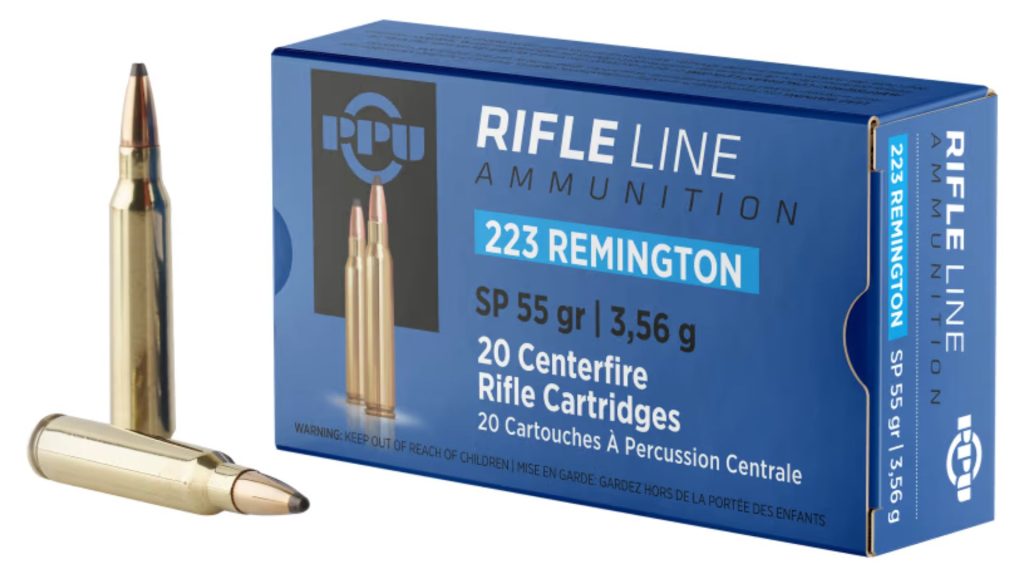
The .223 Remington gets defended hard, mostly by shooters who value precision over margin. Yes, it can kill deer with perfect placement. That’s the problem. In the field, shots rarely line up like they do on steel.
Light bullets shed energy quickly, especially past 100 yards. Quartering shots, shoulder hits, or heavy muscle can lead to poor penetration. Blood trails tend to be thin, and animals often run farther than expected. When everything goes right, it works. When it doesn’t, recovery becomes uncertain. Ethical hunting depends on forgiveness, and the .223 offers very little once conditions drift away from ideal.
.22-250 Remington
The .22-250 looks fast and flat, which tricks a lot of hunters into thinking it carries authority. Velocity is impressive, but bullet weight and construction limit real-world performance on big-bodied deer.
High-speed impacts often lead to shallow penetration, especially with common varmint-style bullets still floating around camp. Wind drift and energy loss become real concerns as distance increases. You may hit exactly where you aim and still fail to get an exit or solid blood trail. The cartridge shines on coyotes, but on deer, it asks too much from bullet placement and too little from terminal performance.
.243 Winchester
The .243 Winchester has probably accounted for more deer than critics admit, but that doesn’t mean it performs well under pressure. Light bullets lose momentum quickly, and penetration can be inconsistent on angled shots.
When deer are calm and broadside, results are clean. Add movement, brush, or a raking angle, and the limitations show up fast. Wind also plays a larger role than many expect. You end up passing shots you’d take confidently with heavier calibers. It works, but it demands restraint and discipline that real-world hunts don’t always allow.
6mm Creedmoor
The 6mm Creedmoor arrived with plenty of praise, mostly carried over from target shooting. In the field, it often struggles to match that reputation on larger deer.
Bullet selection becomes critical, and even then, penetration can be lacking when bone gets involved. Energy drops sooner than expected, especially compared to larger 6.5 options. Shot placement has to be deliberate, and tracking jobs can be longer than anticipated. It’s accurate and pleasant to shoot, but hunting performance rarely matches the confidence it inspires on the range.
.224 Valkyrie
The .224 Valkyrie was marketed as a crossover round, but hunting exposed its weak side quickly. Velocity and energy look decent early, then fall off sharply.
In real hunts, wind drift and limited bullet mass show up fast. Penetration suffers on anything but ideal angles, and recovery distances can be unpredictable. You spend more time worrying about bullet behavior than focusing on the shot itself. It’s an interesting concept that never translated cleanly to consistent field results on deer-sized game.
.350 Legend
The .350 Legend fills a legal niche, not a performance one. Within short distances, it does its job. Step outside that narrow window and shortcomings appear.
Trajectory drops fast, wind pushes the bullet more than expected, and energy fades quickly. Shots beyond 150 yards feel uncomfortable, even with good optics. Blood trails can be sparse depending on bullet choice. It’s workable in straight-wall states, but hunters often discover its limits earlier than they planned.
.224 Lancer
The .224 Lancer promised better performance from an AR platform, but real animals exposed the limits of small-caliber bullets moving at moderate speeds.
Penetration remains marginal, especially on shoulder shots. Wind drift and velocity loss become noticeable faster than expected. Even well-hit deer may travel farther than anticipated. The cartridge rewards precision but offers little margin when things go sideways. In real hunting conditions, that lack of forgiveness becomes a liability.
.25-20 Winchester
The .25-20 Winchester has history behind it, but history doesn’t replace performance. Low velocity and light bullets restrict it to very close shots.
Modern deer are larger, and expectations are higher. Penetration is limited, and shot angles must be perfect. Even at short range, results can be underwhelming compared to modern alternatives. Nostalgia keeps it alive, but real-world hunting demands more consistency and power than this cartridge can provide.
.30 Carbine
The .30 Carbine often gets pressed into deer duty despite being designed for something else entirely. Energy drops quickly, and bullet construction limits penetration.
Within bow-range distances, it can work. Stretch it any farther and confidence fades fast. Blood trails are often poor, and tracking becomes difficult. The cartridge lacks the authority needed for consistent results when conditions aren’t perfect. It’s convenient and light, but convenience doesn’t make up for weak terminal performance.
.224 Predator Rounds in General
Many modern .224 hunting rounds promise versatility, but small bullets remain small bullets. Speed helps, until it doesn’t.
Wind, bone, and less-than-ideal angles expose the same issues across the board. Penetration suffers, and exit wounds are far from guaranteed. You end up relying on ideal conditions more than skill. Real hunts rarely offer perfect scenarios, and these calibers struggle when asked to deliver results outside narrow limits.
5.45×39
The 5.45×39 has accuracy going for it, but hunting exposes its weaknesses quickly. Bullet construction options remain limited, especially for ethical game use.
Energy drops fast, and penetration varies widely depending on load. Recovery jobs can be long and frustrating. While it can place shots precisely, terminal performance often fails to inspire confidence. Real animals reveal the difference between hitting and killing cleanly.
.240 Weatherby Magnum
The .240 Weatherby Magnum looks impressive on paper, but real-world hunts highlight its dependence on perfect execution. High velocity masks light bullet limitations only briefly.
Wind drift, shallow penetration, and rapid energy loss show up sooner than expected. Shot angles become restrictive, and tracking distances increase. It’s fast and accurate, but speed alone doesn’t guarantee reliable kills. In the field, hunters often realize it offers less forgiveness than its numbers suggest.

Asher was raised in the woods and on the water, and it shows. He’s logged more hours behind a rifle and under a heavy pack than most men twice his age.


