10 Dog breeds that demand more patience than most owners expect
Plenty of people in The Bay State fall for a good-looking dog without realizing how much patience that breed really needs. Active dogs dominate local popularity lists, but the same traits that make them fun can turn daily life into a grind. Here are ten breeds that show up in Massachusetts rankings yet routinely surprise owners with how demanding they are.
1. Afghan Hound
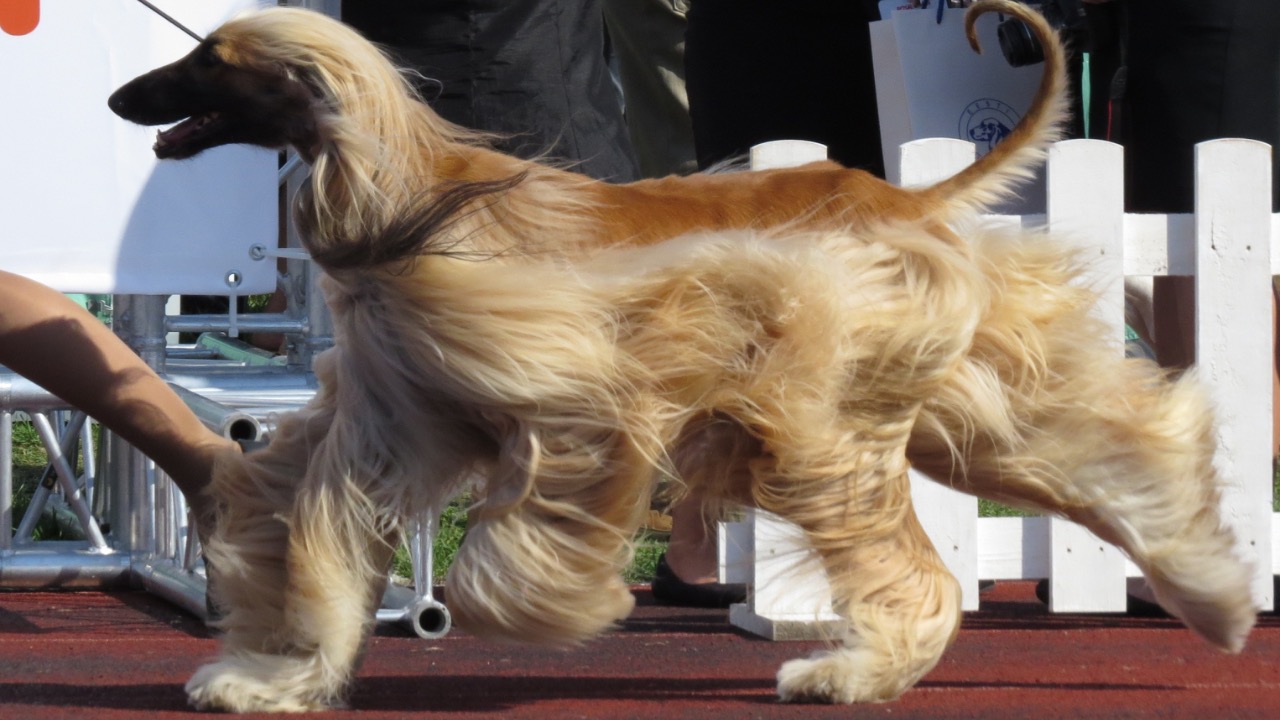
The Afghan Hound shows up among the 10 most popular dogs in Massachusetts on recent breed lists, which is wild when you consider how tricky they are to train. Bred as a sighthound, they share roots with The Saluki, sometimes called the Persian Greyhound, and that heritage means they chase movement first and listen second.
That independent streak frustrates people who expect Labrador-style obedience. You are working with a dog that was built to make decisions at a dead run, not heel through a crowded sidewalk. Without calm, consistent handling and a lot of recall work, an Afghan Hound can turn every off leash moment into a high speed disappearing act.
2. Siberian Husky
The Siberian Husky fits right in with the active breeds that, according to one overview of The Bay State, dominate Massachusetts favorites. That popularity hides how relentless their energy really is. These dogs were built to pull loads for hours in brutal conditions, so a quick loop around the block barely counts as a warmup.
When that energy has nowhere to go, Huskies start remodeling apartments, shredding drywall, and howling through thin walls. I tell people to think in terms of structured work, not casual play: skijoring, bikejoring, or long trail runs. If you are not ready to live with a canine endurance athlete, this breed will test your patience fast.
3. Dalmatian
The Dalmatian shows up alongside other eye catching breeds in modern popularity rundowns, yet many families underestimate how much social work they need. Historically used as carriage dogs, they were bred to trot for miles while staying alert to strangers and horses, which means they come preloaded with energy and suspicion.
Without steady exposure to people, dogs, and noisy environments, that alertness can slide into reactivity. I have seen Dalmatians that were sweet at home but overwhelmed in kids’ sports crowds or busy campgrounds. Early, positive socialization and clear rules are non negotiable if you want the spots without the stress.
4. Border Collie
The Border Collie is the poster child for the “too smart for their own good” problem. Lists that highlight active favorites in Massachusetts line up with national predictions that highly intelligent working dogs, like the German Shepherds, will keep climbing, and Border Collies ride that same wave of brainpower.
What people miss is that intelligence without a job becomes mischief. A bored Border Collie will herd kids, chase bikes, and invent elaborate escape plans. They need puzzle work, obedience drills, and real tasks, not just fetch in the yard. If you cannot commit to daily mental workouts, this breed will outthink you and then act out.
5. Jack Russell Terrier
The Jack Russell Terrier may be small, but it is wired like a stick of dynamite. Terrier fans in Massachusetts keep them on popularity charts because they are tough, portable hunting partners, yet that same drive makes them exhausting in a typical suburban home.
Originally bred to bolt foxes, Jack Russells come with a hair trigger prey drive and a bottomless need to move. Without firm boundaries and a lot of structured play, they turn to nuisance barking, digging, and chasing anything that runs. They reward patient, consistent owners, but they punish anyone looking for a laid back lapdog.
6. Chihuahua
The Chihuahua ranks high in urban registrations, including in the City of Boston, where it appears alongside Labrador Retriever, Golden Retriever, German Shepherd, and Beagle on local license data. That popularity tempts people to treat them like accessories instead of real dogs.
When you carry a Chihuahua everywhere and never set rules, you end up with a tiny tyrant that snaps at visitors and guards the couch. Their small size hides big dog confidence, so they need the same early training and structure you would give a larger breed. The patience test here is mental, not physical.
7. Akita
The Akita attracts Massachusetts owners who want a powerful guardian, and it appears in modern popularity rundowns that track strong working breeds. What many first timers do not grasp is how independent this dog really is. An Akita will calmly weigh your command against its own opinion before deciding what to do.
That mindset demands a handler who is steady, fair, and absolutely consistent. Harsh corrections backfire, but so does letting things slide. If you are not comfortable setting firm boundaries from day one, an Akita can become pushy with visitors and other dogs, which is a serious management problem at their size.
8. Shiba Inu
The Shiba Inu, another compact but strong willed breed, has ridden a wave of internet fame into real world popularity. Behind the cute photos is a dog that behaves more like a small, self directed hunter than a cuddly companion, and that catches new owners off guard.
Shibas are notorious for selective hearing and for the “Shiba scream” when they disagree with you. They are clean and catlike, which appeals to busy city dwellers, but they still need patient, reward based training and careful leash work. If you expect instant compliance, this breed will make you feel like a rookie.
9. Beagle
The Beagle shows up in Boston registration rankings and in national studies where Chihuahuas, Golden, and German breeds cluster near the top of popularity by state. That friendly face hides a nose driven hound that often cares more about scent than about you.
Once a Beagle catches an odor, recall commands fade into background noise. Training sessions stretch out because you are competing with every smell in the neighborhood. Owners who stay patient, use food rewards, and work on long line control can harness that nose, but anyone expecting instant off leash reliability is in for a long haul.
10. Bloodhound
The Bloodhound rounds out this list as another scent specialist that tests human patience. While not as common as trendy small dogs, it appears in broader discussions of working and tracking breeds that appeal to serious outdoorsy owners, the same crowd that might also research high end pets like the breeds listed among the most expensive cats.
Bloodhounds are legendary for following a trail, but that focus comes with stubbornness and a powerful prey drive. They drool, they bay, and they pull hard when a scent hits. Training one is less about strict obedience and more about channeling that nose into controlled tracking games, which takes time, space, and a lot of patience.
Supporting sources: Afghan Hound dog.

Asher was raised in the woods and on the water, and it shows. He’s logged more hours behind a rifle and under a heavy pack than most men twice his age.