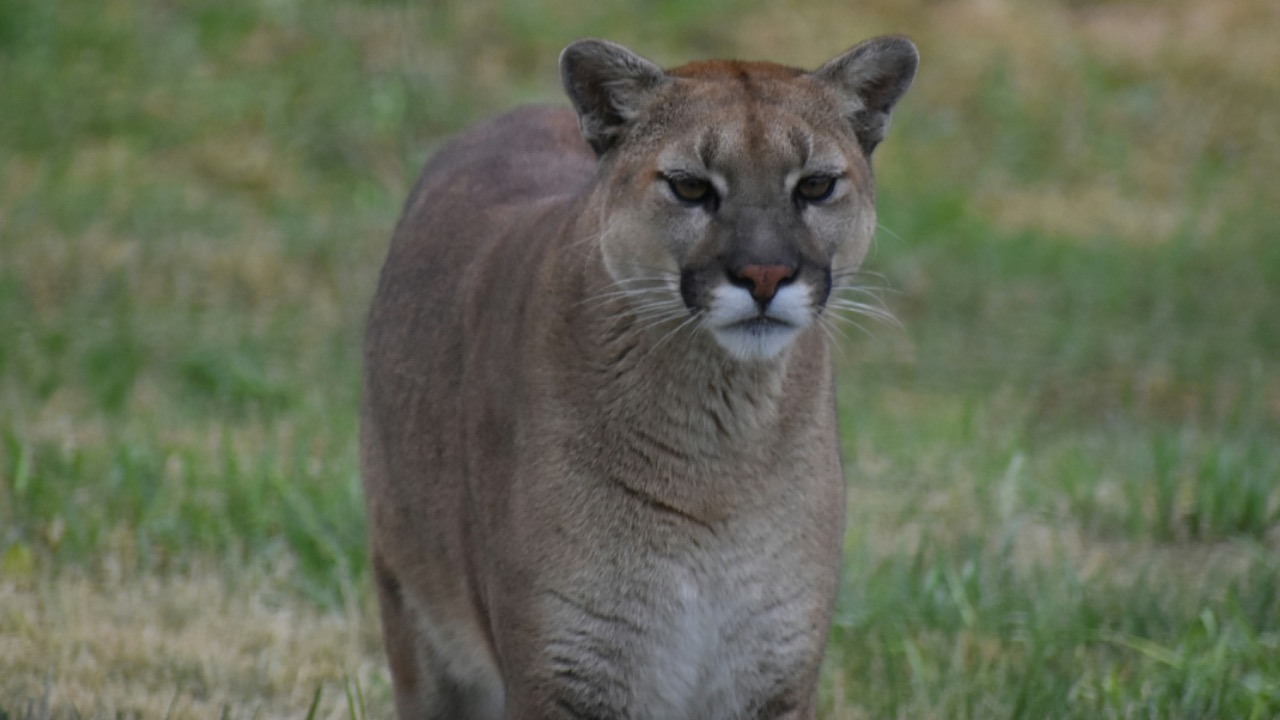
How to Stay Safe in Mountain Lion Country
Mountain lion country covers a lot of the best hunting, hiking, and fishing ground in North America, and more people are sharing that space every year. Staying safe out there is less about fear and more about understanding how these cats live, how they see you, and what actually triggers trouble. I am going to walk through what I have learned in the field and from wildlife pros so you can move confidently through lion habitat without doing something that puts you, your family, or the cats at risk.
Know the Cat You Are Sharing Country With

Before you worry about how to react, it helps to know what a mountain lion really is and how it behaves. These cats are quiet, solitary and elusive predators that prefer to stay out of sight and avoid people whenever they can, which is why remote cameras are Often the only way biologists pick them up in places like Utah’s Capitol Reef and other big canyon systems. Most mountain lions will try to slip away long before you ever know they were there, and attacks on humans remain rare compared with the amount of time hikers, runners, and hunters spend in their territory.
They are built to stalk and pounce, not to brawl face to face, which shapes how encounters unfold. Even though they are big, they are also very quiet and will generally stalk and pounce from cover, using terrain and low light to their advantage, which is why people sometimes only see them when they are already close or moving away. Understanding that they key in on deer and other prey that move like prey, and that they are most active when those animals are moving, gives you a baseline for when you are more likely to cross paths and how to avoid looking like something they should chase.
Where Mountain Lions Live And When They Move
Mountain lion habitat is not limited to remote wilderness anymore, and that surprises a lot of people. These cats follow deer and other prey into foothills, river corridors, and even the edges of suburbs, which is why agencies talk about Mountain Lion Safety in places that look more like backyard greenbelts than backcountry. In parks and canyons from Utah to coastal ranges, cameras and tracks show that lions use steep slopes, thick brush, and rocky outcrops as daytime bedding cover, then move along ridges and drainages once the light drops.
On the trail, that means you should expect them in broken country with good ambush cover, especially where deer sign is fresh. Basic field observations and tracking work show that Mountain lions tend to spend the day in dense cover and to hunt when deer are active, which is usually at dawn, dusk, and at night, so your risk goes up if you like to jog or bike in those low light windows. When you add in narrow canyons, blind corners, and overgrown switchbacks, you are walking through exactly the kind of terrain a cat uses to get close to prey, which is why smart hikers adjust their timing and pace in those spots.
How Rare Are Attacks, Really?
Any time a lion attack makes the news it sounds terrifying, but the numbers tell a calmer story. Mountain lions are quiet, solitary and elusive, and typically avoid people, and that behavior shows up in the low rate of incidents compared with the millions of human hours spent in lion country every year. Mountain lion attacks on humans are rare, and when they do happen there is usually a mix of factors in play, like a cat that is young and inexperienced, an animal that is starving, or people moving fast and quietly in prime hunting hours.
Wildlife agencies point out that Mountain lions almost always seek to avoid being detected and, if detected, avoid conflict with a human, which is very different from how bears sometimes stand their ground. Unlike bears, which will sometimes bluff charge or hang around a food source they want, mountain lions will almost always flee once they realize you are a full sized adult who sees them and is not acting like prey. That does not mean you can be careless, but it does mean that basic awareness and a few smart habits dramatically cut the odds of anything serious happening.
Smart Planning Before You Hit The Trail
Good lion safety starts long before you see tracks in the dust. I plan my routes and timing so I am not moving quietly through thick cover at dawn or dusk in heavy deer country, especially if I have kids along. Campus and community advisories that focus on Stay Safe in mountain lion country hammer the same basics: do not hike, bike or jog alone, Stay alert on trails, and Avoid hiking or jogging when mountain lions are most active, which lines up with what field biologists see in collar data and trail camera patterns.
There are a few other planning moves that stack the odds in your favor. When it comes to personal safety, wildlife staff lay out clear steps like hiking in groups, keeping children close, and leaving headphones in the truck so you can actually hear what is going on around you. Here are 10 things you can do to stay safe in mountain lion habitat, and they all boil down to thinking ahead about where you are going, who you are with, and how visible and noisy you are going to be in country that belongs to a top predator.
How To Move Through Lion Country Like You Belong There
Once you are on the ground, the way you move and act matters as much as where you are. I like to travel at a pace where I can scan ahead, check side cover, and read sign instead of staring at my boots or a phone screen. Guidance built around Mountain Lion Safety makes the same point, noting that most mountain lions will try to avoid a confrontation if they have time and space, which you give them by staying alert, talking with your partners, and avoiding those quiet, hunched, fast movements that look like prey behavior.
It is also worth thinking about how you appear to a cat that is sizing you up from the shadows. Even though they are big, they are also very quiet and will generally stalk and pounce, so you want to look like something that is hard to surprise and not worth the risk. That means keeping your head up, pausing to glass or listen in tight cover, and giving extra attention to spots where a lion could be bedded, like rock ledges, game trails cutting across your path, or thick brush near water, instead of blowing through those areas with your earbuds in and your mind somewhere else.
What To Do If You Actually See A Mountain Lion
Seeing a lion in the wild is rare, and how you handle those few seconds matters. The first rule is to stop and assess instead of bolting, because running can flip the switch in a predator that is wired to chase. Field advice on encounters is consistent: put your hands in the air, make yourself look big, and speak firmly while you keep your eyes on the cat, which lines up with the practical tips on how to react when Even a quiet, stalking lion suddenly appears in front of you on the trail.
If the cat does not leave right away, you keep building on that same posture. Put your hands in the air, wave a jacket or trekking poles, and slowly back away while you keep facing the animal, but do not antagonize it in any way that looks like you are trying to corner or attack it. Detailed encounter guidance explains that you should never crouch, never turn your back, and never give the cat an easy opening by bending down to pick up a rock without keeping your eyes on it, because that low, hunched shape is exactly what their prey looks like in the last seconds before a pounce.
When A Lion Acts Aggressive Or Attacks
Most encounters end with the cat slipping off, but you need a plan for the rare times one stands its ground or comes in. If a lion behaves aggressively, the advice from wildlife officers is blunt: do not run, do everything you can to appear larger, and be prepared to fight back if it attacks. Safety briefings that walk through worst case scenarios stress that people have successfully driven off attacking lions by staying on their feet, yelling, and using rocks, sticks, or bare hands to target the animal’s face and eyes, which is exactly what one father did when he jumped on a lion that was attacking his son.
Video briefings that cover safety advice if you encounter a mountain lion echo the same message in plain language, pointing out that as our population continues to sort of push into lion habitat, people run into these cats more often, and they need to know that standing tall and fighting back is the right move when a cat commits. In the very rare event that a lion makes contact, you protect your head and neck, stay upright if you can, and keep swinging and shouting until it breaks off, because these animals are not used to prey that hits back hard and loud.
Keeping Kids, Pets, And Livestock Safe
Most of the preventable trouble I see around lions involves smaller, more vulnerable targets, not adults who are paying attention. Children, dogs, and backyard livestock move and sound more like prey, and they are often left to wander at the edge of camp or property where cover is thick. Practical guidance that focuses on how to Stay Safe in mountain lion country tells people to keep kids close on the trail, avoid letting them run ahead around blind corners, and to keep dogs leashed so they do not go charging into brush and come sprinting back with a cat on their heels.
Out in rural country, the same logic applies to your stock and yard animals. Stay Safe style recommendations spell it out clearly: Help Mountain Lions by Keeping Your Pets and Livestock Safe, because Living away from the crowded cities means having your own animals can attract predators if you are careless. That means locking up goats and sheep at night, using secure pens and lighting, feeding pets indoors, and not leaving carcasses or feed out where they draw in deer and, eventually, lions that are simply following the food chain right to your fence line.
Sharing The Landscape Without Turning It Into A War Zone
In the end, staying safe around mountain lions is about respect, not fear. These cats are part of healthy wild country, and most of the time they are doing everything they can to stay invisible while they hunt deer and slip through the timber. Mountain Lion Safety guidance from parks and refuges notes that Often remote cameras are the only way to spot an elusive mountain lion in places like Utah and Capitol Reef, which tells you how rarely they want to be seen and how much they prefer to avoid people when we give them the chance.
That is why the best advice focuses on awareness and behavior instead of trying to remove every cat from the landscape. Here are 10 things you can do to stay safe in mountain lion habitat, and they all revolve around staying alert, traveling in groups, supervising kids and pets, and respecting posted warnings in areas with recent lion activity. When you combine those habits with the basic field sense that Mountain lions tend to spend the day in dense cover and to hunt when deer are active, and the reminder that Mountain lions are quiet, solitary and elusive and typically avoid people, you end up with a realistic, grounded way to roam lion country with confidence instead of paranoia.

Asher was raised in the woods and on the water, and it shows. He’s logged more hours behind a rifle and under a heavy pack than most men twice his age.