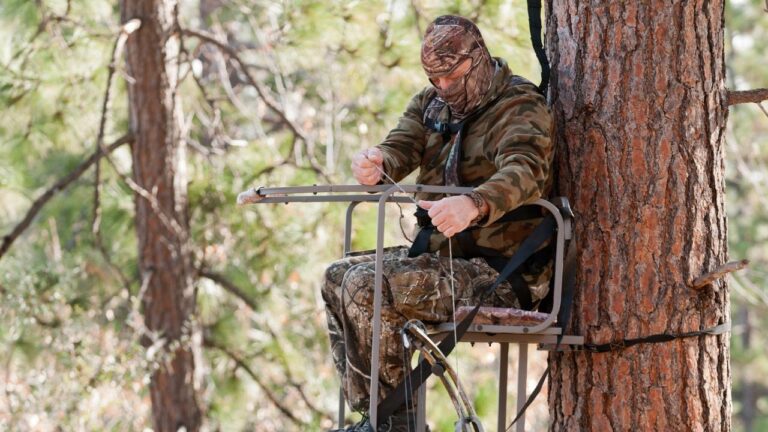
The Signs You’re Overhunting Your Favorite Spot
It’s easy to fall in love with a stand or honey hole that’s produced before. But deer figure things out fast. The more pressure you put on a spot, the more it works against you. If you’ve noticed things cooling off but can’t figure out why, odds are the deer already patterned you.
Overhunting a spot is one of the fastest ways to turn a hot stand cold. If you’re wondering whether it’s time to back off, here’s exactly what to look for.
Deer Are Showing Up After Dark
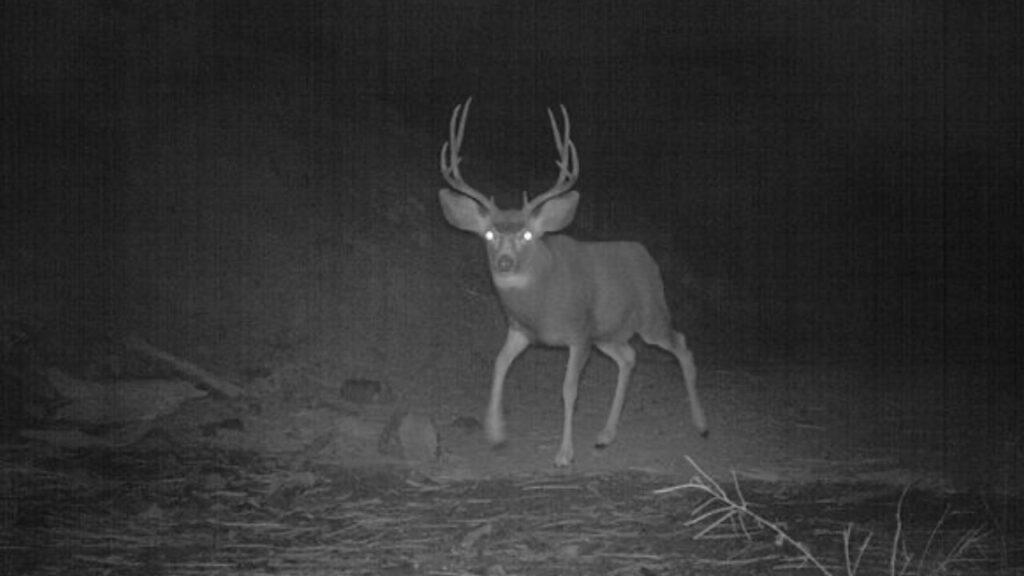
When trail cam pics shift from daylight to strictly after legal shooting light, that’s a big red flag. Deer are still using the area—they’re just waiting until you’re gone.
This usually happens when deer figure out your entry, exit, or wind patterns. They know pressure’s there, so they adjust. Keep ignoring it, and that spot will stay a nighttime-only parade.
You’re Seeing Fewer Deer Each Sit
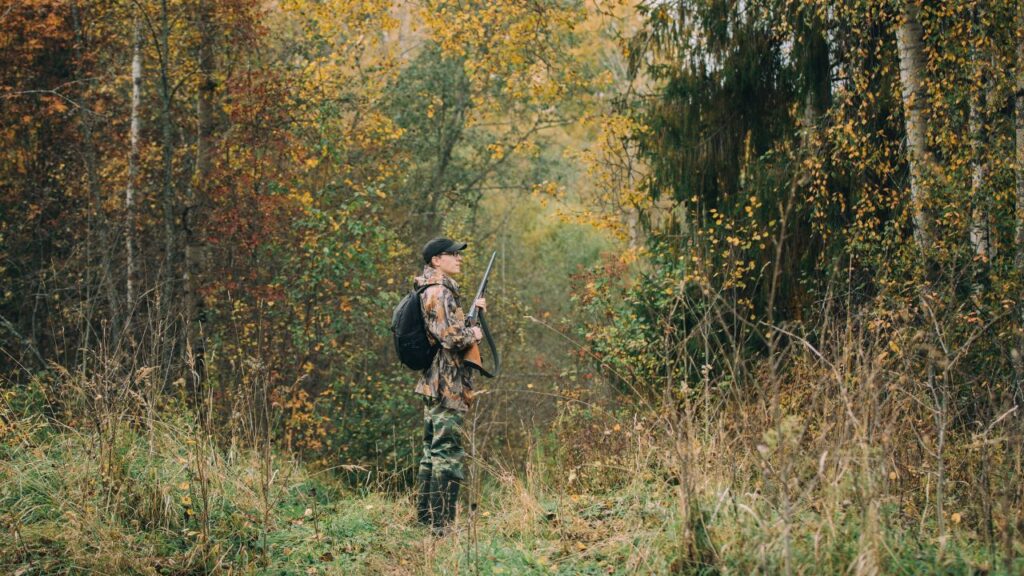
If you started the season seeing a pile of does and small bucks but now you’re watching empty woods, it’s not coincidence. The herd knows you’re there.
Deer don’t always blow out and relocate miles away. Sometimes, they shift movement patterns by 100 yards, change trails, or hang back in cover until dark. Either way, it’s a sign they’ve caught on.
You Keep Getting Busted Before You See Them
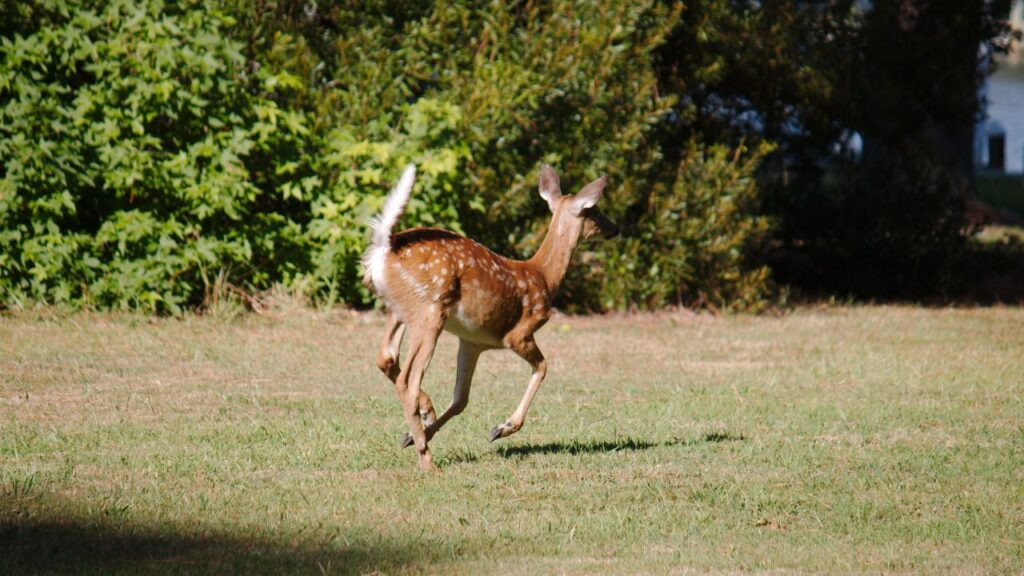
Foot stomps. Flagging tails. That gut-punch sound of deer blowing as they bolt. If that’s becoming a pattern in your favorite spot, the deer already know how to check for you.
Once deer start scent-checking downwind before entering an area, it means they’ve linked that spot with danger. You might not even be moving or making noise—they’re testing the air before they commit.
Fresh Sign Starts Drying Up

When rubs, scrapes, and tracks vanish from an area that used to be loaded, it’s a major sign you’ve overhunted it. Deer shifted to safer ground.
It doesn’t mean they left the entire property. They likely adjusted their core area or moved to places with less pressure. If the sign’s dried up, it’s because deer aren’t betting on that spot anymore.
You’re Starting to See More Nuisance Animals Than Deer
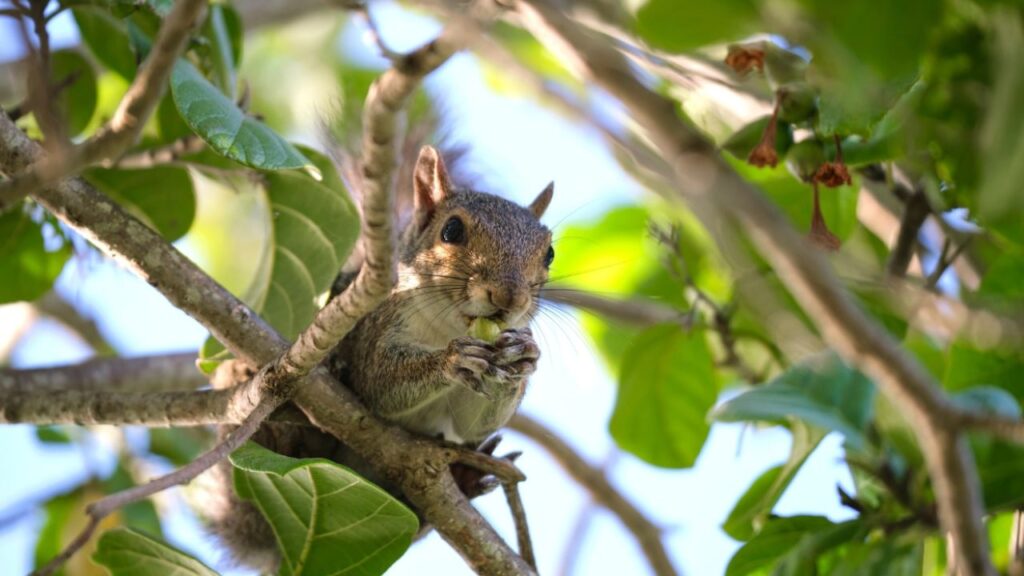
When raccoons, squirrels, and coyotes are the only things showing up regularly, but deer seem absent, that’s pressure at work. Deer bail first—the rest don’t care.
A dead-quiet woods with only small critters moving during prime time means the deer already shifted. They don’t move far, but they move smart.
Deer Are Circling Downwind More Often
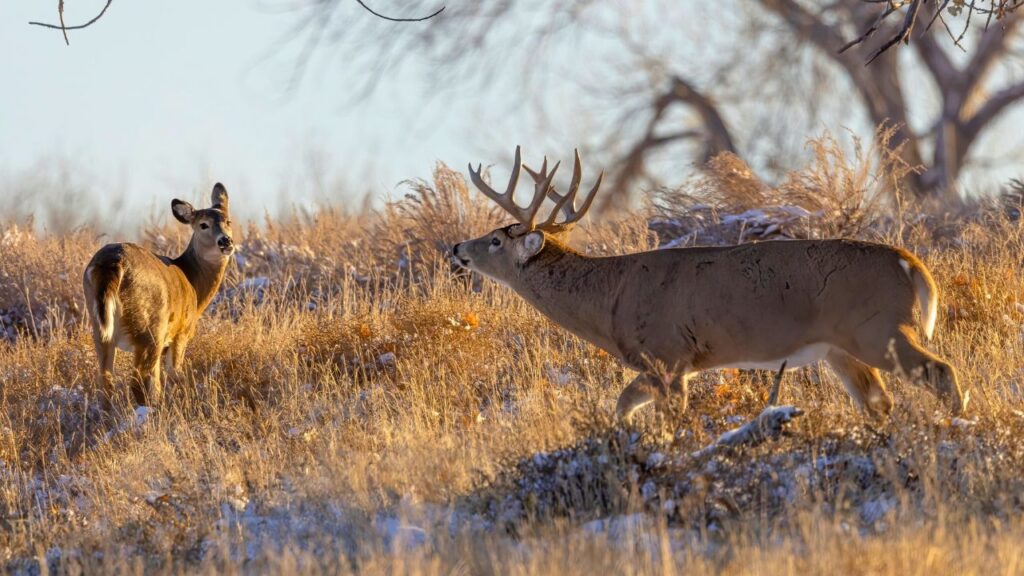
If you’re watching deer consistently swing around downwind before stepping into view, they’ve learned to check for danger. That doesn’t happen by accident.
This is a dead giveaway that your presence—either scent, sound, or both—has tipped them off enough times that they’ve adapted. They’re not dumb. They know how to survive.
You Notice More Silent Hunts
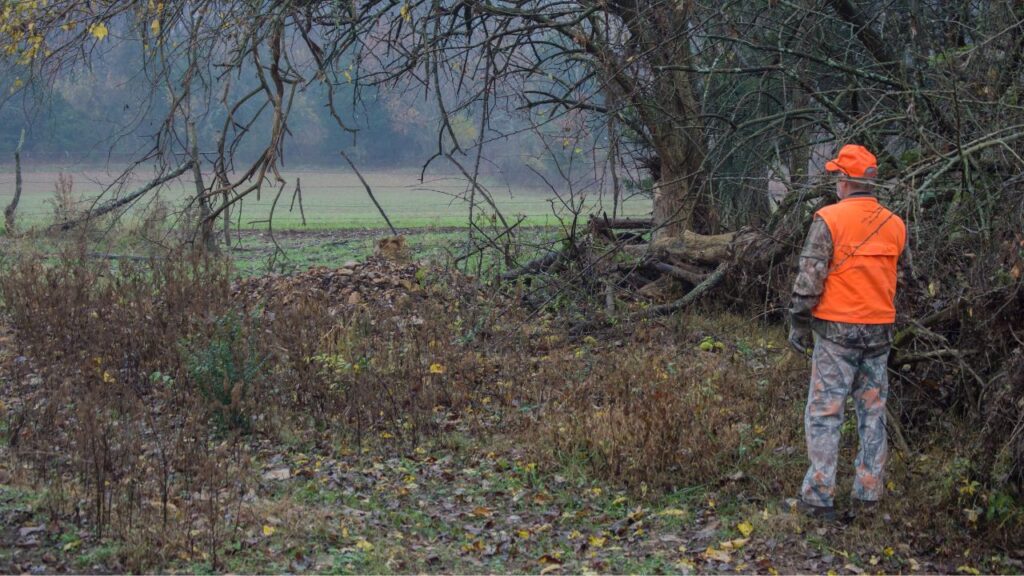
An empty woods with no blowing, no flagging, and no deer doesn’t always mean you did everything right. It often means the deer already shifted before you arrived.
When you walk out wondering, “Were there even deer in here today?”, that’s usually a sign the pressure finally caught up to the spot. You didn’t bump them—they were never coming near in daylight.
You Keep Spooking Deer on the Way In

If walking to your stand now means kicking deer out before you even settle in, that spot’s burned. They’re bedding closer to the edges or using alternate routes because they figured out where you enter.
It’s one of the worst feelings in the woods—knowing you blew the hunt before it started. And it’s usually because you’ve hunted the same access route too many times.
Your Trail Cams Catch Deer Looking at the Camera
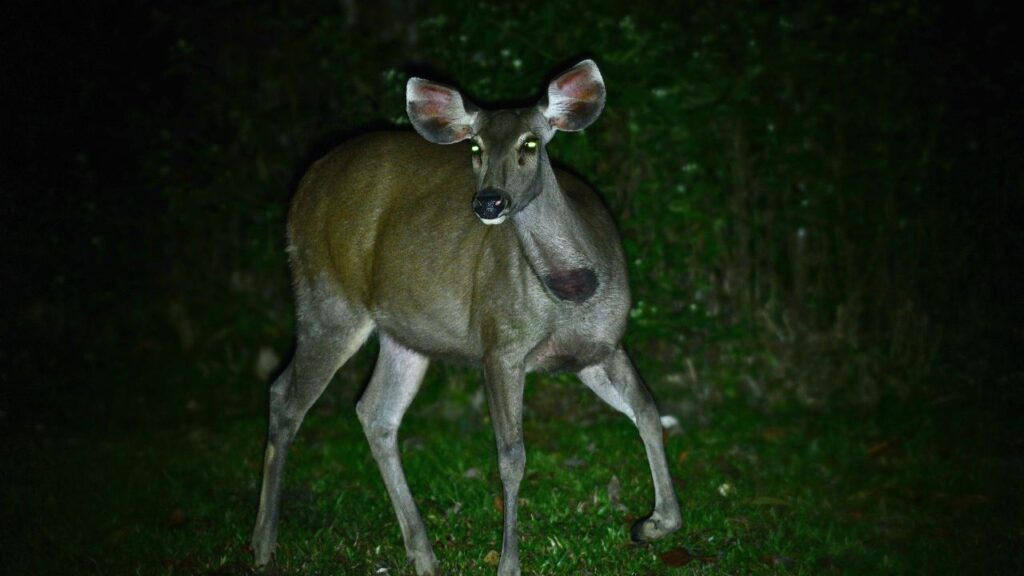
When every trail cam photo shows deer staring straight at the lens—or worse, walking around it—that’s a clue. They’re on high alert in that area.
Deer don’t start studying trail cams unless they’re already suspicious about a spot. Combine that with other signs, and it confirms the pressure is wearing them down.
You Haven’t Pulled the Trigger in Weeks
If that spot usually gives you a chance or two every week, and now it’s been dead for half the season, it’s time to face it—it’s burned out. The deer adapted. You didn’t.
Every hunter deals with this at some point. The key is recognizing it and adjusting. Rotate stands. Change properties. Let that spot cool off. Push it harder, and you’re teaching deer exactly how to beat you every season.

Asher was raised in the woods and on the water, and it shows. He’s logged more hours behind a rifle and under a heavy pack than most men twice his age.