Why Certain Game Species Are Showing Up in New Places
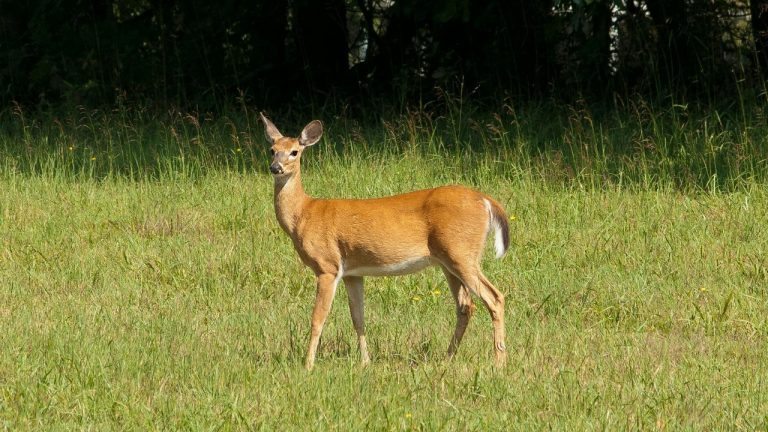
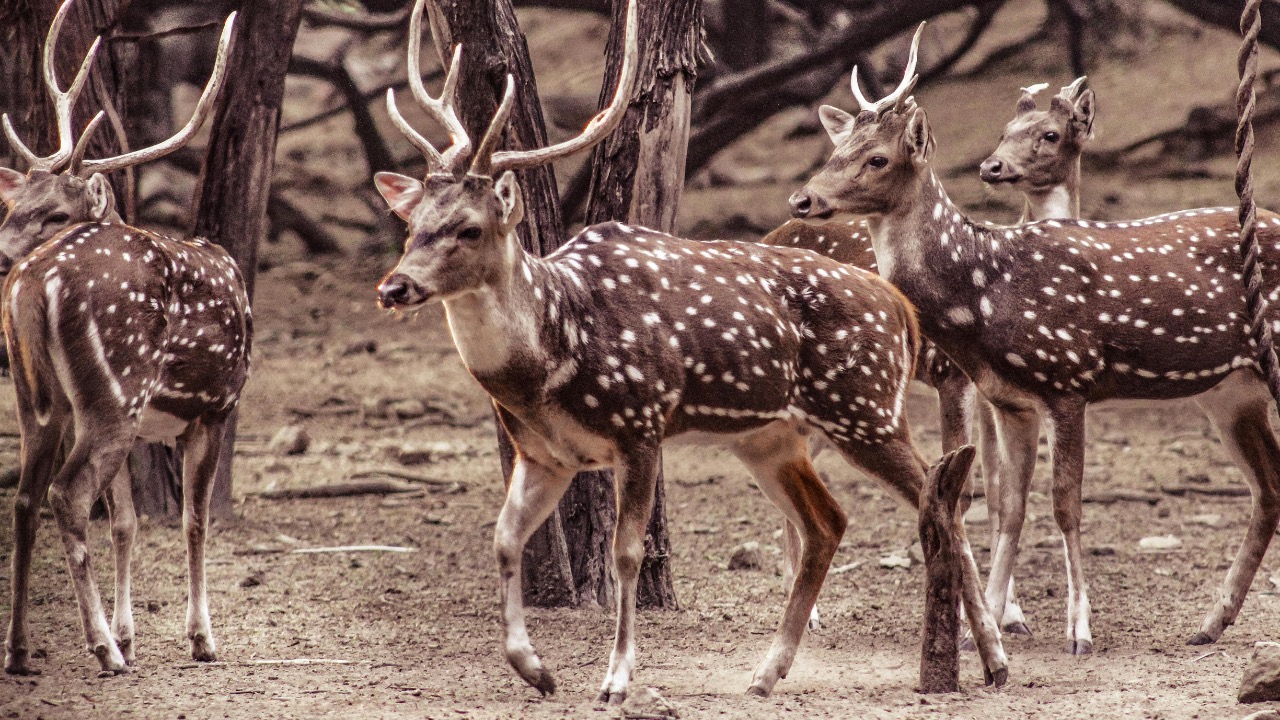
Across North America and well beyond, hunters and anglers are running into animals where they have never seen them before. Moose are pushing into new farm country, teal are buzzing marshes that used to be quiet, and saltwater species are creeping into bays that once held only coldwater fish. Those surprises are not random; they are the visible edge of big forces reshaping where game lives and how it moves.
To make sense of those changes, I look at three main drivers: a fast‑shifting climate, the way people carve up and move through habitat, and the intentional or accidental relocation of wildlife. Together they are rewriting the map for everything from ducks and deer to predators and invasive carp, and anyone who spends time outside needs to understand what is behind the new tracks in familiar ground.
Out-of-place game in the Anthropocene
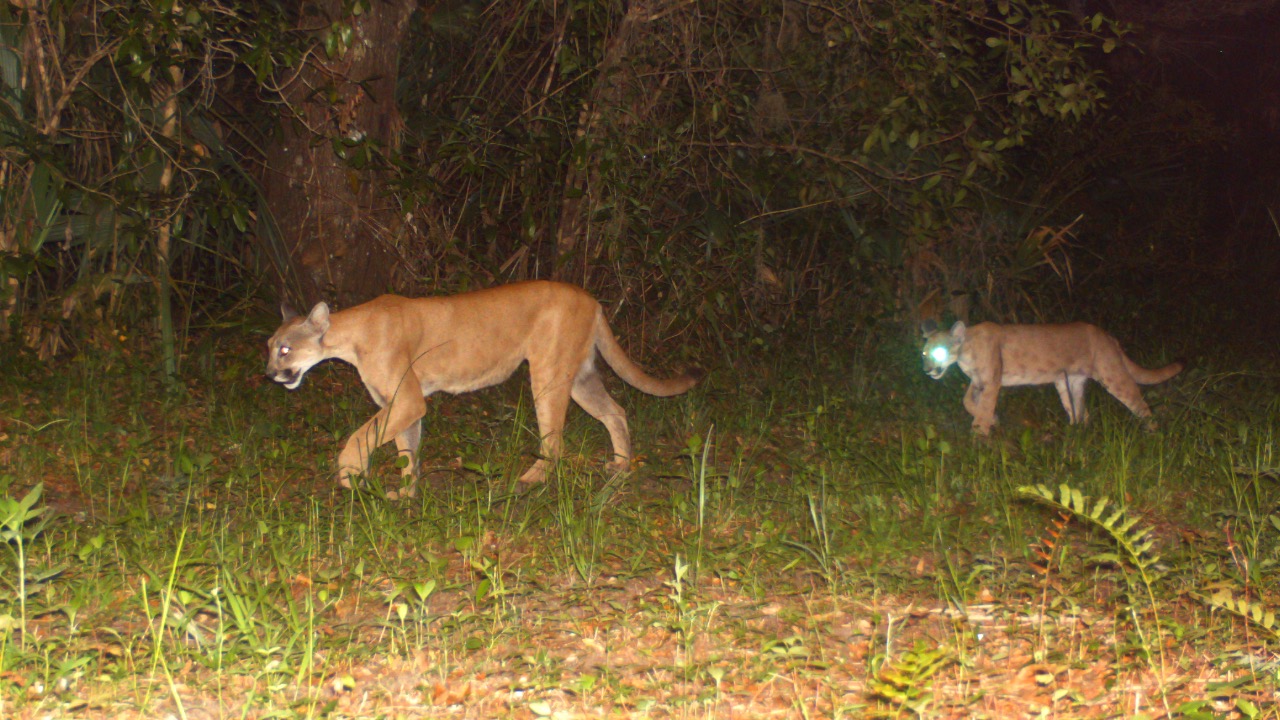
When you glass a ridgeline and spot a species that “does not belong” there, you are seeing the modern era of the Anthropocene in real time. Wide‑ranging animals that once followed ancient migration routes now run into highways, subdivisions, and fenced cropland, so they detour into new valleys and towns. Some birds that used to be rare vagrants are now showing up more often and in more places, not because they are lost, but because they are expanding their range into habitat that has been altered in their favor.
For hunters, that can mean seeing “bonus” species in the spread or on the trail cam, but it also signals stress on the landscape. When a common animal suddenly appears far outside its historic core, it often reflects pressure somewhere else, whether from habitat loss, changing food availability, or shifting weather patterns that make old haunts less reliable. Those odd sightings are early warnings that the ground rules for where game lives are changing faster than many management plans were built to handle.
Climate and extreme weather are pushing animals around
The biggest engine behind new wildlife patterns is a warming climate and the wild swings in weather that come with it. Analysts like Rebecca Geldard point out that Climate change and extreme events are already disrupting traditional migration timing and routes for over half of all species that move seasonally. Heat waves, late blizzards, and droughts can wipe out forage or nesting success in a single season, forcing animals to shift their movements or risk a crash.
Researchers tracking the Climate Change Effect on Wildlife are seeing how How Shifting Habitats hits hardest on species with small or fragmented populations. When a herd or flock has nowhere cooler or wetter to go, a single bad year can turn into a long‑term decline, while more adaptable game animals slide into the newly opened niche.
Most species are literally on the move
Zoom out from a single marsh or timber block and the pattern gets even clearer. One major analysis found that Roughly half of the world’s 4,000 tracked species, including moose, are shifting their ranges, many of them marching north toward higher latitudes in search of cooler conditions. That helps explain why hunters are seeing boreal animals in farm country and why some southern species are creeping into Midwestern and Northeastern seasons.
Another study concluded that Most species are shifting their habitats due to Climate change, and that it is Not just about temperature. Shifts in rainfall, snowpack, and even wind patterns are rearranging where food grows and when water is available, which in turn pulls game animals into new basins, river bottoms, and coastlines that line up better with their seasonal needs.
Climate is scrambling timing and behavior too
It is not only where animals show up that is changing, but when. Warmer springs and milder falls are throwing off the cues that trigger migrations and breeding, so some herds and flocks are leaving winter range earlier or lingering longer on summer ground. Work on Climate Change and Its Impact on Migration and Breeding shows that climate shifts are reshaping wildlife behavior as animals race to keep up with or lose critical resources.
On the ground, that might look like ducks pushing through a flyway before the opener, elk rutting earlier or later than usual, or fish staging on spawning grounds weeks off the old norm. A Quick Take on how Climate reshapes habitats worldwide notes that many species are being forced into earlier migrations and brand‑new seasonal ranges. For anyone planning hunts or fisheries management, the old calendars are becoming less reliable every year.
Marine life and coastal game are shifting with the water
Saltwater hunters and anglers are seeing some of the sharpest changes as oceans warm. As surface temperatures climb, the distribution of many Marine Life species, including those we rely on for food, is sliding toward cooler water. That means fish and invertebrates that used to be locked into one stretch of coast are now showing up hundreds of miles away, dragging predators and the birds and mammals that feed on them along for the ride.
As climate change warms their historic habitats, coastal marshes and estuaries that once held a predictable mix of ducks, shorebirds, and fish are turning into something new. Reports on how Marine Life is responding show warm‑water species pushing into bays that used to be dominated by coldwater fish, while some traditional quarry species retreat to deeper or more northern waters. For coastal hunters, that can mean more opportunities with certain birds and fewer with others, all tied to water temperatures that are changing within a single career.
People are carving up habitat and forcing dispersal
Climate is only half the story. The way we build and farm is forcing animals into new country even when the weather stays the same. Research on Increasing human populations shows that expanding towns, deforestation, and intensive agriculture push many species into unfamiliar environments. On top of that, wildlife management actions such as reintroductions and translocations deliberately move animals into new areas, sometimes restoring historic ranges and sometimes creating brand‑new patterns.
In fast‑growing states like Idaho, agencies are blunt about how Population Increase and are squeezing wildlife. As subdivisions spread into winter range and river bottoms, the need for habitat protection spills into other areas, pushing deer, elk, and upland birds into fringe country where they were scarce a generation ago. In parts of Africa, the same pattern is even more severe, with reports noting that All these extra humans are using and moving into previously natural habitats and squeezing out the wildlife.
Invasive and introduced species complicate the picture
On top of native game shifting around, hunters are also dealing with newcomers that arrived with human help. According to guidance on How Invasive Species, Invasive species are primarily spread by human activities, often unintentionally, as people carry seeds, insects, and aquatic hitchhikers on boots, gear, and boat propellers. Once established, those invaders can outcompete native game for food and cover, changing what you see in the field.
There is also a long history of Species that were moved on purpose. An Intentional introduction, whether for sport, pest control, or aesthetics, has created populations of alien game and plants that behave like natives in some places and like invaders in others. Feral hogs, nonnative pheasants, and exotic fish all fall into this tangle, and once they are on the landscape, they add another layer to the “why is that here?” question every time you scout a new piece of ground.
Assisted migration and managed relocation
As climate pressure builds, wildlife managers are starting to move at‑risk species on purpose to keep them alive, a strategy that will eventually affect hunters too. Federal rules now allow some endangered animals to be relocated to areas outside their historic range to escape climate threats, and In the United States, officials have framed this as a last‑resort tool to counteract the threats posed by global climate change to vulnerable species. Coverage of these policies notes that In an effort to counteract those threats, agencies now have authority to move animals whose historic habitats have been ravaged.
Not everyone is comfortable with that power. Patrick Donnelly with the Center for Biological has warned that the rule could be abused to allow habitat destruction in the very places animals and plants need protection. At the same time, other researchers argue that Good Animals affected by global warming have options for relocation and that temperature alone does not always limit species ranges, which opens the door to carefully planned moves.
What this means for hunters, anglers, and managers
For those of us who live by seasons and migrations, all of this change has real consequences. When Climate change and extreme weather scramble migrations, and when habitat loss piles on, the result is that some traditional hotspots go quiet while new ones light up. Reports on how In the future scientists expect climate change to become the main driver of biodiversity loss underline that this is not a short‑term blip but a long haul problem that will make habitat loss especially hard to address.
At the same time, there are still windows of opportunity. Analyses of how Wildlife behavior is changing and how Climate is reshaping habitats show that some species can adapt if we give them room and smart management. Studies of Environments changing rapidly under human pressure, and of native thrushes expanding their ranges in South America, suggest that certain game species will find new strongholds if corridors and key resources are protected. For hunters and anglers, paying attention to those shifts, supporting habitat work, and staying flexible about where and how we pursue game will be the difference between being surprised by out‑of‑place animals and understanding why they are there.

Asher was raised in the woods and on the water, and it shows. He’s logged more hours behind a rifle and under a heavy pack than most men twice his age.