What Makes a Firearm Feel Trustworthy Over Time
Trust in a firearm is not built at the gun counter, it is earned slowly through performance, handling and care. Over time, owners learn which pistols and rifles cycle without drama, which ones point naturally under stress and which ones stay mechanically sound after years of storage or hard use. The result is a quiet but consequential judgment: this is the tool I will actually carry, train with and rely on when everything else goes wrong.
To understand what makes a firearm feel trustworthy over the long haul, I look at three intertwined threads: mechanical reliability, human factors like ergonomics and training, and the often overlooked discipline of maintenance and storage. Together, they explain why some guns become lifelong companions while others never quite escape the range-bag “maybe” pile.
Reliability as the non‑negotiable foundation
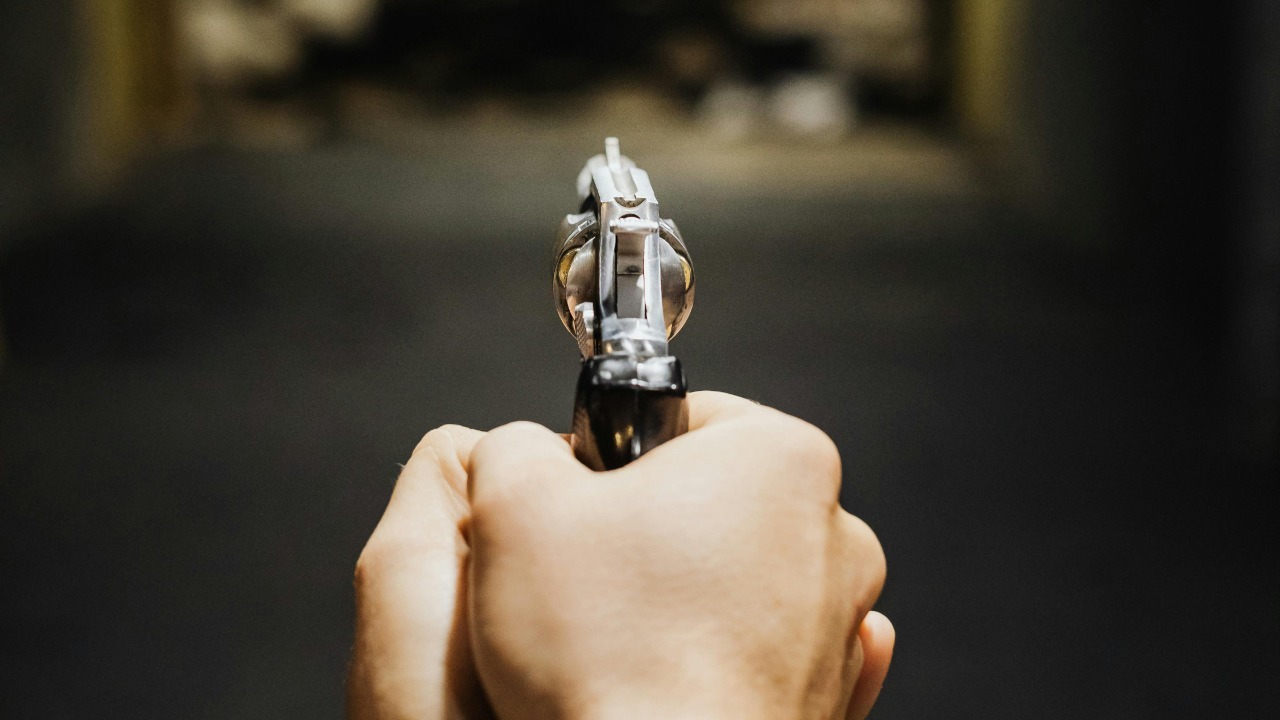
Any discussion of long term confidence starts with a blunt standard: a defensive gun must fire when the trigger is pressed and stay safe when it is not. Reporting on handgun performance in personal defense settings stresses that a reliable handgun should function every time, with its safeties and internal mechanisms designed so that dirt, sweat or daily carry do not interfere with its operation, a point framed as central to Personal protection. That standard is echoed in guidance that the firearm must be dependable and must work at all times, with proper care and maintenance expected to keep it performing as intended for many years, a view summed up in the phrase With the right upkeep.
Owners internalize this priority. In one community discussion about choosing a new gun, participants boiled their criteria down to a short list that put Reliability, caliber and price at the top, with one poster noting that limited income did not change the need for a gun that simply works. Another Quora contributor framed the same idea more analytically, arguing that when people ask What makes a gun reliable, the answer is often Simplicity, with fewer moving parts and straightforward designs less prone to failure in real use.
Design, simplicity and the role of engineering
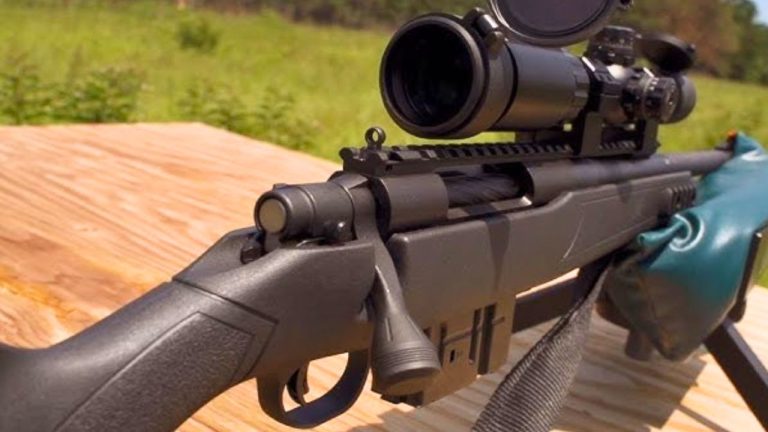
Trust also grows out of how a firearm is engineered to handle abuse, dirt and weather. Precision rifle makers highlight that their actions are built for Reliability Under All, noting that field use often happens in rain, snow or extreme temperatures and that components must be designed to function flawlessly in all environments. Tactical manufacturers make a similar promise, describing the ideal choice as one that delivers not just a tool but a trusted companion for years, capable of withstanding thousands of rounds and harsh conditions, a standard baked into their pitch for durable firearms.
On the handgun side, market competition has pushed manufacturers toward similar priorities. One overview of current pistols notes that Not all guns are created equal and that Competition in the market has encouraged brands to refine feed ramps, extractors and magazines so their models earn reputations for running cleanly. When I look at which pistols end up on shortlists of “most reliable,” I see the same pattern that Tim Gordon, identified as an Author, describes: designs that favor robust, simple mechanisms over exotic features, a view he has Updated over time.
Round counts, break‑in and proving a gun to yourself
Even with a strong design, most owners want empirical proof before they stake their safety on a firearm. In one training community, a contributor suggested that for S&W pistols, a reasonable break in standard is between 250 and 300 rounds to confirm reliability, advice that reflects a broader culture of testing carry guns with several boxes of ammunition before trusting them. A separate thread framed the same question more broadly, asking how many rounds prove firearm reliability and sparking debate over whether a few hundred malfunction free shots are enough or whether shooters should push into the thousands, as some How Many Rounds contributors prefer.
Others focus less on a fixed number and more on how the gun behaves under varied conditions. One Reddit user in a Comments Section on carry reliability said they had stopped obsessing over rare malfunctions after their pistol choked in matches but recovered with a quick rack, arguing that realistic drills and stress matter more than chasing a mathematically perfect record. Another thread on when a firearm reaches the level of trust needed for protection emphasized Sekora_IO’s view that familiarity with loading, unloading and clearing malfunctions is as important as raw round count, because trust is built through repetition and Good handling habits.
Feel, ergonomics and the psychology of confidence
Mechanical reliability is only half the story, because a gun that feels wrong in the hand rarely becomes a trusted companion. One guide to concealed carry choices notes that a gun that feels awkward is one you are unlikely to carry every day, urging buyers to Look for solid grip texture, weight balance and manageable recoil to increase the odds you will trust it when it counts. Another overview of compact carry pistols highlights Ergonomics and urges buyers to Choose a gun that fits the hand and allows easy manipulation of controls, because fumbling with a safety or slide stop erodes confidence even if the gun itself is mechanically sound.
For many shooters, especially those with smaller hands, the subjective feel of the grip and controls is decisive. One guide aimed at women notes that How a gun feels in the hand can make all the difference, recommending well designed handguns with controls within easy reach so shooters can build consistent technique. That advice lines up with a Comments Section discussion where one user, imadamb, argued that for new shooters there are Too many variables to obsess over tiny accuracy differences, and that comfort and controllability should come first so shooters can build the kind of intuitive familiarity that underpins long term trust.
Training, handling and the human side of trust
Even the most reliable and ergonomic firearm will not feel trustworthy if the owner rarely trains with it. Self defense instructors emphasize that Below the surface of marksmanship, regular classes build safe gun handling, decision making and stress inoculation, all of which make it more likely that a shooter will perform under pressure. That same logic appears in community discussions about when a firearm reaches the level of trust needed to protect loved ones, where posters stress that When does a is as much about the user as the machine.
One widely cited comment in that thread defined Good handling practices as not absent mindedly mishandling the gun, not fumbling with it in poorly fitted holsters and not failing to clear it properly. That list reads like a training curriculum: draw practice, reloads, malfunction drills and safe storage routines that turn a piece of metal into a familiar tool. Over time, I find that shooters who invest in this kind of repetition report a different kind of trust, less about blind faith in the gun and more about confidence in their own ability to run it safely and effectively.
Balancing price, comfort and reliability
Cost inevitably shapes what people buy, but long term trust tends to push owners away from the cheapest options. In a Quora discussion about what matters more when choosing a firearm, one contributor framed the tradeoff as Price, comfort and reliability, explaining that they set outer limits on what they can afford but refuse to compromise on basic function. That mindset mirrors the Facebook thread where shooters answering What factors matter most again put James Smith and others on the side of quality first, even if that means saving longer.
Comfort is the other lever. A gun that digs into the ribs or feels unwieldy is unlikely to be carried consistently, which undermines any theoretical reliability advantage. That is why concealed carry guides stress that a gun that feels awkward is one you are unlikely to carry daily and that the more natural it feels in the hand, the more likely you are to trust it when it counts, advice that dovetails with the best concealed carry guidance. In practice, I see experienced owners gravitate toward a middle ground: spending enough to get proven reliability and decent ergonomics, then using holsters and belts to solve comfort issues rather than chasing ever smaller or cheaper guns that may be harder to shoot well.
Storage, age and trusting older firearms
Trust is not only about new purchases, it also applies to guns that have sat in closets or safes for years. One Quora response on evaluating long stored firearms advised that Taking such a gun to a gunsmith is a good bet, and that a Couple of decades of storage should not harm the steel of the barrel and bolt if the gun was stored correctly. That perspective is reinforced by cleaning guides that note that with consistent cleaning, proper storage and correct use, a gun can last and function correctly for decades, as long as owners commit With consistent care.
Storage conditions are crucial. One safe buying guide describes using a dehumidifier made under the Remington brand that uses water collecting beads to draw moisture away from firearms, a simple step that can prevent rust and pitting that would otherwise undermine confidence. Another gunsmithing resource notes that if treated and cleaned properly, You can expect a gun to last several decades and work well any time you decide to use it, provided you stick to simple routines of cleaning, oiling and storage. For owners, that means trust in an older firearm is less about its age and more about its maintenance history and a fresh inspection before it is pressed back into serious service.
Maintenance as a long‑term trust contract
Maintenance is where the owner’s responsibility fully meets the machine’s potential. Cleaning guides emphasize that how to clean a gun is not just about cosmetics, it is about preserving function so that carbon, unburned powder and old oil do not cause stoppages at the worst moment. The same logic appears in advice that with proper care and maintenance, a dependable firearm should perform as intended and last for many years, echoing the expectation that a defensive gun is a long term investment rather than a disposable gadget, as highlighted in the important guidance.
Manufacturers of tactical rifles and pistols build their marketing around this idea, promising that the right choice delivers a trusted companion capable of withstanding thousands of rounds and harsh environments, but that promise only holds if owners keep up their side of the bargain through lubrication, parts inspection and periodic replacement of wear items, a point underscored in the description of durable tactical firearms. In my experience, shooters who adopt a simple schedule, such as cleaning after each range trip and doing a deeper inspection every few thousand rounds, report fewer surprises and a steadier sense that their gun will behave predictably when needed.
How communities define “trustworthy” over time
Finally, trust in firearms is shaped by the way communities talk about them. In one CCW thread, users debated their personal tolerance for malfunctions, with some insisting on hundreds of flawless rounds and others, like Comments Section contributor EveRommel, accepting occasional issues as long as they were easily cleared. On r/Firearms, posters wrestling with When does a needed to protect family members often circled back to the same themes: proven reliability at the range, safe handling habits and a clear understanding of the gun’s quirks.
Those conversations feed back into buying decisions and training habits. Lists of reliable handguns that stress that Top 6 models have earned reputations for running cleanly, or personal defense pieces that remind readers that While training and awareness matter, the tool must also be reliable, help set expectations for new owners. Over time, that shared language of round counts, break in, ergonomics and maintenance becomes a kind of informal standard. A firearm feels trustworthy when it meets that standard in your own hands, not just on a spec sheet, and when your habits of practice and care give you every reason to believe it will behave tomorrow the way it did the last time you pulled the trigger.

Leo’s been tracking game and tuning gear since he could stand upright. He’s sharp, driven, and knows how to keep things running when conditions turn.