
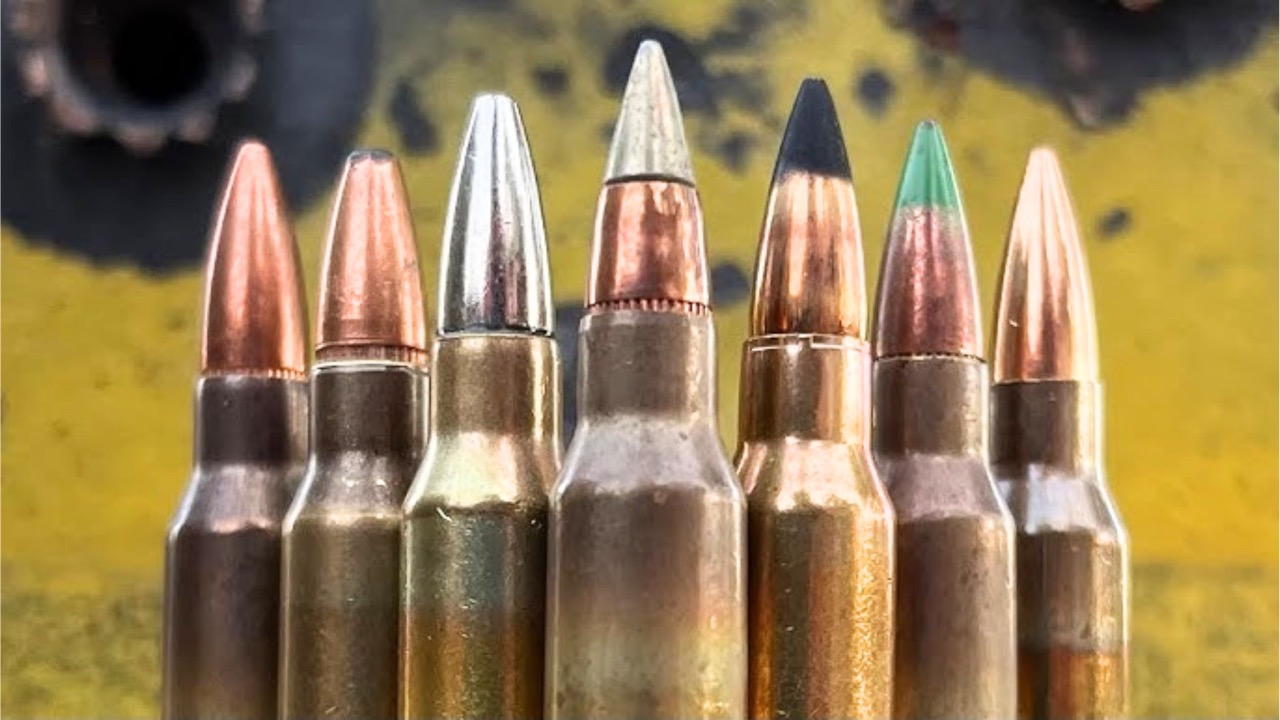
Why bigger calibers don’t always mean quicker kills
Hunters and people who carry handguns for protection often talk as if a bigger caliber is a shortcut to faster, more decisive stops. The intuition is simple: a larger bullet should make a larger hole and drop an animal or attacker more quickly. In practice, the physics of bullets and the realities of human performance make that story far more complicated, and sometimes a smaller round can be the more reliable killer.
When I look at the data and the way bullets actually behave in tissue, the pattern that emerges is clear. Shot placement, penetration, construction, and recoil management matter at least as much as diameter, and in many scenarios they matter more. Bigger calibers can bring advantages, but they also introduce tradeoffs that can slow follow-up shots, reduce accuracy, and even limit how effectively a bullet transfers energy into a target.
The myth of “stopping power” and the big-hole promise
Much of the faith in large calibers comes from what is often called the Big hole school of thought. The idea is that a wider projectile carves a larger permanent wound channel, which should increase blood loss and shorten the time it takes for a target to collapse. On paper, that logic is hard to argue with, and it has shaped everything from handgun debates to the way some hunters choose cartridges for deer, elk, and even smaller game.
Yet even advocates of this Big hole approach acknowledge that bullet diameter is only one piece of a larger puzzle that includes velocity, penetration, and how a projectile behaves after impact, all contributing to what people loosely describe as stopping power. A large bullet that fails to reach vital organs, or that sheds too much mass too early, may cause dramatic surface damage without producing a quick kill. That is why trauma surgeons and ballistics specialists tend to focus less on caliber labels and more on whether a given load can reliably reach and disrupt critical structures inside the body.
Recoil, accuracy, and why human shooters are the weak link
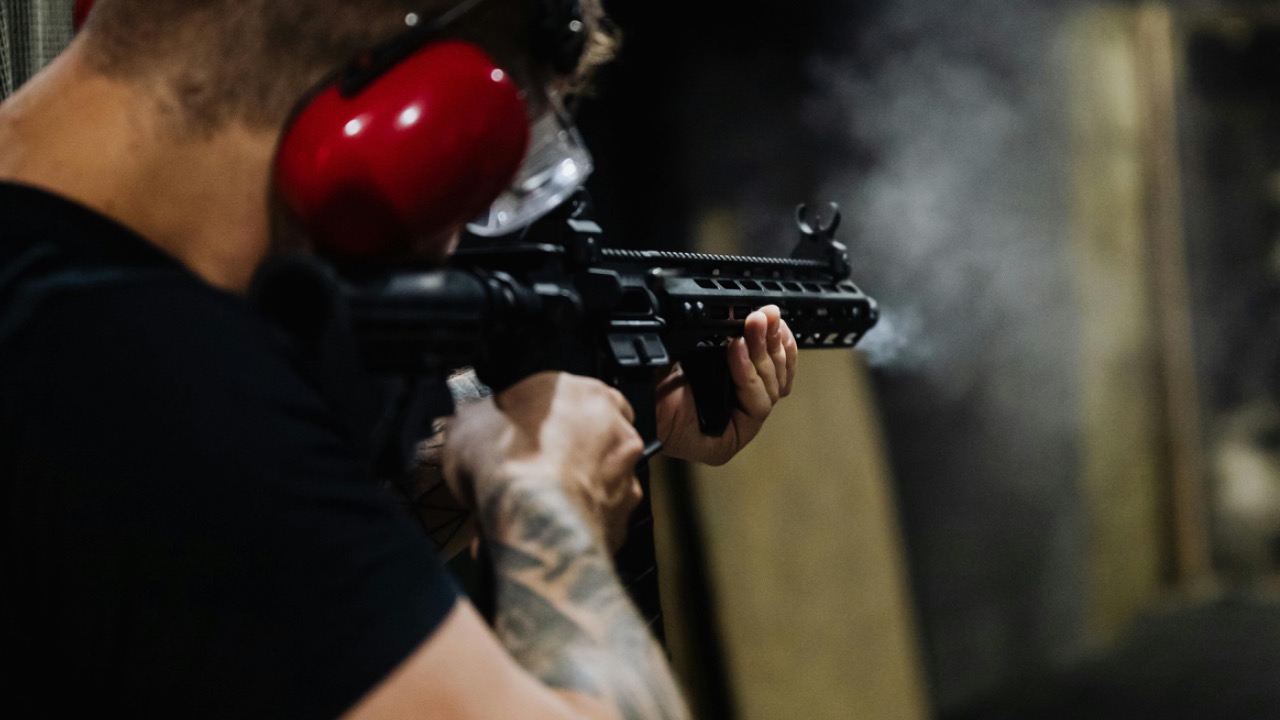
Even if a bigger round offers more theoretical damage, it also brings more recoil, and that is where real-world performance often breaks down. As one detailed overview of handgun cartridges notes, larger calibers generally produce more recoil, while smaller calibers like 9 mm or .380 are easier to control and allow faster, more accurate strings of fire, a relationship that sits at the heart of any honest discussion of caliber and recoil. The shooter, not the cartridge, is usually the limiting factor, and a round that looks ideal in a ballistics gel block can fail badly if it causes flinching or slow follow-up shots.
Rifle hunters see the same pattern. Analyses of modern big-game cartridges point out that More Recoil from heavy magnums does not just bruise shoulders, it degrades performance, because even the best shooters are affected by increased recoil and struggle to place shots precisely or fire additional shots more quickly if necessary. Advocates of efficient, smaller cartridges argue that More and Most hunters are better served by rounds they can shoot comfortably and accurately, which is why so many experienced guides now recommend moderate calibers that balance power with control for big-game work.
Penetration and bullet construction: when small goes deep
Once a bullet leaves the muzzle, its diameter matters less than how it holds together and how far it penetrates. In controlled tests of defensive handgun loads, for example, some lightweight bullets expand aggressively but fail to reach adequate depth, while others maintain structure and drive much farther. One comparison highlighted a Remington 88-grain HTP load that reached 16.8 inches of penetration but expanded to only about 0.36-i in diameter, while other options either produced good expansion with poor penetration or the reverse, illustrating how the balance between depth and width can shift dramatically from one design to another within the same caliber family.
For hunters, the same tradeoffs appear in the field. Detailed breakdowns of terminal performance stress that a bullet’s effectiveness depends on Its mass, material, construction, launch speed, and form factor, all working together to determine how it behaves on impact and how efficiently it transfers energy into game animals. That is why some smaller, high-velocity projectiles with robust construction can outperform larger, slower bullets that deform unpredictably or fail to reach vital organs, a reality that undercuts any simple equation between caliber size and terminal performance.
What trauma medicine and real shootings actually show
When I talk to people who see gunshot wounds for a living, they tend to be skeptical of caliber wars. One widely cited perspective from a veteran instructor recounts conversations with trauma doctors who emphasize that, when a patient is lying on the operating table, they rarely can tell whether a wound came from a slightly larger or smaller common handgun round. Instead, they focus on which organs or major blood vessels were hit and how much tissue disruption occurred along the bullet’s path, a reminder that medical outcomes hinge more on placement and penetration than on the headstamp on the brass.
That same analysis urges shooters to think less about mythical “knockdown power” and more about choosing loads that they can place accurately and that will reliably reach vital structures, regardless of caliber. It is a sobering counterpoint to marketing claims and online arguments, and it aligns with the broader evidence that real-world shootings rarely produce the cinematic instant stops people imagine, even with large calibers, which is why the author encourages readers to talk to a trauma doctor before betting their life on diameter alone.
Big and slow vs small and fast: the endless argument
Among hunters and shooters, few debates are as persistent as whether a big, heavy bullet or a light, fast one is better for putting game down quickly. One video discussion framed it bluntly as an endless argument over whether you terminate game more effectively with a big heavy bullet or a light super fast bullet, capturing the way campfire conversations often split into two camps that each claim their preferred style hits harder and kills cleaner. Both sides can point to dramatic anecdotes, but those stories rarely control for shot angle, animal size, or bullet design.
Online forums and social media threads show how tangled the issue becomes when people try to compare extremes. In one discussion, a user asked How a hypothetical 405 g .224 bullet at 1350 feet per second would perform compared with more conventional loads, prompting others to respond that Both of these are bad bullet designs and to point out that such combinations of weight and diameter are unrealistic in the real world. The exchange illustrates how easy it is to get lost in theoretical scenarios that ignore practical constraints on case capacity, barrel length, and stability, which is why experienced shooters often caution against reading too much into exotic what-ifs on gun forums.
Community wisdom, old debates, and what actually matters
Long-running message boards preserve years of back-and-forth over caliber choices, and they show that this argument is not new. In one archived thread from Nov, a user named tipoc described always leaning toward the bigger wound channel theory, while another poster, 10milg29, chimed in at 10:32 PM to say he preferred larger bullets for perceived margin of error. Yet even in that conversation, several voices pointed out that poor marksmanship and bad bullet selection can sabotage any theoretical advantage, and that many shooters would be better off with a cartridge they can control under stress, a theme that still resonates on The Firing Line today.
Elsewhere, more general discussions try to unpack what bullet diameter really means. In one Nov thread on an explain-it-simply forum, Some contributors noted that larger calibers can increase manufacturing cost, recoil, and magazine size, while offering only marginal gains in tissue damage once you are already in a range where bullets penetrate deeply enough. Others argued that the difference your body experiences between neighboring calibers is often smaller than people expect, especially when modern bullet designs are taken into account, a reminder that context and construction matter as much as raw diameter in any honest ELI5 breakdown.
Choosing the right caliber: balancing size, design, and control
For anyone trying to pick a cartridge, the most useful advice is to step back from caliber labels and think in terms of performance envelopes. One practical guide to handgun and rifle bullets stresses that While this is not a physics lesson, you do not need a large caliber to achieve effective penetration and expansion, and that a bigger bullet that holds together too well can sometimes overpenetrate, wasting energy and causing less internal damage than a smaller projectile that expands and slows appropriately. The same source warns that if the bigger bullet holds together too much, it may punch through with minimal disruption, while a smaller, well-designed round can create more useful damage instead of being less effective, a nuance that many caliber charts gloss over in favor of simple diameter comparisons.
Technical overviews of gun calibers echo that point by explaining how Sep discussions of recoil, trajectory, and terminal ballistics all intersect when choosing a load, and by reminding shooters that comfort and consistency often trump raw power. When I weigh the evidence, I see a clear pattern: a midrange caliber with modern bullet construction, such as a bonded or controlled-expansion design, often delivers more reliable, humane kills than a larger round that is hard to shoot well or that uses outdated projectiles. That is why I pay close attention to how a given load behaves in calibrated tests like those that measured the Remington HTP 88-grain bullet’s 16.8 inches of penetration and 0.36-i expansion, and why I treat sweeping claims about “more caliber equals quicker kills” as marketing, not settled science.
How hunters and carriers can apply the evidence
For big-game hunters, the modern trend toward efficient, moderate cartridges is not a fad, it is a response to what field experience and testing have shown. Writers who have spent years tracking wounded animals argue that small cartridges can be surprisingly effective for big game when paired with the right bullets and careful shot placement, and that More Recoil from oversized magnums often leads to flinching, rushed shots, and longer tracking jobs. When I look at the way guides now recommend cartridges like 6.5 Creedmoor or .308 Winchester over ultra-magnums for many hunts, I see a quiet acknowledgment that quicker, cleaner kills come from hits in the right place with bullets that penetrate and expand reliably, not from chasing maximum caliber for its own sake.
For people choosing a handgun for self-defense, the same logic applies. Detailed comparisons of self-defense calibers show that many modern 9 mm loads meet or exceed penetration benchmarks while offering controllable recoil and higher capacity, whereas some larger calibers deliver only marginal gains in wound size at the cost of slower, less accurate shooting. When I factor in the medical perspectives that urge us to ponder and learn from real trauma outcomes rather than movie myths, and the way long-running debates from Apr to Nov keep circling back to shot placement and bullet design, the conclusion is hard to avoid. Bigger calibers can be useful tools, but they are not magic, and anyone serious about quicker, more humane stops should prioritize controllable recoil, proven bullet construction, and the skill to put rounds where they matter most.

Leo’s been tracking game and tuning gear since he could stand upright. He’s sharp, driven, and knows how to keep things running when conditions turn.


