Army leadership shakeup comes as U.S. remains engaged in Iran conflict
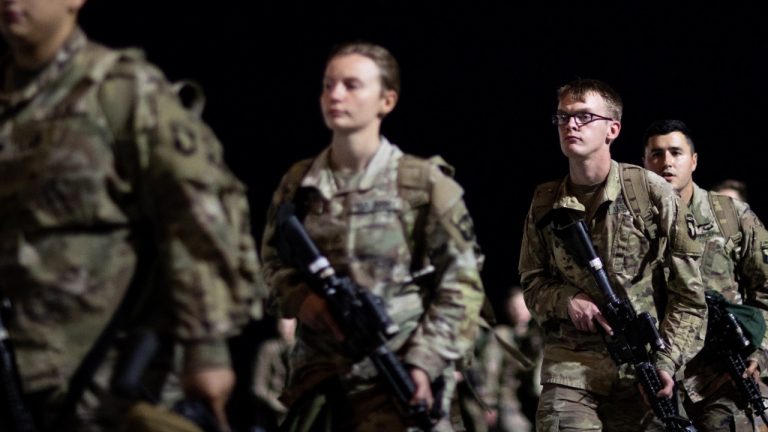
The United States Army is reshaping its senior ranks while American forces remain locked in a grinding conflict with Iran. As Operation Epic Fury enters a decisive phase and Washington debates how hard to press Tehran, decisions made in the Pentagon and at Army headquarters will influence how the fight is waged and how prepared the force will be for whatever comes next.
This turnover in Army leadership is not happening in a vacuum. It is unfolding alongside a service-wide restructuring of officer communities and a broader United States military buildup tied directly to the Iran war, which has already redrawn the security map of the Middle East.
Epic Fury and the pressure on Army leadership
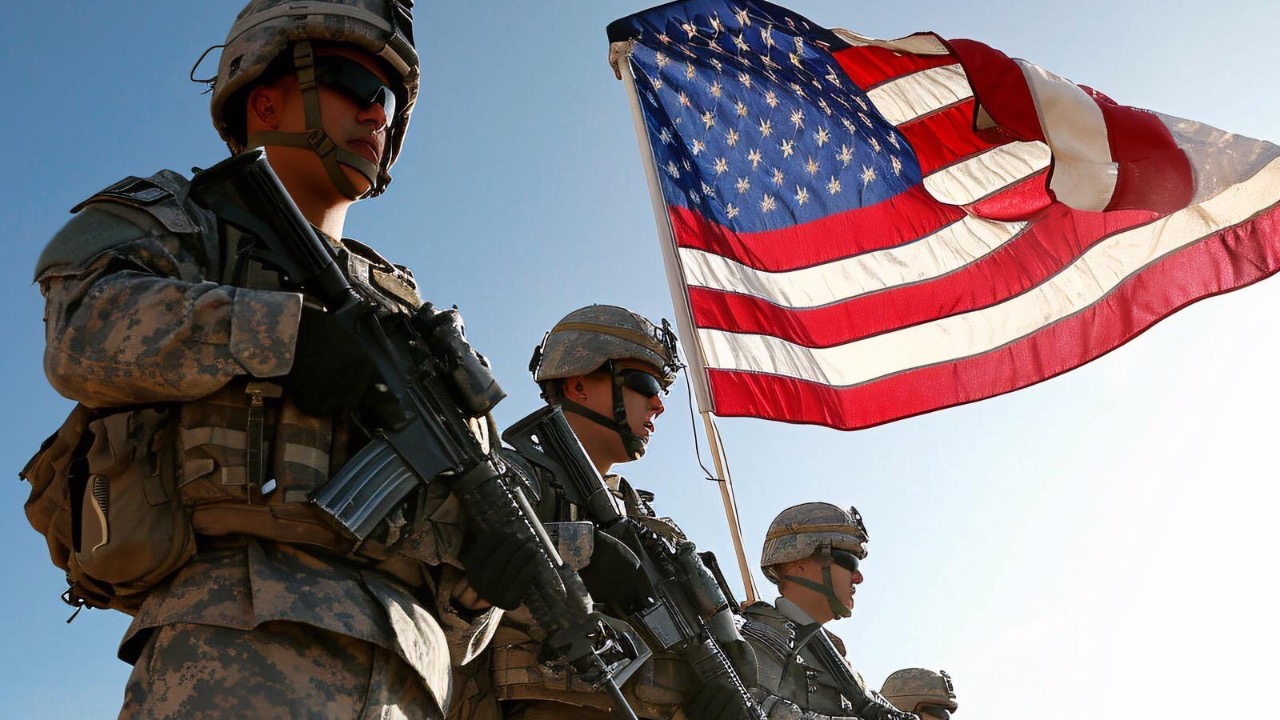
Operation Epic Fury, the United States code name for its joint military offensive with Israel inside Iran, began on 28 February 2026 as the climax of a months-long buildup of forces in the region. According to accounts of the 2026 Iran war, the operation followed a series of joint strikes by the United States and Israel that tipped a simmering confrontation into open conflict with Iran. Ground units, air assets, and logistics formations from the United States Army have been central to sustaining that campaign.
The same buildup is documented in a detailed chronology of the United States military in the Middle East, which describes how deployments and prepositioned stocks were surged forward before the first large-scale strikes. That sequence means current Army leaders are not only fighting a war but also managing the aftershocks of rapid expansion, from personnel tempo to equipment readiness.
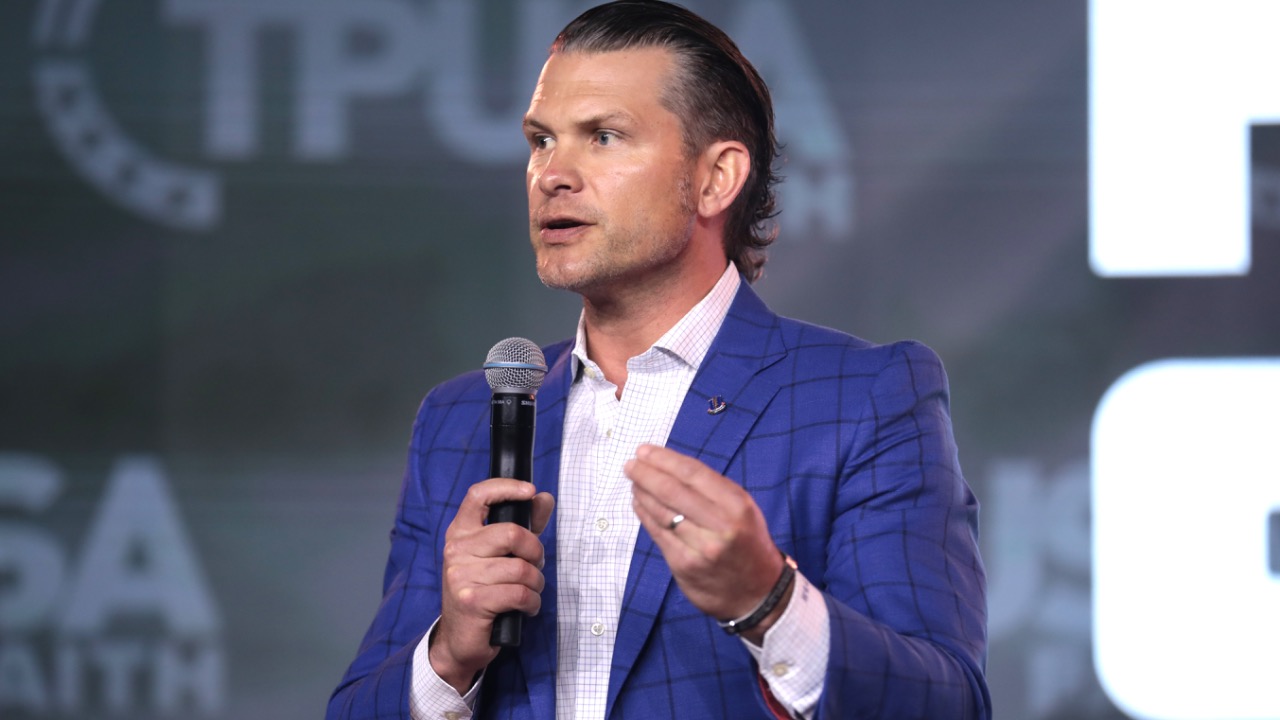
In Washington, the war has become a central test of civilian leadership as well. Defense Secretary Pete Hegseth has said the United States is prioritizing a negotiated end to the fighting with Iran, even as he warns that strikes can intensify if talks fail. In a separate briefing, he cautioned that the coming days in the Iran war would be decisive, as Iranian missiles have already landed as far away as the West Bank village of Kifl Haris and drawn in Palestinians who now live with the debris of that escalation.
Randy George at the center of the shakeup
The central figure in the Army’s current leadership structure is General Randy A. George. As the official Army biography for the Chief of Staff notes, General Randy George serves as the service’s top uniformed officer and principal military adviser on land warfare. He previously held the post of vice chief of staff and has commanded at multiple levels, which gives him direct experience with the formations now engaged in Iran.
Open-source profiles of Randy George highlight that he rose through the infantry and has held senior staff roles that bridge operations and policy. A detailed entry on Randy George identifies him as a former 38th vice chief of staff of the United States Army, a role he held before moving into the top job. That progression places him at the heart of both the Army’s internal restructuring and its external warfighting commitments.
Additional biographical material notes that he was confirmed to his current position by the United States Senate in September of 2023 and sworn in the same day, a timeline that means he had already been in office for more than two years when Operation Epic Fury began. That continuity gives him ownership of both the prewar buildup and the current campaign.
New faces and shifting portfolios
Beneath the chief of staff level, the Army is bringing in new senior leaders as it adapts to the Iran fight. Among them is Daniel Driscoll, whose public profile identifies him as a senior Army officer with experience in modernization and concept development. His background aligns with the service’s decision to activate new organizations focused on future warfare and multi-domain operations.
The Army recently activated its Futures and Concepts formations at a ceremony that highlighted how new commands will shape force design, doctrine, and experimentation. Video of the Futures and Concepts activation shows senior leaders stressing that these organizations will connect battlefield lessons from places like Iran to long-term modernization choices. That link between concept work and real-world conflict is one of the clearest signs that the current leadership shakeup is about more than personnel churn.
At the same time, the Army is pushing through a service-wide restructuring that trims or reshapes certain officer communities. Reporting on how officer communities face describes how specialties tied to legacy structures are being reduced so that resources can shift toward cyber, space, and other high-demand fields. That process, which features leaders like Brig. Gen. Donald K. Brooks explaining the changes to officers, is directly influenced by what the force is experiencing on the ground and in the air over Iran.
Hegseth, Trump and the political frame for Army decisions
While Army generals handle the day-to-day fight, civilian leaders are setting the political frame that shapes military options. Defense Secretary Hegseth has described a dual-track approach in public comments, saying that Washington seeks a deal with Iran but is prepared to intensify strikes if negotiations stall. He has also warned that the conflict is entering a critical moment, language that signals both urgency and the potential for escalation.
Former president Donald Trump has gone further in his own characterization of the conflict. In one appearance he suggested that the Iran war could end very soon, with a possible timeline of just two to three weeks, and in another he claimed that regime change in Iran had been achieved and that United States military dominance had reshaped leadership in Tehran. Those Trump claims about regime change and dominance reflect a political narrative that leans heavily on military success, which in turn increases pressure on Army leaders to deliver results on the ground.
Retired officers have also weighed in on the stakes. Retired Naval Intelligence Commander Dr. Paul Chabot, for example, has discussed how combat in Iran is now in its fourth week and has become a test of American staying power, regional alliances, and domestic tolerance for casualties. In his assessment, shared in a detailed war overview, he connects the tempo of operations to questions about whether the Army’s current leadership structure is sustainable if the conflict drags on.
Modernization, lessons from Iran and the path ahead
The Iran conflict is already feeding directly into Army modernization debates. The activation of the Futures and Concepts organizations, the restructuring of officer communities, and the elevation of leaders like General Randy George and Daniel Driscoll all point toward a service that is trying to fight a war while preparing for the next one.
One example is the focus on multi-domain operations. The same activation ceremony that brought Futures and Concepts online emphasized the need to connect space, cyber, air, and land effects in a single scheme of maneuver. That approach is directly relevant to Operation Epic Fury, where Iranian missiles, drones, and cyber capabilities have forced the United States and Israel to integrate air defense, electronic warfare, and ground maneuver in real time.
Officer cuts and reassignments are being justified in similar terms. The detailed review of Randy George in multiple languages, along with entries in German and Spanish that profile Randy George and Randy George, reflects international interest in how the United States Army is reconfiguring itself under his leadership. Those profiles sit alongside Persian-language coverage of Randy George, a reminder that decisions taken in Washington are watched closely in Tehran and across the region.
For soldiers on the ground, these structural debates translate into very practical questions. Units deployed under Operation Epic Fury must adapt to evolving rules of engagement as political leaders like Pete Hegseth and Donald Trump signal different endgames. They must absorb new technologies and concepts pushed by Futures and Concepts organizations even as they operate in hostile terrain. And they must do so under a leadership team that is still settling into new roles, with General Randy George at the top and officers like Daniel Driscoll shaping the next generation of doctrine.

Asher was raised in the woods and on the water, and it shows. He’s logged more hours behind a rifle and under a heavy pack than most men twice his age.