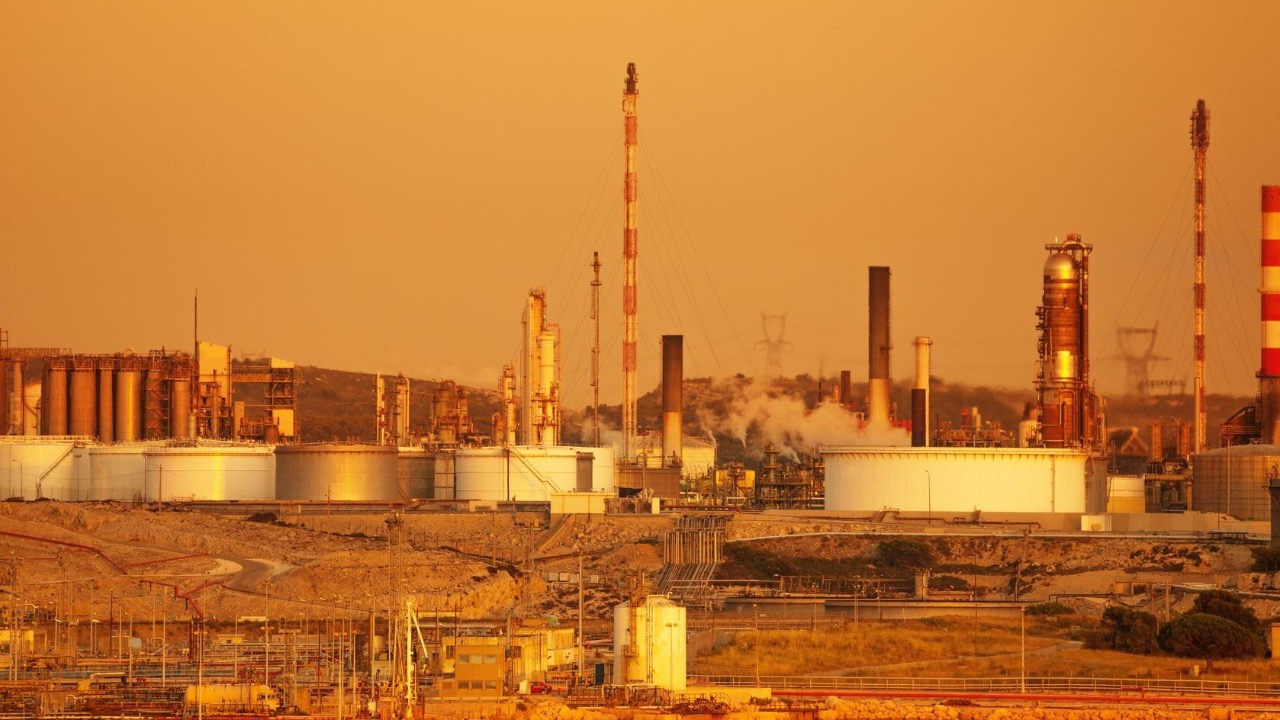
Attacks on Iranian oil refineries in single day released as much sulphur dioxide as a volcanic eruption
The strikes on Iranian oil infrastructure in early March 2026 turned industrial sites near Tehran into unintended sources of massive air pollution. Satellite data later showed that fires from those attacks pumped nearly 30,000 tons of sulfur dioxide into the sky in a single day. That amount matches the daily output of a moderate volcanic eruption, the kind that can influence weather patterns and air quality across continents. As someone who has covered environmental crises in conflict zones for years, I see this as a reminder of how modern warfare reshapes not just borders but the air people breathe.
You notice the human stakes immediately when pollution events like this unfold in densely populated areas. Residents reported stinging eyes, breathing trouble, and oily residue falling from the sky as black rain. The episode highlights the overlap between military actions and environmental damage, where short-term tactical goals create longer-term atmospheric consequences.
The immediate release of pollutants
Fires raged at several fuel storage depots and a refinery following the airstrikes on March 7. Burning oil and associated chemicals sent thick plumes of smoke high into the atmosphere, carrying sulfur dioxide along with particulates and hydrocarbons. Scientists tracking the event via satellite observed the plume spreading rapidly over hundreds of thousands of square miles.
Local weather patterns then mixed these emissions with moisture, leading to the sooty precipitation that coated streets and surfaces. This combination turned an industrial accident into a widespread exposure incident, with toxins settling back to ground level in ways that affected daily life across the capital region.
Tracking the plume across regions
Winds carried the sulfur dioxide cloud eastward, eventually reaching parts of Asia according to atmospheric models. Researchers at institutions in China analyzed the data and confirmed the scale rivaled volcanic activity from events like the 2010 Eyjafjallajökull eruption in Iceland. Such plumes can linger and interact with other atmospheric elements over days.
Monitoring stations and modeling tools helped map how these pollutants traveled. The movement demonstrated how air quality issues in one country quickly become a shared regional concern, crossing political lines without regard for ongoing conflicts.
Effects on public health in Tehran
People in the city dealt with immediate symptoms including irritated skin, headaches, and respiratory discomfort as the smoke hung over neighborhoods. Health authorities advised staying indoors while the fires continued burning for several days afterward. Vulnerable groups such as children and older residents faced higher risks from the fine particles and acid-forming gases.
Medical teams prepared for potential increases in asthma attacks and other breathing-related issues in the weeks that followed. The episode added another layer of strain to an already challenging situation, where access to clean air became as critical as other basic needs during heightened tensions.
Environmental ripple effects
Sulfur dioxide contributes to acid rain that can damage vegetation, soil, and water sources downwind. In this case, the volume released raised concerns about impacts on agriculture and ecosystems in affected areas. Oil-derived compounds also introduce persistent pollutants that settle into the ground and waterways.
Longer-term studies will likely examine how these deposits influence local biodiversity and food chains. Events of this magnitude show the difficulty of containing environmental harm once large-scale fires release stored industrial materials into the open air.
Lessons from comparing to volcanoes
Volcanoes release sulfur dioxide naturally during eruptions, often serving as benchmarks for scientists studying pollution events. The Iranian incident matched the intensity of a smaller volcanic episode in terms of daily output, providing a clear reference point for atmospheric researchers. This parallel helps explain the potential for broader climate and weather influences.
Yet the context differs sharply. Human-caused releases tied to conflict carry different patterns of toxins, including synthetic compounds from refined fuels. Understanding these distinctions aids in predicting recovery timelines and planning mitigation where possible.

Asher was raised in the woods and on the water, and it shows. He’s logged more hours behind a rifle and under a heavy pack than most men twice his age.