Bald Eagles Face Lead Poisoning Risks From Ingested Bullet Fragments
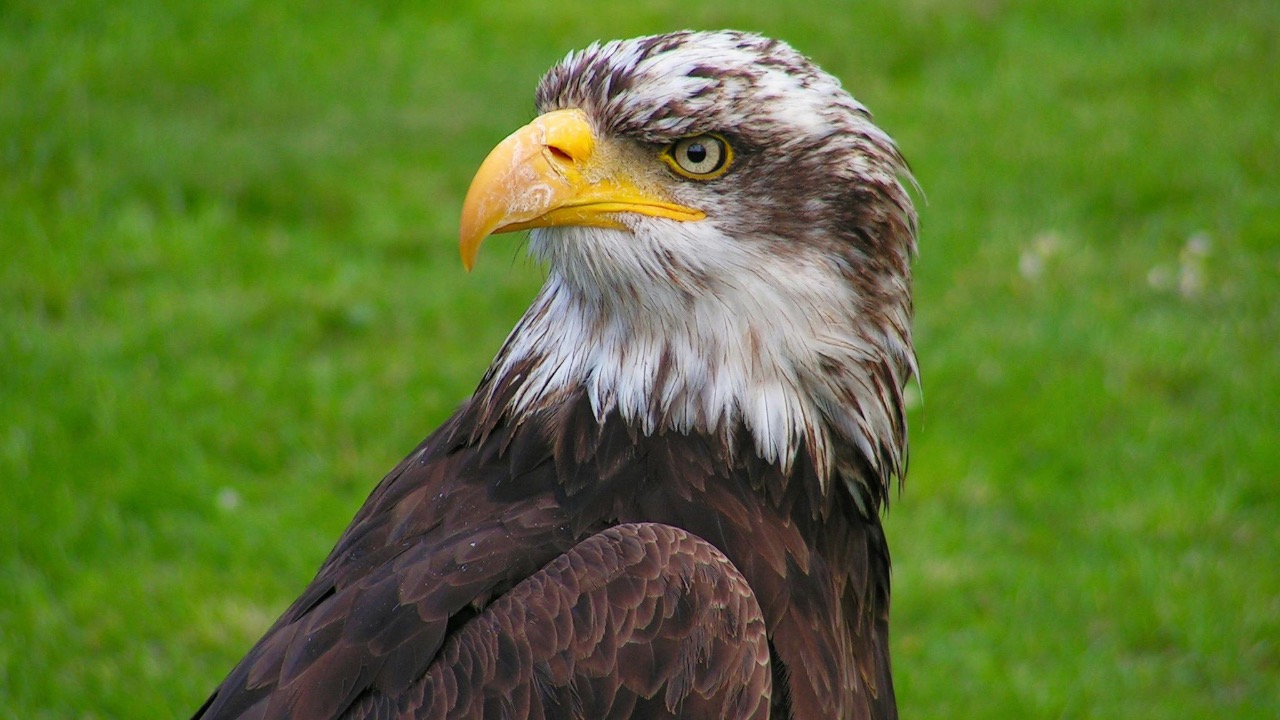
If you’ve spent enough time in deer country, you’ve seen it: a gut pile in the snow and a bald eagle dropping in before you’ve even made it back to the truck. That scavenging instinct is one of the reasons the Bald Eagle rebounded so well after the DDT years. But it’s also what puts the bird at risk today.
Lead poisoning tied to bullet fragments isn’t a talking point dreamed up in an office. It’s something wildlife biologists, rehab centers, and state agencies have documented for years. The issue isn’t about blame. It’s about understanding how small pieces of metal left in carcasses can affect one of the most visible conservation success stories in North America.
How Bullet Fragments End Up in Carcasses

When a traditional lead-core rifle bullet hits big game, it doesn’t always stay intact. High-velocity impacts can cause fragmentation, sending tiny shards several inches beyond the wound channel. You may remove the obvious damaged meat, but microscopic fragments often remain embedded in surrounding tissue.
If you leave a gut pile or unrecovered carcass in the field, scavengers are quick to find it. Eagles, along with coyotes and ravens, feed heavily on these remains. An eagle doesn’t sort through tissue looking for metal. It tears and swallows. Along with protein and fat, it can ingest lead fragments too small to see with the naked eye.
Why Lead Is So Dangerous to Eagles
Lead is a potent neurotoxin. Once ingested, stomach acids dissolve small fragments, allowing lead to enter the bloodstream. In eagles, that can disrupt the nervous system, impair muscle control, and affect organ function.
You might see a poisoned eagle unable to fly, with drooping wings or severe weakness. In many documented cases, birds require chelation therapy to remove lead from their system. Without treatment, poisoning can be fatal. Even sublethal exposure can reduce survival odds during winter, when calories are critical and flight performance means everything.
The Seasonal Spike During Big Game Seasons
Wildlife rehabilitators across the Midwest and West often report increases in admitted eagles during and shortly after big game seasons. That timing isn’t random. It lines up with increased availability of carcass remains containing bullet fragments.
In northern states where deer season coincides with harsh winter conditions, eagles rely heavily on scavenging. You might think of your gut pile as quickly cleaned up and gone. In reality, during peak hunting weeks, the landscape can offer a steady supply of contaminated meals, increasing the chance that multiple birds encounter lead in a short window.
Evidence From Necropsies and Blood Tests
Researchers have confirmed lead exposure through necropsies and blood sampling of wild eagles. Elevated blood-lead levels are common findings in birds admitted to rehabilitation centers. In some studies, fragments consistent with ammunition have been found in digestive tracts or embedded in tissue.
X-rays of deer carcasses shot with traditional lead bullets have shown dozens of tiny fragments scattered well beyond the main wound channel. Those findings help explain how eagles can be exposed even when hunters trim generously around visible damage. The fragments aren’t always where you expect them to be.
Sublethal Effects You Don’t See in the Field
Not every eagle exposed to lead drops out of the sky. Some experience lower-level exposure that weakens them over time. Reduced coordination, slower reaction times, and suppressed immune function can make survival harder, especially in cold climates.
You may never see those birds. A weakened eagle might fail to compete for food or struggle during migration. The impact isn’t always dramatic, but across a population, repeated low-level exposure can influence overall health trends. Biologists pay attention to these patterns because they’re harder to detect than a single obvious poisoning case.
Why Waterfowl Regulations Changed First
You’re probably familiar with the federal ban on lead shot for waterfowl hunting, implemented in 1991. That decision came after extensive evidence showed ducks and geese ingesting spent pellets while feeding, which in turn poisoned eagles and other predators that fed on them.
Big game hunting is different. The exposure pathway involves bullet fragments in carcasses rather than spent shot on wetlands. But the underlying principle is similar: scavengers can be secondarily exposed to lead left in the environment. The waterfowl example shows how policy has responded before when the science pointed clearly to a risk.
Alternatives Hunters Are Considering
Copper and other non-lead bullets have become more common in recent years. Solid copper projectiles tend to retain weight and expand without fragmenting into dozens of small pieces. That reduces the amount of residual metal left in carcasses.
You might notice different performance characteristics compared to traditional lead-core bullets, especially in terms of expansion and penetration. Many hunters report strong terminal performance when matched properly to caliber and velocity. For those concerned about scavenger exposure, switching ammunition is one approach that directly addresses the source of the fragments.
What Responsible Carcass Disposal Can Do
Even if you stick with traditional ammunition, how you handle remains matters. Packing out gut piles isn’t realistic for most big game hunts, but placing remains away from high-traffic roost sites or heavily used wintering areas can reduce concentrated exposure.
Some hunters choose to bury or move carcass remains where feasible, especially on private land. None of these steps eliminate risk entirely, but they can reduce how often scavengers encounter contaminated tissue in the same area. It’s a practical consideration that fits within the broader ethic most hunters already share.
A Conservation Issue, Not a Culture War
The recovery of the bald eagle remains one of the most visible conservation wins in American history. Hunters played a major role in funding habitat protection and wildlife management that made that recovery possible. Lead exposure tied to bullet fragments sits within that same conservation framework.
You don’t have to see this issue as an attack on hunting. It’s a biological question with documented evidence behind it. Understanding the mechanics of exposure allows you to make informed choices in the field. For a species that’s become a symbol of wild country, that’s a conversation worth having in good faith.

Asher was raised in the woods and on the water, and it shows. He’s logged more hours behind a rifle and under a heavy pack than most men twice his age.