Bass fishing mistakes that cost bites all day
Bass fishing can be maddening. Even when the water looks perfect and the sun is out, small mistakes can cost you every bite. Experienced anglers know that success comes from paying attention to the details—presentation, lure choice, timing, and reading the water. Overlooking any of these can turn a promising day into a string of empty casts. Understanding common mistakes and how they affect bass behavior can dramatically improve your results. Here are twelve frequent errors that can keep the bass from cooperating, even when everything seems right.
Ignoring Water Temperature
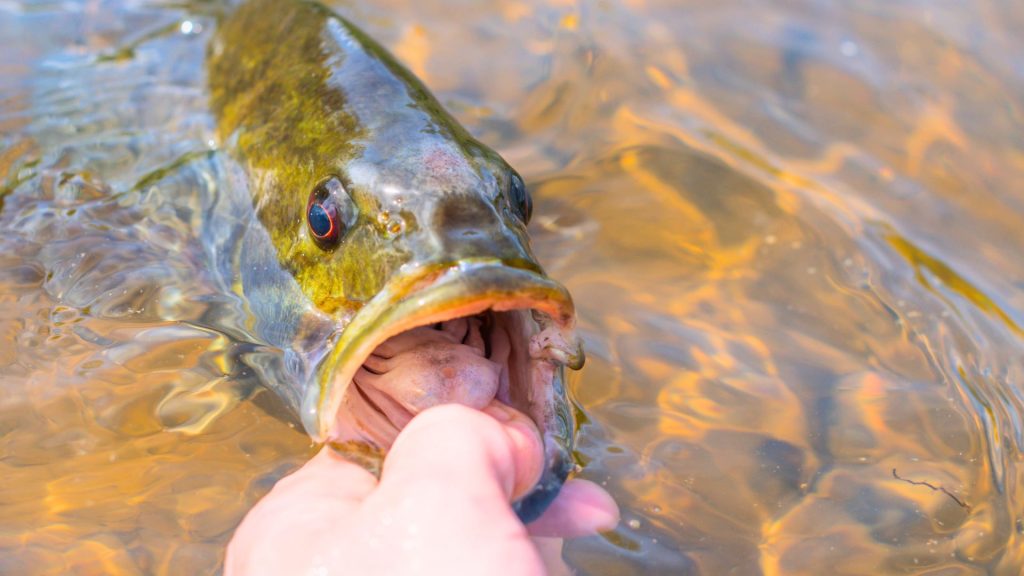
Water temperature dictates bass activity more than almost anything else. Fish in colder water are sluggish, while warm water can make them aggressive and selective. Ignoring this fact leads to wasted casts and frustrated hours.
Targeting the wrong depths or using the wrong lure can make bass completely uninterested. Adjusting your presentation to match water temperature—slower in cold, faster in warmth—keeps your offerings in the strike zone. Even subtle shifts, like fishing a few feet deeper or slower, can make the difference between blanking and landing multiple fish. Skipping this adjustment is a surefire way to lose bites all day.
Using the Wrong Lure Color
Bass can be surprisingly picky about color, and ignoring water clarity and light conditions can cost you bites. A bright lure in murky water or a dull one in clear conditions often goes unnoticed.
Matching your lure to natural forage and conditions is essential. Bass will often chase shapes and sizes they recognize, but color enhances detection. Failure to adapt can make even perfect casts invisible. Spending extra time thinking about hue and contrast can convert slow days into productive ones, while neglecting it leaves you frustrated and wondering why the fish aren’t hitting.
Overworking the Bait
Many anglers reel too fast or twitch too aggressively, especially in pressured waters. Bass sometimes need a subtle, consistent presentation to commit. Overworking the bait makes it look unnatural, scaring fish away.
Patience and finesse matter more than constant action. Watching how fish react to your lure and adjusting retrieves can dramatically improve hookup rates. Overshooting this subtlety is a mistake even experienced anglers make, and it’s one that guarantees missed opportunities when bass are otherwise willing to bite.
Casting Too Far From Structure
Bass love cover—weed beds, logs, docks, and rock piles. Casting too far from these spots often wastes time, as fish rarely roam far from protective structure.
Precision is better than power. Hitting the edges of cover with the right lure maximizes your chances. Overcasting into open water leaves bass undisturbed and uninterested, especially on pressured lakes. Even subtle placement errors can turn what seems like a good area into a ghost zone, costing bites all day long.
Ignoring Seasonal Patterns
Bass follow seasonal routines, moving to specific depths or cover depending on the time of year. Ignoring these patterns can make even the best tactics ineffective.
Spring bedding behavior, summer deep-water tendencies, and fall feeding patterns all require adjustments in lure type, retrieve speed, and depth. Casting randomly without considering the season often leaves anglers frustrated. Learning where bass are likely to be during each phase gives you a significant advantage, while ignoring it wastes hours on fish that aren’t in the right spots.
Fishing the Same Spot Too Long
Even if a spot produced yesterday, bass aren’t static. Spending too long in one area without results can cost bites elsewhere.
Successful anglers rotate locations, probing different depths and structures. Stubbornly sticking to one area allows fish to move undisturbed and forces you to fight diminishing returns. Learning when to leave and experiment elsewhere keeps your line in the water where fish are actively feeding, preventing an entire day of frustration chasing ghost bass.
Skipping Subtle Depth Adjustments
Bass can sit just a few feet shallower or deeper than your lure. Ignoring fine depth tuning often means your bait is in the wrong strike zone.
Even small variations—raising or lowering by a foot or two—can mean the difference between a hit and a blank. Using adjustable weights or paying attention to lure suspension can dramatically improve results. Overlooking these small tweaks is a silent killer of bites, especially when fish are picky and holding at specific depths.
Making Too Much Noise
Bass are sensitive to vibrations and commotion. Jumping in and out of the boat, dragging gear, or noisy motor adjustments can spook fish from feeding areas.
Subtle approach, quiet trolling, and careful boat positioning matter. Even skilled anglers with perfect lures often scare bass away with careless movement. Maintaining low profile and minimizing distractions keeps bass in strike mode, while loud, clumsy behavior costs opportunities without any obvious mistake in technique.
Overlooking Line Choice
Using the wrong line—too heavy, too light, or the wrong type—affects lure action and hook set. Even experienced anglers can sabotage themselves with poor line selection.
Monofilament, fluorocarbon, and braid all have strengths depending on conditions. A stiff line can reduce natural lure movement, while a line that’s too light can break on cover or prevent proper hook penetration. Choosing poorly can frustrate even the most skilled anglers, limiting bites and lost fish during the day.
Neglecting Presentation Angle
Casting at the wrong angle relative to wind, current, or cover can make lures appear unnatural. Bass often reject improperly presented baits.
Adjusting approach—casting upstream, along weed edges, or parallel to structure—keeps your lure in the fish’s natural strike path. Failure to adapt angles means your lure may pass unseen or trigger refusal. Proper presentation is often more important than lure type, and ignoring it guarantees missed bites even when the fish are actively feeding.
Not Matching Natural Forage
Bass are opportunistic but can be finicky when natural forage is abundant. Ignoring what baitfish, crayfish, or insects dominate the area leads to wasted casts.
Observing local forage and matching size, color, and movement of lures improves strike rates. A mismatched lure can leave fish uninterested, no matter how perfect your cast or retrieve. Skilled anglers know that matching forage is an overlooked but critical step to maintain consistent action throughout the day.
Failing to Adjust to Pressure
Popular lakes and ponds see heavy angling pressure. Bass in these waters are more cautious, requiring subtle techniques and thoughtful lure selection.
Ignoring pressure effects often results in aggressive casts with lures that spook wary fish. Adapting to pressured conditions—slower retrieves, finesse baits, or targeting less obvious cover—keeps bass biting. Failing to account for angler pressure is a common error that turns potential bites into long hours of frustration.

Asher was raised in the woods and on the water, and it shows. He’s logged more hours behind a rifle and under a heavy pack than most men twice his age.