Botched Tennessee execution reignites debate over US death row
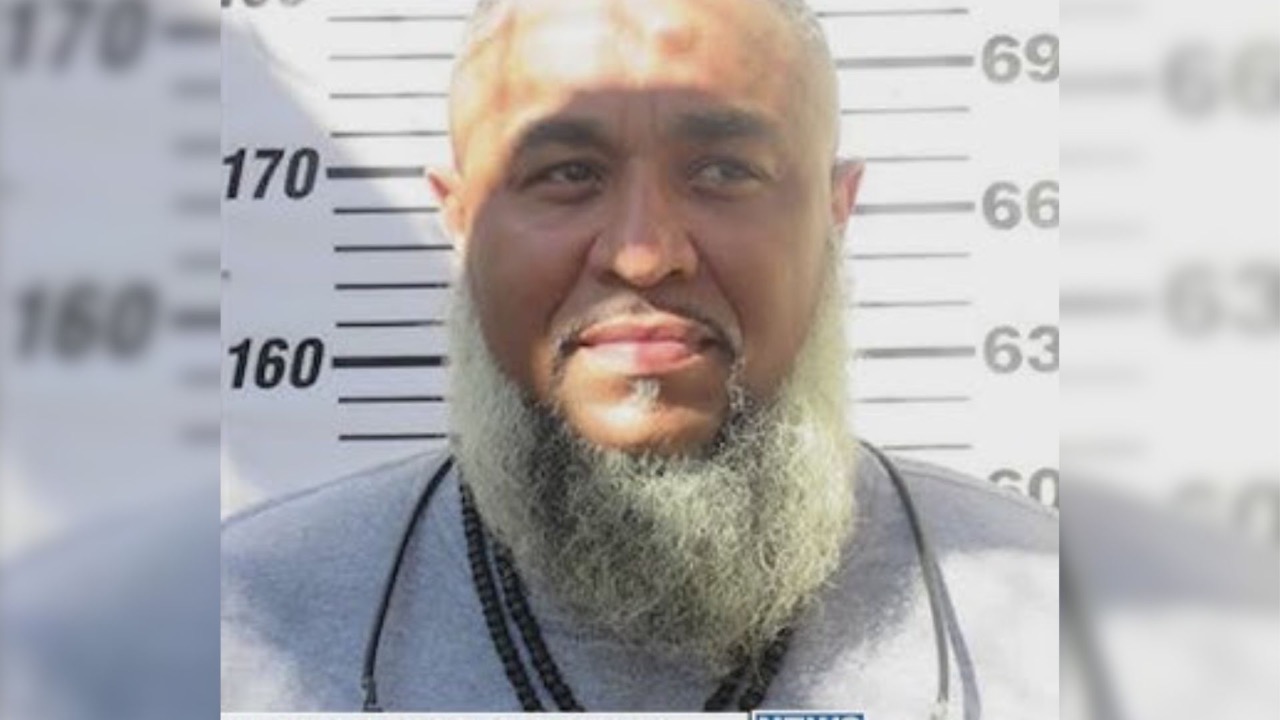
A recent failed attempt to carry out a lethal injection in Tennessee has drawn fresh attention to longstanding problems in the country’s death penalty system. On May 21, 2026, prison officials spent more than an hour trying to establish intravenous access on Tony Carruthers before calling off the procedure. Witnesses described the inmate bleeding and showing signs of distress as staff made repeated attempts. Governor Bill Lee later granted a one-year reprieve. The episode has prompted attorneys, advocates, and some officials to question whether states can reliably administer capital punishment without causing unnecessary suffering.
The failed procedure in Tennessee
Prison medical staff initially secured one IV line on Carruthers but could not locate a required backup vein despite extensive efforts. Reports indicate they tried multiple sites including arms, legs, feet, and attempted a central line insertion in the chest area. The process left the inmate in visible discomfort for over an hour before officials halted the execution. Tennessee Department of Correction statements noted adherence to protocol, yet the outcome highlighted gaps in preparation for difficult venous access.
Defense teams have detailed accounts of more than a dozen puncture attempts. This incident occurred amid ongoing legal challenges to the state’s 2025 lethal injection protocol, which critics say lacks sufficient safeguards for medical competence and transparency about the drugs involved. The reprieve gives time for further review but does not resolve underlying concerns about future attempts.
Medical qualifications under scrutiny
Attorneys have raised specific issues about the physician involved in establishing central IV access. Court filings note the doctor had not performed such procedures regularly in over a decade and lacked current hospital privileges. Depositions revealed limited recent experience with the techniques required under Tennessee’s protocol. These details have fueled arguments that execution teams may not meet standards expected in ordinary medical settings.
Such shortcomings point to broader challenges in recruiting and training personnel willing to participate in executions. Many medical professionals decline involvement due to ethical guidelines from organizations like the American Medical Association. This leaves states relying on individuals whose skills and currency may not align with the demands of a high-stakes procedure.
Calls to pause upcoming executions
Following the Carruthers case, defense attorneys have urged Governor Lee to halt all scheduled executions while courts examine the protocol. Tennessee plans at least three more this year, including the first execution of a woman in the state in over two centuries. Advocates argue the recent failure demonstrates risks that could affect other inmates facing similar procedures.
Legal teams emphasize the need for full judicial review of the 2025 changes before proceeding. They contend that proceeding without addressing documented problems would expose the state to further constitutional challenges under the Eighth Amendment, which prohibits cruel and unusual punishment. The push includes requests for forensic testing in certain cases where innocence claims persist.
National patterns of execution difficulties
Botched or troubled executions have appeared across several states in recent decades, often involving issues with drug availability, vein access, or prolonged inmate awareness. Researchers tracking these cases estimate a small but consistent percentage of procedures encounter serious complications. These events frequently trigger lawsuits, temporary moratoriums, and shifts in public conversation about capital punishment.
The Tennessee situation echoes earlier problems in states like Oklahoma and Arizona, where similar struggles with lethal injection led to extended reviews and policy adjustments. Critics maintain that repeated difficulties reveal systemic limits in delivering a punishment that must meet constitutional requirements for humaneness, regardless of the crimes involved.
Questions of innocence and due process
Carruthers’ attorneys have long maintained concerns about his conviction, seeking additional forensic testing that they say was not adequately pursued. The failed execution has amplified these calls, with supporters arguing that the state should resolve factual disputes before attempting to carry out a sentence. Similar innocence-related challenges exist in other death row cases nationwide.
Mental health evaluations and claims of inadequate representation also surface regularly in death penalty litigation. The combination of procedural failures and unresolved substantive questions creates layers of complexity that courts and governors must navigate. In Tennessee, the recent events have intensified pressure to address these intertwined issues.
The future of capital punishment debates
This episode adds to a national dialogue where support for the death penalty varies by state and demographic. While some jurisdictions continue scheduled executions, others have moved toward abolition or long-term pauses. Public reaction often intensifies after visible failures, influencing legislative and judicial approaches.
Tennessee officials face decisions about whether to refine protocols, seek alternative methods, or reconsider the overall system. The outcome could influence similar discussions in other states maintaining active death rows, as the search for a reliable execution process continues amid persistent practical and ethical challenges.

Asher was raised in the woods and on the water, and it shows. He’s logged more hours behind a rifle and under a heavy pack than most men twice his age.